Showing posts with label Uncategorized. Show all posts

Saturday, 18 July 2020

16th Sunday of Yr A (Mt 13: 24-43)

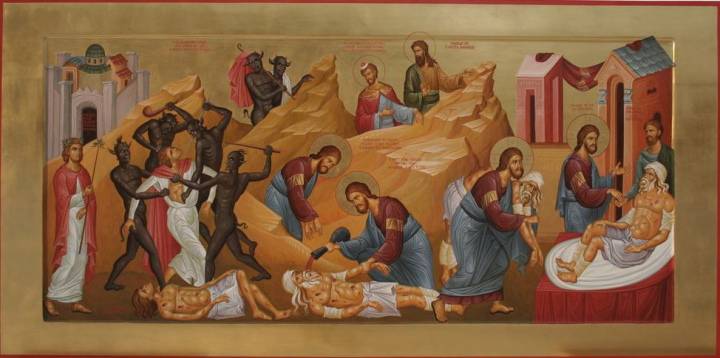
One of the interesting things of the last few months is that people have developed an interest in baking and bread-making. It never ceases to amaze me that such a small amount of yeast is able to leaven such a large quantity of flour, making the bread light, fluffy, and much more pleasant to eat. It is an image used by Jesus in this morning’s Gospel to describe the kingdom of heaven. Christians are to be like yeast, something small which can have a great effect, something remarkable, something good. It’s a challenge, and that is the point. The conditions need to be right for the yeast to work, but the effect is tremendous. Likewise a mustard seed, while only the size of the head of a pin can, in the Middle East, grow into a six-foot shrub in a year. The growth is remarkable. Such an illustration should give us hope, that God always has good things in store for us, if we trust in Him.

The main parable Jesus uses to teach about the Kingdom is that of the Wheat and the Tares, the Good and the Bad. Rather than getting rid of the weeds and damaging the crop, both are left until the harvest. 

It is very tempting to want God to act immediately, and especially when WE want God to act. Thankfully God’s plan is a bit more long-term. We need to wait. Waiting isn’t much fun. The world around us tells that we can have what we want when we want it. Thankfully, our experiences over the last few months have shown us that this is not always the case, and that is a good thing. In the parable we see that God is patient and compassionate. God loves us, and His ways are not our ways, nor His thoughts like ours. Rather than making God be more like us, we have to try to be more like God: loving and patient. As humans we will make mistakes, which call us to seek forgiveness and reconciliation, so that we can continue to grow in holiness. It takes time. There isn’t a magic wand which can be waved to make instant holy Christians. By God’s grace it is the work of a lifetime. I know that I’m not there yet. I’m still very much a work in progress. And that is ok. The message of the parable is that God is patient, and that we need to be so as well. It is difficult, but if nothing else our experience of the last few months has taught us that patience is a good thing, and that we will need to continue to be patient, with each other and ourselves, as we try to live our lives and to continue to make the kingdom a reality here and now.

We help to make it a reality by proclaiming that Jesus comes to save us from Sin, Death, and Hell. He does this first by proclaiming the Good News of the Kingdom and secondly by dying for us on the Cross, bearing the burden of our sins, and overcoming the power of death and Hell, and rising again to New Life. The Church preaches Christ Crucified, and offers salvation in and through Christ alone. Sins can be forgiven, and new life offered to all.

Let us pause for a moment to consider something important. In the Gospel, the time for the separation of wheat and weeds is not yet. There is still time, time for repentance, time to turn away from Sin, and to turn to Christ. The proclamation of the Kingdom is one which calls people to repent, and to believe. It calls us to have a change of heart, and to turn away from the ways of the world, the ways of selfishness, which alienate us from God and each other. It is not merely an event, but rather a process, a continual turning towards Christ, and reliance upon His love and mercy, a turning to Him in prayer, being nourished and transformed by our reading of the Bible, and being nourished with the Sacrament of His Body and Blood.

The good news is that we are not simply condemned, and we, all of us, have time to make sure that we are wheat and not weeds. Ours is a generous and a loving God, who longs to see His people reconciled, healed, and redeemed. The fact that the wheat and the weeds can grow together until the harvest is done for the sake of the wheat, lest it be pulled up by accident. Ours then is a patient God, who provides us with the opportunity for repentance, time to turn our lives around and follow him. And the Church, just like the world is made up of people good and bad. We are on various stages of a journey, and we are given all the chances possible to rely on God’s transforming grace in our lives.

It is a hopeful message, a message of healing and reconciliation, that God does not simply give up on us, but rather does all he can to make sure that we are wheat and not weeds. It is the wonder of the Cross, that God sends his Son out of love for humanity, of you and me, to suffer and die for us, to show us the depth of God’s love, That He rises from the tomb so show us that death is not the end, to give us hope. It is the best news there is. And we are told about it now, so that we can do something about it, and we can tell other people too. We can share the message so that others can hear, and repent, and believe, and live new lives in Christ, freed from slavery to sin. So that all the world may believe and give glory to God the Father, God the Son, and God the Holy Spirit, to whom be ascribed as is most right and just, all might, majesty, glory, dominion, and power, now and forever. Amen.

bruegel

16th Sunday of Yr A (Mt 13: 24-43)

One of the interesting things of the last few months is that people have developed an interest in baking and bread-making. It never ceases to amaze me that such a small amount of yeast is able to leaven such a large quantity of flour, making the bread light, fluffy, and much more pleasant to eat. It is an image used by Jesus in this morning’s Gospel to describe the kingdom of heaven. Christians are to be like yeast, something small which can have a great effect, something remarkable, something good. It’s a challenge, and that is the point. The conditions need to be right for the yeast to work, but the effect is tremendous. Likewise a mustard seed, while only the size of the head of a pin can, in the Middle East, grow into a six-foot shrub in a year. The growth is remarkable. Such an illustration should give us hope, that God always has good things in store for us, if we trust in Him.

The main parable Jesus uses to teach about the Kingdom is that of the Wheat and the Tares, the Good and the Bad. Rather than getting rid of the weeds and damaging the crop, both are left until the harvest. 

It is very tempting to want God to act immediately, and especially when WE want God to act. Thankfully God’s plan is a bit more long-term. We need to wait. Waiting isn’t much fun. The world around us tells that we can have what we want when we want it. Thankfully, our experiences over the last few months have shown us that this is not always the case, and that is a good thing. In the parable we see that God is patient and compassionate. God loves us, and His ways are not our ways, nor His thoughts like ours. Rather than making God be more like us, we have to try to be more like God: loving and patient. As humans we will make mistakes, which call us to seek forgiveness and reconciliation, so that we can continue to grow in holiness. It takes time. There isn’t a magic wand which can be waved to make instant holy Christians. By God’s grace it is the work of a lifetime. I know that I’m not there yet. I’m still very much a work in progress. And that is ok. The message of the parable is that God is patient, and that we need to be so as well. It is difficult, but if nothing else our experience of the last few months has taught us that patience is a good thing, and that we will need to continue to be patient, with each other and ourselves, as we try to live our lives and to continue to make the kingdom a reality here and now.

We help to make it a reality by proclaiming that Jesus comes to save us from Sin, Death, and Hell. He does this first by proclaiming the Good News of the Kingdom and secondly by dying for us on the Cross, bearing the burden of our sins, and overcoming the power of death and Hell, and rising again to New Life. The Church preaches Christ Crucified, and offers salvation in and through Christ alone. Sins can be forgiven, and new life offered to all.

Let us pause for a moment to consider something important. In the Gospel, the time for the separation of wheat and weeds is not yet. There is still time, time for repentance, time to turn away from Sin, and to turn to Christ. The proclamation of the Kingdom is one which calls people to repent, and to believe. It calls us to have a change of heart, and to turn away from the ways of the world, the ways of selfishness, which alienate us from God and each other. It is not merely an event, but rather a process, a continual turning towards Christ, and reliance upon His love and mercy, a turning to Him in prayer, being nourished and transformed by our reading of the Bible, and being nourished with the Sacrament of His Body and Blood.

The good news is that we are not simply condemned, and we, all of us, have time to make sure that we are wheat and not weeds. Ours is a generous and a loving God, who longs to see His people reconciled, healed, and redeemed. The fact that the wheat and the weeds can grow together until the harvest is done for the sake of the wheat, lest it be pulled up by accident. Ours then is a patient God, who provides us with the opportunity for repentance, time to turn our lives around and follow him. And the Church, just like the world is made up of people good and bad. We are on various stages of a journey, and we are given all the chances possible to rely on God’s transforming grace in our lives.

It is a hopeful message, a message of healing and reconciliation, that God does not simply give up on us, but rather does all he can to make sure that we are wheat and not weeds. It is the wonder of the Cross, that God sends his Son out of love for humanity, of you and me, to suffer and die for us, to show us the depth of God’s love, That He rises from the tomb so show us that death is not the end, to give us hope. It is the best news there is. And we are told about it now, so that we can do something about it, and we can tell other people too. We can share the message so that others can hear, and repent, and believe, and live new lives in Christ, freed from slavery to sin. So that all the world may believe and give glory to God the Father, God the Son, and God the Holy Spirit, to whom be ascribed as is most right and just, all might, majesty, glory, dominion, and power, now and forever. Amen.
bruegel

Thursday, 21 May 2020

Homily for the Ascension (Acts 1:1-11 Eph 1:17-23 Mt 28:16-20)

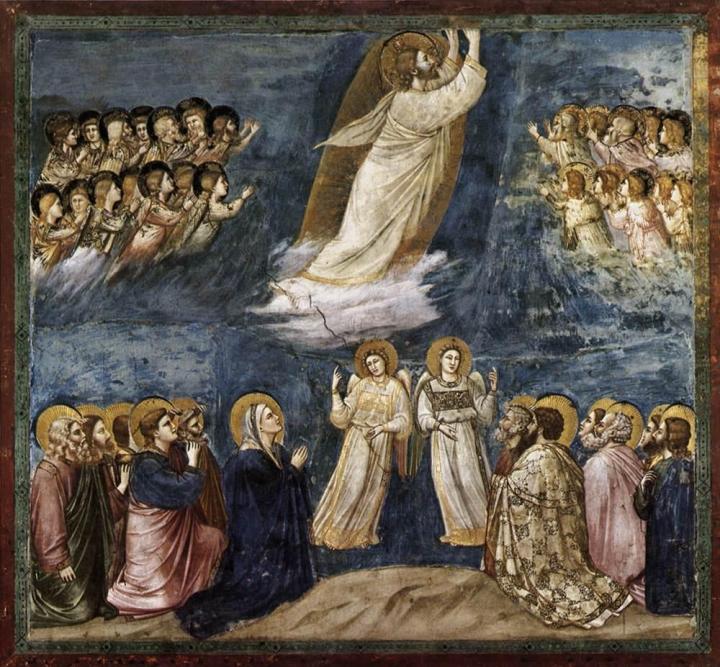
Today can often feel a somewhat strange day, a day of slightly mixed emotions, and this year more than most, when we are not able to be together to pray, to worship Almighty God, and be nourished with Holy Communion. We are not celebrating Jesus’ departure from the earth, but His return to God the Father, Christ’s abiding presence with us, and what He asks of us, and promises to us. It is a day of celebration and expectation, looking forward to the future in love and hope. 

The disciples have had six weeks to used to the fact that Jesus has risen from the dead, having carried the burden of our sins and experienced the pain and estrangement which separates God and humanity. That wound has been healed by His glorious wounds. Before Jesus returns to the Father, He makes the apostles a promise: they will be baptized with the Holy Spirit (Acts 1:4), receive power, and be Christ’s witnesses to the ends of the earth (Acts 1:8). Christ is looking forward to Pentecost, to the church’s future, in which we live now.

In Matthew’s Gospel, before Jesus leaves the apostles, He gives them a commission, they are sent out to do something together. Jesus begins (Mt 28:18) by stating that all authority in heaven and earth has been given to Him. He is God, God is sovereign, and rules over everything, and it reminds us of the moment during Christ’s temptation by the devil, before the start of His public ministry, which we read on the First Sunday of Lent. The devil offers the world to Jesus, but it is not his to give, it belongs to God, who created it. Our worship is rooted in the fact that we have a relationship with a God who made us, redeemed us, and loves us. 

Jesus tells the apostles (28:19) to go and make disciples of all nations, baptizing them in the name of the Father, and of the Son, and of the Holy Spirit. The church exists to be sent out to make disciples. Baptism is what makes us Christians. In it we share in Christ’s life, death, and Resurrection, and through it God gives us the virtues of Faith, Hope, and Love. Through our faith in God: Father, Son, and Holy Spirit, filled with the hope of heaven, our supernatural end, to enjoy the vision of God, who is love. Loving God and our neighbour, this is the very heart of the proclamation of the Good News of the Kingdom, along with the call of Jesus and John the Baptist that we should ‘Repent and believe the Gospel, and be baptised’. For two thousand years our message has been the same. 

Jesus tells the apostles to teach us all that He has commanded them (28:20). The Church is called to hand on what has been delivered to it, this is tradition, and it stops us from making mistakes, by deviating from what Christ teaches us through the Church. Our religion makes demands of us, and calls us to be faithful to the apostles’ teaching, and to live it out in our lives, putting theory into practice and becoming living witnesses of the Kingdom. This is difficult, and it is where Christians fall down most often. But the Good News is that in Christ we have forgiveness of sin. We can repent, and turn away from our mistakes, and turn back to a God who loves us. We are not abandoned or cast aside, but embraced in love. 

Finally Jesus says to the apostles, ‘Behold I am with you always, to the end of the age.’ (28:20) Christ is with us. How? In four ways: first in Scripture, the Word of God, which speaks of Christ, and finds its fulfilment in Him. It is true, and the source of truth. He is with us in the Sacraments, outward visible signs of the inward spiritual grace God pours out upon us, to fill us with His love. He is with us in the Holy Spirit which he pours out upon us, to strengthen us, and fill us with love. And finally He is with us in the Church, which is His Body, where we are united with Christ, in a relationship with Him, and each other. 

Jesus makes promises which are true. We can trust Him, and like the apostles we can prepare for the Coming of the Holy Spirit at Pentecost in prayer, and joyful expectation, knowing that we will never be abandoned, but that we are always united to, and loved by God the Father, God the Son, and God the Holy Spirit, to whom be ascribed as it most right and just, all might, majesty, glory, dominion, and power, now and forever. Amen

giotto_di_bondone_-_no._38_scenes_from_the_life_of_christ_-_22._ascension_-_wga09226

Homily for the Ascension (Acts 1:1-11 Eph 1:17-23 Mt 28:16-20)

Today can often feel a somewhat strange day, a day of slightly mixed emotions, and this year more than most, when we are not able to be together to pray, to worship Almighty God, and be nourished with Holy Communion. We are not celebrating Jesus’ departure from the earth, but His return to God the Father, Christ’s abiding presence with us, and what He asks of us, and promises to us. It is a day of celebration and expectation, looking forward to the future in love and hope. 

The disciples have had six weeks to used to the fact that Jesus has risen from the dead, having carried the burden of our sins and experienced the pain and estrangement which separates God and humanity. That wound has been healed by His glorious wounds. Before Jesus returns to the Father, He makes the apostles a promise: they will be baptized with the Holy Spirit (Acts 1:4), receive power, and be Christ’s witnesses to the ends of the earth (Acts 1:8). Christ is looking forward to Pentecost, to the church’s future, in which we live now.

In Matthew’s Gospel, before Jesus leaves the apostles, He gives them a commission, they are sent out to do something together. Jesus begins (Mt 28:18) by stating that all authority in heaven and earth has been given to Him. He is God, God is sovereign, and rules over everything, and it reminds us of the moment during Christ’s temptation by the devil, before the start of His public ministry, which we read on the First Sunday of Lent. The devil offers the world to Jesus, but it is not his to give, it belongs to God, who created it. Our worship is rooted in the fact that we have a relationship with a God who made us, redeemed us, and loves us. 

Jesus tells the apostles (28:19) to go and make disciples of all nations, baptizing them in the name of the Father, and of the Son, and of the Holy Spirit. The church exists to be sent out to make disciples. Baptism is what makes us Christians. In it we share in Christ’s life, death, and Resurrection, and through it God gives us the virtues of Faith, Hope, and Love. Through our faith in God: Father, Son, and Holy Spirit, filled with the hope of heaven, our supernatural end, to enjoy the vision of God, who is love. Loving God and our neighbour, this is the very heart of the proclamation of the Good News of the Kingdom, along with the call of Jesus and John the Baptist that we should ‘Repent and believe the Gospel, and be baptised’. For two thousand years our message has been the same. 

Jesus tells the apostles to teach us all that He has commanded them (28:20). The Church is called to hand on what has been delivered to it, this is tradition, and it stops us from making mistakes, by deviating from what Christ teaches us through the Church. Our religion makes demands of us, and calls us to be faithful to the apostles’ teaching, and to live it out in our lives, putting theory into practice and becoming living witnesses of the Kingdom. This is difficult, and it is where Christians fall down most often. But the Good News is that in Christ we have forgiveness of sin. We can repent, and turn away from our mistakes, and turn back to a God who loves us. We are not abandoned or cast aside, but embraced in love. 

Finally Jesus says to the apostles, ‘Behold I am with you always, to the end of the age.’ (28:20) Christ is with us. How? In four ways: first in Scripture, the Word of God, which speaks of Christ, and finds its fulfilment in Him. It is true, and the source of truth. He is with us in the Sacraments, outward visible signs of the inward spiritual grace God pours out upon us, to fill us with His love. He is with us in the Holy Spirit which he pours out upon us, to strengthen us, and fill us with love. And finally He is with us in the Church, which is His Body, where we are united with Christ, in a relationship with Him, and each other. 

Jesus makes promises which are true. We can trust Him, and like the apostles we can prepare for the Coming of the Holy Spirit at Pentecost in prayer, and joyful expectation, knowing that we will never be abandoned, but that we are always united to, and loved by God the Father, God the Son, and God the Holy Spirit, to whom be ascribed as it most right and just, all might, majesty, glory, dominion, and power, now and forever. Amen

giotto_di_bondone_-_no._38_scenes_from_the_life_of_christ_-_22._ascension_-_wga09226

Sunday, 5 January 2020

Epiphany

Imagine the scene, you’ve given birth to a baby and are sheltering with the animals for warmth. First shepherds come to see you, and then rich noble astronomers from hundreds of miles away. It is strange, and out of the ordinary. But then this is no ordinary baby, quite the opposite in fact. Today he is made manifest to all the World. 

The opening words of Isaiah 61, ‘Arise, shine, for your light has come, and the glory of the Lord has risen upon you’ (Isa 61:1 ESV) foretells the star which leads the Wise Men to Jesus. It shines as a light in the darkness, and points to Him who is the light of the World, a light which the world cannot understand or overcome. He is the Light of the World, in Him our salvation has arisen, a light which can never be put out. The nations shall come to His light, Christ is made manifest to the gentiles, made clear, and obvious. Kings come to the brightness of His rising, and they bring gold, and frankincense, and myrrh. They come to honour Christ, who is priest, prophet, and King. They come to worship God made man; they come to pay their homage to the Saviour born among them. They come with camels and bringing gold and frankincense to worship their king and their God. They come to Bethlehem, and not to a royal palace, or a throne. This is what true kingship is, true love, that of God and not of humanity.

The wise men bring Jesus gifts: gold, frankincense, and myrrh. These are and always have been expensive, costly, and precious things. Gold, is a precious metal, which does not tarnish, which is pure. It is a gift for a King: its purity points to a life of perfect obedience, the pattern of how life should be lived. Incense, from Arabia, was offered to God in the Temple in Jerusalem, as the sweet-smelling smoke rose, it looked like our prayers rising to God. It is a sign of worship, a sign of honour, and how humanity should respond to God. Myrrh, often used in the ointment was part of embalming, it speaks of death. Even in Christ’s birth, and appearance to the Gentiles, we see Christ’s kingly power, and his obedience to the will of the Father. We see His role in worship as our great High Priest, which leads Him to Death and Burial

Everything then points to the Cross, where Christ will shed his blood for love of us, where he will die to reconcile us to God. It is an act of pure, self-giving love, which we as Christians celebrate. It’s why we come to the Eucharist, to share in Christ’s body and blood, to be fed by him, with him, and to become what he is.

The Wise Men in the East saw a conjunction of the planets Jupiter, Saturn and Mars in the constellation Pisces, which was believed to represent the Jews , which coincided with a comet moving in the sky. So, on the basis of their observations they travelled hundred of miles to Israel, the land of the Jews, and go to the royal palace in Jerusalem, to find out what is going on. Creation announces, through the movement of the stars and planets that something wonderful is happening. 

The incarnation of the Son of God is the pivotal event in earth’s history: through it salvation has dawned, and humanity is offered freedom and new life in this little child. He is proclaimed to all the world as the King of the Jews and the Saviour of the World, the Messiah. Herod’s reaction was fear of being overthrown which leads him to murder the newborn children in Bethlehem in order to safeguard his position. The world’s reaction is more complex. Mostly it is indifference, nowadays. At its root is pessimism for the future: things will just get worse, they cannot get better. But in Christ a new hope has dawned. We can have hope because Christ is born and made manifest to the world. When the Wise Men saw the star they rejoiced exceedingly with great joy, and they came, and they fell down, knelt and worshipped him, because he was God become man in the womb of a Virgin. Our salvation is made manifest to the world, the whole of creation rejoices that God is with us. It is a great reason for joy, and the joy of the Lord is our strength (cf. Nehemiah 8:10) 

So let us rejoice like the Wise Men, let us come like them to kneel before the Lord, born in our midst.  The Wise Men come and kneel and they worship and adore the Lord of creation and the Word of God Incarnate. The King of all is not in a Palace but in a simple house in Bethlehem, and He meets us here today under the outward forms of Bread and Wine, to heal us, to restore us, and to give us life in Him. Let us come before Him, offer Him the gifts of our life, and our love, and our service so that we may see His Kingdom grow.

As we celebrate the Epiphany we also look forward to Our Lord’s Baptism in the River Jordan and his first miracle at the Wedding at Cana. He who is without sin shows humanity how to be freed from sin and to have new life in Him. In turning water into wine we see that the kingdom of God is a place of generous love, a place of joy, and of life in all its fullness.

So let us be filled with joy and love, may we live lives of joy, and love, and service of God and one another, which proclaim in word and deed the love of God to the world, that it may believe: so that all creation may resound with the praise of God the Father, God the Son, and God the Holy Spirit, to whom be ascribed as is most right and just, all might, majesty, glory, dominion, and power, now and forever. Amen

Botticelli_-_Adoration_of_the_Magi_(Zanobi_Altar)_-_Uffizi.jpg

Epiphany

Imagine the scene, you’ve given birth to a baby and are sheltering with the animals for warmth. First shepherds come to see you, and then rich noble astronomers from hundreds of miles away. It is strange, and out of the ordinary. But then this is no ordinary baby, quite the opposite in fact. Today he is made manifest to all the World. 

The opening words of Isaiah 61, ‘Arise, shine, for your light has come, and the glory of the Lord has risen upon you’ (Isa 61:1 ESV) foretells the star which leads the Wise Men to Jesus. It shines as a light in the darkness, and points to Him who is the light of the World, a light which the world cannot understand or overcome. He is the Light of the World, in Him our salvation has arisen, a light which can never be put out. The nations shall come to His light, Christ is made manifest to the gentiles, made clear, and obvious. Kings come to the brightness of His rising, and they bring gold, and frankincense, and myrrh. They come to honour Christ, who is priest, prophet, and King. They come to worship God made man; they come to pay their homage to the Saviour born among them. They come with camels and bringing gold and frankincense to worship their king and their God. They come to Bethlehem, and not to a royal palace, or a throne. This is what true kingship is, true love, that of God and not of humanity.

The wise men bring Jesus gifts: gold, frankincense, and myrrh. These are and always have been expensive, costly, and precious things. Gold, is a precious metal, which does not tarnish, which is pure. It is a gift for a King: its purity points to a life of perfect obedience, the pattern of how life should be lived. Incense, from Arabia, was offered to God in the Temple in Jerusalem, as the sweet-smelling smoke rose, it looked like our prayers rising to God. It is a sign of worship, a sign of honour, and how humanity should respond to God. Myrrh, often used in the ointment was part of embalming, it speaks of death. Even in Christ’s birth, and appearance to the Gentiles, we see Christ’s kingly power, and his obedience to the will of the Father. We see His role in worship as our great High Priest, which leads Him to Death and Burial

Everything then points to the Cross, where Christ will shed his blood for love of us, where he will die to reconcile us to God. It is an act of pure, self-giving love, which we as Christians celebrate. It’s why we come to the Eucharist, to share in Christ’s body and blood, to be fed by him, with him, and to become what he is.

The Wise Men in the East saw a conjunction of the planets Jupiter, Saturn and Mars in the constellation Pisces, which was believed to represent the Jews , which coincided with a comet moving in the sky. So, on the basis of their observations they travelled hundred of miles to Israel, the land of the Jews, and go to the royal palace in Jerusalem, to find out what is going on. Creation announces, through the movement of the stars and planets that something wonderful is happening. 

The incarnation of the Son of God is the pivotal event in earth’s history: through it salvation has dawned, and humanity is offered freedom and new life in this little child. He is proclaimed to all the world as the King of the Jews and the Saviour of the World, the Messiah. Herod’s reaction was fear of being overthrown which leads him to murder the newborn children in Bethlehem in order to safeguard his position. The world’s reaction is more complex. Mostly it is indifference, nowadays. At its root is pessimism for the future: things will just get worse, they cannot get better. But in Christ a new hope has dawned. We can have hope because Christ is born and made manifest to the world. When the Wise Men saw the star they rejoiced exceedingly with great joy, and they came, and they fell down, knelt and worshipped him, because he was God become man in the womb of a Virgin. Our salvation is made manifest to the world, the whole of creation rejoices that God is with us. It is a great reason for joy, and the joy of the Lord is our strength (cf. Nehemiah 8:10) 

So let us rejoice like the Wise Men, let us come like them to kneel before the Lord, born in our midst.  The Wise Men come and kneel and they worship and adore the Lord of creation and the Word of God Incarnate. The King of all is not in a Palace but in a simple house in Bethlehem, and He meets us here today under the outward forms of Bread and Wine, to heal us, to restore us, and to give us life in Him. Let us come before Him, offer Him the gifts of our life, and our love, and our service so that we may see His Kingdom grow.

As we celebrate the Epiphany we also look forward to Our Lord’s Baptism in the River Jordan and his first miracle at the Wedding at Cana. He who is without sin shows humanity how to be freed from sin and to have new life in Him. In turning water into wine we see that the kingdom of God is a place of generous love, a place of joy, and of life in all its fullness.

So let us be filled with joy and love, may we live lives of joy, and love, and service of God and one another, which proclaim in word and deed the love of God to the world, that it may believe: so that all creation may resound with the praise of God the Father, God the Son, and God the Holy Spirit, to whom be ascribed as is most right and just, all might, majesty, glory, dominion, and power, now and forever. Amen

Botticelli_-_Adoration_of_the_Magi_(Zanobi_Altar)_-_Uffizi.jpg

Sunday, 3 November 2019

Trinity XX

Last week the Gospel presented us with two people, a Pharisee and a tax-collector: one was a religious expert, a pillar of society, the other someone hated and despised. And yet, on the inside they were completely different – one was self-righteous, arrogant and full of himself, the other knew his need of God’s love and mercy. They show us what not to be and what we should be, and this week we see another one.

Zacchaeus is a chief tax collector; he is someone who was hated, who has got rich by over-charging people. He starts off just being curious – he wants to see what all the fuss is about, he wants to see Jesus. He can’t see over the crowds so he climbs up a sycamore tree. When Jesus sees him, he tells him to come down quickly as Our Lord has to stay at his house today. He hurries down and welcomes Jesus with joy, he’s glad to see Him, to welcome Jesus into his house.

The crowd are a bit miffed – they say, ‘Ooh … look at Him, what’s he going to that man’s house for?’ They just can’t see beyond outward appearances, they judge him – they just see a sinner, they don’t see someone who wants to see Jesus and love Him. The simple presence of Jesus has a transformative effect on Zacchaeus, he gives away half of his property to the poor and promises to repay those whom he has defrauded and to give them compensation. The Son of Man has come to seek out and save the lost – to show people that there is another way. This is the love of God in action – this is what happens on the Cross – God shows us the transforming power of His love, love shown to the un-loveable, so that they might become lovely.

It is an idea which can be found in scripture – this morning’s first reading shows us that God is loving and merciful, and that God’s love and mercy can have an effect on our lives, if we trust in Him, if we invite Him in, so that his transforming love can be at work in our lives, and ‘may make you worthy of his calling and may fulfil every resolve for good and every work of faith by his power, so that the name of our Lord Jesus may be glorified in you, and you in him, according to the grace of our God and the Lord Jesus Christ.’ (1Thess 1:11–12) It is through God’s grace, an undeserved gift, that people like Zacchaeus can be transformed, transformed by God and for God, and what was true for him is true for us, here, today.

That is why, as Christians, we pray, why we come to Mass each and every week to be fed by word and sacrament, so that God’s grace and transforming love may be at work in us, transforming our nature, making us more like Him. Everything that we say or think or do in our lives needs to be an outworking of our faith, so that our exterior life and our interior life are in harmony with each other – so that our lives, like St Paul’s, may proclaim the Gospel. This is what we are called to, and how we are to live. Unless we start from the point where we know our need of God and rely upon him, where we too make that space where God can be at work in us, in our souls and our lives, we are doomed.

Is this the kind of life we really want to lead? Is this really the path of human flourishing? Or are we called to something better, something greater, something more lovely? So let us put our trust in the God who loves us and who saves us, let us know our need of him and his transforming grace to fill our lives and transform all of his creation so that the world  may believe and be transformed to sing the praise of God the Father, God the Son, and God the Holy Spirit, to whom be ascribed as is most right and just all might, majesty, glory, dominion, and power, now and forever.

Trinity XX

Last week the Gospel presented us with two people, a Pharisee and a tax-collector: one was a religious expert, a pillar of society, the other someone hated and despised. And yet, on the inside they were completely different – one was self-righteous, arrogant and full of himself, the other knew his need of God’s love and mercy. They show us what not to be and what we should be, and this week we see another one.

Zacchaeus is a chief tax collector; he is someone who was hated, who has got rich by over-charging people. He starts off just being curious – he wants to see what all the fuss is about, he wants to see Jesus. He can’t see over the crowds so he climbs up a sycamore tree. When Jesus sees him, he tells him to come down quickly as Our Lord has to stay at his house today. He hurries down and welcomes Jesus with joy, he’s glad to see Him, to welcome Jesus into his house.

The crowd are a bit miffed – they say, ‘Ooh … look at Him, what’s he going to that man’s house for?’ They just can’t see beyond outward appearances, they judge him – they just see a sinner, they don’t see someone who wants to see Jesus and love Him. The simple presence of Jesus has a transformative effect on Zacchaeus, he gives away half of his property to the poor and promises to repay those whom he has defrauded and to give them compensation. The Son of Man has come to seek out and save the lost – to show people that there is another way. This is the love of God in action – this is what happens on the Cross – God shows us the transforming power of His love, love shown to the un-loveable, so that they might become lovely.

It is an idea which can be found in scripture – this morning’s first reading shows us that God is loving and merciful, and that God’s love and mercy can have an effect on our lives, if we trust in Him, if we invite Him in, so that his transforming love can be at work in our lives, and ‘may make you worthy of his calling and may fulfil every resolve for good and every work of faith by his power, so that the name of our Lord Jesus may be glorified in you, and you in him, according to the grace of our God and the Lord Jesus Christ.’ (1Thess 1:11–12) It is through God’s grace, an undeserved gift, that people like Zacchaeus can be transformed, transformed by God and for God, and what was true for him is true for us, here, today.

That is why, as Christians, we pray, why we come to Mass each and every week to be fed by word and sacrament, so that God’s grace and transforming love may be at work in us, transforming our nature, making us more like Him. Everything that we say or think or do in our lives needs to be an outworking of our faith, so that our exterior life and our interior life are in harmony with each other – so that our lives, like St Paul’s, may proclaim the Gospel. This is what we are called to, and how we are to live. Unless we start from the point where we know our need of God and rely upon him, where we too make that space where God can be at work in us, in our souls and our lives, we are doomed.

Is this the kind of life we really want to lead? Is this really the path of human flourishing? Or are we called to something better, something greater, something more lovely? So let us put our trust in the God who loves us and who saves us, let us know our need of him and his transforming grace to fill our lives and transform all of his creation so that the world  may believe and be transformed to sing the praise of God the Father, God the Son, and God the Holy Spirit, to whom be ascribed as is most right and just all might, majesty, glory, dominion, and power, now and forever.

Monday, 14 October 2019

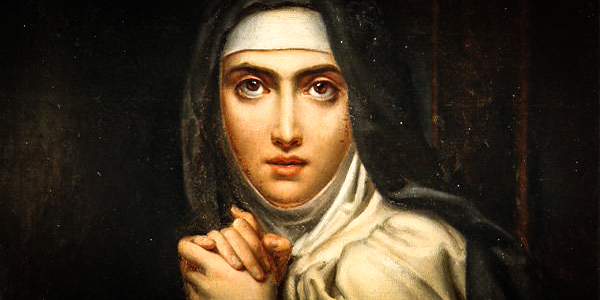
A thought from S. Teresa of Avila

Beware, daughters, of a certain kind of humility suggested by the devil which is accompanied by great anxiety about the gravity of our sins.

He disturbs souls in many ways by this means, until at last he stops them from receiving Holy Communion and from private prayer by doubts as to whether they are in a fit state for it, and such thoughts as: ‘Am I worthy of it? Am I in a good disposition?I am unfit to live in a religious community. ‘

Thus Christians are hindered from prayer, and when they communicate, the time during which they ought to be obtaining graces is spent in wondering whether they are well prepared or no.

Everything such a person says seems to her on the verge of evil, and all her actions appear fruitless, however good they are in themselves. She becomes discouraged and unable to do any good, for what is right in others she fancies is wrong in herself.

When you are in this state, turn your mind so far as you can from your misery and fix it on the mercy of God, his love for us, and all that He suffered for our sake.

The Way of Perfection 39:1, 3

web3-saint-theresa-avila-public-domain.jpg

A thought from S. Teresa of Avila

Beware, daughters, of a certain kind of humility suggested by the devil which is accompanied by great anxiety about the gravity of our sins.

He disturbs souls in many ways by this means, until at last he stops them from receiving Holy Communion and from private prayer by doubts as to whether they are in a fit state for it, and such thoughts as: ‘Am I worthy of it? Am I in a good disposition?I am unfit to live in a religious community. ‘

Thus Christians are hindered from prayer, and when they communicate, the time during which they ought to be obtaining graces is spent in wondering whether they are well prepared or no.

Everything such a person says seems to her on the verge of evil, and all her actions appear fruitless, however good they are in themselves. She becomes discouraged and unable to do any good, for what is right in others she fancies is wrong in herself.

When you are in this state, turn your mind so far as you can from your misery and fix it on the mercy of God, his love for us, and all that He suffered for our sake.

The Way of Perfection 39:1, 3

web3-saint-theresa-avila-public-domain.jpg

Saturday, 20 July 2019

15th Sunday of Year C – The Good Samaritan

We all love having someone to blame: foreigners, immigrants, economic migrants, politicians, especially politicians, they’re particularly good! There is something about the human condition which makes us love having someone to blame other than ourselves. Someone to point the finger at, as long as it is not US! The Ancient Jews were no different. And generally speaking they blamed the Samaritans. They hadn’t gone into exile to Babylon, they’d stayed and intermarried. They weren’t pure, and they worshipped in the wrong place: on Mt Gerazim, rather than Mt Zion, Jerusalem.

So in this morning’s Gospel a lawyer stands up and tries to test Jesus. The lawyer understands the law of Moses, and quotes from Deuteronomy and Leviticus to get to the heart of the matter, loving God, and loving your neighbour. Quite simple and straightforward.

But that’s not enough for our legal friend. He’s competitive. He wants to win this encounter with a Galilean rabbi. So, he asks Jesus to define his terms. And so Our Lord tells him a story. The road which snaked its way down from Jerusalem was steep and windy. It was very easy for a single traveller to fall prey to robbers or bandits. The priest and the Levite, not knowing if the man is alive or not just pass by. They don’t want to risk becoming impure by touching a dead body. So a Samaritan, an outcast, someone the Jews loved to hate, stops, has pity on him, and saves his life. But he’s beyond the pale! It’s just not right! He’s been saved by an outcast, someone who isn’t ‘one of us’. The Samaritan doesn’t care. He simply sees someone in need, and helps them. That’s all! He demonstrates love and care. And that’s what matters.

God is a God of Love and Grace, generous in ways which we can never fully understand. Ours is a God who gives His Only Son to die the death of a common criminal, for love of us, to bear our sins, to heal our wounds, and heal the world of its brokenness. That’s how much God loves us, and longs to see us healed. That’s why the Sacrifice of Calvary will be represented here, this morning, so that we can be fed with the Body and Blood of Christ, to heal us, and transform us, so that we might become what Christ is. On the Cross, Christ becomes the outcast to save us, to make us free form the power of sin and death. He binds up our wounds, not pouring on oil and wine, but His own Blood to heal us. He saves us from the brigands of sin and death, so that we might know God’s love and grace, and our lives might be transformed.

This happens in the Church: here is the place of transformation, the place of healing, where we experience the grace of God in the Sacraments. The Word is very near to us here, the Word made flesh who reconciles humanity to God, making peace by the blood of His Cross. We are transformed by Christ and into Christ, so that we too may ‘go and do likewise’ and be agents of God’s love and grace in the world, to transform our communities, and all the world. To fill it with God’s love and compassion. It’s a radical vision, and a work in progress: loving, forgiving, healing, reconciling. And it’s what the Kingdom of God looks like in reality — lived out in people’s lives. It’s what Jesus tells the lawyer to do: ‘Go and do likewise.’

Is it easy? By no means! Do we all have to do it? Yes! And we have to support each other as we do it. It’s a communal effort, for the entire baptised people of God, across space and time. In Christ, God’s grace has been poured out upon us, costly, self-giving love, which we accept when we repent and turn away from sin, and turn back to God, acknowledging our failures and weaknesses, and asking God to transform us. This leads us ti become more generous, loving, and forgiving of others (and ourselves), thankful people, who are generous, who ‘go and do likewise’ and that’s the HARD bit, actually doing it. It’s easy to talk about doing it. Doing it is difficult and costly, and that’s the point. It’s why we need a community, nourished by Word and Sacrament to support us as we try to do it together. Helping us to shoulder the burden, and picking us up when we fall. It’s supposed to be a communal thing, so that we help each other become saints. This is the Christian vision of the world. It looks radical. It isn’t selfish, or obsessed with power or wealth. The Church doesn’t look like this. But that’s ok, because we can transform both the Church and the World, so that they look the way God wants them to look: filled with loving and generous people who are, by God’s grace, making the Kingdom of God a reality here and now. Preparing us all for the joy of heaven, and inviting others to share in that joy so that all people may sing the praises of to God the Father, God the Son, and God the Holy Spirit, to whom be ascribed as is most right and just all might, majesty, glory, dominion, and power, now and forever. Amen

image.png

15th Sunday of Year C – The Good Samaritan

We all love having someone to blame: foreigners, immigrants, economic migrants, politicians, especially politicians, they’re particularly good! There is something about the human condition which makes us love having someone to blame other than ourselves. Someone to point the finger at, as long as it is not US! The Ancient Jews were no different. And generally speaking they blamed the Samaritans. They hadn’t gone into exile to Babylon, they’d stayed and intermarried. They weren’t pure, and they worshipped in the wrong place: on Mt Gerazim, rather than Mt Zion, Jerusalem.

So in this morning’s Gospel a lawyer stands up and tries to test Jesus. The lawyer understands the law of Moses, and quotes from Deuteronomy and Leviticus to get to the heart of the matter, loving God, and loving your neighbour. Quite simple and straightforward.

But that’s not enough for our legal friend. He’s competitive. He wants to win this encounter with a Galilean rabbi. So, he asks Jesus to define his terms. And so Our Lord tells him a story. The road which snaked its way down from Jerusalem was steep and windy. It was very easy for a single traveller to fall prey to robbers or bandits. The priest and the Levite, not knowing if the man is alive or not just pass by. They don’t want to risk becoming impure by touching a dead body. So a Samaritan, an outcast, someone the Jews loved to hate, stops, has pity on him, and saves his life. But he’s beyond the pale! It’s just not right! He’s been saved by an outcast, someone who isn’t ‘one of us’. The Samaritan doesn’t care. He simply sees someone in need, and helps them. That’s all! He demonstrates love and care. And that’s what matters.

God is a God of Love and Grace, generous in ways which we can never fully understand. Ours is a God who gives His Only Son to die the death of a common criminal, for love of us, to bear our sins, to heal our wounds, and heal the world of its brokenness. That’s how much God loves us, and longs to see us healed. That’s why the Sacrifice of Calvary will be represented here, this morning, so that we can be fed with the Body and Blood of Christ, to heal us, and transform us, so that we might become what Christ is. On the Cross, Christ becomes the outcast to save us, to make us free form the power of sin and death. He binds up our wounds, not pouring on oil and wine, but His own Blood to heal us. He saves us from the brigands of sin and death, so that we might know God’s love and grace, and our lives might be transformed.

This happens in the Church: here is the place of transformation, the place of healing, where we experience the grace of God in the Sacraments. The Word is very near to us here, the Word made flesh who reconciles humanity to God, making peace by the blood of His Cross. We are transformed by Christ and into Christ, so that we too may ‘go and do likewise’ and be agents of God’s love and grace in the world, to transform our communities, and all the world. To fill it with God’s love and compassion. It’s a radical vision, and a work in progress: loving, forgiving, healing, reconciling. And it’s what the Kingdom of God looks like in reality — lived out in people’s lives. It’s what Jesus tells the lawyer to do: ‘Go and do likewise.’

Is it easy? By no means! Do we all have to do it? Yes! And we have to support each other as we do it. It’s a communal effort, for the entire baptised people of God, across space and time. In Christ, God’s grace has been poured out upon us, costly, self-giving love, which we accept when we repent and turn away from sin, and turn back to God, acknowledging our failures and weaknesses, and asking God to transform us. This leads us ti become more generous, loving, and forgiving of others (and ourselves), thankful people, who are generous, who ‘go and do likewise’ and that’s the HARD bit, actually doing it. It’s easy to talk about doing it. Doing it is difficult and costly, and that’s the point. It’s why we need a community, nourished by Word and Sacrament to support us as we try to do it together. Helping us to shoulder the burden, and picking us up when we fall. It’s supposed to be a communal thing, so that we help each other become saints. This is the Christian vision of the world. It looks radical. It isn’t selfish, or obsessed with power or wealth. The Church doesn’t look like this. But that’s ok, because we can transform both the Church and the World, so that they look the way God wants them to look: filled with loving and generous people who are, by God’s grace, making the Kingdom of God a reality here and now. Preparing us all for the joy of heaven, and inviting others to share in that joy so that all people may sing the praises of to God the Father, God the Son, and God the Holy Spirit, to whom be ascribed as is most right and just all might, majesty, glory, dominion, and power, now and forever. Amen

image.png

Sunday, 7 July 2019

14th Sunday ofYear C

St Augustine hit the nail on the head when he wrote, ‘You have made us for yourself, O Lord, and our hearts are restless till they find their rest in You’ (Confessions 1:1). We are made for relationship with God and each other, which is why week after week we gather together as Christians. We long for communion with God and each other, and we know instinctively, at the deepest level of our being, that is how we are meant to be. God longs to see humanity flourish, and live as it should. As Jesus says, ‘The thief comes only to steal and kill and destroy; I came that they may have life, and have it abundantly.’ ((Jn 10:10 RSV) Thus at the end of St Paul’s Letter to the Church in Galatia, he sums up the message of his letter, God has given us freedom, let us use it to do good things, and put our faith into practice. Don’t do things so that people will praise you, but do what God wants, sow the Spirit, and reap eternal life. God wants us to be generous and loving people because that’s what life in all its fulness looks like. We can live the life of heaven here and now. You, and me, all of us, together, can, through what God has done in Christ, live this life together. We can make it a reality.

It’s very similar to the hopeful vision we see in this morning’s first reading from the prophet Isaiah. After the mourning, the exile, the destruction, we have a vision of returning home. To Jerusalem, a Jerusalem restored, and renewed, A New Jerusalem. It is a reason to be joyful, and celebrate. And the New Jerusalem Isaiah is looking forward to, is the Church. We see a church which nourishes, which feeds its people, to heal them and give them strength. Truly the Church is our mother, as through her we are brought up in the Christian Faith. The imagery of streams and rivers reminds us that we enter the Church through baptism. We are washed clean, and given new life in Christ. In baptism and the Eucharist we drink deeply with delight from the abundance of Glory. Because in both we are united with Jesus Christ and His Saving Death upon the Cross. His Blood washes us clean. The church as our mother comforts us, like a mother, because she can give us the one thing that brings all comfort and consolation: God himself. God loves us, God dies for us, and is raised to new life, so that we might live in Him. God heals our wounds. The Kingdom of God is a place of healing because of what Christ has done. He has demonstrated one, and for all, how much God loves us. We see Isaiah’s prophecy fulfilled in Luke’s Gospel, where the sick are healed. ‘The kingdom of God has come near to you.’ What wonderful words to hear! They are a reality. Because the church is a place of comfort, and nurture, where God’s love can be experienced, His healing love.

It is freely given and can be rejected. That’s what freedom means. We’re not forced to accept it. God isn’t a tyrant. People are free to reject the good news of the Kingdom, to reject the healing offered by Christ and His Church. It sounds hard, and it is. But the seventy are sent out as lambs among wolves, into a world that is difficult and which is ready to reject Christ, and attack those who follow Him. But we are still supposed to be loving and joyful, and proclaim the nearness of the Kingdom to those who reject it. Thus God never abandons humanity, it is humanity which turns away, and even in that the possibility is left open for repentance. Ours is the hopeful message of a loving and healing God, and we ourselves are testament to the power of God’s love to change people. It’s a powerful thing, knowing that God can take you, and transform you, in ways you might never expect or imagine. But it happens, here and all around the world, so that the saving truth might continue to be proclaimed by word and deed, and when bad times come to that when we experience these we are united to the sufferings of Christ. We share in His Passion, not for our good, but for the love of the world. Christ suffers for love of us, so when we share in His Suffering, we also share in His Love, a love which transforms, which turns Saul into Paul, an enemy of the Church into its greatest evangelist and missionary, a man who signs of a letter to a new Christian community in his own hand writing in LARGE letters to mark out the importance of what he has to say, ‘far be it from me to boast except in the cross of our Lord Jesus Christ …. a new creation’. The only reason Paul, or anyone of us can boast is in Christ, and His Cross, through which we are saved and made free. Such is the power of the Cross, it saves humanity, it frees us from our sins, and gives us new life in Christ. This is the cause of our joy, our rejoicing. This is the fulfilment of Isaiah’s prophecy. This is humanity’s consolation. In this we are comforted. And that same sacrifice will be made present on the altar, so that we can feast on Christ’s Body and Blood, to be healed and restored by Him, and with Him. So let us come and experience God’s healing love, and share it with others that they too may know the power of His love in their lives. Let them experience it, so that they and all creation may give praise to to God the Father, God the Son, and God the Holy Spirit, to whom be ascribed as is most right and just all might, majesty, glory, dominion, and power, now and forever.

14th Sunday ofYear C

St Augustine hit the nail on the head when he wrote, ‘You have made us for yourself, O Lord, and our hearts are restless till they find their rest in You’ (Confessions 1:1). We are made for relationship with God and each other, which is why week after week we gather together as Christians. We long for communion with God and each other, and we know instinctively, at the deepest level of our being, that is how we are meant to be. God longs to see humanity flourish, and live as it should. As Jesus says, ‘The thief comes only to steal and kill and destroy; I came that they may have life, and have it abundantly.’ ((Jn 10:10 RSV) Thus at the end of St Paul’s Letter to the Church in Galatia, he sums up the message of his letter, God has given us freedom, let us use it to do good things, and put our faith into practice. Don’t do things so that people will praise you, but do what God wants, sow the Spirit, and reap eternal life. God wants us to be generous and loving people because that’s what life in all its fulness looks like. We can live the life of heaven here and now. You, and me, all of us, together, can, through what God has done in Christ, live this life together. We can make it a reality.

It’s very similar to the hopeful vision we see in this morning’s first reading from the prophet Isaiah. After the mourning, the exile, the destruction, we have a vision of returning home. To Jerusalem, a Jerusalem restored, and renewed, A New Jerusalem. It is a reason to be joyful, and celebrate. And the New Jerusalem Isaiah is looking forward to, is the Church. We see a church which nourishes, which feeds its people, to heal them and give them strength. Truly the Church is our mother, as through her we are brought up in the Christian Faith. The imagery of streams and rivers reminds us that we enter the Church through baptism. We are washed clean, and given new life in Christ. In baptism and the Eucharist we drink deeply with delight from the abundance of Glory. Because in both we are united with Jesus Christ and His Saving Death upon the Cross. His Blood washes us clean. The church as our mother comforts us, like a mother, because she can give us the one thing that brings all comfort and consolation: God himself. God loves us, God dies for us, and is raised to new life, so that we might live in Him. God heals our wounds. The Kingdom of God is a place of healing because of what Christ has done. He has demonstrated one, and for all, how much God loves us. We see Isaiah’s prophecy fulfilled in Luke’s Gospel, where the sick are healed. ‘The kingdom of God has come near to you.’ What wonderful words to hear! They are a reality. Because the church is a place of comfort, and nurture, where God’s love can be experienced, His healing love.

It is freely given and can be rejected. That’s what freedom means. We’re not forced to accept it. God isn’t a tyrant. People are free to reject the good news of the Kingdom, to reject the healing offered by Christ and His Church. It sounds hard, and it is. But the seventy are sent out as lambs among wolves, into a world that is difficult and which is ready to reject Christ, and attack those who follow Him. But we are still supposed to be loving and joyful, and proclaim the nearness of the Kingdom to those who reject it. Thus God never abandons humanity, it is humanity which turns away, and even in that the possibility is left open for repentance. Ours is the hopeful message of a loving and healing God, and we ourselves are testament to the power of God’s love to change people. It’s a powerful thing, knowing that God can take you, and transform you, in ways you might never expect or imagine. But it happens, here and all around the world, so that the saving truth might continue to be proclaimed by word and deed, and when bad times come to that when we experience these we are united to the sufferings of Christ. We share in His Passion, not for our good, but for the love of the world. Christ suffers for love of us, so when we share in His Suffering, we also share in His Love, a love which transforms, which turns Saul into Paul, an enemy of the Church into its greatest evangelist and missionary, a man who signs of a letter to a new Christian community in his own hand writing in LARGE letters to mark out the importance of what he has to say, ‘far be it from me to boast except in the cross of our Lord Jesus Christ …. a new creation’. The only reason Paul, or anyone of us can boast is in Christ, and His Cross, through which we are saved and made free. Such is the power of the Cross, it saves humanity, it frees us from our sins, and gives us new life in Christ. This is the cause of our joy, our rejoicing. This is the fulfilment of Isaiah’s prophecy. This is humanity’s consolation. In this we are comforted. And that same sacrifice will be made present on the altar, so that we can feast on Christ’s Body and Blood, to be healed and restored by Him, and with Him. So let us come and experience God’s healing love, and share it with others that they too may know the power of His love in their lives. Let them experience it, so that they and all creation may give praise to to God the Father, God the Son, and God the Holy Spirit, to whom be ascribed as is most right and just all might, majesty, glory, dominion, and power, now and forever.

Saturday, 29 June 2019

SS Peter and Paul

The city of Rome is famous for many things, and chief among them is that the city is the final resting place of two of the Apostles, SS Peter and Paul. Both were martyred there during the persecution of the emperor Nero, in the aftermath of the Great Fire. They bore witness to their faith even to the point of death because it was that important to them. And while everyone knows St Peter’s on the Vatican Hill, built over the site of his tomb, many people do not even know that St Paul, the Apostle to the Gentiles is buried there too, just outside the City Walls, on the great road south to Capua, the Via Appia. While Paul is remembered for his letters and St Luke’s account of his missionary journeys in the Acts of the Apostles, his resting place attracts far fewer visitors and pilgrims.

Now I don’t know about you, but I for one, when faced with the saints, am confronted with my own sense of inadequacy and sinfulness. I just don’t think that I can live up to the example. I can’t quite come up to the mark. This need not, however, be such a bad thing insofar as it points out our need to rely entirely upon God, and to trust in His mercy and grace. To trust in God to work in and through me. To trust in something which I do not deserve, but which nonetheless is poured out on me, so that in all things God may be glorified.

There is something wonderfully transparent about St Peter: a man of imposing strength and stature, handy for the physically demanding life of a Galilean fisherman, a man of little learning (unlike St Paul) but much love and faith — a man who speaks before he thinks, but whose instincts are often right, a man who loves and trusts Jesus. Likewise St Paul goes from persecuting the Church to being the most zealous proclaimer of the Good News of Jesus Christ, through the power of God.

In this morning’s Gospel Jesus asks His disciples ‘Who do people say that the Son of Man is?’ They report what people are saying ‘Some say John the Baptist, but others Elijah, and still others Jeremiah or one of the prophets.’ Jesus then asks them the question ‘But who do you say that I am?’ The question He asks His disciples He asks each and every one of us ‘Who do we say that Jesus is?’ ‘A prophet?’ ‘A well-meaning holy man?’ ‘A misguided revolutionary?’

Peter’s answer is telling: ‘You are the Messiah, the Son of the living God’ Jesus is the Christ, the anointed Saviour, the one who saves and rules Israel, and the Son of God. Peter is the first to confess the divinity of Christ, the first to recognise his Lord and Saviour. We need to do the same: to have the same faith and trust and love, to recognise Christ and confess Him as Our Lord and God.

Jesus’ response is simple ‘you are Peter, and on this rock I will build my church, and the gates of Hades will not prevail against it. I will give you the keys of the kingdom of heaven, and whatever you bind on earth will be bound in heaven, and whatever you loose on earth will be loosed in heaven’ In his confession of the Divinity of Christ, in his reliance upon and trust in God, Peter is empowered to bear witness to the Messiah and to carry on God’s work of reconciliation. He will fail: in the verses which follow this passage he argues that Jesus should not suffer and die, and is rebuked. After Our Lord’s arrest Peter, the rock, will deny Jesus not once, not twice, but three times. After the Resurrection Peter will need to be reminded to ‘feed Christ’s sheep’. There is also the story that during the first persecution in Rome under Nero, Peter flees, he tries to save his own skin. And he sees Christ carrying His Cross towards Rome. So Peter turns back and in the end he bears witness to Christ, he feeds the flock, he values Christ above all things, and bears witness to Him even at the cost of his own life.

St Peter is not exactly the person one might choose to be in charge — that’s the point, he’s not a success, he doesn’t possess the skillset for management: he’s not a worldly leader, he probably wouldn’t get through the modern Church’s selection process (and that’s sadly telling). He’s basically a cowardly failure, someone who speaks before he thinks. But he’s someone who knows God, who loves Him, trusts Him, and confesses Him, who proclaims Him in word and deed. He’s someone that God can use and be at work in, to be a herald of the Kingdom.

Above all else, and despite his failings, Peter bears witness to Christ, and we the Church are called to do exactly the same, some two thousand years later: we are to be witnesses to Christ: who He is and what He does, so that we can proclaim the Gospel, the Good News of God’s saving love. That is why we are here today, this morning, to be nourished by Word and Sacrament – to be fed by Christ, with Christ, with His Body and Blood, to witness the re-presentation of the offering of the Son to the Father, the sacrifice of Calvary, which restores our relationship with God and each other, which takes away our sins, which pays the price which we cannot, which gives us the hope of eternal life in Christ, so that we like St Peter can be healed, restored, and forgiven and strengthened in soul and body for our work of witness, so that God may be at work in us, in the proclamation of His Kingdom.

So let us be like St Peter, and when we are asked ‘Who do you say that the Son of Man is?’ Let us confess that Jesus is the Son of God, the Messiah, the God who saves us and loves us, so that the world may believe and give glory to God the Father, God the Son, and God the Holy Spirit, to whom be ascribed as is most right and just all might, majesty, glory, dominion, and power, now and forever.

SS Peter and Paul

The city of Rome is famous for many things, and chief among them is that the city is the final resting place of two of the Apostles, SS Peter and Paul. Both were martyred there during the persecution of the emperor Nero, in the aftermath of the Great Fire. They bore witness to their faith even to the point of death because it was that important to them. And while everyone knows St Peter’s on the Vatican Hill, built over the site of his tomb, many people do not even know that St Paul, the Apostle to the Gentiles is buried there too, just outside the City Walls, on the great road south to Capua, the Via Appia. While Paul is remembered for his letters and St Luke’s account of his missionary journeys in the Acts of the Apostles, his resting place attracts far fewer visitors and pilgrims.

Now I don’t know about you, but I for one, when faced with the saints, am confronted with my own sense of inadequacy and sinfulness. I just don’t think that I can live up to the example. I can’t quite come up to the mark. This need not, however, be such a bad thing insofar as it points out our need to rely entirely upon God, and to trust in His mercy and grace. To trust in God to work in and through me. To trust in something which I do not deserve, but which nonetheless is poured out on me, so that in all things God may be glorified.

There is something wonderfully transparent about St Peter: a man of imposing strength and stature, handy for the physically demanding life of a Galilean fisherman, a man of little learning (unlike St Paul) but much love and faith — a man who speaks before he thinks, but whose instincts are often right, a man who loves and trusts Jesus. Likewise St Paul goes from persecuting the Church to being the most zealous proclaimer of the Good News of Jesus Christ, through the power of God.

In this morning’s Gospel Jesus asks His disciples ‘Who do people say that the Son of Man is?’ They report what people are saying ‘Some say John the Baptist, but others Elijah, and still others Jeremiah or one of the prophets.’ Jesus then asks them the question ‘But who do you say that I am?’ The question He asks His disciples He asks each and every one of us ‘Who do we say that Jesus is?’ ‘A prophet?’ ‘A well-meaning holy man?’ ‘A misguided revolutionary?’

Peter’s answer is telling: ‘You are the Messiah, the Son of the living God’ Jesus is the Christ, the anointed Saviour, the one who saves and rules Israel, and the Son of God. Peter is the first to confess the divinity of Christ, the first to recognise his Lord and Saviour. We need to do the same: to have the same faith and trust and love, to recognise Christ and confess Him as Our Lord and God.

Jesus’ response is simple ‘you are Peter, and on this rock I will build my church, and the gates of Hades will not prevail against it. I will give you the keys of the kingdom of heaven, and whatever you bind on earth will be bound in heaven, and whatever you loose on earth will be loosed in heaven’ In his confession of the Divinity of Christ, in his reliance upon and trust in God, Peter is empowered to bear witness to the Messiah and to carry on God’s work of reconciliation. He will fail: in the verses which follow this passage he argues that Jesus should not suffer and die, and is rebuked. After Our Lord’s arrest Peter, the rock, will deny Jesus not once, not twice, but three times. After the Resurrection Peter will need to be reminded to ‘feed Christ’s sheep’. There is also the story that during the first persecution in Rome under Nero, Peter flees, he tries to save his own skin. And he sees Christ carrying His Cross towards Rome. So Peter turns back and in the end he bears witness to Christ, he feeds the flock, he values Christ above all things, and bears witness to Him even at the cost of his own life.

St Peter is not exactly the person one might choose to be in charge — that’s the point, he’s not a success, he doesn’t possess the skillset for management: he’s not a worldly leader, he probably wouldn’t get through the modern Church’s selection process (and that’s sadly telling). He’s basically a cowardly failure, someone who speaks before he thinks. But he’s someone who knows God, who loves Him, trusts Him, and confesses Him, who proclaims Him in word and deed. He’s someone that God can use and be at work in, to be a herald of the Kingdom.

Above all else, and despite his failings, Peter bears witness to Christ, and we the Church are called to do exactly the same, some two thousand years later: we are to be witnesses to Christ: who He is and what He does, so that we can proclaim the Gospel, the Good News of God’s saving love. That is why we are here today, this morning, to be nourished by Word and Sacrament – to be fed by Christ, with Christ, with His Body and Blood, to witness the re-presentation of the offering of the Son to the Father, the sacrifice of Calvary, which restores our relationship with God and each other, which takes away our sins, which pays the price which we cannot, which gives us the hope of eternal life in Christ, so that we like St Peter can be healed, restored, and forgiven and strengthened in soul and body for our work of witness, so that God may be at work in us, in the proclamation of His Kingdom.

So let us be like St Peter, and when we are asked ‘Who do you say that the Son of Man is?’ Let us confess that Jesus is the Son of God, the Messiah, the God who saves us and loves us, so that the world may believe and give glory to God the Father, God the Son, and God the Holy Spirit, to whom be ascribed as is most right and just all might, majesty, glory, dominion, and power, now and forever.

Sunday, 23 June 2019

TWELFTH SUNDAY OF YEAR C (Zechariah 12:10-11, 13:1, Gal 3:26-29, Lk 9:18-24)

The Jews in Israel in the time of Jesus knew what to expect of a Messiah: he would be an anointed king, of the House of David, who will unite the peoples, rule them and usher in an age of peace. Peace and freedom was what the people desired. First the Persians, then the Greeks, and finally the Romans had taken control of their land. The Messiah was their only hope for peace and freedom.

In this morning’s Gospel Jesus asks His disciples a simple question, ‘Who do people say that I am?’.They reply, ‘Some say John the Baptist, others Elijah, or one of the prophets’. He then asks the question, ‘But who do YOU say that I am?’ Peter answers, ‘The Christ of God’ By this Peter means a Messiah in the traditional sense. But Jesus commands that they tell no-one about this, because He is not going to be that kind of Messiah. He will fulfil the prophecies, but not in the way people expect.

Today Christ asks the same question of each and every one of us. Who do we say Jesus is? What we say matters. What we believe matters, and affects our life. Jesus goes on to say that the Son of God must suffer many things, be rejected, be killed, and be raised on the third day. That’s all a bit strange, really. He’s the Messiah, the Anointed of God and yet He will be rejected by Israel.

Throughout Israel’s history recorded in the Bible the people have turned away from God, worshipped idols and false gods, and it looks like they will again. As Zechariah prophesied, ‘when they look on him whom they have pierced, they shall mourn for him, as one mourns for an only child, and weep bitterly over him, as one weeps over a first-born.’ (12:10) They will look on him whom they have pierced, on the Cross, on Calvary. But Zechariah goes on, ‘On that day there shall be a fountain opened for the house of David and the inhabitants of Jerusalem to cleanse them from sin and uncleanness.’ (13:1) Christ’s death will be the fountain to cleanse us from sin and uncleanness. This we experience in our baptism, in the confession of our sins, and in the Eucharist: the fulfilment of prophecy.

Zechariah points forward to Christ, the Word made flesh, the Word of God who fulfils God’s Word.

To those who come after Him, which includes us, Christ says, ‘let him deny himself and take up his cross daily and follow me. For whoever would save his life will lose it; and whoever loses his life for my sake, he will save it.’ (Lk 9:23-24) As those saved and made free by the Cross of Christ, we take up our cross and follow Christ. We imitate Him, in selfless love and devotion, and bear the weight of the cross in life’s difficulties and disappointments. Following Christ is hard, as we lose our lives for Christ’s sake. If it were not, we would be surprised. It’s a struggle, and we cannot rely upon ourselves to get through. Instead it needs to be a corporate effort, something we do together, as a Christian community, trusting in God. Trusting in His Grace to be at work in us, both individually and as a neighborhood.

So we have a very different kind of Messiah offering us a very different way of life, which we see expressed perfectly in St Paul’s Letter to the Galatians. As children of God we are in a relationship with our Heavenly Father. We are saved through our baptism where we put on Christ, we are clothed with Him, so that we can be transformed more and more into His likeness. Now all human distinctions disappear. They don’t matter, because we are all one IN CHRIST. That was a radical thing to say when Paul preached nearly two thousand years ago, and it still is today. We are all one in Christ: young and old, rich and poor. It doesn’t matter who we are, where we are from, or anything else. As Christians we are all one in Christ.

To a world that is concerned with wealth, privilege, education, popularity, and all sorts of worldly things, the Church says: none of this matters. None of it does, other than belonging to Christ. How refreshing! How deeply counter-cultural! We can counter the emptiness and the vanity of the world, and offer it something meaningful and wonderful: new life in Christ.

This is why Christ died for us. To heal us, and restore us, to make us free to live in Christ, and for Him. Christ wants us to lose our lives for His sake, and find freedom in His service. We need to be humble enough to accept what God offers us, and be prepared to try to live it together. It isn’t about us, but rather letting God be at work in us. We co-operate with God, and live in love, and joy, and peace. We flourish as human beings. It’s liberating. It is what God wants for us. This is what true freedom is like, and we can live it together. So let us, and thereby give glory to God the Father, God the Son, and God the Holy Spirit, to whom be ascribed as is most right and just all might, majesty, glory, dominion, and power, now and forever.