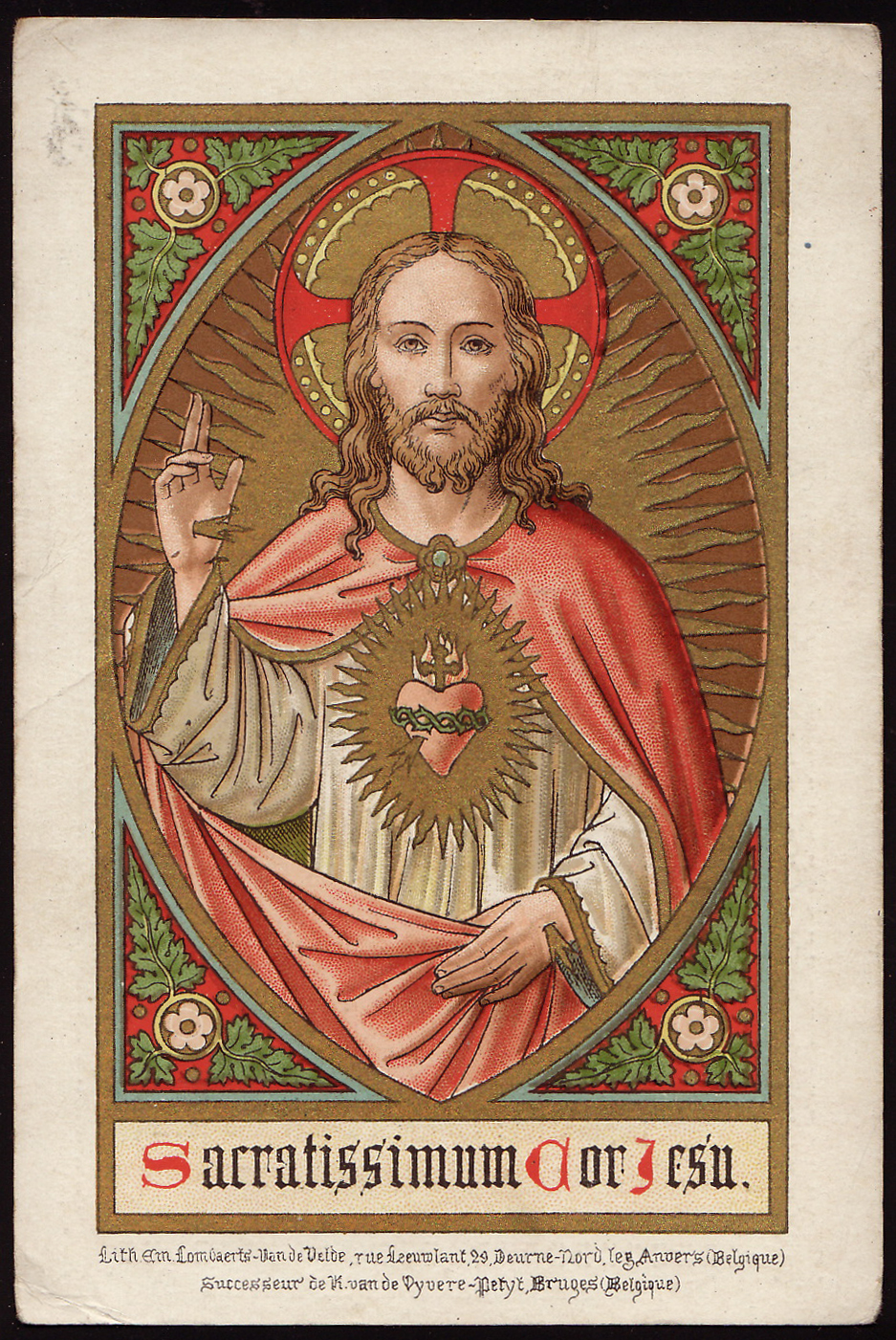
Showing posts with label Real Presence. Show all posts

Saturday, 5 September 2020

Twenty Third Sunday of Year A

The emergency services were not well-developed in the Ancient World. However, cities did have a night watch who functioned as a combination of a police force and fire brigade. It is to such an office that God appoints the prophet Ezekiel in this morning’s first reading. He is to be a night watchman, someone who is vigilant against fire and crime, someone concerned with safety and people’s well-being. Prophets exist to speak warnings to God’s people, to show them where they are going wrong and to show them how to get back on the right path. The role of a prophet is to call sinners to repent from their evil ways. Through the prophet God calls His people back to Him. Though people are, then as now, wayward they are given a chance to repent, to return to the ways of human flourishing. The choice is a stark one: life or death. It is important, and a lot depends upon the choices we make. This is why the central proclamation of the Church is to call God’s people to repentance: to turn away from sin, and to turn back to God. 

This week’s second reading from Paul’s Letter to the Romans continues the Apostle’s advice on how Christians should live out their faith in their lives. Living a Christian life  is a difficult thing to do, and for two thousand years Christians have struggled to do it well. As followers of Christ we are called to love God and to love one another. Paul quotes from the Ten Commandments to make the point that the basis for the moral code found in the Mosaic Law is Love. If you love someone then you will not do such things to them. To love is to will the good of another, to make the right choice, one which leads to human flourishing.

Having shown the Church how to live, Paul widens his focus, to reinforce something we heard last week: 

Do not be conformed to this world, but be transformed by the renewal of your mind, that by testing you may discern what is the will of God, what is good and acceptable and perfect. (Romans 12:2)

Paul can see the wider significance of what he is encouraging people to do. The Church knows that Jesus will come to judge the world, so Paul is encouraging Christians to live moral lives. The first Christians were surrounded by a decadent and morally corrupt society, justas we are today, and have been for two thousand years. Human nature is surprisingly consistent. We, however, are called to live differently. In our baptism, we put on Christ, and we were clothed with Him, sharing His Death, but we were also raised to new life in Him. We pray for the strength to live that new life, here and now! This is how we should prepare to meet our Redeemer, when He comes again.

How do we deal with problems as a church? This is an important and difficult question. This morning’s Gospel shows us how, in a number of clear simple steps. First we should approach the person in private. If they listen, and presumably admit their mistake and ask for forgiveness, or try to put things right, then that is an end to the matter. They are reconciled, and the matter is forgiven and forgotten. If this does not work, Paul instructs us to take one or two people, so that there are witnesses, and if this does not work, it becomes a matter for the church as a whole. If the person at fault still refuses to listen, they are excluded, not as a punishment, but so that they may have another opportunity to think things over, to admit that they are wrong, and to seek forgiveness and reconciliation. The point is not to cast people out, but to try and keep them in, and give them all possible opportunities to repent and be reconciled. In worldly terms this provision is generous. The church, which Christ founded, is meant to do things differently, as Jesus says:

The thief comes only to steal and kill and destroy. I came that they may have life and have it abundantly. (Jn 10:10)

God wants us all to have life in all its fulness, which includes healing and reconciliation. The world, however, often sees things in terms of punishment and retribution, whereas the church views things in terms of restoration. Our God is a God of justice and mercy. This is why Jesus goes to the Cross willingly, to bear our sins, and to heal our wounds. We cannot sort out the problem of our sin and woundedness on our own; if we could we would not need a Saviour. 

This is why Jesus reiterates His teaching about sin:

Truly, I say to you, whatever you bind on earth shall be bound in heaven, and whatever you loose on earth shall be loosed in heaven. (Mt 18: 18) 

This is a reality because of all that God has done for us in Christ. The Church exists to continue the redemptive work of God within the world. Through God’s forgiveness we can be truly reconciled and the healing, which can become a reality in our lives. Jesus says in the words which follow:

Again I say to you, if two of you agree on earth about anything they ask, it will be done for them by my Father in heaven. (Mt 18:19)

Through God’s reconciliation we can make requests in prayer, and those requests will be answered. In addition, as a Christian community we can be encouraged by Christ’s presence in our midst:

For where two or three are gathered in my name, there am I among them. (Mt 18:20)

Christ is among us, here and now! And we receive His Sacramental Presence in the Eucharist, His Very Flesh and Blood, so that He may transform us; so that we may have a foretaste of the Heavenly Banquet and be built up and strengthened in love, both here and now. We have the medicine for which our souls cry out. This is the healing which Christ accomplishes on the Cross, He longs to pour out His Love on us, so that we can know true freedom, true joy, and true love, in Him. So let us come to Him and let His Grace transform our lives, so that we, and all creation, may give glory to God the Father, God the Son, and God the Holy Spirit, to who whom be ascribed as is most right and just, all might, majesty, glory, dominion and power, now and forever. Amen. 
Twenty Third Sunday of Year A

The emergency services were not well-developed in the Ancient World. However, cities did have a night watch who functioned as a combination of a police force and fire brigade. It is to such an office that God appoints the prophet Ezekiel in this morning’s first reading. He is to be a night watchman, someone who is vigilant against fire and crime, someone concerned with safety and people’s well-being. Prophets exist to speak warnings to God’s people, to show them where they are going wrong and to show them how to get back on the right path. The role of a prophet is to call sinners to repent from their evil ways. Through the prophet God calls His people back to Him. Though people are, then as now, wayward they are given a chance to repent, to return to the ways of human flourishing. The choice is a stark one: life or death. It is important, and a lot depends upon the choices we make. This is why the central proclamation of the Church is to call God’s people to repentance: to turn away from sin, and to turn back to God. 

This week’s second reading from Paul’s Letter to the Romans continues the Apostle’s advice on how Christians should live out their faith in their lives. Living a Christian life  is a difficult thing to do, and for two thousand years Christians have struggled to do it well. As followers of Christ we are called to love God and to love one another. Paul quotes from the Ten Commandments to make the point that the basis for the moral code found in the Mosaic Law is Love. If you love someone then you will not do such things to them. To love is to will the good of another, to make the right choice, one which leads to human flourishing.

Having shown the Church how to live, Paul widens his focus, to reinforce something we heard last week: 

Do not be conformed to this world, but be transformed by the renewal of your mind, that by testing you may discern what is the will of God, what is good and acceptable and perfect. (Romans 12:2)

Paul can see the wider significance of what he is encouraging people to do. The Church knows that Jesus will come to judge the world, so Paul is encouraging Christians to live moral lives. The first Christians were surrounded by a decadent and morally corrupt society, justas we are today, and have been for two thousand years. Human nature is surprisingly consistent. We, however, are called to live differently. In our baptism, we put on Christ, and we were clothed with Him, sharing His Death, but we were also raised to new life in Him. We pray for the strength to live that new life, here and now! This is how we should prepare to meet our Redeemer, when He comes again.

How do we deal with problems as a church? This is an important and difficult question. This morning’s Gospel shows us how, in a number of clear simple steps. First we should approach the person in private. If they listen, and presumably admit their mistake and ask for forgiveness, or try to put things right, then that is an end to the matter. They are reconciled, and the matter is forgiven and forgotten. If this does not work, Paul instructs us to take one or two people, so that there are witnesses, and if this does not work, it becomes a matter for the church as a whole. If the person at fault still refuses to listen, they are excluded, not as a punishment, but so that they may have another opportunity to think things over, to admit that they are wrong, and to seek forgiveness and reconciliation. The point is not to cast people out, but to try and keep them in, and give them all possible opportunities to repent and be reconciled. In worldly terms this provision is generous. The church, which Christ founded, is meant to do things differently, as Jesus says:

The thief comes only to steal and kill and destroy. I came that they may have life and have it abundantly. (Jn 10:10)

God wants us all to have life in all its fulness, which includes healing and reconciliation. The world, however, often sees things in terms of punishment and retribution, whereas the church views things in terms of restoration. Our God is a God of justice and mercy. This is why Jesus goes to the Cross willingly, to bear our sins, and to heal our wounds. We cannot sort out the problem of our sin and woundedness on our own; if we could we would not need a Saviour. 

This is why Jesus reiterates His teaching about sin:

Truly, I say to you, whatever you bind on earth shall be bound in heaven, and whatever you loose on earth shall be loosed in heaven. (Mt 18: 18) 

This is a reality because of all that God has done for us in Christ. The Church exists to continue the redemptive work of God within the world. Through God’s forgiveness we can be truly reconciled and the healing, which can become a reality in our lives. Jesus says in the words which follow:

Again I say to you, if two of you agree on earth about anything they ask, it will be done for them by my Father in heaven. (Mt 18:19)

Through God’s reconciliation we can make requests in prayer, and those requests will be answered. In addition, as a Christian community we can be encouraged by Christ’s presence in our midst:

For where two or three are gathered in my name, there am I among them. (Mt 18:20)

Christ is among us, here and now! And we receive His Sacramental Presence in the Eucharist, His Very Flesh and Blood, so that He may transform us; so that we may have a foretaste of the Heavenly Banquet and be built up and strengthened in love, both here and now. We have the medicine for which our souls cry out. This is the healing which Christ accomplishes on the Cross, He longs to pour out His Love on us, so that we can know true freedom, true joy, and true love, in Him. So let us come to Him and let His Grace transform our lives, so that we, and all creation, may give glory to God the Father, God the Son, and God the Holy Spirit, to who whom be ascribed as is most right and just, all might, majesty, glory, dominion and power, now and forever. Amen. 

Sunday, 2 August 2020

The Eighteenth Sunday of Year A (Mt 14:13-21) The Feeding of the Five Thousand

I must admit that our readings this morning have unsettled me somewhat. The joyful character of both Isaiah and the account of the Feeding of the Five Thousand in Matthew’s Gospel seem far removed from how life is here and now for many people. The feelings of hope, joy, celebration, and social interaction, are far removed from the fear and concern which have been characterising our daily lives. And yet, despite our fears, there remains in Scripture a promise of hope for the future, as God says in the words of the prophet Isaiah, ‘Paid ag ofni, Fear not, for I have redeemed you; I have called you by name, you are mine.’ (Isa 43:1). We respond in trust, not that things are fine now, but that they will be. God is someone whom we can trust, who will never disappoint us. As the Psalmist says, ‘our hope and strength, a very present help in trouble’ (Ps 46:1) if we cast our burden upon Him, He will sustain us (cf. Ps 55:22). 

In our first reading this morning we hear God’s generous promise to His people. In the manner of a market trader God offers nourishment and refreshment, but not for profit! It is free! God offers water, wine, milk, and bread, food to nourish us, and drink to refresh us. It is a foretaste of the banquet of the Kingdom, in the Eucharist, where we are nourished and fed by God. The passage speaks of God’s covenant with His people, a relationship of love, that we can trust. God, who knows our needs, freely gives to his people love and grace, so that they may have life in all in all its fullness. These promises are fulfilled in Christ, who makes an everlasting covenant with us through His Body and His Blood. 

God’s generosity is freely offered, but it can be rejected. We see this in our second reading from Paul’s Letter to the Romans. Unlike the joy and optimism of the previous chapter which we heard last week, here are Israelites who reject Christ and cause St Paul great sorrow and anguish. The rejection of God’s generosity is painful, but it is the price of freedom. We cannot be compelled to accept what God offers, that would not be generous. Instead, we are free to accept or reject what God holds out for us. 

Picture the scene: Jesus has just been told that his cousin, John the Baptist, has been put in prison and killed. Jesus has lately been to Nazareth, where he was rejected, by the very people who should have accepted him. It is not for nothing that this morning’s Gospel passage begins with Jesus withdrawing to the desert: to be alone, to pray, to be close to God.

When the people hear where Jesus has gone they follow him, they walk out from the towns into the desert, wanting to see Jesus, and to hear him teach them. When Jesus gets out of the boat he sees a great mass of people and has compassion on them. He is moved by the sight of them, and their need. Jesus heals the sick to show that the Kingdom of God is a place of healing, where humanity can be restored through an encounter with the divine. Jesus’ actions and words proclaim the power of God to heal and restore humanity.

It is getting late, the sun is fast moving towards the West, and the disciples tell him to send the crowds away so that they can buy food. Instead Jesus says that the people do not need to go away, and tells the disciples to give them something to eat. The disciples obey Him, but cannot see how five loaves and two fish can possibly feed the thousands of people who have come to be close to Jesus.

The five loaves represent the five books of Moses, the Pentateuch: Genesis, Exodus, Leviticus, Numbers, Deuteronomy. The Books of the Law, the Torah, which show Israel how to live, and how to love God. The two fish represent the Law and the Prophets, so that, ‘Man shall not live by bread alone, but by every word that proceeds from the mouth of God.’ (Mt 4:4) The law and the Prophets point to Jesus, the Word made flesh: they find their fulfilment and true meaning in Him. The hopes of Israel, for the future, for a Messiah, are fulfilled in Him. Just like Israel after crossing the Red Sea here the People of God are fed by God in the desert. There is so much food left over at the end that there is enough to fill twelve baskets, one for each of the disciples, and for each tribe of Israel. In human terms, five loaves and two fish is not enough to feed everyone, but it is more than sufficient in divine terms. Just like at the Wedding feast in Cana, here we see that the Kingdom of God is a place of joy and abundance, of generosity, which isn’t concerned with scrimping or with the ‘good enough’,rather it is a place of lavish excess. This is what the church is supposed to be like: this is meant to be the model for our lives as Christians.

The multiplication of the loaves is not some conjuring trick, meant to amaze us, or to show us how powerful God is. It is a sign of God’s generous love for humanity. This is what God does for us, so that we can respond in a profound and radical way, and thereby change the world. Jesus has been rejected by the people of Nazareth and He responds by feeding people until they are satisfied, until they have had enough, and there is still plenty left over. Likewise, God’s love and mercy are inexhaustible, and are shown and poured out upon the world in Jesus Christ and in his death upon the Cross for our salvation.

Jesus takes the bread and fish, He blesses them, He breaks them and He gives them, actions which look forward to the Last Supper on the night before He died. Jesus told His disciples to carry on doing this in remembrance of Him, so that the Church could continue to be fed by Him and with Him, as a sign of His love for us, so that we might have life and forgiveness in Him.

Let us today be fed with the living bread, the bread which came down from heaven, so that it may feed our souls, so that we may be healed and restored by him. Let us be moved by the lavish generosity of God, and encouraged to live it out in our lives, in our thoughts, our words, and our actions, so that all that we are, all that we say or think or do, will proclaim the truth of God’s saving love to the world, so that we too can enter into the joy of the Lord and come to the banquet of the Kingdom, where all are welcomed, and healed.

Filled with God’s grace, may we live generously and encourage others to share in the generosity of the Kingdom, so that all come to believe believe and give glory to God the Father, God the Son, and God the Holy Spirit, to who whom be ascribed as is most right and just, all might, majesty, glory, dominion and power, now and forever. Amen. 

Brooklyn_Museum_-_The_Miracle_of_the_Loaves_and_Fishes_(La_multiplication_des_pains)_by_James_Tissot.jpg

The Eighteenth Sunday of Year A (Mt 14:13-21) The Feeding of the Five Thousand

I must admit that our readings this morning have unsettled me somewhat. The joyful character of both Isaiah and the account of the Feeding of the Five Thousand in Matthew’s Gospel seem far removed from how life is here and now for many people. The feelings of hope, joy, celebration, and social interaction, are far removed from the fear and concern which have been characterising our daily lives. And yet, despite our fears, there remains in Scripture a promise of hope for the future, as God says in the words of the prophet Isaiah, ‘Paid ag ofni, Fear not, for I have redeemed you; I have called you by name, you are mine.’ (Isa 43:1). We respond in trust, not that things are fine now, but that they will be. God is someone whom we can trust, who will never disappoint us. As the Psalmist says, ‘our hope and strength, a very present help in trouble’ (Ps 46:1) if we cast our burden upon Him, He will sustain us (cf. Ps 55:22). 

In our first reading this morning we hear God’s generous promise to His people. In the manner of a market trader God offers nourishment and refreshment, but not for profit! It is free! God offers water, wine, milk, and bread, food to nourish us, and drink to refresh us. It is a foretaste of the banquet of the Kingdom, in the Eucharist, where we are nourished and fed by God. The passage speaks of God’s covenant with His people, a relationship of love, that we can trust. God, who knows our needs, freely gives to his people love and grace, so that they may have life in all in all its fullness. These promises are fulfilled in Christ, who makes an everlasting covenant with us through His Body and His Blood. 

God’s generosity is freely offered, but it can be rejected. We see this in our second reading from Paul’s Letter to the Romans. Unlike the joy and optimism of the previous chapter which we heard last week, here are Israelites who reject Christ and cause St Paul great sorrow and anguish. The rejection of God’s generosity is painful, but it is the price of freedom. We cannot be compelled to accept what God offers, that would not be generous. Instead, we are free to accept or reject what God holds out for us. 

Picture the scene: Jesus has just been told that his cousin, John the Baptist, has been put in prison and killed. Jesus has lately been to Nazareth, where he was rejected, by the very people who should have accepted him. It is not for nothing that this morning’s Gospel passage begins with Jesus withdrawing to the desert: to be alone, to pray, to be close to God.

When the people hear where Jesus has gone they follow him, they walk out from the towns into the desert, wanting to see Jesus, and to hear him teach them. When Jesus gets out of the boat he sees a great mass of people and has compassion on them. He is moved by the sight of them, and their need. Jesus heals the sick to show that the Kingdom of God is a place of healing, where humanity can be restored through an encounter with the divine. Jesus’ actions and words proclaim the power of God to heal and restore humanity.

It is getting late, the sun is fast moving towards the West, and the disciples tell him to send the crowds away so that they can buy food. Instead Jesus says that the people do not need to go away, and tells the disciples to give them something to eat. The disciples obey Him, but cannot see how five loaves and two fish can possibly feed the thousands of people who have come to be close to Jesus.

The five loaves represent the five books of Moses, the Pentateuch: Genesis, Exodus, Leviticus, Numbers, Deuteronomy. The Books of the Law, the Torah, which show Israel how to live, and how to love God. The two fish represent the Law and the Prophets, so that, ‘Man shall not live by bread alone, but by every word that proceeds from the mouth of God.’ (Mt 4:4) The law and the Prophets point to Jesus, the Word made flesh: they find their fulfilment and true meaning in Him. The hopes of Israel, for the future, for a Messiah, are fulfilled in Him. Just like Israel after crossing the Red Sea here the People of God are fed by God in the desert. There is so much food left over at the end that there is enough to fill twelve baskets, one for each of the disciples, and for each tribe of Israel. In human terms, five loaves and two fish is not enough to feed everyone, but it is more than sufficient in divine terms. Just like at the Wedding feast in Cana, here we see that the Kingdom of God is a place of joy and abundance, of generosity, which isn’t concerned with scrimping or with the ‘good enough’,rather it is a place of lavish excess. This is what the church is supposed to be like: this is meant to be the model for our lives as Christians.

The multiplication of the loaves is not some conjuring trick, meant to amaze us, or to show us how powerful God is. It is a sign of God’s generous love for humanity. This is what God does for us, so that we can respond in a profound and radical way, and thereby change the world. Jesus has been rejected by the people of Nazareth and He responds by feeding people until they are satisfied, until they have had enough, and there is still plenty left over. Likewise, God’s love and mercy are inexhaustible, and are shown and poured out upon the world in Jesus Christ and in his death upon the Cross for our salvation.

Jesus takes the bread and fish, He blesses them, He breaks them and He gives them, actions which look forward to the Last Supper on the night before He died. Jesus told His disciples to carry on doing this in remembrance of Him, so that the Church could continue to be fed by Him and with Him, as a sign of His love for us, so that we might have life and forgiveness in Him.

Let us today be fed with the living bread, the bread which came down from heaven, so that it may feed our souls, so that we may be healed and restored by him. Let us be moved by the lavish generosity of God, and encouraged to live it out in our lives, in our thoughts, our words, and our actions, so that all that we are, all that we say or think or do, will proclaim the truth of God’s saving love to the world, so that we too can enter into the joy of the Lord and come to the banquet of the Kingdom, where all are welcomed, and healed.

Filled with God’s grace, may we live generously and encourage others to share in the generosity of the Kingdom, so that all come to believe believe and give glory to God the Father, God the Son, and God the Holy Spirit, to who whom be ascribed as is most right and just, all might, majesty, glory, dominion and power, now and forever. Amen. 

Brooklyn_Museum_-_The_Miracle_of_the_Loaves_and_Fishes_(La_multiplication_des_pains)_by_James_Tissot.jpg

Sunday, 12 April 2020

Easter 2020 [John 20:1-9]

Easter is for Christians a time of celebration, a feast which we continue to celebrate for fifty days until Pentecost. We do this because it is the most important day of the year for us, because Jesus Christ not only died for us on the Cross, but rose again from the dead. For Christians Death does not have the last word, it is not the end, quite the opposite, it is the start of New Life.

We are used to hearing the proclamation of the Easter message, to the point that we can run the risk of becoming immune to the strangeness of what we are celebrating. Easter is odd: bodies don’t usually rise from tombs. In today’s Gospel, Mary of Magdala simply cannot understand what is going on. St Peter goes into the tomb and sees the cloths lying there, but only the other disciple, St John, both sees and believes, because he looks with the eyes of faith. John has listened to what Jesus has said, and understands what has happened, and how it has been foretold in the Hebrew Scriptures. He sees and understands because he LOVES.

This Easter we are not able to worship together, as we usually do. Instead, for our own safety and the safety of others, we have to worship on our own. But this does not mean that our worship ceases, not at all. This is a hard and a painful time for all of us, because as Christians we are a family, we worship TOGETHER. But while we are not able to do this together physically, we can still be united spiritually. So what can we do? We can read scripture, and we can pray: for the church, for the world, for each other, for all dealing with the current pandemic, for the sick and suffering, and for the dead and dying. We do this because God hears our prayers, and because prayer changes us. It makes us more loving, more generous, more forgiving, and more keen to seek forgiveness. 

This is how we grow in faith, and we can do it whether we are together, or we are apart. It is difficult in this current isolation, but it is by no means impossible. We are an Easter people, and ‘Alleluia’ is our song. We are called to rejoice, regardless of what is happening, regardless of what we may face in this life, because the source of our joy is God, as the prophet Nehemiah says, ‘Go on your way. Eat the fat and drink sweet wine and send portions to anyone who has nothing ready, for this day is holy to our Lord. And do not be grieved, for the joy of the Lord is your strength.’ (Nehemiah 8:10 ESV) God does not disappoint us, and Christ’s resurrection is as true today as it ever was. Christ has conquered sin and death, and risen victorious from the grave, breaking down the bars of Hell and leading souls to Heaven, so we rejoice. As St Paul writes to the Church in Rome: ‘Who shall separate us from the love of Christ? Shall tribulation, or distress, or persecution, or famine, or nakedness, or danger, or sword? As it is written, “For your sake we are being killed all the day long; we are regarded as sheep to be slaughtered.” No, in all these things we are more than conquerors through him who loved us. For I am sure that neither death nor life, nor angels nor rulers, nor things present nor things to come, nor powers, nor height nor depth, nor anything else in all creation, will be able to separate us from the love of God in Christ Jesus our Lord.’ (Romans 8:35-39 ESV) So, my brothers and sisters in Christ, ‘Pasg hapus i chi gyd!’ ‘A Happy Easter to you all!’ May the joy and peace of the Risen Lord fill your hearts and lives, both now and always. Amen. 

If you wish to, you can make a Spiritual Communion: the means of grace by which someone, prevented from sharing in a celebration of the Eucharist, nonetheless shares in the communion of Jesus Christ. Please pray the prayer below:

My Jesus, I believe that You are present in the Most Holy Sacrament. I love You above all things, and I desire to receive You into my soul. Since I cannot at this moment receive You sacramentally, come at least spiritually into my heart. I embrace You as if You were already there and unite myself wholly to You. Never permit me to be separated from You. Amen.

7a55c-anastasischora

Easter 2020 [John 20:1-9]

Easter is for Christians a time of celebration, a feast which we continue to celebrate for fifty days until Pentecost. We do this because it is the most important day of the year for us, because Jesus Christ not only died for us on the Cross, but rose again from the dead. For Christians Death does not have the last word, it is not the end, quite the opposite, it is the start of New Life.

We are used to hearing the proclamation of the Easter message, to the point that we can run the risk of becoming immune to the strangeness of what we are celebrating. Easter is odd: bodies don’t usually rise from tombs. In today’s Gospel, Mary of Magdala simply cannot understand what is going on. St Peter goes into the tomb and sees the cloths lying there, but only the other disciple, St John, both sees and believes, because he looks with the eyes of faith. John has listened to what Jesus has said, and understands what has happened, and how it has been foretold in the Hebrew Scriptures. He sees and understands because he LOVES.

This Easter we are not able to worship together, as we usually do. Instead, for our own safety and the safety of others, we have to worship on our own. But this does not mean that our worship ceases, not at all. This is a hard and a painful time for all of us, because as Christians we are a family, we worship TOGETHER. But while we are not able to do this together physically, we can still be united spiritually. So what can we do? We can read scripture, and we can pray: for the church, for the world, for each other, for all dealing with the current pandemic, for the sick and suffering, and for the dead and dying. We do this because God hears our prayers, and because prayer changes us. It makes us more loving, more generous, more forgiving, and more keen to seek forgiveness. 

This is how we grow in faith, and we can do it whether we are together, or we are apart. It is difficult in this current isolation, but it is by no means impossible. We are an Easter people, and ‘Alleluia’ is our song. We are called to rejoice, regardless of what is happening, regardless of what we may face in this life, because the source of our joy is God, as the prophet Nehemiah says, ‘Go on your way. Eat the fat and drink sweet wine and send portions to anyone who has nothing ready, for this day is holy to our Lord. And do not be grieved, for the joy of the Lord is your strength.’ (Nehemiah 8:10 ESV) God does not disappoint us, and Christ’s resurrection is as true today as it ever was. Christ has conquered sin and death, and risen victorious from the grave, breaking down the bars of Hell and leading souls to Heaven, so we rejoice. As St Paul writes to the Church in Rome: ‘Who shall separate us from the love of Christ? Shall tribulation, or distress, or persecution, or famine, or nakedness, or danger, or sword? As it is written, “For your sake we are being killed all the day long; we are regarded as sheep to be slaughtered.” No, in all these things we are more than conquerors through him who loved us. For I am sure that neither death nor life, nor angels nor rulers, nor things present nor things to come, nor powers, nor height nor depth, nor anything else in all creation, will be able to separate us from the love of God in Christ Jesus our Lord.’ (Romans 8:35-39 ESV) So, my brothers and sisters in Christ, ‘Pasg hapus i chi gyd!’ ‘A Happy Easter to you all!’ May the joy and peace of the Risen Lord fill your hearts and lives, both now and always. Amen. 

If you wish to, you can make a Spiritual Communion: the means of grace by which someone, prevented from sharing in a celebration of the Eucharist, nonetheless shares in the communion of Jesus Christ. Please pray the prayer below:

My Jesus, I believe that You are present in the Most Holy Sacrament. I love You above all things, and I desire to receive You into my soul. Since I cannot at this moment receive You sacramentally, come at least spiritually into my heart. I embrace You as if You were already there and unite myself wholly to You. Never permit me to be separated from You. Amen.

7a55c-anastasischora

Saturday, 1 February 2020

The Presentation of Christ in the Temple

Once upon a time it was not uncommon to hear of the Churching of Women, sometimes called Thanksgiving after Childbirth, as it was a dangerous and risky business. We are perhaps now not quite so used to ideas of ritual purity inherent in the Thanksgiving for a woman after Childbirth, or her re-admission into society after a period of confinement. But the Law of Moses required that forty days after giving birth the mother was purified in a mikvah, a ritual bath. The law also required that her son, as a first-born male, was presented to the Lord, and sacrifices were made. Today the Church celebrates the Presentation of Christ in the Temple, also known as the Purification of the Blessed Virgin Mary, and commonly called Candlemas. The name is derived from the ceremonies which saw the candles for the coming year blessed at this service, so that they may burn as lights which proclaim Christ, the true Light, the light to lighten the Gentiles. They are different titles, but one feast, which make us think about who and what Jesus Christ is, and what he does.

This feast then is the fulfilment of the prophecy spoken by Malachi in our first reading, which also looks to our purification in and through the death of Christ and His atoning sacrifice of Himself, which will be be re-presented here, made present so that we can share in it, so that we can be healed and restored by the very Body and Blood of Our Lord and Saviour Jesus Christ. As the Letter to the Hebrews puts it:

Therefore he had to become like his brothers and sisters in every respect, so that he might be a merciful and faithful high priest in the service of God, to make a sacrifice of atonement for the sins of the people. Because he himself was tested by what he suffered, he is able to help those who are being tested. 

It is hard to see how it could be any clearer. Just as Abraham was willing to sacrifice Isaac on Mt Moriah, so now God will gladly give His only Son, Jesus Christ, on the altar of the Cross, to restore our relationship with Him.

The Holy Family go to the Temple to give thanks to God and to comply with the Law, just as they had in circumcising their baby on the eighth day: and in so doing they demonstrate obedience, they listen to what God says and do it and as such they are a model for all Christian families to follow — we need to be like them, listening to what God tells us and doing it, regardless of the cost.

When the Holy Family go to the Temple they encounter Simeon, a man of faith and holiness. A man devoted to God, who is looking for the consolation of Israel. He knows that he will not die until he sees the Messiah, the Lord’s Anointed, and the Saviour of the World. As he takes the child Jesus in his arms he prays: ‘Lord, now lettest thou thy servant depart in peace : according to thy word. For mine eyes have seen : thy salvation, Which thou hast prepared : before the face of all people; To be a light to lighten the Gentiles : and to be the glory of thy people Israel.

The promise made to him by God, revealed through the Holy Spirit, has been fulfilled in the six-week-old infant in his arms. Simeon can prepare to meet his God happy in the knowledge that Salvation has dawned in this little child. As Christ was made manifest to the Gentiles at Epiphany, so now His saving message is proclaimed, so that the world may know that its salvation has come in the person of Jesus Christ. Simeon speaks to the Blessed Virgin Mary of her Son’s future, and the pain she will endure at the foot of the Cross. Before he dies Simeon is looking to the Cross, the means by which our salvation is wrought, the Cross at which Mary will stand to see humanity freed from its sin through the love and mercy of God, through grace, the free gift of God in Christ. So as Candlemas concludes our celebration of Christmas, and the mystery of the Incarnation, so to it points to that which gives it its true meaning: the Death and Resurrection of Jesus Christ. Candlemas prepares for the coming season of Lent by changing our focus and attention from Jesus’ birth to His death, for our sins.

That is why we are here this morning, to be fed by Christ, to be fed with Christ, truly present in His Body and Blood, Soul and Divinity. A God whom we can touch and taste. A God who shares His Divine Life with us, so that we can be transformed by Him, built up as living stones as a temple to His Glory, and given a foretaste of Heaven here on Earth. This is our soul’s true food, the bread for the journey of faith, which sets us free to live for Him, to live with Him, through Him and in Him.

The significance of what is happening is not just recognised by Simeon, but also by Anna, a holy woman, a woman of prayer, a woman who is close to God, she recognises what God is doing in Christ, and she proclaims it, so that God’s redemption of His people may be known. Let us be like her, and let all of our lives, everything which we say, or think, or do, proclaim the saving truth of God’s love to the world.

And finally the Holy Family go back to Nazareth, and Jesus begins to grow up, in the favour of God, obedient to God and His parents in the Gospel we see all of human life: birth, death, work, normality hallowed by the God who loves us, who gives His Son for us. God shares our human life, as He will share our death, to restore us, to heal us,

So let us burn, like the candles which God has blessed, let our faith be active to give light and warmth and hope to the world, so that it may feel that love and warmth, and come to believe and give glory to God the Father, God the Son, and God the Holy Spirit, to whom be ascribed as is most right and just all might, majesty, glory, dominion, and power, now and forever, Amen.

Giotto_di_Bondone_-_No._19_Scenes_from_the_Life_of_Christ_-_3._Presentation_of_Christ_at_the_Temple_-_WGA09197.jpg

The Presentation of Christ in the Temple

Once upon a time it was not uncommon to hear of the Churching of Women, sometimes called Thanksgiving after Childbirth, as it was a dangerous and risky business. We are perhaps now not quite so used to ideas of ritual purity inherent in the Thanksgiving for a woman after Childbirth, or her re-admission into society after a period of confinement. But the Law of Moses required that forty days after giving birth the mother was purified in a mikvah, a ritual bath. The law also required that her son, as a first-born male, was presented to the Lord, and sacrifices were made. Today the Church celebrates the Presentation of Christ in the Temple, also known as the Purification of the Blessed Virgin Mary, and commonly called Candlemas. The name is derived from the ceremonies which saw the candles for the coming year blessed at this service, so that they may burn as lights which proclaim Christ, the true Light, the light to lighten the Gentiles. They are different titles, but one feast, which make us think about who and what Jesus Christ is, and what he does.

This feast then is the fulfilment of the prophecy spoken by Malachi in our first reading, which also looks to our purification in and through the death of Christ and His atoning sacrifice of Himself, which will be be re-presented here, made present so that we can share in it, so that we can be healed and restored by the very Body and Blood of Our Lord and Saviour Jesus Christ. As the Letter to the Hebrews puts it:

Therefore he had to become like his brothers and sisters in every respect, so that he might be a merciful and faithful high priest in the service of God, to make a sacrifice of atonement for the sins of the people. Because he himself was tested by what he suffered, he is able to help those who are being tested. 

It is hard to see how it could be any clearer. Just as Abraham was willing to sacrifice Isaac on Mt Moriah, so now God will gladly give His only Son, Jesus Christ, on the altar of the Cross, to restore our relationship with Him.

The Holy Family go to the Temple to give thanks to God and to comply with the Law, just as they had in circumcising their baby on the eighth day: and in so doing they demonstrate obedience, they listen to what God says and do it and as such they are a model for all Christian families to follow — we need to be like them, listening to what God tells us and doing it, regardless of the cost.

When the Holy Family go to the Temple they encounter Simeon, a man of faith and holiness. A man devoted to God, who is looking for the consolation of Israel. He knows that he will not die until he sees the Messiah, the Lord’s Anointed, and the Saviour of the World. As he takes the child Jesus in his arms he prays: ‘Lord, now lettest thou thy servant depart in peace : according to thy word. For mine eyes have seen : thy salvation, Which thou hast prepared : before the face of all people; To be a light to lighten the Gentiles : and to be the glory of thy people Israel.

The promise made to him by God, revealed through the Holy Spirit, has been fulfilled in the six-week-old infant in his arms. Simeon can prepare to meet his God happy in the knowledge that Salvation has dawned in this little child. As Christ was made manifest to the Gentiles at Epiphany, so now His saving message is proclaimed, so that the world may know that its salvation has come in the person of Jesus Christ. Simeon speaks to the Blessed Virgin Mary of her Son’s future, and the pain she will endure at the foot of the Cross. Before he dies Simeon is looking to the Cross, the means by which our salvation is wrought, the Cross at which Mary will stand to see humanity freed from its sin through the love and mercy of God, through grace, the free gift of God in Christ. So as Candlemas concludes our celebration of Christmas, and the mystery of the Incarnation, so to it points to that which gives it its true meaning: the Death and Resurrection of Jesus Christ. Candlemas prepares for the coming season of Lent by changing our focus and attention from Jesus’ birth to His death, for our sins.

That is why we are here this morning, to be fed by Christ, to be fed with Christ, truly present in His Body and Blood, Soul and Divinity. A God whom we can touch and taste. A God who shares His Divine Life with us, so that we can be transformed by Him, built up as living stones as a temple to His Glory, and given a foretaste of Heaven here on Earth. This is our soul’s true food, the bread for the journey of faith, which sets us free to live for Him, to live with Him, through Him and in Him.

The significance of what is happening is not just recognised by Simeon, but also by Anna, a holy woman, a woman of prayer, a woman who is close to God, she recognises what God is doing in Christ, and she proclaims it, so that God’s redemption of His people may be known. Let us be like her, and let all of our lives, everything which we say, or think, or do, proclaim the saving truth of God’s love to the world.

And finally the Holy Family go back to Nazareth, and Jesus begins to grow up, in the favour of God, obedient to God and His parents in the Gospel we see all of human life: birth, death, work, normality hallowed by the God who loves us, who gives His Son for us. God shares our human life, as He will share our death, to restore us, to heal us,

So let us burn, like the candles which God has blessed, let our faith be active to give light and warmth and hope to the world, so that it may feel that love and warmth, and come to believe and give glory to God the Father, God the Son, and God the Holy Spirit, to whom be ascribed as is most right and just all might, majesty, glory, dominion, and power, now and forever, Amen.

Giotto_di_Bondone_-_No._19_Scenes_from_the_Life_of_Christ_-_3._Presentation_of_Christ_at_the_Temple_-_WGA09197.jpg

Sunday, 19 January 2020

2nd Sunday of Year A – ‘Behold the Lamb of God!’

John the Baptist looked at Jesus as he walked by and said, ‘Behold the Lamb of God!’ Lambs were a central part of the Jewish festival of Passover. In order to avert the tenth plague in Egypt, the people of Israel were instructed to take a young lamb without any blemish and slaughter it. They were then to anoint the doorposts of their house with it, so that their firstborn would be saved, not killed by the Angel of Death. The lamb was to be roasted over the fire and eaten standing up whilst dressed for a journey. This festival of Passover is the high point of the Jewish religious calendar, and marks the start of their journey from slavery in Egypt to the Promised Land of Israel. It is also the time of Jesus’ Passion, Death, and Resurrection.

In order to meet the needs the large number of people celebrating the passover festival in the early 1st century AD, there needed to be a lot of shepherds raising flocks of animals for slaughter. In the Christmas story we see that the first visitors to the Holy Family in Bethlehem were shepherds. As Bethlehem is only six miles from Jerusalem, these shepherds were raising the lambs that would be consumed at Passover in nearby Jerusalem in their thousands. Jesus, like these lambs was also without blemish and would be killed at Passover. So from the very moment of Christ’s birth, His Death is foreshadowed. 

Traditionally Jesus’ death is understood to have happened at the ninth hour, 3pm, which is the same time that the passover lambs began to be slaughtered in the Temple in Jerusalem for the feast of Passover. This is not mere coincidence, but rather signal proof that Christ’s death is sacrificial, and represents the new Passover, and the freedom of the people of God. In this morning’s Gospel Jesus’s cousin, John the Baptist, greets Him, saying, ‘Behold the Lamb of God, who takes away the sins of the world’. John understands that Jesus is the passover Lamb.

The image of a lamb brings to mind a passage in the prophet Isaiah, where the Suffering Servant is compared to, ‘a lamb that is led to the slaughter, and like a sheep that before its shearers is dumb’ (Isa 53:7). This prophecy will be fulfilled in Holy Week on Good Friday. Here, at the start of John’s Gospel, just after the Baptism of Jesus in the Jordan, when John the Baptist saw the Spirit descend on Him, (before the first sign of turning water into wine at the marriage of Cana), John’s description of Jesus is a prophetic utterance which points forward to Jesus’ death on the Cross. So then, from the very start of Our lord’s life, as with the gift of myrrh at Bethlehem, the beginning points to the end: to Calvary (and beyond). 

In Genesis, we read of Abraham’s sacrifice of Isaac, who is saved when at the last moment a ram appears in a thorn bush. Isaac carrying wood for the sacrificial fire, prefigures Christ carrying the wood of the Cross. The ram in the thorns foreshadows Christ, the Lamb of God, crowned with thorns. Mt Moriah, where these events take place, is the mountain on which Jerusalem was built, and whose highest point is Golgotha, which is where Our Lord was crucified. The old foretells the new, and is completed by it.Prophecy is fulfilled. In Christ, God is glorified, and of Him the prophet Isaiah says, ‘I will make you as a light for the nations, that my salvation may reach to the end of the earth’ (Isa 49:5 ESV). 

In the Eucharist, just before we receive Communion I will repeat the words of John the Baptist, ‘Behold the Lamb of God…’ so that we may recognise Christ in our midst; we respond with the words of the Centurion, in Luke 7:6-7, ’Lord I am not worthy…’ It is this sense of unworthiness which keeps us both humble and reliant upon God to transform us. We hear John the Baptist’s words so that we may join in his confession that this is the Son of God. Christ is truly present in the Eucharist in a way which we cannot understand, which words and language cannot express, because that is how God is. As a result of the Word becoming flesh and dwelling amongst us, God incarnate makes himself known so that we might worship God, and that God might be at work in us. Unlike the sacrifices of Passover and the Day of Atonement which needed to be repeated annually, the Sacrifice of Christ on the Cross happens once, to deal with all sin, past, present, and future, to reconcile humanity to God and to each other. It is this reality which we celebrate today: we have been set free. 

This is the Good News of the Kingdom. We are loved by God, who flings His arms wide on the Cross to embrace the world with love. A God who embraces the shame of a slave’s death, the most brutal demonstration of Roman power, the most degrading way to die, to show the world love. It isn’t what you’d expect, and that’s the point. God does not want to compel us to love Him or worship Him, but rather makes a relationship possible, so that we might come to know Him, and love Him. As we approach the altar, this is what we are to receive, the Body and Blood of Christ, the self same body and blood which were nailed to the Cross for our sins and the sins of the whole world. Our hands will hold and our lips will touch him who created the entire universe. How can we not fail to be shocked by the generosity of a God who gives himself to us in such a personal way, in a way that we do not deserve? Yet, we can never deserve such a gift, that is why God takes the initiative and gives himself to us, freely and gladly. Like the Father of the Prodigal Son, God rushes to meet us, to embrace us and to celebrate with us, to show his love for us. God became a human being at Christmas so that we might become divine, through our baptism and our participation at the altar, in the feast of the Lamb.

The Eucharist is the sacrament of unity, uniting heaven and earth through the sacrifice of Calvary, allowing all humanity to share the body and blood of Our Saviour Jesus Christ, feeding on him so that we may become what he is; enabling us to share eternity with him, and to live lives of faith and hope, and love. So then, let us join the Wedding Banquet of the Lamb and enter into the mystery of God’s self-giving love, so that we may believe and give glory to God the Father, God the Son, and God the Holy Spirit, to whom be ascribed as is most right and just, all might, majesty, glory dominion and power, now, and forever.

img_0215

2nd Sunday of Year A – ‘Behold the Lamb of God!’

John the Baptist looked at Jesus as he walked by and said, ‘Behold the Lamb of God!’ Lambs were a central part of the Jewish festival of Passover. In order to avert the tenth plague in Egypt, the people of Israel were instructed to take a young lamb without any blemish and slaughter it. They were then to anoint the doorposts of their house with it, so that their firstborn would be saved, not killed by the Angel of Death. The lamb was to be roasted over the fire and eaten standing up whilst dressed for a journey. This festival of Passover is the high point of the Jewish religious calendar, and marks the start of their journey from slavery in Egypt to the Promised Land of Israel. It is also the time of Jesus’ Passion, Death, and Resurrection.

In order to meet the needs the large number of people celebrating the passover festival in the early 1st century AD, there needed to be a lot of shepherds raising flocks of animals for slaughter. In the Christmas story we see that the first visitors to the Holy Family in Bethlehem were shepherds. As Bethlehem is only six miles from Jerusalem, these shepherds were raising the lambs that would be consumed at Passover in nearby Jerusalem in their thousands. Jesus, like these lambs was also without blemish and would be killed at Passover. So from the very moment of Christ’s birth, His Death is foreshadowed. 

Traditionally Jesus’ death is understood to have happened at the ninth hour, 3pm, which is the same time that the passover lambs began to be slaughtered in the Temple in Jerusalem for the feast of Passover. This is not mere coincidence, but rather signal proof that Christ’s death is sacrificial, and represents the new Passover, and the freedom of the people of God. In this morning’s Gospel Jesus’s cousin, John the Baptist, greets Him, saying, ‘Behold the Lamb of God, who takes away the sins of the world’. John understands that Jesus is the passover Lamb.

The image of a lamb brings to mind a passage in the prophet Isaiah, where the Suffering Servant is compared to, ‘a lamb that is led to the slaughter, and like a sheep that before its shearers is dumb’ (Isa 53:7). This prophecy will be fulfilled in Holy Week on Good Friday. Here, at the start of John’s Gospel, just after the Baptism of Jesus in the Jordan, when John the Baptist saw the Spirit descend on Him, (before the first sign of turning water into wine at the marriage of Cana), John’s description of Jesus is a prophetic utterance which points forward to Jesus’ death on the Cross. So then, from the very start of Our lord’s life, as with the gift of myrrh at Bethlehem, the beginning points to the end: to Calvary (and beyond). 

In Genesis, we read of Abraham’s sacrifice of Isaac, who is saved when at the last moment a ram appears in a thorn bush. Isaac carrying wood for the sacrificial fire, prefigures Christ carrying the wood of the Cross. The ram in the thorns foreshadows Christ, the Lamb of God, crowned with thorns. Mt Moriah, where these events take place, is the mountain on which Jerusalem was built, and whose highest point is Golgotha, which is where Our Lord was crucified. The old foretells the new, and is completed by it.Prophecy is fulfilled. In Christ, God is glorified, and of Him the prophet Isaiah says, ‘I will make you as a light for the nations, that my salvation may reach to the end of the earth’ (Isa 49:5 ESV). 

In the Eucharist, just before we receive Communion I will repeat the words of John the Baptist, ‘Behold the Lamb of God…’ so that we may recognise Christ in our midst; we respond with the words of the Centurion, in Luke 7:6-7, ’Lord I am not worthy…’ It is this sense of unworthiness which keeps us both humble and reliant upon God to transform us. We hear John the Baptist’s words so that we may join in his confession that this is the Son of God. Christ is truly present in the Eucharist in a way which we cannot understand, which words and language cannot express, because that is how God is. As a result of the Word becoming flesh and dwelling amongst us, God incarnate makes himself known so that we might worship God, and that God might be at work in us. Unlike the sacrifices of Passover and the Day of Atonement which needed to be repeated annually, the Sacrifice of Christ on the Cross happens once, to deal with all sin, past, present, and future, to reconcile humanity to God and to each other. It is this reality which we celebrate today: we have been set free. 

This is the Good News of the Kingdom. We are loved by God, who flings His arms wide on the Cross to embrace the world with love. A God who embraces the shame of a slave’s death, the most brutal demonstration of Roman power, the most degrading way to die, to show the world love. It isn’t what you’d expect, and that’s the point. God does not want to compel us to love Him or worship Him, but rather makes a relationship possible, so that we might come to know Him, and love Him. As we approach the altar, this is what we are to receive, the Body and Blood of Christ, the self same body and blood which were nailed to the Cross for our sins and the sins of the whole world. Our hands will hold and our lips will touch him who created the entire universe. How can we not fail to be shocked by the generosity of a God who gives himself to us in such a personal way, in a way that we do not deserve? Yet, we can never deserve such a gift, that is why God takes the initiative and gives himself to us, freely and gladly. Like the Father of the Prodigal Son, God rushes to meet us, to embrace us and to celebrate with us, to show his love for us. God became a human being at Christmas so that we might become divine, through our baptism and our participation at the altar, in the feast of the Lamb.

The Eucharist is the sacrament of unity, uniting heaven and earth through the sacrifice of Calvary, allowing all humanity to share the body and blood of Our Saviour Jesus Christ, feeding on him so that we may become what he is; enabling us to share eternity with him, and to live lives of faith and hope, and love. So then, let us join the Wedding Banquet of the Lamb and enter into the mystery of God’s self-giving love, so that we may believe and give glory to God the Father, God the Son, and God the Holy Spirit, to whom be ascribed as is most right and just, all might, majesty, glory dominion and power, now, and forever.

img_0215

Saturday, 14 December 2019

Advent III – He that will come

The prophet Isaiah provides our first readings during Advent this year, and he is particular strong on the idea that the Messiah will come to deliver Israel. As Christians we use the period of Advent to reflect upon the fact that Christ is coming, He is coming as a baby born in Bethlehem, He is coming to us here today in the Eucharist, and He is coming with vengeance to judge the world. Should we be afraid? On the contrary, as the prophet says, ‘Strengthen the weak hands, and make firm the feeble knees. Say to those who have an anxious heart,“Be strong; fear not! Behold, your God will come with vengeance, with the recompense of God. He will come and save you’ (Isa 35:3-4 ESV). 

Isaiah has a vision where the desert, a dry wilderness is carpeted with flowers, a sign of new life, of hope. This is the flourishing which the Messiah will bring, ‘the glory of the Lord, the majesty of our God’ (Isa 35:2 ESV). As Christ Himself says ‘I came that they may have life and have it abundantly’ (Jn 10:10 ESV) This is good news, a reason to rejoice and be glad, and to mark this the Church instead of penitential purple wears rose today, to mark the joyful character of this day, and to remind us that Christ is coming. As Isaiah says, ‘the ransomed of the Lord shall return and come to Zion with singing; everlasting joy shall be upon their heads; they shall obtain gladness and joy, and sorrow and sighing shall flee away’ (Isa 35:10 ESV).

The time is both now, and not yet. As St James writes, ‘You also, be patient. Establish your hearts, for the coming of the Lord is at hand’ (Jas 5:8 ESV). Patience is a hard thing to master. We are naturally impatient, we don’t want to wait, but we have to. The question is how we wait: in joyful expectation, preparing ourselves for what is to come? 

John the Baptist has been waiting for the Messiah, and while he leapt in his mother’s womb at the Visitation, in this morning’s Gospel he appears to be having doubts. He is expecting a Messiah of judgement, and he is isn’t sure what is going on. John has been imprisoned for criticising Herod’s marriage to his brother’s wife. He is hoping for a messiah to sweep away an unjust and corrupt regime, hence his doubts about Jesus, who doesn’t seem to be a political messiah. Jesus tells John’s disciples, ‘Go and tell John what you hear and see:  the blind receive their sight and the lame walk, lepers are cleansed and the deaf hear, and the dead are raised up, and the poor have good news preached to them’ (Mt 11:4-5 ESV). 

The vision of a messianic future envisaged by Isaiah in this morning’s first reading has become a reality: prophecy has been fulfilled, God keeps his promises. The Kingdom of God is a place of healing, and Christ is the great physician, who has come to heal our souls. Jesus is the one who is to come, He has come, and will come again. The establishment of God’s kingdom can look strange in human terms: going to those on the margins, the sick, the poor, and the oppressed and marginalised is not a grand gesture. That is the point! The greatest grand gesture Jesus will make will be in handing Himself over to be crucified and die the death of a common criminal. This is how the messiah will reign as the true King of Israel. 

It defies human expectations, which is the point: God’s ways are not our ways, nor His thoughts ours. That’s the core message of this morning’s Gospel, if we expect God’s rule to look like human kingship, then we will be disappointed. God has something else in store, something far more wonderful than we could ever imagine, and at its heart is the transformation of humanity by love. God heals His people, because God is a God of love. God loves us not because we are loveable, we are sinners, who don’t deserve to be loved, and cannot earn that love. But rather than what we are, God loves us for WHO we are, His sons and daughters, created in His image. 

This is grace: loving sinful humanity so that we may be transformed by love. Hence the focus on healing, something which only God can do, to heal our souls with His love. This is the cause of our joy, what the prophet Isaiah hoped for has been fulfilled, and continues to be fulfilled. The Church exists to carry on God’s healing in the world, to take humanity, and heal it with God’s love. This is what we are about to celebrate in the Eucharist where we thank God for loving us, and prepare to experience that healing love, so that it may transform us. We do so with reverence, because we are not simply consuming human food and drink, but the very Body and Blood of Christ, given for us, to heal us. The greatest medicine our souls could ever wish for. Soon we ‘shall see the glory of the Lord, the majesty of our God’ (Isa 35:2 ESV) God’s glory and majesty is to die on a Cross for us, and to feed us with Himself. Come to the banquet my brothers and sisters, and experience the love of God, and let it heal and transform you, so that you and all creation may sing the praises of God the Father, God the Son, and God the Holy Spirit, to whom be ascribed as is most right and just all might, majesty, glory, dominion, and power, now and forever. Amen.

Raphael_-_Madonna_in_the_Meadow_-_Google_Art_Project.jpg

Advent III – He that will come

The prophet Isaiah provides our first readings during Advent this year, and he is particular strong on the idea that the Messiah will come to deliver Israel. As Christians we use the period of Advent to reflect upon the fact that Christ is coming, He is coming as a baby born in Bethlehem, He is coming to us here today in the Eucharist, and He is coming with vengeance to judge the world. Should we be afraid? On the contrary, as the prophet says, ‘Strengthen the weak hands, and make firm the feeble knees. Say to those who have an anxious heart,“Be strong; fear not! Behold, your God will come with vengeance, with the recompense of God. He will come and save you’ (Isa 35:3-4 ESV). 

Isaiah has a vision where the desert, a dry wilderness is carpeted with flowers, a sign of new life, of hope. This is the flourishing which the Messiah will bring, ‘the glory of the Lord, the majesty of our God’ (Isa 35:2 ESV). As Christ Himself says ‘I came that they may have life and have it abundantly’ (Jn 10:10 ESV) This is good news, a reason to rejoice and be glad, and to mark this the Church instead of penitential purple wears rose today, to mark the joyful character of this day, and to remind us that Christ is coming. As Isaiah says, ‘the ransomed of the Lord shall return and come to Zion with singing; everlasting joy shall be upon their heads; they shall obtain gladness and joy, and sorrow and sighing shall flee away’ (Isa 35:10 ESV).

The time is both now, and not yet. As St James writes, ‘You also, be patient. Establish your hearts, for the coming of the Lord is at hand’ (Jas 5:8 ESV). Patience is a hard thing to master. We are naturally impatient, we don’t want to wait, but we have to. The question is how we wait: in joyful expectation, preparing ourselves for what is to come? 

John the Baptist has been waiting for the Messiah, and while he leapt in his mother’s womb at the Visitation, in this morning’s Gospel he appears to be having doubts. He is expecting a Messiah of judgement, and he is isn’t sure what is going on. John has been imprisoned for criticising Herod’s marriage to his brother’s wife. He is hoping for a messiah to sweep away an unjust and corrupt regime, hence his doubts about Jesus, who doesn’t seem to be a political messiah. Jesus tells John’s disciples, ‘Go and tell John what you hear and see:  the blind receive their sight and the lame walk, lepers are cleansed and the deaf hear, and the dead are raised up, and the poor have good news preached to them’ (Mt 11:4-5 ESV). 

The vision of a messianic future envisaged by Isaiah in this morning’s first reading has become a reality: prophecy has been fulfilled, God keeps his promises. The Kingdom of God is a place of healing, and Christ is the great physician, who has come to heal our souls. Jesus is the one who is to come, He has come, and will come again. The establishment of God’s kingdom can look strange in human terms: going to those on the margins, the sick, the poor, and the oppressed and marginalised is not a grand gesture. That is the point! The greatest grand gesture Jesus will make will be in handing Himself over to be crucified and die the death of a common criminal. This is how the messiah will reign as the true King of Israel. 

It defies human expectations, which is the point: God’s ways are not our ways, nor His thoughts ours. That’s the core message of this morning’s Gospel, if we expect God’s rule to look like human kingship, then we will be disappointed. God has something else in store, something far more wonderful than we could ever imagine, and at its heart is the transformation of humanity by love. God heals His people, because God is a God of love. God loves us not because we are loveable, we are sinners, who don’t deserve to be loved, and cannot earn that love. But rather than what we are, God loves us for WHO we are, His sons and daughters, created in His image. 

This is grace: loving sinful humanity so that we may be transformed by love. Hence the focus on healing, something which only God can do, to heal our souls with His love. This is the cause of our joy, what the prophet Isaiah hoped for has been fulfilled, and continues to be fulfilled. The Church exists to carry on God’s healing in the world, to take humanity, and heal it with God’s love. This is what we are about to celebrate in the Eucharist where we thank God for loving us, and prepare to experience that healing love, so that it may transform us. We do so with reverence, because we are not simply consuming human food and drink, but the very Body and Blood of Christ, given for us, to heal us. The greatest medicine our souls could ever wish for. Soon we ‘shall see the glory of the Lord, the majesty of our God’ (Isa 35:2 ESV) God’s glory and majesty is to die on a Cross for us, and to feed us with Himself. Come to the banquet my brothers and sisters, and experience the love of God, and let it heal and transform you, so that you and all creation may sing the praises of God the Father, God the Son, and God the Holy Spirit, to whom be ascribed as is most right and just all might, majesty, glory, dominion, and power, now and forever. Amen.

Raphael_-_Madonna_in_the_Meadow_-_Google_Art_Project.jpg

Sunday, 17 November 2019

Trinity XXII

As Christians are we simply satisfied with the world, with the way things are? No. Do we want things to be different? I hope so, yes. That’s good, as the prophet Malachi in our first reading this morning has a vision of the future, when the arrogant and evil doers will be like stubble in a furnace, ‘But for you who fear my name, the sun of righteousness shall rise with healing in its wings. You shall go out leaping like calves from the stall.’ (Malachi 4:2). This is a vision of a future where God is in control, and things will be put right, and at one level He already has. Christ is risen from the dead, the one who heals God’s people has risen. The time is both not yet, and now, a work in progress, and a reality. 

We have a part to play in it. We cannot just sit back and wait for God to sort everything out, we need to co-operate with God, and help to make the Kingdom a reality. Hence S. Paul’s advice to the Thessalonians, ‘As for you, brothers, do not grow weary in doing good’ (2Thess 3:13). We’ve been trying and failing for nearly two thousand years. That’s what a work in progress is. It isn’t easy, and no one can fail to notice that the world around us is often rather hostile to who we are, and what we stand for. It is not easy to be a Christian, nor has it ever been, for that matter. 

We will be hated by all people for Christ’s name’s sake (Lk 21:17). Hate is a strong word, but as we are directly opposed to many in this world, it is not surprising. With hatred comes persecution, and we only have to look to China, North Korea, the Middle East, India, and Pakistan, to see it. Christians are being killed for believing in God who loves us, who died to save from our sins. To follow Christ is to walk the way of the Cross, to risk imprisonment, torture and death, for the love of His name. But ‘there is salvation in no one else, for there is no other name under heaven given among men by which we must be saved’ (Acts 4:12). Only Jesus can save us, we cannot save ourselves. We are called to bear witness to Him. 

Jews in the first century AD loved the Temple, it was the centre of their world, it was where they could be close to God, it was where sacrifices happened which took away their sins. But less than forty years after Jesus spoke this prophecy a Roman Army destroyed it. But as Christians we know that Jesus Christ is the new Temple, the place to meet God, the place of sacrifice. Destroy it in three days, and I will raise it up. Christ speaks of His body, and that is us: we are the Body of Christ. Churches are not buildings, they are groups of people who love Jesus, and each other. Jesus speaks of false Christs, who will lead people astray, and warns ‘ do not go after them’ (Lk 21:8). It is a temptation, especially when times are hard, when there are war and natural disasters. 

But we know that Our Lord Jesus Christ is victorious, he is the true worship of God. In Him we can have confidence. He gives us Himself, His Body and Blood, to nourish us and to heal us, and give us strength to prepare us for the trials we will face. Here in Britain it is more likely to be indifference than anything else. Indifference speaks of a hardness of heart, being deaf to the Good News of the Kingdom. At its root is Sin, our separation from God by our following our will, and not God’s. We think we know better, and do what we want to do, rather than letting God work through us. The human condition hasn’t actually changed since the Garden of Eden. We continue to make the same mistakes over and over again. There is, however, a way out of this. God in Christ deals with the problem of our sin on the Cross, where He offers himself as a sacrificial victim to atone for all the sins of humanity. It’s what Christ was born for, as the angel says to Joseph, ‘She will bear a son, and you are to name him Jesus, for he will save his people from their sins.’ (Mt 1:21) The name Jesus (Hebrew Yeshua) means ‘God saves’ and He does. This is what we believe as Christians, where we put our trust, our hope, in a God who loves us and saves us, the same God who inspired the prophecies of Malachi, which look forward to Christ. 

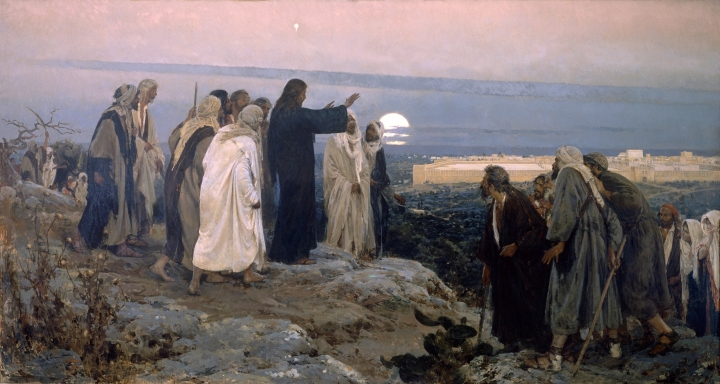
That same Christ who heals us and sustains us will be with us in our trials, and whereas our family and friends may prove false to us, we can have confidence that Christ will never let us down. He’s been through this. Through the gift of the Holy Spirit we are strengthened to bear witness to Him. For the same Christ who died for us, and rose again, who ascended into heaven, will come again to judge us and all the world. It sounds scary and intimidating, and at one level it is, and it should be. It matters; hence our urgency in proclaiming the Kingdom of God. But the one who will judge us, is the same one who died to set us free, the God who loves us, who heals us, and restores us. A God of love and mercy, risen with healing in his wings. Let us come to Him, be healed by Him, nourished with His Body and Blood and strengthened to proclaim Him in word and deed, so that the world may come to believe and sing the praises of God the Father, God the Son, and God the Holy Spirit, to whom be ascribed as is most right and just all might, majesty, glory, dominion, and power, now and forever. Amen.Enrique_Simonet_-_Flevit_super_illam_-_1892-1.jpg