Saturday, 29 June 2019

SS Peter and Paul

The city of Rome is famous for many things, and chief among them is that the city is the final resting place of two of the Apostles, SS Peter and Paul. Both were martyred there during the persecution of the emperor Nero, in the aftermath of the Great Fire. They bore witness to their faith even to the point of death because it was that important to them. And while everyone knows St Peter’s on the Vatican Hill, built over the site of his tomb, many people do not even know that St Paul, the Apostle to the Gentiles is buried there too, just outside the City Walls, on the great road south to Capua, the Via Appia. While Paul is remembered for his letters and St Luke’s account of his missionary journeys in the Acts of the Apostles, his resting place attracts far fewer visitors and pilgrims.

Now I don’t know about you, but I for one, when faced with the saints, am confronted with my own sense of inadequacy and sinfulness. I just don’t think that I can live up to the example. I can’t quite come up to the mark. This need not, however, be such a bad thing insofar as it points out our need to rely entirely upon God, and to trust in His mercy and grace. To trust in God to work in and through me. To trust in something which I do not deserve, but which nonetheless is poured out on me, so that in all things God may be glorified.

There is something wonderfully transparent about St Peter: a man of imposing strength and stature, handy for the physically demanding life of a Galilean fisherman, a man of little learning (unlike St Paul) but much love and faith — a man who speaks before he thinks, but whose instincts are often right, a man who loves and trusts Jesus. Likewise St Paul goes from persecuting the Church to being the most zealous proclaimer of the Good News of Jesus Christ, through the power of God.

In this morning’s Gospel Jesus asks His disciples ‘Who do people say that the Son of Man is?’ They report what people are saying ‘Some say John the Baptist, but others Elijah, and still others Jeremiah or one of the prophets.’ Jesus then asks them the question ‘But who do you say that I am?’ The question He asks His disciples He asks each and every one of us ‘Who do we say that Jesus is?’ ‘A prophet?’ ‘A well-meaning holy man?’ ‘A misguided revolutionary?’

Peter’s answer is telling: ‘You are the Messiah, the Son of the living God’ Jesus is the Christ, the anointed Saviour, the one who saves and rules Israel, and the Son of God. Peter is the first to confess the divinity of Christ, the first to recognise his Lord and Saviour. We need to do the same: to have the same faith and trust and love, to recognise Christ and confess Him as Our Lord and God.

Jesus’ response is simple ‘you are Peter, and on this rock I will build my church, and the gates of Hades will not prevail against it. I will give you the keys of the kingdom of heaven, and whatever you bind on earth will be bound in heaven, and whatever you loose on earth will be loosed in heaven’ In his confession of the Divinity of Christ, in his reliance upon and trust in God, Peter is empowered to bear witness to the Messiah and to carry on God’s work of reconciliation. He will fail: in the verses which follow this passage he argues that Jesus should not suffer and die, and is rebuked. After Our Lord’s arrest Peter, the rock, will deny Jesus not once, not twice, but three times. After the Resurrection Peter will need to be reminded to ‘feed Christ’s sheep’. There is also the story that during the first persecution in Rome under Nero, Peter flees, he tries to save his own skin. And he sees Christ carrying His Cross towards Rome. So Peter turns back and in the end he bears witness to Christ, he feeds the flock, he values Christ above all things, and bears witness to Him even at the cost of his own life.

St Peter is not exactly the person one might choose to be in charge — that’s the point, he’s not a success, he doesn’t possess the skillset for management: he’s not a worldly leader, he probably wouldn’t get through the modern Church’s selection process (and that’s sadly telling). He’s basically a cowardly failure, someone who speaks before he thinks. But he’s someone who knows God, who loves Him, trusts Him, and confesses Him, who proclaims Him in word and deed. He’s someone that God can use and be at work in, to be a herald of the Kingdom.

Above all else, and despite his failings, Peter bears witness to Christ, and we the Church are called to do exactly the same, some two thousand years later: we are to be witnesses to Christ: who He is and what He does, so that we can proclaim the Gospel, the Good News of God’s saving love. That is why we are here today, this morning, to be nourished by Word and Sacrament – to be fed by Christ, with Christ, with His Body and Blood, to witness the re-presentation of the offering of the Son to the Father, the sacrifice of Calvary, which restores our relationship with God and each other, which takes away our sins, which pays the price which we cannot, which gives us the hope of eternal life in Christ, so that we like St Peter can be healed, restored, and forgiven and strengthened in soul and body for our work of witness, so that God may be at work in us, in the proclamation of His Kingdom.

So let us be like St Peter, and when we are asked ‘Who do you say that the Son of Man is?’ Let us confess that Jesus is the Son of God, the Messiah, the God who saves us and loves us, so that the world may believe and give glory to God the Father, God the Son, and God the Holy Spirit, to whom be ascribed as is most right and just all might, majesty, glory, dominion, and power, now and forever.

SS Peter and Paul

The city of Rome is famous for many things, and chief among them is that the city is the final resting place of two of the Apostles, SS Peter and Paul. Both were martyred there during the persecution of the emperor Nero, in the aftermath of the Great Fire. They bore witness to their faith even to the point of death because it was that important to them. And while everyone knows St Peter’s on the Vatican Hill, built over the site of his tomb, many people do not even know that St Paul, the Apostle to the Gentiles is buried there too, just outside the City Walls, on the great road south to Capua, the Via Appia. While Paul is remembered for his letters and St Luke’s account of his missionary journeys in the Acts of the Apostles, his resting place attracts far fewer visitors and pilgrims.

Now I don’t know about you, but I for one, when faced with the saints, am confronted with my own sense of inadequacy and sinfulness. I just don’t think that I can live up to the example. I can’t quite come up to the mark. This need not, however, be such a bad thing insofar as it points out our need to rely entirely upon God, and to trust in His mercy and grace. To trust in God to work in and through me. To trust in something which I do not deserve, but which nonetheless is poured out on me, so that in all things God may be glorified.

There is something wonderfully transparent about St Peter: a man of imposing strength and stature, handy for the physically demanding life of a Galilean fisherman, a man of little learning (unlike St Paul) but much love and faith — a man who speaks before he thinks, but whose instincts are often right, a man who loves and trusts Jesus. Likewise St Paul goes from persecuting the Church to being the most zealous proclaimer of the Good News of Jesus Christ, through the power of God.

In this morning’s Gospel Jesus asks His disciples ‘Who do people say that the Son of Man is?’ They report what people are saying ‘Some say John the Baptist, but others Elijah, and still others Jeremiah or one of the prophets.’ Jesus then asks them the question ‘But who do you say that I am?’ The question He asks His disciples He asks each and every one of us ‘Who do we say that Jesus is?’ ‘A prophet?’ ‘A well-meaning holy man?’ ‘A misguided revolutionary?’

Peter’s answer is telling: ‘You are the Messiah, the Son of the living God’ Jesus is the Christ, the anointed Saviour, the one who saves and rules Israel, and the Son of God. Peter is the first to confess the divinity of Christ, the first to recognise his Lord and Saviour. We need to do the same: to have the same faith and trust and love, to recognise Christ and confess Him as Our Lord and God.

Jesus’ response is simple ‘you are Peter, and on this rock I will build my church, and the gates of Hades will not prevail against it. I will give you the keys of the kingdom of heaven, and whatever you bind on earth will be bound in heaven, and whatever you loose on earth will be loosed in heaven’ In his confession of the Divinity of Christ, in his reliance upon and trust in God, Peter is empowered to bear witness to the Messiah and to carry on God’s work of reconciliation. He will fail: in the verses which follow this passage he argues that Jesus should not suffer and die, and is rebuked. After Our Lord’s arrest Peter, the rock, will deny Jesus not once, not twice, but three times. After the Resurrection Peter will need to be reminded to ‘feed Christ’s sheep’. There is also the story that during the first persecution in Rome under Nero, Peter flees, he tries to save his own skin. And he sees Christ carrying His Cross towards Rome. So Peter turns back and in the end he bears witness to Christ, he feeds the flock, he values Christ above all things, and bears witness to Him even at the cost of his own life.

St Peter is not exactly the person one might choose to be in charge — that’s the point, he’s not a success, he doesn’t possess the skillset for management: he’s not a worldly leader, he probably wouldn’t get through the modern Church’s selection process (and that’s sadly telling). He’s basically a cowardly failure, someone who speaks before he thinks. But he’s someone who knows God, who loves Him, trusts Him, and confesses Him, who proclaims Him in word and deed. He’s someone that God can use and be at work in, to be a herald of the Kingdom.

Above all else, and despite his failings, Peter bears witness to Christ, and we the Church are called to do exactly the same, some two thousand years later: we are to be witnesses to Christ: who He is and what He does, so that we can proclaim the Gospel, the Good News of God’s saving love. That is why we are here today, this morning, to be nourished by Word and Sacrament – to be fed by Christ, with Christ, with His Body and Blood, to witness the re-presentation of the offering of the Son to the Father, the sacrifice of Calvary, which restores our relationship with God and each other, which takes away our sins, which pays the price which we cannot, which gives us the hope of eternal life in Christ, so that we like St Peter can be healed, restored, and forgiven and strengthened in soul and body for our work of witness, so that God may be at work in us, in the proclamation of His Kingdom.

So let us be like St Peter, and when we are asked ‘Who do you say that the Son of Man is?’ Let us confess that Jesus is the Son of God, the Messiah, the God who saves us and loves us, so that the world may believe and give glory to God the Father, God the Son, and God the Holy Spirit, to whom be ascribed as is most right and just all might, majesty, glory, dominion, and power, now and forever.

Sunday, 23 June 2019

TWELFTH SUNDAY OF YEAR C (Zechariah 12:10-11, 13:1, Gal 3:26-29, Lk 9:18-24)

The Jews in Israel in the time of Jesus knew what to expect of a Messiah: he would be an anointed king, of the House of David, who will unite the peoples, rule them and usher in an age of peace. Peace and freedom was what the people desired. First the Persians, then the Greeks, and finally the Romans had taken control of their land. The Messiah was their only hope for peace and freedom.

In this morning’s Gospel Jesus asks His disciples a simple question, ‘Who do people say that I am?’.They reply, ‘Some say John the Baptist, others Elijah, or one of the prophets’. He then asks the question, ‘But who do YOU say that I am?’ Peter answers, ‘The Christ of God’ By this Peter means a Messiah in the traditional sense. But Jesus commands that they tell no-one about this, because He is not going to be that kind of Messiah. He will fulfil the prophecies, but not in the way people expect.

Today Christ asks the same question of each and every one of us. Who do we say Jesus is? What we say matters. What we believe matters, and affects our life. Jesus goes on to say that the Son of God must suffer many things, be rejected, be killed, and be raised on the third day. That’s all a bit strange, really. He’s the Messiah, the Anointed of God and yet He will be rejected by Israel.

Throughout Israel’s history recorded in the Bible the people have turned away from God, worshipped idols and false gods, and it looks like they will again. As Zechariah prophesied, ‘when they look on him whom they have pierced, they shall mourn for him, as one mourns for an only child, and weep bitterly over him, as one weeps over a first-born.’ (12:10) They will look on him whom they have pierced, on the Cross, on Calvary. But Zechariah goes on, ‘On that day there shall be a fountain opened for the house of David and the inhabitants of Jerusalem to cleanse them from sin and uncleanness.’ (13:1) Christ’s death will be the fountain to cleanse us from sin and uncleanness. This we experience in our baptism, in the confession of our sins, and in the Eucharist: the fulfilment of prophecy.

Zechariah points forward to Christ, the Word made flesh, the Word of God who fulfils God’s Word.

To those who come after Him, which includes us, Christ says, ‘let him deny himself and take up his cross daily and follow me. For whoever would save his life will lose it; and whoever loses his life for my sake, he will save it.’ (Lk 9:23-24) As those saved and made free by the Cross of Christ, we take up our cross and follow Christ. We imitate Him, in selfless love and devotion, and bear the weight of the cross in life’s difficulties and disappointments. Following Christ is hard, as we lose our lives for Christ’s sake. If it were not, we would be surprised. It’s a struggle, and we cannot rely upon ourselves to get through. Instead it needs to be a corporate effort, something we do together, as a Christian community, trusting in God. Trusting in His Grace to be at work in us, both individually and as a neighborhood.

So we have a very different kind of Messiah offering us a very different way of life, which we see expressed perfectly in St Paul’s Letter to the Galatians. As children of God we are in a relationship with our Heavenly Father. We are saved through our baptism where we put on Christ, we are clothed with Him, so that we can be transformed more and more into His likeness. Now all human distinctions disappear. They don’t matter, because we are all one IN CHRIST. That was a radical thing to say when Paul preached nearly two thousand years ago, and it still is today. We are all one in Christ: young and old, rich and poor. It doesn’t matter who we are, where we are from, or anything else. As Christians we are all one in Christ.

To a world that is concerned with wealth, privilege, education, popularity, and all sorts of worldly things, the Church says: none of this matters. None of it does, other than belonging to Christ. How refreshing! How deeply counter-cultural! We can counter the emptiness and the vanity of the world, and offer it something meaningful and wonderful: new life in Christ.

This is why Christ died for us. To heal us, and restore us, to make us free to live in Christ, and for Him. Christ wants us to lose our lives for His sake, and find freedom in His service. We need to be humble enough to accept what God offers us, and be prepared to try to live it together. It isn’t about us, but rather letting God be at work in us. We co-operate with God, and live in love, and joy, and peace. We flourish as human beings. It’s liberating. It is what God wants for us. This is what true freedom is like, and we can live it together. So let us, and thereby give glory to God the Father, God the Son, and God the Holy Spirit, to whom be ascribed as is most right and just all might, majesty, glory, dominion, and power, now and forever.
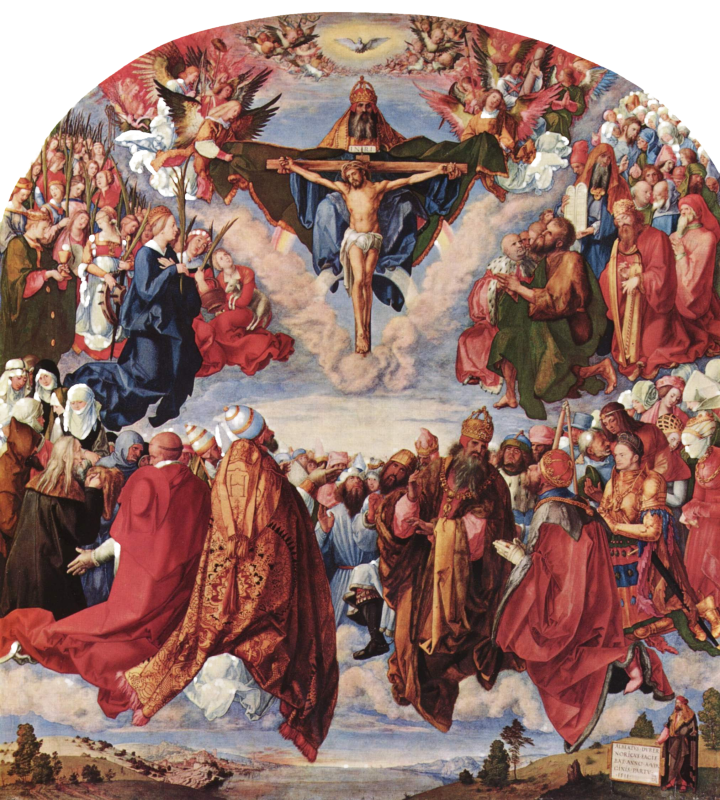
TWELFTH SUNDAY OF YEAR C (Zechariah 12:10-11, 13:1, Gal 3:26-29, Lk 9:18-24)

The Jews in Israel in the time of Jesus knew what to expect of a Messiah: he would be an anointed king, of the House of David, who will unite the peoples, rule them and usher in an age of peace. Peace and freedom was what the people desired. First the Persians, then the Greeks, and finally the Romans had taken control of their land. The Messiah was their only hope for peace and freedom.

In this morning’s Gospel Jesus asks His disciples a simple question, ‘Who do people say that I am?’.They reply, ‘Some say John the Baptist, others Elijah, or one of the prophets’. He then asks the question, ‘But who do YOU say that I am?’ Peter answers, ‘The Christ of God’ By this Peter means a Messiah in the traditional sense. But Jesus commands that they tell no-one about this, because He is not going to be that kind of Messiah. He will fulfil the prophecies, but not in the way people expect.

Today Christ asks the same question of each and every one of us. Who do we say Jesus is? What we say matters. What we believe matters, and affects our life. Jesus goes on to say that the Son of God must suffer many things, be rejected, be killed, and be raised on the third day. That’s all a bit strange, really. He’s the Messiah, the Anointed of God and yet He will be rejected by Israel.

Throughout Israel’s history recorded in the Bible the people have turned away from God, worshipped idols and false gods, and it looks like they will again. As Zechariah prophesied, ‘when they look on him whom they have pierced, they shall mourn for him, as one mourns for an only child, and weep bitterly over him, as one weeps over a first-born.’ (12:10) They will look on him whom they have pierced, on the Cross, on Calvary. But Zechariah goes on, ‘On that day there shall be a fountain opened for the house of David and the inhabitants of Jerusalem to cleanse them from sin and uncleanness.’ (13:1) Christ’s death will be the fountain to cleanse us from sin and uncleanness. This we experience in our baptism, in the confession of our sins, and in the Eucharist: the fulfilment of prophecy.

Zechariah points forward to Christ, the Word made flesh, the Word of God who fulfils God’s Word.

To those who come after Him, which includes us, Christ says, ‘let him deny himself and take up his cross daily and follow me. For whoever would save his life will lose it; and whoever loses his life for my sake, he will save it.’ (Lk 9:23-24) As those saved and made free by the Cross of Christ, we take up our cross and follow Christ. We imitate Him, in selfless love and devotion, and bear the weight of the cross in life’s difficulties and disappointments. Following Christ is hard, as we lose our lives for Christ’s sake. If it were not, we would be surprised. It’s a struggle, and we cannot rely upon ourselves to get through. Instead it needs to be a corporate effort, something we do together, as a Christian community, trusting in God. Trusting in His Grace to be at work in us, both individually and as a neighborhood.

So we have a very different kind of Messiah offering us a very different way of life, which we see expressed perfectly in St Paul’s Letter to the Galatians. As children of God we are in a relationship with our Heavenly Father. We are saved through our baptism where we put on Christ, we are clothed with Him, so that we can be transformed more and more into His likeness. Now all human distinctions disappear. They don’t matter, because we are all one IN CHRIST. That was a radical thing to say when Paul preached nearly two thousand years ago, and it still is today. We are all one in Christ: young and old, rich and poor. It doesn’t matter who we are, where we are from, or anything else. As Christians we are all one in Christ.

To a world that is concerned with wealth, privilege, education, popularity, and all sorts of worldly things, the Church says: none of this matters. None of it does, other than belonging to Christ. How refreshing! How deeply counter-cultural! We can counter the emptiness and the vanity of the world, and offer it something meaningful and wonderful: new life in Christ.

This is why Christ died for us. To heal us, and restore us, to make us free to live in Christ, and for Him. Christ wants us to lose our lives for His sake, and find freedom in His service. We need to be humble enough to accept what God offers us, and be prepared to try to live it together. It isn’t about us, but rather letting God be at work in us. We co-operate with God, and live in love, and joy, and peace. We flourish as human beings. It’s liberating. It is what God wants for us. This is what true freedom is like, and we can live it together. So let us, and thereby give glory to God the Father, God the Son, and God the Holy Spirit, to whom be ascribed as is most right and just all might, majesty, glory, dominion, and power, now and forever.
Saturday, 15 June 2019

Trinity Sunday

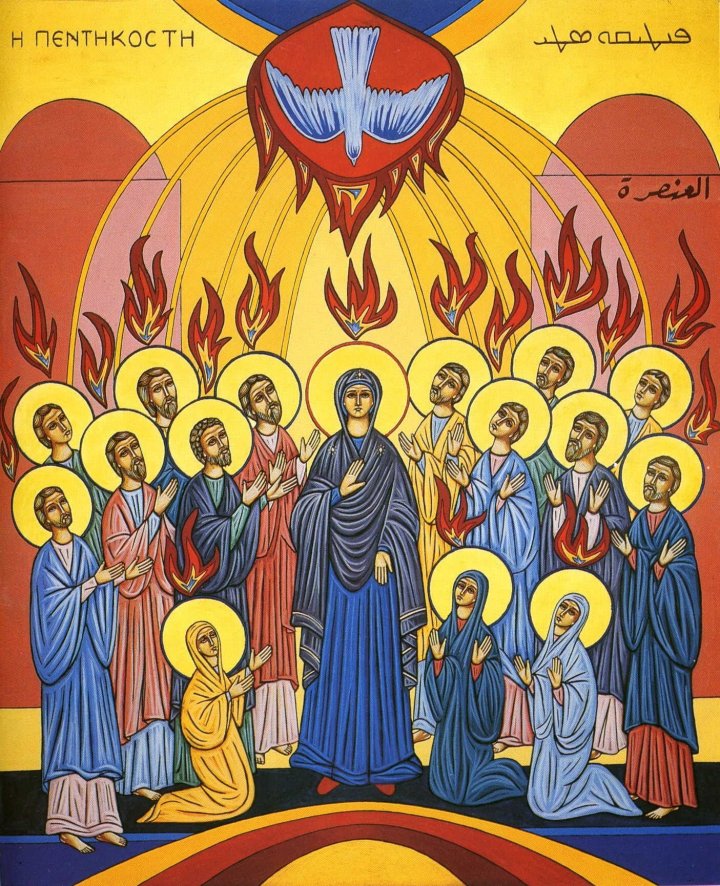
Trinity Sunday, or the Solemnity of the Most Holy Trinity, has been kept throughout the Western Church on the Sunday after Pentecost since 1334. It was the Sunday on which Thomas Becket was consecrated a bishop in 1162, and he commanded that the anniversary of his consecration  should be celebrated in honour of the Holy Trinity. The Feast was popular, so popular in fact, that the remaining Sundays before Advent were numbered after Trinity, rather than after Pentecost, in England and Wales.

The word itself, Trinity, coined by Tertullian in the second century AD combines the words for three and unity, three persons and one God, and this should not surprise us. Christian worship is Trinitarian, we worship One God: Father, Son, and Holy Spirit. We are baptised in their names, and our eucharist this morning begins ‘In the name of the Father, and of the Son, and of the Holy Spirit, Yn enw’r Tad, a’r Mab, a’r Ysbryd Glân’. The Creed which we are about to say has a tripartite structure, and expresses our belief in the Father, the Son, and the Holy Spirit. We are so used to it that we rarely stop to notice what we are doing, and why we do it. Our worship as Christians helps to form what we believe, and who we are. We believe, we put our trust in the God who created all that is. His Son, Jesus Christ, teaches us to call Him, ‘Our Father’ and so we pray to the Almighty Creator of all things knowing that He is Our Father too, we are in a relationship with a loving parent.

The Father begets the Son, and from Them the Spirit proceeds. Both the Spirit and the Son can be understood as the Wisdom of God described in our first reading this morning, thus the Son is eternally begotten, and the Spirit proceeds, moving over the waters as God creates the universe in Genesis. And between the first and second readings we have the entirety of salvation history, from the Creation of the Universe to the Day of Pentecost. Now, in the outpouring of the Holy Spirit in the Church we experience God in a profound and new way, as St Paul says, ‘because God’s love has been poured into our hearts through the Holy Spirit, who has been given to us.’ (Romans 5:5 ESV) This is reality of the Church, we are filled with the Holy Spirit, a spirit of love and joy. Jesus promises the Spirit to His apostles in John’s Gospel. Jesus promises us a Spirit who will lead us into all truth.

As Christians we worship One God, Father, Son, and Holy Spirit: they are not three Gods, but one God. That the three persons of the Trinity are one God is itself a mystery. The mystery of God’s very self: a Trinity of Persons, consubstantial, co-equal and co-eternal. We know God most fully in the person of Jesus Christ, the Incarnate Word of God, born of the Virgin Mary, who died upon the Cross for our sins, and was raised to New Life at Easter, who sent the Holy Spirit at Pentecost. In Christ God discloses who and what he is, we know Him as someone who pours out LOVE, who is interested in reconciliation. The wonderful thing about the outpouring of the Holy Spirit at Pentecost is that we can know and experience God in a full way. We can know Jesus Christ, the Word made flesh who speaks to us in Scripture, and who comes to us in Bread and Wine, so that we may be fed with His Body and Blood. We are filled with the Holy Spirit, and the point of all this is OUR transformation, by the power of God. We are not celebrating an abstract concept today, but rather a generous and loving God. Our God is not simply remote and transcendent, but one who makes His home with us, gives us His life, and transforms and heals us in LOVE. This is all possible through the relationship God has with us, through His Son and His Spirit, something concrete, personal and real.

In Christ, God becomes human, and can understand us from the inside, so to speak. This is not a distant, impersonal divinity, but one who lives a human life. One who understands our frailty, and who loves us. He sends His Spirit so that we may be encouraged and led into all truth, in the Church. We will face difficulties and hardships. Christ promises us no less, as does St Paul in our second reading. But the point is that these experiences, while painful, can be positive: we grow and develop through them. We become not jaded and embittered, but more loving and forgiving. We become what God wants us to be, so that we can be transformed by His redeeming love. God offers us all the opportunity to be something different, something more than we are, if we let Him change us. If we co-operate with His grace, so that filled with the Holy Spirit, and nourished by Word and Sacrament, God may be at work in us, transforming us into His likeness. So as we celebrate the mystery of the Holy and Life-giving Trinity, let us pray that we may be transformed by God’s love, and share it with others so that they may come to believe and give glory to God the Father, God the Son, and God the Holy Spirit, to whom be ascribed as is most right and just all might, majesty, glory, dominion, and power, now and forever.
Trinity Sunday

Trinity Sunday, or the Solemnity of the Most Holy Trinity, has been kept throughout the Western Church on the Sunday after Pentecost since 1334. It was the Sunday on which Thomas Becket was consecrated a bishop in 1162, and he commanded that the anniversary of his consecration  should be celebrated in honour of the Holy Trinity. The Feast was popular, so popular in fact, that the remaining Sundays before Advent were numbered after Trinity, rather than after Pentecost, in England and Wales.

The word itself, Trinity, coined by Tertullian in the second century AD combines the words for three and unity, three persons and one God, and this should not surprise us. Christian worship is Trinitarian, we worship One God: Father, Son, and Holy Spirit. We are baptised in their names, and our eucharist this morning begins ‘In the name of the Father, and of the Son, and of the Holy Spirit, Yn enw’r Tad, a’r Mab, a’r Ysbryd Glân’. The Creed which we are about to say has a tripartite structure, and expresses our belief in the Father, the Son, and the Holy Spirit. We are so used to it that we rarely stop to notice what we are doing, and why we do it. Our worship as Christians helps to form what we believe, and who we are. We believe, we put our trust in the God who created all that is. His Son, Jesus Christ, teaches us to call Him, ‘Our Father’ and so we pray to the Almighty Creator of all things knowing that He is Our Father too, we are in a relationship with a loving parent.

The Father begets the Son, and from Them the Spirit proceeds. Both the Spirit and the Son can be understood as the Wisdom of God described in our first reading this morning, thus the Son is eternally begotten, and the Spirit proceeds, moving over the waters as God creates the universe in Genesis. And between the first and second readings we have the entirety of salvation history, from the Creation of the Universe to the Day of Pentecost. Now, in the outpouring of the Holy Spirit in the Church we experience God in a profound and new way, as St Paul says, ‘because God’s love has been poured into our hearts through the Holy Spirit, who has been given to us.’ (Romans 5:5 ESV) This is reality of the Church, we are filled with the Holy Spirit, a spirit of love and joy. Jesus promises the Spirit to His apostles in John’s Gospel. Jesus promises us a Spirit who will lead us into all truth.

As Christians we worship One God, Father, Son, and Holy Spirit: they are not three Gods, but one God. That the three persons of the Trinity are one God is itself a mystery. The mystery of God’s very self: a Trinity of Persons, consubstantial, co-equal and co-eternal. We know God most fully in the person of Jesus Christ, the Incarnate Word of God, born of the Virgin Mary, who died upon the Cross for our sins, and was raised to New Life at Easter, who sent the Holy Spirit at Pentecost. In Christ God discloses who and what he is, we know Him as someone who pours out LOVE, who is interested in reconciliation. The wonderful thing about the outpouring of the Holy Spirit at Pentecost is that we can know and experience God in a full way. We can know Jesus Christ, the Word made flesh who speaks to us in Scripture, and who comes to us in Bread and Wine, so that we may be fed with His Body and Blood. We are filled with the Holy Spirit, and the point of all this is OUR transformation, by the power of God. We are not celebrating an abstract concept today, but rather a generous and loving God. Our God is not simply remote and transcendent, but one who makes His home with us, gives us His life, and transforms and heals us in LOVE. This is all possible through the relationship God has with us, through His Son and His Spirit, something concrete, personal and real.

In Christ, God becomes human, and can understand us from the inside, so to speak. This is not a distant, impersonal divinity, but one who lives a human life. One who understands our frailty, and who loves us. He sends His Spirit so that we may be encouraged and led into all truth, in the Church. We will face difficulties and hardships. Christ promises us no less, as does St Paul in our second reading. But the point is that these experiences, while painful, can be positive: we grow and develop through them. We become not jaded and embittered, but more loving and forgiving. We become what God wants us to be, so that we can be transformed by His redeeming love. God offers us all the opportunity to be something different, something more than we are, if we let Him change us. If we co-operate with His grace, so that filled with the Holy Spirit, and nourished by Word and Sacrament, God may be at work in us, transforming us into His likeness. So as we celebrate the mystery of the Holy and Life-giving Trinity, let us pray that we may be transformed by God’s love, and share it with others so that they may come to believe and give glory to God the Father, God the Son, and God the Holy Spirit, to whom be ascribed as is most right and just all might, majesty, glory, dominion, and power, now and forever.
Thursday, 6 June 2019

Pentecost 2019

The world in which we live can be a strange and confusing place, but it is fair to say that for the last fifty or sixty years we have not generally been that keen on having people tell us what to do. Now this makes things difficult for those of us who preach, precisely because moral instruction is our stock in trade. In other words, we tell people what to do, and how to live their lives. We do this because the Bible, as read and interpreted by the Church, shows us how to live in such a way that leads to human flourishing. Hence Jesus’ words in the Gospel, ‘If you love me, you will keep my commandments.’ (Jn 14:15 ESV) If we love God, we will listen to what He tells us, through His Son, and do what He says. We will not be like the world, which cannot receive the Spirit of Truth, because it refuses to listen, or obey.

The disciples have been to told to wait and pray. It is the feast of Pentecost, some fifty days after the Passover, Shavuot, the feast of weeks, a week of weeks, or fifty days, celebrating the grain harvest in Israel, and Moses giving the Law to Israel on Mt Sinai. It’s a time when Jews would come to be in Jerusalem. They would come from all over the world, to be there. And what they experience is something like the undoing of the Tower of Babel in Genesis 11:1-9. Instead of division, we see unity, and all the peoples of the world can hear and understand the proclamation of the Good News of Jesus Christ, the promised Messiah, the Son of God, who died for our sins, rose on the third day, ascended into heaven, and has sent His Holy Spirit.

It is this same Holy Spirit which we receive in our Baptism, Confirmation, and Ordination, which makes us children of God and co-heirs with Christ. We are part of God’s family, and through Christ we have an inheritance, the hope of heaven. Good news indeed! The same Holy Spirit, which brought about the Incarnation in the Annunciation to the Blessed Virgin Mary, through which Christ became incarnate in His mother’s womb, to be born for us, has been given to us. We have been filled with the same Spirit: you, me, every one of us here. And because of this God can do wonderful things in and through us. It helps us to be who and what God wants us to be, to have life in all its fulness.

In this morning’s Gospel Jesus says to his disciples, which includes us, ‘If you love me you will keep my commandments’. In other words, we will love God and our neighbour and live lives like Jesus, exhibiting the same costly, sacrificial love that He does. Not for nothing does St Paul say, ‘provided we suffer with him in order that we may also be glorified with him’ (Rom 8: 17 ESV) To follow Christ is to live a cross-shaped life, and we must expect difficulties, hardships, and sacrifice. And we embrace such things with JOY, because they bring us closer to Christ, and His sufferings. We need to love Jesus and keep his word so He and the Father will make their home with us. In St Paul’s Letter to the Romans we see what life in the Spirit is like. It is a turning away from the ways of the world and the flesh: not despising it, since Our Lord and Saviour Jesus Christ came in the flesh in the Incarnation, it was in the flesh that Our Lord ascended into heaven taking our flesh into the life of the Godhead, so that where he has gone we may also go. We are to sit lightly to the world and its ways, and through submitting to God to find perfect freedom in him. In the service of the Triune God we can be truly free, free to live for Him and to proclaim His truth to the world. If we love God this is what we are called to be, how we are called to live. Only in the Spirit can we enter fully into the divine life of love, and live out this love in the world. In the power of this love we can begin to understand the mystery of Our Lord’s Incarnation, His life, death, and resurrection, and we can let these mysteries shape our lives as Christians.

God will make his home with us in His word, Holy Scripture and the sacraments of his Church – outward signs of the inward grace which he lavishes on us in the power of his Spirit. That is why we are here today: to be fed with the Body and Blood of Christ, to see the re-presentation of the sacrifice of Calvary, to stand by the Cross so that we may be washed in the blood and water which flows from his side. In this we see God’s love for us, and we are strengthened to live the life of the Spirit: we can remain close to the God who loves us and saves us. We can be taught by his Spirit to remain in the faith which comes to us from the Apostles who first received the Spirit on this day. Let us live strengthened by Spirit, nourished by word and sacrament, in holiness and joy, proclaiming the truth and love of God, so that the world may believe and give glory to God the Father, God the Son, and God the Holy Spirit, to whom be ascribed as is most right and just all might, majesty, glory, dominion, and power, now and forever.

Pentecost 2019

The world in which we live can be a strange and confusing place, but it is fair to say that for the last fifty or sixty years we have not generally been that keen on having people tell us what to do. Now this makes things difficult for those of us who preach, precisely because moral instruction is our stock in trade. In other words, we tell people what to do, and how to live their lives. We do this because the Bible, as read and interpreted by the Church, shows us how to live in such a way that leads to human flourishing. Hence Jesus’ words in the Gospel, ‘If you love me, you will keep my commandments.’ (Jn 14:15 ESV) If we love God, we will listen to what He tells us, through His Son, and do what He says. We will not be like the world, which cannot receive the Spirit of Truth, because it refuses to listen, or obey.

The disciples have been to told to wait and pray. It is the feast of Pentecost, some fifty days after the Passover, Shavuot, the feast of weeks, a week of weeks, or fifty days, celebrating the grain harvest in Israel, and Moses giving the Law to Israel on Mt Sinai. It’s a time when Jews would come to be in Jerusalem. They would come from all over the world, to be there. And what they experience is something like the undoing of the Tower of Babel in Genesis 11:1-9. Instead of division, we see unity, and all the peoples of the world can hear and understand the proclamation of the Good News of Jesus Christ, the promised Messiah, the Son of God, who died for our sins, rose on the third day, ascended into heaven, and has sent His Holy Spirit.

It is this same Holy Spirit which we receive in our Baptism, Confirmation, and Ordination, which makes us children of God and co-heirs with Christ. We are part of God’s family, and through Christ we have an inheritance, the hope of heaven. Good news indeed! The same Holy Spirit, which brought about the Incarnation in the Annunciation to the Blessed Virgin Mary, through which Christ became incarnate in His mother’s womb, to be born for us, has been given to us. We have been filled with the same Spirit: you, me, every one of us here. And because of this God can do wonderful things in and through us. It helps us to be who and what God wants us to be, to have life in all its fulness.

In this morning’s Gospel Jesus says to his disciples, which includes us, ‘If you love me you will keep my commandments’. In other words, we will love God and our neighbour and live lives like Jesus, exhibiting the same costly, sacrificial love that He does. Not for nothing does St Paul say, ‘provided we suffer with him in order that we may also be glorified with him’ (Rom 8: 17 ESV) To follow Christ is to live a cross-shaped life, and we must expect difficulties, hardships, and sacrifice. And we embrace such things with JOY, because they bring us closer to Christ, and His sufferings. We need to love Jesus and keep his word so He and the Father will make their home with us. In St Paul’s Letter to the Romans we see what life in the Spirit is like. It is a turning away from the ways of the world and the flesh: not despising it, since Our Lord and Saviour Jesus Christ came in the flesh in the Incarnation, it was in the flesh that Our Lord ascended into heaven taking our flesh into the life of the Godhead, so that where he has gone we may also go. We are to sit lightly to the world and its ways, and through submitting to God to find perfect freedom in him. In the service of the Triune God we can be truly free, free to live for Him and to proclaim His truth to the world. If we love God this is what we are called to be, how we are called to live. Only in the Spirit can we enter fully into the divine life of love, and live out this love in the world. In the power of this love we can begin to understand the mystery of Our Lord’s Incarnation, His life, death, and resurrection, and we can let these mysteries shape our lives as Christians.

God will make his home with us in His word, Holy Scripture and the sacraments of his Church – outward signs of the inward grace which he lavishes on us in the power of his Spirit. That is why we are here today: to be fed with the Body and Blood of Christ, to see the re-presentation of the sacrifice of Calvary, to stand by the Cross so that we may be washed in the blood and water which flows from his side. In this we see God’s love for us, and we are strengthened to live the life of the Spirit: we can remain close to the God who loves us and saves us. We can be taught by his Spirit to remain in the faith which comes to us from the Apostles who first received the Spirit on this day. Let us live strengthened by Spirit, nourished by word and sacrament, in holiness and joy, proclaiming the truth and love of God, so that the world may believe and give glory to God the Father, God the Son, and God the Holy Spirit, to whom be ascribed as is most right and just all might, majesty, glory, dominion, and power, now and forever.

Friday, 31 May 2019

The Sunday after Ascension (Jn 17:20-26)

The Sunday after the Ascension, the Seventh Sunday of Easter, is one of those strange in-between times, not quite Pentecost yet. So we wait with the Apostles for the outpouring of the Holy Spirit. We wait, and we pray fervently that God will pour His Spirit into our hearts, and our lives, to fill us with His Love. 

In the Gospel this morning we are in the middle of Jesus’ High Priestly Prayer, which is the summit of His teaching just before His arrest and Passion. It is a moment of profound intimacy where Christ prays to God the Father. He prays not only for His disciples, but for those who will believe in Him through their word. That’s you, and me, and countless Christians down through the ages. Just before Christ’s arrest and Passion He prays for us. Such generosity and love should amaze us. Christ prays that we should be one, that there should be unity in the church. Sadly throughout its history this has not been the case, and it should shock us to the core. Unity is Christ’s will for His Church. It puts our petty human divisions into perspective. They’re bad and wrong; they’re not the will of God. It’s serious, and it matters, and we shouldn’t be making it worse, we should be growing together in love. We should do this because it is Christ’s will, we listen to Him, and do what He tells us. That isn’t the only reason, however. Christ prays that the Church may be one, ‘so that the world may believe that you have sent me.’ (17:21 ESV) In other words the truth of our witness and proclamation of the Gospel is contingent upon our unity. If we’re divided people won’t believe us. Which is the right or the proper bit? How can you tell? It isn’t always easy. 

Christ gives us His glory, which is His Passion and Death. To follow Christ leads to a Cross, and onward to new life. But if we want to follow Christ then we cannot ignore pain and suffering. We’ve signed up for it. All of us have, in our baptism, when we received the water of life without price. We have to bear witness to Christ regardless of the cost. People may well think we are fools for believing what we do. The idea that Christians are simple-minded, or deluded, or weak, has been around for a long time. A religion for women, slaves, and children, said the pagan Celsus around AD 180 (cf. Orig. contra Celsum 344) It’s a silly idea, but plenty of people still believe it, even today. We can convince them otherwise by means of rational argument, but also by the example of our lives, as authentic faith is attractive, real, and convincing. 

Christ speaks to us, and teaches us so that our joy may be complete in Him, filled with His love, and the Holy Spirit. The world’s reaction to this is a negative one: because what we are, what we stand for, and how we live as Christians is to be opposed to what the world around us stands for: selfishness, greed, which it makes into false gods, as though material wealth, or power, or status could save us – such things are transient and fleeting. The world offers us a short-cut, an easy road. Whereas if we are following Christ, then we are walking the way of his Passion, we are walking the Way of the Cross, dying daily to sin, and letting God’s grace be at work in and through us. It is not easy, it is difficult, most of us are unable to manage, we will fail, and we need the love and support of the Christian community to help us, even the first Christians, those who had been with Jesus, needed each other’s help and support, so they can continue what Jesus started.

We need to be together, to meet together to pray for our needs and those of the world, and to be nourished by the word of God, the Bible, and the Sacrament of Our Lord’s Body and Blood, not because they’re something nice to do on a Sunday morning: an add-on, an optional extra that we can opt into and out of as we feel like, but because as Christians they are crucial to who and what we are, if we are to remain in the love of God then we have to live this way. Only then can we offer the world an alternative to the ways of selfishness and sin. It will hate us for doing this, it will despise us and persecute us, it will call us hypocrites when we fail to live up to the example of Jesus; but as Christians who live in the love of God we forgive each other our trespasses, so that we can live out that same radical love and forgiveness which sees Jesus die upon the Cross for love of us and all the world, this is love which can transform the world. It is a message of such love, such forgiveness that the world cannot or does not want to understand it. We may not understand it, but we know that it can be experienced, and we are living testimony to its power. It turns our lives around and sets us free to live for God and to proclaim his saving truth in our words and actions, calling the world to repentance, to turn to Christ, and to be renewed in and through Him. In his power, with His Truth, filled with His Love we can transform the world, one soul at a time.

So as we wait with the Apostles for the gift of the Holy Spirit let us pray that Christ may come, and send His Holy Spirit, that God may be at work in us, building us up, and giving us strength to live his life and to proclaim his truth, to offer the world that which it most earnestly desires, a peace, a joy, a freedom which passes human understanding, and the gift of eternal life in Christ. Let us proclaim it so that all the world may come to know and love God the Father, God the Son, and God the Holy Spirit, to whom be ascribed as is most right and just all might, majesty, glory, dominion, and power, now and forever.

dsc_0038.jpg

The Sunday after Ascension (Jn 17:20-26)

The Sunday after the Ascension, the Seventh Sunday of Easter, is one of those strange in-between times, not quite Pentecost yet. So we wait with the Apostles for the outpouring of the Holy Spirit. We wait, and we pray fervently that God will pour His Spirit into our hearts, and our lives, to fill us with His Love. 

In the Gospel this morning we are in the middle of Jesus’ High Priestly Prayer, which is the summit of His teaching just before His arrest and Passion. It is a moment of profound intimacy where Christ prays to God the Father. He prays not only for His disciples, but for those who will believe in Him through their word. That’s you, and me, and countless Christians down through the ages. Just before Christ’s arrest and Passion He prays for us. Such generosity and love should amaze us. Christ prays that we should be one, that there should be unity in the church. Sadly throughout its history this has not been the case, and it should shock us to the core. Unity is Christ’s will for His Church. It puts our petty human divisions into perspective. They’re bad and wrong; they’re not the will of God. It’s serious, and it matters, and we shouldn’t be making it worse, we should be growing together in love. We should do this because it is Christ’s will, we listen to Him, and do what He tells us. That isn’t the only reason, however. Christ prays that the Church may be one, ‘so that the world may believe that you have sent me.’ (17:21 ESV) In other words the truth of our witness and proclamation of the Gospel is contingent upon our unity. If we’re divided people won’t believe us. Which is the right or the proper bit? How can you tell? It isn’t always easy. 

Christ gives us His glory, which is His Passion and Death. To follow Christ leads to a Cross, and onward to new life. But if we want to follow Christ then we cannot ignore pain and suffering. We’ve signed up for it. All of us have, in our baptism, when we received the water of life without price. We have to bear witness to Christ regardless of the cost. People may well think we are fools for believing what we do. The idea that Christians are simple-minded, or deluded, or weak, has been around for a long time. A religion for women, slaves, and children, said the pagan Celsus around AD 180 (cf. Orig. contra Celsum 344) It’s a silly idea, but plenty of people still believe it, even today. We can convince them otherwise by means of rational argument, but also by the example of our lives, as authentic faith is attractive, real, and convincing. 

Christ speaks to us, and teaches us so that our joy may be complete in Him, filled with His love, and the Holy Spirit. The world’s reaction to this is a negative one: because what we are, what we stand for, and how we live as Christians is to be opposed to what the world around us stands for: selfishness, greed, which it makes into false gods, as though material wealth, or power, or status could save us – such things are transient and fleeting. The world offers us a short-cut, an easy road. Whereas if we are following Christ, then we are walking the way of his Passion, we are walking the Way of the Cross, dying daily to sin, and letting God’s grace be at work in and through us. It is not easy, it is difficult, most of us are unable to manage, we will fail, and we need the love and support of the Christian community to help us, even the first Christians, those who had been with Jesus, needed each other’s help and support, so they can continue what Jesus started.

We need to be together, to meet together to pray for our needs and those of the world, and to be nourished by the word of God, the Bible, and the Sacrament of Our Lord’s Body and Blood, not because they’re something nice to do on a Sunday morning: an add-on, an optional extra that we can opt into and out of as we feel like, but because as Christians they are crucial to who and what we are, if we are to remain in the love of God then we have to live this way. Only then can we offer the world an alternative to the ways of selfishness and sin. It will hate us for doing this, it will despise us and persecute us, it will call us hypocrites when we fail to live up to the example of Jesus; but as Christians who live in the love of God we forgive each other our trespasses, so that we can live out that same radical love and forgiveness which sees Jesus die upon the Cross for love of us and all the world, this is love which can transform the world. It is a message of such love, such forgiveness that the world cannot or does not want to understand it. We may not understand it, but we know that it can be experienced, and we are living testimony to its power. It turns our lives around and sets us free to live for God and to proclaim his saving truth in our words and actions, calling the world to repentance, to turn to Christ, and to be renewed in and through Him. In his power, with His Truth, filled with His Love we can transform the world, one soul at a time.

So as we wait with the Apostles for the gift of the Holy Spirit let us pray that Christ may come, and send His Holy Spirit, that God may be at work in us, building us up, and giving us strength to live his life and to proclaim his truth, to offer the world that which it most earnestly desires, a peace, a joy, a freedom which passes human understanding, and the gift of eternal life in Christ. Let us proclaim it so that all the world may come to know and love God the Father, God the Son, and God the Holy Spirit, to whom be ascribed as is most right and just all might, majesty, glory, dominion, and power, now and forever.

dsc_0038.jpg

Saturday, 25 May 2019

Easter VI: John 14:23-29

Relationships are tricky things. We cannot live without them, we would be lonely to an unbearable degree. As human beings, we are made for relationships: they help make us who we are. But, they both need and require work and effort. You cannot simply take them for granted, and expect everything to be all right. As Christians we believe that our primary relationship is not that with our parents, spouse or children, or our friends, and neighbours; but with God. A God who created us, a God who redeemed us, in His Son, Jesus Christ. A God who loves us. 

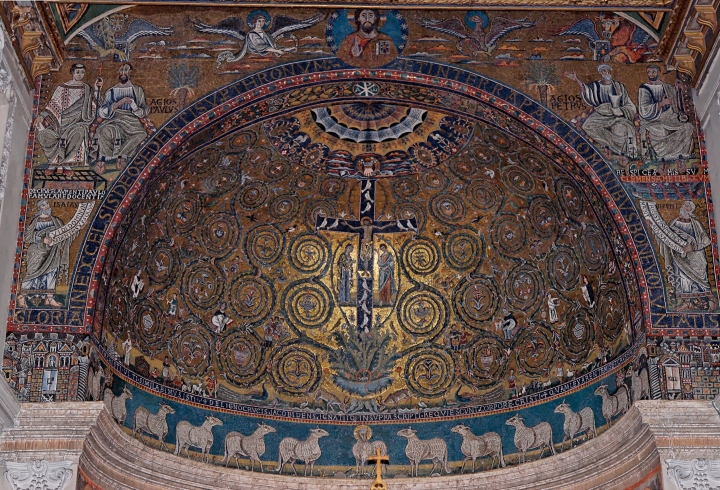
In the Book of Revelation we have a vision of the New Jerusalem, the perfection of God’s Creation, a foretaste of heaven. It is a place where the Glory of God provides illumination, and the lamp which holds the light is the Lamb. In other words, the Lamb, who is Christ, perfectly displays the glory of God. Christ shows us who God is, and what God’s glory is like. On either side of the river of the water of life is the tree of life. The water of life represents our baptism, and the tree of life is both the tree giving eternal life in the Garden of Eden, and the Cross, through which we have eternal life in Christ. And leaves of the tree are for the healing of the nations. The Church, then, is to be a place of healing, and reconciliation, where people may encounter Christ, and His healing love. That’s why we have a cross on our altar, as our central focus, to remind us of what it’s all about, to remind us how God’s glory is made manifest in our world. God’s glory, and God’s love, the two go together. 

And so, in the Gospel, Christ tells us that whoever loves Him keeps His word. If we love God, then we listen to what He says, and act accordingly. Something which is simple in theory and difficult in practice. The point is that we try, and fail, and ask for forgiveness, and reconciliation, and keep trying. It’s a process, and we won’t get better until we try. Think of riding a bicycle. You have to practice and persevere until you are able to do it. The hard bit is to get going in the first place. Once you’re moving, balance becomes easier, and then it’s a matter of steering, braking, and stopping. Our spiritual lives are far more complicated than riding a bike, but the basic analogy holds true. Keeping Christ’s word involves doing it: loving God and neighbour. As a result of this we experience God’s love. We will do that today most fully in the Eucharist, where Christ gives Himself to us, His Body and His Blood. We are fed by Christ, so that we can be transformed by Him. Christ promises us that the Father and the Son will come to us and make their home with us. It’s a relationship fully realised. We are invited into a relationship, and to experience that relationship in its fulness. That’s what being a Christian means. It allows us to love God, and to express that love in worship, to express our beliefs, and honour the God who loves us by meeting together, being nourished by Word and Sacrament, and praying together. Our response to the Love and Glory of God is, of necessity, AWE. God has done what we cannot, and despite our failures and shortcomings, continues to love us. That is true generosity. We cannot give anything back to God, God does not need our worship, but rather, by being thankful, and showing our love for the God who loves us, we become generous, and loving.

In the Gospel, Christ tells us that the Father will send the Holy Spirit in His name. As we prepare to celebrate Christ’s Ascension into Heaven, we look forward to the coming of the Holy Spirit at Pentecost. As our focus changes, we realise that all of this is the unfolding of the mystery of God’s love, for us. Christ gives us his peace. In Welsh there are two words for peace. The first, heddwch means an absence of conflict, worldly peace. The second, tangefedd, is the peace which comes from God. Christ can give us the peace which comes from a relationship with God, bought by His Blood on the Cross. This is the peace we enjoy as Christians, not an absence of conflict, but the deep peace of being loved by God, and loving Him in return. It is the peace of a relationship. Nothing earthly can compare to it, because we are made in the image of God, and filled with His Love. Because of this we can be a church, a community of love, living out our faith, nourished by Word and Sacrament. Christ also promises us His Holy Spirit. Our focus shifts from Easter towards Pentecost, as the fulfilment of the Resurrection. Christ rises and ascends so that we can receive the Spirit, and experience the fulness of new life in Christ. As was prophesied by Joel ‘And it shall come to pass afterwards, that I will pour out my Spirit on all flesh; your sons and your daughters shall prophesy, your old men shall dream dreams, and your young men shall see visions.’ (Joel 2:28 ESV) As Christ, the Word made flesh, is the fulfilment of prophesy, our joy and our peace. All scripture points to Him, and finds its fulfilment in Him. Our life in the Church is to be filled with the Holy Spirit, living the new life of His Kingdom. So let us live it, and share it with others so that all creation may sing the praise of God the Father, God the Son, and God the Holy Spirit, to whom be ascribed as is most right and just, all might, majesty, glory, dominion, and power, now and forever. Amen.

san-clemente2

Easter VI: John 14:23-29

Relationships are tricky things. We cannot live without them, we would be lonely to an unbearable degree. As human beings, we are made for relationships: they help make us who we are. But, they both need and require work and effort. You cannot simply take them for granted, and expect everything to be all right. As Christians we believe that our primary relationship is not that with our parents, spouse or children, or our friends, and neighbours; but with God. A God who created us, a God who redeemed us, in His Son, Jesus Christ. A God who loves us. 

In the Book of Revelation we have a vision of the New Jerusalem, the perfection of God’s Creation, a foretaste of heaven. It is a place where the Glory of God provides illumination, and the lamp which holds the light is the Lamb. In other words, the Lamb, who is Christ, perfectly displays the glory of God. Christ shows us who God is, and what God’s glory is like. On either side of the river of the water of life is the tree of life. The water of life represents our baptism, and the tree of life is both the tree giving eternal life in the Garden of Eden, and the Cross, through which we have eternal life in Christ. And leaves of the tree are for the healing of the nations. The Church, then, is to be a place of healing, and reconciliation, where people may encounter Christ, and His healing love. That’s why we have a cross on our altar, as our central focus, to remind us of what it’s all about, to remind us how God’s glory is made manifest in our world. God’s glory, and God’s love, the two go together. 

And so, in the Gospel, Christ tells us that whoever loves Him keeps His word. If we love God, then we listen to what He says, and act accordingly. Something which is simple in theory and difficult in practice. The point is that we try, and fail, and ask for forgiveness, and reconciliation, and keep trying. It’s a process, and we won’t get better until we try. Think of riding a bicycle. You have to practice and persevere until you are able to do it. The hard bit is to get going in the first place. Once you’re moving, balance becomes easier, and then it’s a matter of steering, braking, and stopping. Our spiritual lives are far more complicated than riding a bike, but the basic analogy holds true. Keeping Christ’s word involves doing it: loving God and neighbour. As a result of this we experience God’s love. We will do that today most fully in the Eucharist, where Christ gives Himself to us, His Body and His Blood. We are fed by Christ, so that we can be transformed by Him. Christ promises us that the Father and the Son will come to us and make their home with us. It’s a relationship fully realised. We are invited into a relationship, and to experience that relationship in its fulness. That’s what being a Christian means. It allows us to love God, and to express that love in worship, to express our beliefs, and honour the God who loves us by meeting together, being nourished by Word and Sacrament, and praying together. Our response to the Love and Glory of God is, of necessity, AWE. God has done what we cannot, and despite our failures and shortcomings, continues to love us. That is true generosity. We cannot give anything back to God, God does not need our worship, but rather, by being thankful, and showing our love for the God who loves us, we become generous, and loving.

In the Gospel, Christ tells us that the Father will send the Holy Spirit in His name. As we prepare to celebrate Christ’s Ascension into Heaven, we look forward to the coming of the Holy Spirit at Pentecost. As our focus changes, we realise that all of this is the unfolding of the mystery of God’s love, for us. Christ gives us his peace. In Welsh there are two words for peace. The first, heddwch means an absence of conflict, worldly peace. The second, tangefedd, is the peace which comes from God. Christ can give us the peace which comes from a relationship with God, bought by His Blood on the Cross. This is the peace we enjoy as Christians, not an absence of conflict, but the deep peace of being loved by God, and loving Him in return. It is the peace of a relationship. Nothing earthly can compare to it, because we are made in the image of God, and filled with His Love. Because of this we can be a church, a community of love, living out our faith, nourished by Word and Sacrament. Christ also promises us His Holy Spirit. Our focus shifts from Easter towards Pentecost, as the fulfilment of the Resurrection. Christ rises and ascends so that we can receive the Spirit, and experience the fulness of new life in Christ. As was prophesied by Joel ‘And it shall come to pass afterwards, that I will pour out my Spirit on all flesh; your sons and your daughters shall prophesy, your old men shall dream dreams, and your young men shall see visions.’ (Joel 2:28 ESV) As Christ, the Word made flesh, is the fulfilment of prophesy, our joy and our peace. All scripture points to Him, and finds its fulfilment in Him. Our life in the Church is to be filled with the Holy Spirit, living the new life of His Kingdom. So let us live it, and share it with others so that all creation may sing the praise of God the Father, God the Son, and God the Holy Spirit, to whom be ascribed as is most right and just, all might, majesty, glory, dominion, and power, now and forever. Amen.

san-clemente2

Saturday, 18 May 2019

Easter V ‘Love one another as I have loved you’

St Thomas Aquinas teaches us that to love is to the will the good of the other (STh I-II, q.26 a.4,[Respondeo dicendum quod, sicut Philosophus dicit in II Rhetoric, amare est velle alicui bonum] CCC 1766). To love, then, is not simply an act of passion or emotion: something we feel, but something we choose to do. The commands to love God and our neighbour, found in Deuteronomy and Leviticus, are central to the Christian Faith, as taught and exemplified by Our Lord. To choose someone else’s good reminds us that we do not exist for our own sake, and that our lives are lived in community and relationship with others. We are called to be loving and generous, just as God as been loving and generous towards us in Christ. We seek to cooperate with God in promoting human flourishing. 

Jesus is quite explicit in this morning’s Gospel, ‘A new commandment I give to you, that you love one another: just as I have loved you, you also are to love one another. By this all people will know that you are my disciples, if you have love for one another.’ (John 13:34-35 ESV) We are to love each other as Jesus has loved us. We are to lay down our lives, as Christ has for us. In this love and service we can truly love each other. This makes who and what we are manifest to the world around us. It makes Christianity something attractive because people can see the difference it makes. We are people of love and a community of love, willing good, and helping to make it a reality. It is a radical and world-changing idea, underpinned by selfless love, which Christ commands of us, His Church, to help transform the world through His Grace that humanity might come to have life, life in all its fullness. 

In the Acts of the Apostles we see St Peter realise that salvation is for Gentiles as well as Jews, that all are called to be baptized into Christ and receive His Holy Spirit. In the Book of Revelation we see God promise, ‘To the thirsty I will give from the spring of the water of life without payment.’ Acts 21:6 ESV) God promises to quench our spiritual thirst, which nothing else can satisfy. John’s vision of the future explains why, in the Gospel, Christ states that He will only be with the disciples on earth a little while, and where He is Going they cannot come. They cannot go to the Cross, to reconcile God and humanity, nor can they yet go to Heaven, because Christ has not yet died, risen, and ascended. Because of what Christ has done, the New Creation is possible. Humanity can be united with God forever. We have a vision of a future without pain or suffering, because what is offered is unity with God, the fullness of human existence. This is the Christian hope of Heaven. Because of what Christ has done, and where He has gone, we can have this hope, through our baptism, by which we are saved. 

These are not idealist pipe-dreams but the reason why we are Christians. Because we have a hope of heaven, we want to see a world transformed more and more into the likeness of Christ, into a place of peace, and joy, and love, to prepare us for the joys of heaven. Christ gives us this commandment so that we may have life and have it to the full, in and through Him, the source of all life and love.

This is what following Christ means in practice: living and dying like Christ, together, so that by this all will know that we are His disciples, through love lived out in our lives we proclaim the reality and the truth of our faith in Him. It’s something which we do together, and while it sounds easy in theory it is much harder in practice. We must try, and fail, and keep on trying. It is why we need to stay close to Christ in Word and Sacrament, to pray together, to support and forgive each other, so that we can live a life of love, not saccharin-sweet as the world sees it, but real, sacrificial love, the sort which has the power to transform the world so that it becomes more Christ-like. We thirst for this love, and only it can satisfy our deepest desires, so let us come, and drink of that living water, let us feast on Him who is the Living Bread and the True Vine, the Shepherd of our souls, who loves us so much that he died for us, and let us love Him and one another so that all the world may believe and give glory to God the Father, God the Son, and God the Holy Spirit, to whom be ascribed as is most right and just, all might, majesty, glory, dominion, and power, now and forever. Amen.

Albrecht_Dürer_003.png

Saturday, 27 April 2019

Easter II [Acts 5:27-32, Revelation 1:4-8, Jn 20:19-31]

In this morning’s first reading Saint Peter and the apostles are told by the authorities not to preach in the name of Jesus. Naturally, it is impossible for them to do this; they simply have to tell the world about Him and His Resurrection. They do this so that the gospel may be proclaimed: the gospel of repentance and forgiveness of sins through Christ. To be a Christian is to turn away from the ways of sin, the ways of the world — we are obedient to God, we hear what he is said in Christ and we obey him. The Church, then, must always be on its guard lest it ceases to be obedient to God and turns instead to the ways of the world, the ways of humanity. As St Paul says in his Letter to the Romans ‘be not conformed to this world’. It is a difficult thing to do. It is hard. It takes strength of character and confidence, and it will not be popular. But just as the apostles rejoiced that they were counted worthy to suffer dishonour for the name, and did not cease teaching and preaching Jesus Christ, so the Church is always called to do the same: to risk persecution, and to speak the uncomfortable truth which the world does not want to hear. This is our calling. 

When the disciples are sat in a locked room, afraid of persecution Christ comes among them and says, ‘Tangnefedd i chwi’ ‘Peace be with you’. Christ comes to give them peace. He gives them a peace which the world cannot give, because it is not of this world. The peace Christ which comes to give us is the peace won on the Cross, which has reconciled God and humanity. This wonderful relationship leads to the disciples being sent, as Christ was, to proclaim the Good News of the Kingdom, and of new life in Christ. Christ empowers His Apostles with the Holy Spirit, to forgive sins, and carry on Christ’s work of reconciliation. The church exists to do just this, to proclaim and reconcile, to carry on Christ’s work in the world in the power of the Holy Spirit.

All of us can, I think, understand Thomas’ frustration at not being there. It isn’t that he doubts, he wants to believe, and to experience the reality of his Risen Lord, and not to be left out. It’s a very human reaction. So when Jesus is with them again on Sunday, He greets them with Peace, and offers his hands and side to Thomas. He gives Thomas what he wants, proof that it is really Jesus, that he has truly risen from the dead. When faced with the reality of the Risen Jesus, Thomas can only say, ‘My Lord and My God’. Thomas confesses that Jesus is Lord and God, the sole supreme authority, above anything of this world. He worships God in Christ. We do the same, and we are blessed because we have not seen and yet believe. We believe because of the witness of Thomas, and others, down through the centuries, who have proclaimed the Good News of Jesus Christ, even at great personal cost. As St Peter and the apostles said, ‘We must obey God rather than men’ (Acts 5:29 ESV) Christians around the world follow their lead, and to this day face imprisonment, torture, and death, for their belief in Christ. They do so gladly, because of who Christ is, and what He has done. We may not face suicide bombers in our churches, thank God. But we are no less resolved to bear witness to Christ. We may be ignored by the world around us, but we carry on bearing witness to the love and reconciliation which Christ brings, and which nothing else can. We continue, ‘so that you may believe that Jesus is the Christ, the Son of God, and that by believing you may have life in his name’ (John 20:31 ESV) Christ comes to bring us life, in His Incarnation, in His Life and Preaching, and in His Death and Resurrection. He gives us His Life, through our Baptism, and through the Eucharist. We are united with Christ, and transformed by Him, to live His life in the world, filled with His Holy Spirit. This is good news, which we long to share with others, so that they may come to know Christ, and experience His Love. The Church exists to deal with the mess we make as human beings, through what Jesus has done for us, in the power of His Holy Spirit. The Church is to be a community of reconciliation, where we are forgiven and we, in turn, forgive. It is to be a place where we are freed from sin, its power and its effects.

The disciples go from being scared and stuck in an upper room to missionaries, evangelists, spreading the Good News around the world, regardless of the cost, even of sacrificing their own lives to bear witness to the fact that Jesus Christ is the Son of God, that he died for our sins, and that he rose again, on this day for us, that God loves us and tells us to love Him and to love one another. It is a simple and effective message which people still want to hear — we need to tell it to them, in our thoughts, our words and our actions.

The heart of our faith and the Gospel is forgiveness — no matter how many times we mess things up, we are forgiven. It is this reckless generosity of spirit which people find hard to believe that they too can be forgiven, by a loving God, and by their fellow Christians. That we can, despite our manifold shortcomings be a people of love, and forgiveness, and reconciliation. That God’s Grace will in the end not abolish our nature, but perfect it, that being fed by Christ, with Christ: so that we too may become what He is. That faced with the sad emptiness of the world, and its selfishness, its greed, we can be filled with joy, and life, and hope. That like the first apostles we too can spread the Gospel: that the world may believe.

So let us be filled with the joy of the Resurrection this Easter, let us share that joy with others, may it fill our lives and those of whom we meet with the joy and love of God, who has triumphed and who offers us all new life in Him, that all that we do, all that we are, all that we say or think may give glory to God the Father, God the Son, and God the Holy Spirit, to whom be ascribed as is most right and just, all might, majesty, dominion and power, now and forever.

7ec0d-the_incredulity_of_saint_thomas-caravaggio_1601-2

Friday, 19 April 2019

Good Friday

Today something amazing happens: Christ dies for us. He who became incarnate in the womb of the Virgin Mary, suffers and dies for us. We come to contemplate the Word made Flesh, God incarnate, suffer and die for us. In this we may truly know God, and His Love for us, who took flesh for our sake, and now dies that we might live. 

In today’s first reading from the prophet Isaiah we see all of Christ’s suffering and death foretold, and interpreted:

 ‘He was despised and rejected by men; a man of sorrows, and acquainted with grief; and as one from whom men hide their faces he was despised, and we esteemed him not. Surely he has borne our griefs and carried our sorrows; yet we esteemed him stricken, smitten by God, and afflicted. But he was wounded for our transgressions; he was crushed for our iniquities; upon him was the chastisement that brought us peace, and with his stripes we are healed.’ (Isa 53:3-5 ESV) 

Because of what happens today we are healed. The wounds of sin, which cry out for healing, can be healed in Christ. Such is God’s love for us. What sin has destroyed, love restores. This is the heart of our faith as Christians: God loves us so much that His Son becomes incarnate and suffers and dies for love of us. Words cannot fully express the mystery of God’s love. Instead, we come to gaze upon our Crucified Lord, to behold His love for us and prepare to eat His Body, broken for us.

Christ is our great High Priest, who as both priest and victim offers Himself upon the altar of the Cross to bleed and die for us, to bear our sins, and to reconcile us with God the Father. He dies that we might live. People find this idea difficult, they are not comfortable with it. That’s the point. Christ’s death should make us feel uncomfortable because it reminds us that OUR sins have put Him there. He bears our burden, and that of all humanity, past, present, and future, and through His wounds we are healed. 

Sin is a serious business. It is the human refusal to listen to God, and to cooperate with the Divine will for our flourishing. We are made in the image of God, but sin marrs that image in us. It is a serious problem, and one which we cannot put right ourselves. We cannot earn our way to heaven, through faith or good works. That is why Christ dies for us. Instead we have to rely upon grace, the unmerited love and mercy of God. We have to accept it, so that we can be transformed by it. God saves us because of His love and mercy. Today we see that love and mercy enacted in Our Lord’s Passion and Death. 

At the heart of our faith is the idea that God became what we are, so that we might become what He is. It’s the truth of the Incarnation, and it underpins what happens today. Christ dies for us, so  that we might share His Risen life. But, before we can, Christ experiences the physical torture caused by our sins. He experiences the desolated of being forsaken by God, the effect of sin, and cries out the opening words of Psalm 22: ‘My God my God why hast thou forsaken me: and art so far from my cry and from the words of my distress?’ And yet in the midst of this we, as Christians, can have hope and even joy. What the world sees as disaster and failure, we recognise as a triumph. Christ is executed for sedition and blasphemy, for claiming to be the King of the Jews and the Messiah, the Son of God. What in the eyes of the world is shameful: dying alone, naked and vulnerable, is in fact the greatest demonstration of God’s love. Love freely given, from His Incarnation, to His Death and beyond, this is the Good News, the proclamation of the Christian Faith: ‘we preach Christ crucified, a stumbling block to Jews and folly to Gentiles,’ (1Cor1:23 ESV). A stumbling block to Jews because following Deuteronomy 21:22-23 (ESV) ‘And if a man has committed a crime punishable by death and he is put to death, and you hang him on a tree, his body shall not remain all night on the tree, but you shall bury him the same day, for a hanged man is cursed by God. ’ The messiah cannot be crucified, but He is. Greeks love wisdom, logic, and Philosophy. The idea that God would die for humanity doesn’t make sense. Gods are vengeful or indifferent at best. The idea that God loves us enough to die for us is crazy. And so it is, and we rejoice in the absurdity of it. God reconciles humanity through degradation, torture, and suffering, to show us the reconciling power of His Love, stronger than death, or sin. What looks like failure is in fact VICTORY. Today, Christ conquers sin and death, all that separates God and humanity, and by His stripes we are healed. 

We don’t deserve it and we haven’t earned it, that’s the point, that’s what grace is, unmerited kindness, reckless generosity. It is there to help us become the people God wants us to be: to be strengthened, fed, healed, and restored by him: to die to sin and be raised to new life, and to share that life and love with others, that the world might believe and be saved through him. Christ pays the debt which we cannot to reconcile humanity to His loving and merciful Father. Christ shows us the meaning of true love: that we might live it out in our lives, forgiving one another, bearing our own cross, and living lives of love for love of Him who died for love of us.

We should glory in the Cross of our Lord Jesus Christ, for he is our salvation, our life, and our resurrection, through him we are saved and made free. Amen.

cropped-velazquezcrucifxion.jpg