Showing posts with label Hope. Show all posts

Saturday, 9 January 2021

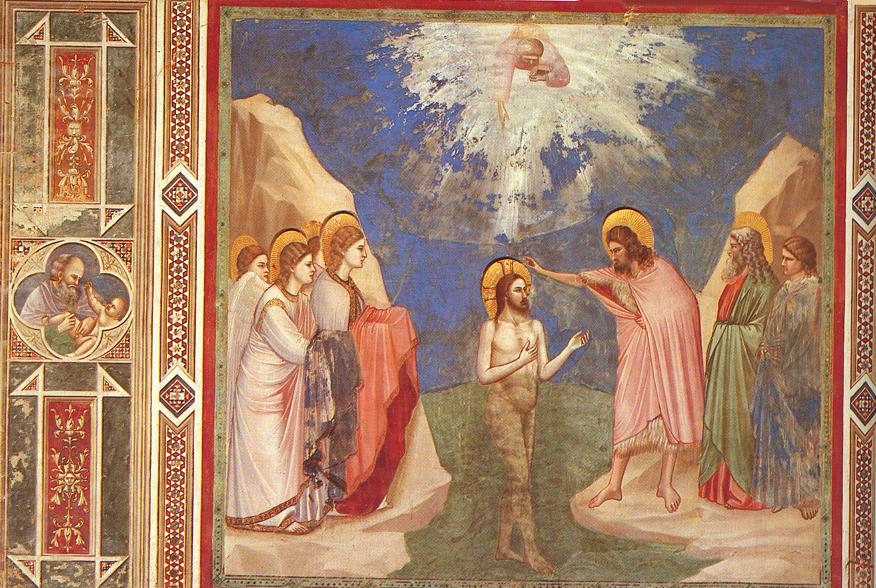
Baptism of Christ

The Baptism of Christ by John the Baptist in the River Jordan at the start of His public ministry is one of the events found in all four Gospels (the others are the Feeding of the Five Thousand, and the account of the Lord’s Passion, Death, and Resurrection, from Palm Sunday to Easter Day). Each gospel contains accounts of the beginning and end of Jesus’ public ministry, as well as a miraculous feeding. If we take a moment to consider both what baptism is, and what it is for, we may come to understand why all four  gospel writers included it in their account of the life and teachings of Jesus. 

Baptism is symbolic washing with water for the forgiveness of sins. If Jesus was baptized does that mean that He sinned? The answer is, No. So, given the fact that Jesus committed no sins, did He need to be baptised by John? Again, the answer is. No. You may begin to wonder what is going on here? Why would Jesus begins His Public ministry in Galilee with a redundant action? If Jesus does not need to be baptised, what is the point of it? What is Jesus doing and why is it important for us?

Unlike all human beings, who commit sin, and become estranged from their relationship with God, Jesus is God become man. He is perfect, sinless, and united with God the Father, and the Holy Spirit, a Trinity of love. There is no need to restore the relationship, because it is one of perfect love. Mark’s account of the Baptism is prefaced by the words of John the Baptist:

After me comes he who is mightier than I, the strap of whose sandals I am not worthy to stoop down and untie. I have baptized you with water, but he will baptize you with the Holy Spirit.” (Mk 1:7-8)

John the Baptist is linking Christ’s baptism with the redemption of humanity in His death. The very beginning of Jesus’ public ministry points to the Cross, where salvation and freedom will be offered to all who turn to Christ. John baptises with water, but he looks forward to Jesus, who will baptise with the Holy Spirit. This is the baptism of the Church, to save and redeem humanity, by sharing in Christ’s Death and Resurrection.

Once Jesus has been baptised by John, extraordinary things happen:

And when he came up out of the water, immediately he saw the heavens being torn open and the Spirit descending on him like a dove. And a voice came from heaven, “You are my beloved Son; with you I am well pleased.” (Mk 1:10-11)

At the moment of Jesus’ baptism we hear God the Father, and see God the Son and God the Holy Spirit. The fulness of God is manifest to humanity in the Trinity. We can see and hear God’s saving work. Jesus does not need to be baptised, but does so for three reasons. Firstly to demonstrate His humility, and obedience to the will of the Father; secondly to sanctify the waters of baptism, and finally to act as an example for us to follow. Thus, God sends the Holy Spirit to demonstrate the bond of love between the Father and the Son. The Father speaks to demonstrate that Jesus is the Son of God. He is beloved of the Father, and His obedience and humility is pleasing in the sight of God. Jesus shows us the way back to the Father. By our own obedience and humility, by our repentance, and turning away from the ways of sin and the world, we return to the God who loves us. This is the message of the church: that God’s grace is available to us, to everybody, even though we haven’t worked for or earned it, even though we have done nothing to deserve it, God’s love and mercy is there for us. In Baptism we receive adoption, and become part of the family of God. Through Baptism we are born again, of water and the Spirit, we are ‘in Christ’, clothed with Him.

The unnecessary nature of the act of Jesus’ Baptism discloses something profound about the nature of God and His love for us. God gives us more than we ask for, because it is in God’s nature to be generous in a way which astounds us. There is something reckless, extravagant, utterly over the top, about the love of God, which should prompt us to love and care for others in a similar way.

John’s baptism of water prepares the way for the baptism of the Holy Spirit in Christ, through which we enter the Church. It shows us a new way of living. Life in the Spirit, life with God, has a profound effect on us, who we are and what we do. It opens up the possibility of living in a new way, a way of love, which mirrors the generosity shown to us by God. This way of life shows us in the Church what it is to be truly alive and how to live in a new way. It points to another act of God’s extravagant love: when Christ dies on the Cross, to take away our sin, to carry our burden, which separates us from God and each other. Our wounds are healed, the relationship is restored so that we can live the life of the Kingdom of God here and now: living out that self-giving, reckless, extravagant love and forgiveness in our own lives, and in the world around us.

Back in our first reading this morning the prophet Isaiah looks forward to the coming of the Messiah with a proclamation of extravagant generosity:

Come, everyone who thirsts, come to the waters” (Isa 55:1)

This invitation is also the invitation of the Church, for people to enter it by baptism and share in the unsearchable riches of Christ. Today we remember that salvation is offered to the world through baptism. We give thanks for the rebirth of our own baptism, and hope to share it with others. Baptism reminds us of the hope which we have in Jesus Christ, hope of new life, and eternal life with Him. Whatever is happening in the world, or in our own lives we can trust in who God is, and what He has done for us. In this trust we can live out our faith so that the world may be transformed and believe and give glory to God the Father, God the Son, and God the Holy Spirit, to whom be ascribed, as is most right and just, all might, majesty, glory, dominion, and power, now and forever. Amen. 

Saturday, 14 November 2020

The 33rd Sunday of Year A (Prov 31:10-13, 19-20, 30-31, 1 Thess 5:1-11, Mt 25:14-30)

In the ancient world, as in today’s world, the domestic life of women was difficult. Without modern labour-saving devices, household chores were even more laborious and time-consuming. A wife would be expected to run a household, and it was hard and difficult work. Such a demanding role means that paragons in the domestic sphere were to be praised and prized. And, in the Book of Proverbs, we see such an example of industry, of hard work. Throughout Ancient Wisdom Literature, wisdom and industry go hand in hand, they are beautiful and good, as they come from the source of all beauty and goodness, namely God. An excellent wife is more valuable than jewels, because while precious stones possess beauty and value, they are not capable of doing good. 

The heart of her husband trusts in her, and he will have no lack of gain. (Proverbs 31:11)

As a result of the relationship between a loving husband and wife, their mutual prosperity is assured. This then leads to generosity:

She opens her hand to the poor and reaches out her hands to the needy. (Proverbs 31:20)

The point of wealth is not for it to be acquired for its own sake, but so that it may be a blessing to others. God wants humanity to flourish by being loving and generous. This theme runs through all our readings this morning.

St Paul’s First Letter to the Thessalonians is written to a community that is afraid of two things: death and the return of Jesus in Judgement. These are understandable emotions. However, while death and judgement are inescapable, they do not need to be feared. They are compared with the labour pains of a pregnant woman, which are often sudden and sharp. But if we live lives characterised by love, and we have faith in Jesus Christ who died and rose again for us, we have the hope of salvation. This is good news, and leads St Paul to write:

For God has not destined us for wrath, but to obtain salvation through our Lord Jesus Christ (1Thess 5:9)

Paul’s letter is written to encourage his fellow Christians, to allay their fears and to build up their faith, hope, and love, as a community:

Therefore encourage one another and build one another up, just as you are doing (1Thess 5:11)

We all of us need encouragement, especially when times are difficult, and when we are as afraid or unsure, as we are at the moment. It is good to be reminded that, in trying to lift each others spirits, we are behaving as a Christian community should.

In today’s Gospel, Jesus continues to talk about the future using parables. Just as with the Parable of the Wise and Foolish Virgins, Jesus begins by showing that he is talking about a future reality: how things WILL BE, not how they are now. This future reality is Christ’s return. Christians believe that Jesus will come again to judge the world. The theme of today’s parable, the Parable of the Talents is judgement. These days, we are not comfortable with ideas of judgement. Many of us remember preachers using ideas of hell-fire and damnation to fill people with fear. But the heart of the Gospel is love not fear, and perfect love casts out fear. 

In the parable the master goes on a journey and entrusts his property to his servants. He puts his possessions into their care because he trusts them to look after it. The servants who are assigned five and two talents are both praised for being ‘good and faithful’. They have acted morally and demonstrated their faith, and they will be rewarded. The problem is with the servant who was given just one talent and hid it in the ground. He explains his actions, saying:

‘Master, I knew you to be a hard man, reaping where you did not sow, and gathering where you scattered no seed, so I was afraid, and I went and hid your talent in the ground. Here you have what is yours.’ (Mt 25:24-25)

This servant does not love his master, he fears him. He does not take care of what has been entrusted to him, because he simply sees it as a possession, a thing. The servant loves neither his master nor what was entrusted to him. By hiding the talent in the ground, he squanders the opportunity his master has given him, because he is jealous and resentful. As all gardeners know, seeds produce different results, just as in the Parable of the Sower, but they all need to be sown in the first place. What we learn here is that bitterness and resentment have no place in the Kingdom, they are not compatible with a Gospel of Love. The tragedy is that the fearful servant condemns himself to being outside the Kingdom, by failing to recognise both generosity, and the value of a relationship. 

The Parable of the Talents, just like the Parable of the Wise and Foolish Virgins, is a commentary on the life of the Kingdom. These are stories of servants who are prepared and continue to work, until their master returns. They are parables which teach us how to be a Church of loving generous service, not one of fear.

It may sound pedestrian, or even humdrum, but living the Christian life, living the life of the Kingdom, is, at a day to day level, boring, difficult and repetitive. It is about ‘keeping on keeping on’ — loving, forgiving, praying –- nourished by the Body and Blood of Christ, fed by Him, and with Him, freed from the fear which is the antithesis of the Kingdom, rejoicing in the gifts which God gives us, being thankful for them, and using them for God’s glory. None of us fully deserve the gift of God’s love and forgiveness in Jesus Christ: we have not earned it. It is not a reward, but rather the gift of a loving God. It is a gift which we are called to receive, and it transforms our lives. The God who will come to judge us, and all humanity, is a God of love and mercy, whose hands bear the mark of nails, wounded for love of us. Judgement and mercy go hand in hand, and if we love God and love our neighbour, we are living the life of the Kingdom, here and now, free from fear. 

So let us live out that life together, encouraging one another, so that we may all be built up in faith, hope, and love, and together share in the joy of the Kingdom, so that all may know and love God the Father, God the Son, and God the Holy Spirit, to whom be ascribed, as is most right and just, all might, majesty, glory, dominion, and power, now and forever. Amen. 

Rembrandt The Parable of the Talents

The 33rd Sunday of Year A (Prov 31:10-13, 19-20, 30-31, 1 Thess 5:1-11, Mt 25:14-30)

In the ancient world, as in today’s world, the domestic life of women was difficult. Without modern labour-saving devices, household chores were even more laborious and time-consuming. A wife would be expected to run a household, and it was hard and difficult work. Such a demanding role means that paragons in the domestic sphere were to be praised and prized. And, in the Book of Proverbs, we see such an example of industry, of hard work. Throughout Ancient Wisdom Literature, wisdom and industry go hand in hand, they are beautiful and good, as they come from the source of all beauty and goodness, namely God. An excellent wife is more valuable than jewels, because while precious stones possess beauty and value, they are not capable of doing good. 

The heart of her husband trusts in her, and he will have no lack of gain. (Proverbs 31:11)

As a result of the relationship between a loving husband and wife, their mutual prosperity is assured. This then leads to generosity:

She opens her hand to the poor and reaches out her hands to the needy. (Proverbs 31:20)

The point of wealth is not for it to be acquired for its own sake, but so that it may be a blessing to others. God wants humanity to flourish by being loving and generous. This theme runs through all our readings this morning.

St Paul’s First Letter to the Thessalonians is written to a community that is afraid of two things: death and the return of Jesus in Judgement. These are understandable emotions. However, while death and judgement are inescapable, they do not need to be feared. They are compared with the labour pains of a pregnant woman, which are often sudden and sharp. But if we live lives characterised by love, and we have faith in Jesus Christ who died and rose again for us, we have the hope of salvation. This is good news, and leads St Paul to write:

For God has not destined us for wrath, but to obtain salvation through our Lord Jesus Christ (1Thess 5:9)

Paul’s letter is written to encourage his fellow Christians, to allay their fears and to build up their faith, hope, and love, as a community:

Therefore encourage one another and build one another up, just as you are doing (1Thess 5:11)

We all of us need encouragement, especially when times are difficult, and when we are as afraid or unsure, as we are at the moment. It is good to be reminded that, in trying to lift each others spirits, we are behaving as a Christian community should.

In today’s Gospel, Jesus continues to talk about the future using parables. Just as with the Parable of the Wise and Foolish Virgins, Jesus begins by showing that he is talking about a future reality: how things WILL BE, not how they are now. This future reality is Christ’s return. Christians believe that Jesus will come again to judge the world. The theme of today’s parable, the Parable of the Talents is judgement. These days, we are not comfortable with ideas of judgement. Many of us remember preachers using ideas of hell-fire and damnation to fill people with fear. But the heart of the Gospel is love not fear, and perfect love casts out fear. 

In the parable the master goes on a journey and entrusts his property to his servants. He puts his possessions into their care because he trusts them to look after it. The servants who are assigned five and two talents are both praised for being ‘good and faithful’. They have acted morally and demonstrated their faith, and they will be rewarded. The problem is with the servant who was given just one talent and hid it in the ground. He explains his actions, saying:

‘Master, I knew you to be a hard man, reaping where you did not sow, and gathering where you scattered no seed, so I was afraid, and I went and hid your talent in the ground. Here you have what is yours.’ (Mt 25:24-25)

This servant does not love his master, he fears him. He does not take care of what has been entrusted to him, because he simply sees it as a possession, a thing. The servant loves neither his master nor what was entrusted to him. By hiding the talent in the ground, he squanders the opportunity his master has given him, because he is jealous and resentful. As all gardeners know, seeds produce different results, just as in the Parable of the Sower, but they all need to be sown in the first place. What we learn here is that bitterness and resentment have no place in the Kingdom, they are not compatible with a Gospel of Love. The tragedy is that the fearful servant condemns himself to being outside the Kingdom, by failing to recognise both generosity, and the value of a relationship. 

The Parable of the Talents, just like the Parable of the Wise and Foolish Virgins, is a commentary on the life of the Kingdom. These are stories of servants who are prepared and continue to work, until their master returns. They are parables which teach us how to be a Church of loving generous service, not one of fear.

It may sound pedestrian, or even humdrum, but living the Christian life, living the life of the Kingdom, is, at a day to day level, boring, difficult and repetitive. It is about ‘keeping on keeping on’ — loving, forgiving, praying –- nourished by the Body and Blood of Christ, fed by Him, and with Him, freed from the fear which is the antithesis of the Kingdom, rejoicing in the gifts which God gives us, being thankful for them, and using them for God’s glory. None of us fully deserve the gift of God’s love and forgiveness in Jesus Christ: we have not earned it. It is not a reward, but rather the gift of a loving God. It is a gift which we are called to receive, and it transforms our lives. The God who will come to judge us, and all humanity, is a God of love and mercy, whose hands bear the mark of nails, wounded for love of us. Judgement and mercy go hand in hand, and if we love God and love our neighbour, we are living the life of the Kingdom, here and now, free from fear. 

So let us live out that life together, encouraging one another, so that we may all be built up in faith, hope, and love, and together share in the joy of the Kingdom, so that all may know and love God the Father, God the Son, and God the Holy Spirit, to whom be ascribed, as is most right and just, all might, majesty, glory, dominion, and power, now and forever. Amen. 

Rembrandt The Parable of the Talents

Sunday, 8 November 2020

32nd Sunday of Year A: The Parable of the Wise and Foolish Virgins

There is a tradition of writing about Wisdom which can be found in the Bible, and across the Ancient Near East. Wisdom Literature seeks to explore the perennial questions of who God is and how humanity should live. The term ‘wisdom’ means much more than knowledge. It refers to how knowledge is used with judgement, something which comes with maturity and experience, and leads to our flourishing. In our first reading this morning we see Wisdom personified as a beautiful woman . If we love Wisdom, then we will recognise her easily. It stands to reason. Wisdom is an attractive quality. 

To fix one’s thought on her is perfect understanding, and one who is vigilant on her account will soon be free from care, because she goes about seeking those worthy of her, and she graciously appears to them in their paths, and meets them in every thought. (Wisdom 6:15-16)

To be wise is to be freed from care or anxiety. Nothing in life or death can trouble us because we have fixed our thoughts on Wisdom. Such wisdom comes from God, it is divine, and not human. In fixing our minds on Wisdom, we have fixed them upon God, the source of all wisdom, or as a prayer in the Prayerbook puts it:

Almighty God, the fountain of all wisdom, which knowest our necessities before we ask, and our ignorance in asking: We beseech thee to have compassion on our infirmities; and those things which for our unworthiness we dare not, and for our blindness we cannot ask, vouchsafe to give us for the worthiness of thy Son Jesus Christ our Lord. Amen 

Our second reading, from Paul’s First Letter to the Thessalonians, deals directly with questions of death and resurrection. Clearly some people have died, and there are members of the church community who are worried by this, so Paul is trying to allay their fears. He encourages them:

‘that you may not grieve as others do who have no hope. For since we believe that Jesus died and rose again, even so, through Jesus, God will bring with him those who have fallen asleep’. (1Thess 4:13-14)

This is our hope as Christians. Because Jesus died and rose again, and we share in His Resurrection, we know that our earthly life is not all that there is, that something greater awaits us. Paul has hope for the future, which is why our passage ends: 

‘Therefore encourage one another with these words’ (1 Thess 4:18)

Paul speaks of the future and Christ’s Second Coming to encourage the Church, to give it hope, and to remind us that God keeps His promises. We can have hope, because its source is God. Our ultimate aim is to be with God forever. Through what Christ has done we can have this hope. And on this Remembrance Sunday , we remember and give thanks for those who have gone before us and we encourage each other as a community.

In today’s Gospel Jesus continues His teaching about the Kingdom. Normally He says that, ‘The Kingdom of Heaven IS like…’ whereas in this passage He says, ‘the Kingdom of Heaven will be like…’ Jesus is teaching about the future, a future reality which will come to be, rather than something which is already the case. This future reality is His return. Christians believe that Jesus will come again to judge the world. 

The parable pictures this as the return of the bridegroom. The problem is that half of the virgins were not prepared and did not have spare oil to keep their lamps lit. The bridegroom has been  delayed and the virgins have become drowsy, and have fallen asleep. When the bridegroom eventually arrives half of them are not ready, and have to go to buy oil. They therefore miss meeting the Bridegroom and so are shut out of the marriage feast. This may sound harsh, but Jesus tells the parable to warn us to be prepared, to be vigilant. 

The point of the Parable of the Wise and Foolish Virgins, is that we will not know when Jesus will return, so we need to be ready to greet Him when He comes. This is not just to be ready in practical terms, but also in spiritual ones. How are we ready to meet Jesus? Are we living out our faith in our lives? Have we got things ‘in order’? Just as wisdom comes with age, so we can use our lives to prepare. Such preparations are wise, and a joint effort: we can prepare together. That is what the Church exists for: to help us to get ready to meet Jesus. 

There are two inescapable facts in our readings this morning: first that our earthly lives are finite, they will come to an end, and secondly that Jesus has promised that He will return. Death and Judgement may not be something that we like to think about, but they will happen, and we cannot, if we are serious, simply live our lives as though neither will take place. Many in the world around us live this way. Is it wise? Not at all, it is the opposite of wisdom.At this time ofRemembrance we, therefore, also reflect on our own mortality and the way in which we are living our lives and what we are doing for those in need.

To be prepared means to know what we are facing and to be ready for it. It is a mark of spiritual maturity that we can contemplate such things without fear. If we are prepared then we have lived out our faith, and we know that the God who will judge us is a God of love and mercy. God died for love of us, and to give us the hope of eternal life with Him. This is the Heavenly Marriage Feast which we, as Christians, look forward to.

If our lives are characterised by Faith, Hope, and Love, there is no need for fear. The world around us is scared of Death and Judgement, because it has no hope of eternal life. The promises of the world are empty, whereas what Jesus promises us is real, and is for everyone who turns to Him. This is Good News, in fact it is the best news possible! Our life on earth is meant to be a prelude to an eternity with God. This is what we believe and hope for as followers of Christ.

If what we believe in our hearts and how we live our lives are in perfect synchronisation with each other, then we need have no fear, as the promise of sharing in Christ’s Resurrection is there for us. We do not need to be anxious, and we can get on with the business of living our lives secure in our faith. This is what it means to be a wise virgin with a lit lamp and a flask of oil, ready to meet our Lord . This is the purpose of the parable: to warn us in advance so that we can be prepared and not be surprised, so that we can be wise. We can therefore be lamps of faith in a dark world, ready to shine love, and hope on those around us.

May our lamps of faith be filled with oil so that they may burn brightly to the honour of God the Father, God the Son, and God the Holy Spirit, to whom be ascribed, as is most right and just, all might, majesty, glory, dominion, and power, now and forever. Amen.
32nd Sunday of Year A: The Parable of the Wise and Foolish Virgins

There is a tradition of writing about Wisdom which can be found in the Bible, and across the Ancient Near East. Wisdom Literature seeks to explore the perennial questions of who God is and how humanity should live. The term ‘wisdom’ means much more than knowledge. It refers to how knowledge is used with judgement, something which comes with maturity and experience, and leads to our flourishing. In our first reading this morning we see Wisdom personified as a beautiful woman . If we love Wisdom, then we will recognise her easily. It stands to reason. Wisdom is an attractive quality. 

To fix one’s thought on her is perfect understanding, and one who is vigilant on her account will soon be free from care, because she goes about seeking those worthy of her, and she graciously appears to them in their paths, and meets them in every thought. (Wisdom 6:15-16)

To be wise is to be freed from care or anxiety. Nothing in life or death can trouble us because we have fixed our thoughts on Wisdom. Such wisdom comes from God, it is divine, and not human. In fixing our minds on Wisdom, we have fixed them upon God, the source of all wisdom, or as a prayer in the Prayerbook puts it:

Almighty God, the fountain of all wisdom, which knowest our necessities before we ask, and our ignorance in asking: We beseech thee to have compassion on our infirmities; and those things which for our unworthiness we dare not, and for our blindness we cannot ask, vouchsafe to give us for the worthiness of thy Son Jesus Christ our Lord. Amen 

Our second reading, from Paul’s First Letter to the Thessalonians, deals directly with questions of death and resurrection. Clearly some people have died, and there are members of the church community who are worried by this, so Paul is trying to allay their fears. He encourages them:

‘that you may not grieve as others do who have no hope. For since we believe that Jesus died and rose again, even so, through Jesus, God will bring with him those who have fallen asleep’. (1Thess 4:13-14)

This is our hope as Christians. Because Jesus died and rose again, and we share in His Resurrection, we know that our earthly life is not all that there is, that something greater awaits us. Paul has hope for the future, which is why our passage ends: 

‘Therefore encourage one another with these words’ (1 Thess 4:18)

Paul speaks of the future and Christ’s Second Coming to encourage the Church, to give it hope, and to remind us that God keeps His promises. We can have hope, because its source is God. Our ultimate aim is to be with God forever. Through what Christ has done we can have this hope. And on this Remembrance Sunday , we remember and give thanks for those who have gone before us and we encourage each other as a community.

In today’s Gospel Jesus continues His teaching about the Kingdom. Normally He says that, ‘The Kingdom of Heaven IS like…’ whereas in this passage He says, ‘the Kingdom of Heaven will be like…’ Jesus is teaching about the future, a future reality which will come to be, rather than something which is already the case. This future reality is His return. Christians believe that Jesus will come again to judge the world. 

The parable pictures this as the return of the bridegroom. The problem is that half of the virgins were not prepared and did not have spare oil to keep their lamps lit. The bridegroom has been  delayed and the virgins have become drowsy, and have fallen asleep. When the bridegroom eventually arrives half of them are not ready, and have to go to buy oil. They therefore miss meeting the Bridegroom and so are shut out of the marriage feast. This may sound harsh, but Jesus tells the parable to warn us to be prepared, to be vigilant. 

The point of the Parable of the Wise and Foolish Virgins, is that we will not know when Jesus will return, so we need to be ready to greet Him when He comes. This is not just to be ready in practical terms, but also in spiritual ones. How are we ready to meet Jesus? Are we living out our faith in our lives? Have we got things ‘in order’? Just as wisdom comes with age, so we can use our lives to prepare. Such preparations are wise, and a joint effort: we can prepare together. That is what the Church exists for: to help us to get ready to meet Jesus. 

There are two inescapable facts in our readings this morning: first that our earthly lives are finite, they will come to an end, and secondly that Jesus has promised that He will return. Death and Judgement may not be something that we like to think about, but they will happen, and we cannot, if we are serious, simply live our lives as though neither will take place. Many in the world around us live this way. Is it wise? Not at all, it is the opposite of wisdom.At this time ofRemembrance we, therefore, also reflect on our own mortality and the way in which we are living our lives and what we are doing for those in need.

To be prepared means to know what we are facing and to be ready for it. It is a mark of spiritual maturity that we can contemplate such things without fear. If we are prepared then we have lived out our faith, and we know that the God who will judge us is a God of love and mercy. God died for love of us, and to give us the hope of eternal life with Him. This is the Heavenly Marriage Feast which we, as Christians, look forward to.

If our lives are characterised by Faith, Hope, and Love, there is no need for fear. The world around us is scared of Death and Judgement, because it has no hope of eternal life. The promises of the world are empty, whereas what Jesus promises us is real, and is for everyone who turns to Him. This is Good News, in fact it is the best news possible! Our life on earth is meant to be a prelude to an eternity with God. This is what we believe and hope for as followers of Christ.

If what we believe in our hearts and how we live our lives are in perfect synchronisation with each other, then we need have no fear, as the promise of sharing in Christ’s Resurrection is there for us. We do not need to be anxious, and we can get on with the business of living our lives secure in our faith. This is what it means to be a wise virgin with a lit lamp and a flask of oil, ready to meet our Lord . This is the purpose of the parable: to warn us in advance so that we can be prepared and not be surprised, so that we can be wise. We can therefore be lamps of faith in a dark world, ready to shine love, and hope on those around us.

May our lamps of faith be filled with oil so that they may burn brightly to the honour of God the Father, God the Son, and God the Holy Spirit, to whom be ascribed, as is most right and just, all might, majesty, glory, dominion, and power, now and forever. Amen.

Saturday, 31 October 2020

The Feast of All Saints (Mt 5:1-12)

“God has a plan for your life!” You may well have heard these words before, possibly from someone preaching a sermon, but they contain a truth, and are found in the Bible, in words that God speaks through the prophet Jeremiah:

For I know the plans I have for you, declares the Lord, plans for welfare and not for evil, to give you a future and a hope. (Jer 29:11)

It can be hard to hold onto promises such as these, especially when times are difficult and the outlook is bleak. We need to ask ourselves the question, ‘Can we trust God?’ If the answer is ‘Yes’ then, whatever difficulties or hardships may come our way, we know that our future is in safe hands.

Our Christian life begins with Baptism, where we are washed with water in the Name of the Father, the Son, and the Holy Spirit. Through Baptism we share in Christ’s Death and Resurrection, and are raised to new life in Him. We receive the Holy Spirit, Faith, Hope, and Love, and we are marked with the sign of the Cross to show that we belong to Christ. These are all manifestations of God’s Grace, unmerited kindness and generosity, but they are given for a reason. They are given to us so that we may love God and serve Him in this life, and be with Him in the next. Fundamentally, the point of being a Christian is to reside in Heaven. This is possible because of what Jesus Christ has done for us, out of love. This is the plan God has for our life, and this is why Jesus became man, lived, and died, and rose from the dead. God shows us both how to live, and what He has in store for us. We can have faith, and put our trust in a God who loves us. In the clear hope that, after our earthly life is over, we may enjoy eternity with God in Heaven. Most of all, in this hope, we can live lives of love, love of God and of each other, foreshadowing eternal heavenly joys. 

In our current culture we are not used to hearing this message. It sounds strange. We tend to think that holiness is for other people, certainly not us. But God wants each and every one of us to become a saint. He wants us to live in a world full of people trying to be saints. The Church is ‘a school for saints’, in which Christians try to live out their faith, cooperating with the grace of God. We do this when we let Christ live in us, so that we can say with the Apostle Paul:

‘It is no longer I who live, but Christ who lives in me.’ (Gal 2:20)

There is a paradox at work here, for when we truly let Christ live in us, we do not lose ourselves, but instead we find who we really are. We can then be the people God wants us to be, the people we were created to be. As Jesus says in Matthew’s Gospel:

For whoever would save his life will lose it, but whoever loses his life for my sake will find it. (Mt 16:25)

Today the Church celebrates the Feast of All Saints. On this day, in the eighth century AD, Pope Gregory III dedicated a chapel to All Saints in St Peter’s Basilica in Rome. It is a good thing to celebrate the fact that Heaven is full of saints, the Church Triumphant, who spend eternity praising God and praying for us. Just as we pray for our friends here on earth, it stands to reason that our friends in Heaven pray for us as well. It is reassuring to know that we are not alone in our quest to reach Heaven, and to know that those who are already there long for us to join them. 

If Heaven is our goal, how thenshould we live our lives on earth? Thankfully today’s Gospel gives us a template to follow, an example of what a Christian life looks like. 

The Sermon on the Mount (The Beatitudes) begins with the words which we have just read. It is important to notice that Jesus goes up a mountain to teach people. This brings to mind Moses ascending Mt Sinai and receiving the Ten Commandments of the Law. At one level what we have here is a New Law, a new way to understand how we should relate to God and to each other. It is a radical vision, which turns human expectations on their head. 

We constantly hear how the world around us values success and confidence, and looks up to the rich, and the powerful. In contrast to this, Jesus says to the gathered crowd:

“Blessed are the poor in spirit, for theirs is the kingdom of heaven.” (Mt 5:3)

‘Poor in spirit’ is not a term we are used to using, but it means the exact opposite of pride. It places humility as key to living a Christian life: knowing who we are, and our need for God. Only if we rely upon God, and not ourselves, and ask Him to work through us can we truly live out the Christian life. 

“Blessed are those who mourn, for they shall be comforted.” (Mt 5:4)

We mourn those we love, those whom we see no longer in this life, because we love them, we miss them, we want to see them, and hold them, and talk to them. Our parting, while temporary, is still very painful. Thankfully the Kingdom of God, which Christ comes to bring, is a place of healing and comfort with the promise of eternal life. 

“Blessed are the meek, for they shall inherit the earth.” (Mt 5:5)

Gentle people are not weak: they know how to use their strength, and how not to use it. As Jesus will later say in Matthew’s Gospel: ‘Take my yoke upon you, and learn from me, for I am gentle and lowly in heart, and you will find rest for your souls.’ (Mt 11:29). This is how God wants us to live as human beings. Christ is the example of gentleness we must follow. Once again, God’s vision of the future turns human expectations upside down. 

“Blessed are those who hunger and thirst for righteousness, for they shall be satisfied.” (Mt 5:6)

Should we be devoted to God? Absolutely! Should we pray that His will is done on earth as it is in Heaven? Of course! Jesus taught us to pray this way. Our faith should influence how we live our lives, so that we work for the coming of God’s Kingdom here on earth. Clearly God wants to see our world transformed and has invited us to help in the process; and doing so gives us fulfilment.

“Blessed are the merciful, for they shall receive mercy.” (Mt 5:7)

We see what God’s mercy looks like in Christ’s death for us on the Cross. In following Christ’s example, we ask for forgiveness for our own sins, and forgive those who sin against us. This forgiveness can transform us and the world around us, and it is how the healing and reconciliation of God’s Kingdom functions. 

“Blessed are the pure in heart, for they shall see God.” (Mt 5:8)

To be pure in heart is to want what God wants: to align our will with the will of God. It is to be saintly, and thus have the promise of Heaven, which is less of a place or a time, and much more a relationship. To see God is know Him, and to know His love for us. This is what Christ comes to restore to humanity, and it is our hope. 

“Blessed are the peacemakers, for they shall be called sons of God.” (Mt 5:9)

First and foremost, we know that Christ is the Son of God because He made ‘peace by the blood of his cross’ (Colossians 1:20). We too are called to follow Christ’s example and take up our Cross, and work for peace. Peace in our own hearts and lives, in our families and communities and in our world.

“Blessed are those who are persecuted for righteousness’ sake, for theirs is the kingdom of heaven. Blessed are you when others revile you and persecute you and utter all kinds of evil against you falsely on my account.” (Mt 5:10-11)

Following Jesus will not make us popular, often quite the opposite. If, however, we want to see God’s Kingdom as a reality in this life and the next, then we must be prepared to be shunned, or even ridiculed by others. To follow Christ is to take up the Cross, and to expect persecution, and false accusation. But we are not alone in this, Christ has gone before us, showing us that the story does not end with death on a Cross, but the glory of the Resurrection and Eternal life. 

If we want to become saints, then we have to be like Christ, share in His suffering and death, be prepared to be rejected by the world, and dismissed as irrelevant. We may not face imprisonment, torture and death in this country, but many Christians around the world do. However, we may be scorned and ignored, or patronised. What do we do in such circumstances? We are called to be loving, generous, and forgiving, because that is what Jesus has shown us. We can be different to the world around us because we belong to a new community, the community of faith, built on our relationship with Jesus Christ, who came to save humanity from itself. He came that we might have life and have it to the full, and that is what the Beatitudes mean. By living the life of God’s Kingdom here and now, we can live the life of Heaven here on earth. It may sound foolish, but it is what God wants us to do, what Jesus showed us to do. We are called to be fools for God.

So let us, on this feast of All Saints, be filled with courage, and be ready to conform our lives to God’s will and live out our baptism and our faith in the world. May we  live the life of the Kingdom together, and encourage others in order that all may join the choirs of Heaven to sing the praise of God the Father, God the Son, and God the Holy Spirit, to whom be ascribed, as is most right and just, all might, majesty, glory, dominion, and power, now and forever. Amen.

The Feast of All Saints (Mt 5:1-12)

“God has a plan for your life!” You may well have heard these words before, possibly from someone preaching a sermon, but they contain a truth, and are found in the Bible, in words that God speaks through the prophet Jeremiah:

For I know the plans I have for you, declares the Lord, plans for welfare and not for evil, to give you a future and a hope. (Jer 29:11)

It can be hard to hold onto promises such as these, especially when times are difficult and the outlook is bleak. We need to ask ourselves the question, ‘Can we trust God?’ If the answer is ‘Yes’ then, whatever difficulties or hardships may come our way, we know that our future is in safe hands.

Our Christian life begins with Baptism, where we are washed with water in the Name of the Father, the Son, and the Holy Spirit. Through Baptism we share in Christ’s Death and Resurrection, and are raised to new life in Him. We receive the Holy Spirit, Faith, Hope, and Love, and we are marked with the sign of the Cross to show that we belong to Christ. These are all manifestations of God’s Grace, unmerited kindness and generosity, but they are given for a reason. They are given to us so that we may love God and serve Him in this life, and be with Him in the next. Fundamentally, the point of being a Christian is to reside in Heaven. This is possible because of what Jesus Christ has done for us, out of love. This is the plan God has for our life, and this is why Jesus became man, lived, and died, and rose from the dead. God shows us both how to live, and what He has in store for us. We can have faith, and put our trust in a God who loves us. In the clear hope that, after our earthly life is over, we may enjoy eternity with God in Heaven. Most of all, in this hope, we can live lives of love, love of God and of each other, foreshadowing eternal heavenly joys. 

In our current culture we are not used to hearing this message. It sounds strange. We tend to think that holiness is for other people, certainly not us. But God wants each and every one of us to become a saint. He wants us to live in a world full of people trying to be saints. The Church is ‘a school for saints’, in which Christians try to live out their faith, cooperating with the grace of God. We do this when we let Christ live in us, so that we can say with the Apostle Paul:

‘It is no longer I who live, but Christ who lives in me.’ (Gal 2:20)

There is a paradox at work here, for when we truly let Christ live in us, we do not lose ourselves, but instead we find who we really are. We can then be the people God wants us to be, the people we were created to be. As Jesus says in Matthew’s Gospel:

For whoever would save his life will lose it, but whoever loses his life for my sake will find it. (Mt 16:25)

Today the Church celebrates the Feast of All Saints. On this day, in the eighth century AD, Pope Gregory III dedicated a chapel to All Saints in St Peter’s Basilica in Rome. It is a good thing to celebrate the fact that Heaven is full of saints, the Church Triumphant, who spend eternity praising God and praying for us. Just as we pray for our friends here on earth, it stands to reason that our friends in Heaven pray for us as well. It is reassuring to know that we are not alone in our quest to reach Heaven, and to know that those who are already there long for us to join them. 

If Heaven is our goal, how thenshould we live our lives on earth? Thankfully today’s Gospel gives us a template to follow, an example of what a Christian life looks like. 

The Sermon on the Mount (The Beatitudes) begins with the words which we have just read. It is important to notice that Jesus goes up a mountain to teach people. This brings to mind Moses ascending Mt Sinai and receiving the Ten Commandments of the Law. At one level what we have here is a New Law, a new way to understand how we should relate to God and to each other. It is a radical vision, which turns human expectations on their head. 

We constantly hear how the world around us values success and confidence, and looks up to the rich, and the powerful. In contrast to this, Jesus says to the gathered crowd:

“Blessed are the poor in spirit, for theirs is the kingdom of heaven.” (Mt 5:3)

‘Poor in spirit’ is not a term we are used to using, but it means the exact opposite of pride. It places humility as key to living a Christian life: knowing who we are, and our need for God. Only if we rely upon God, and not ourselves, and ask Him to work through us can we truly live out the Christian life. 

“Blessed are those who mourn, for they shall be comforted.” (Mt 5:4)

We mourn those we love, those whom we see no longer in this life, because we love them, we miss them, we want to see them, and hold them, and talk to them. Our parting, while temporary, is still very painful. Thankfully the Kingdom of God, which Christ comes to bring, is a place of healing and comfort with the promise of eternal life. 

“Blessed are the meek, for they shall inherit the earth.” (Mt 5:5)

Gentle people are not weak: they know how to use their strength, and how not to use it. As Jesus will later say in Matthew’s Gospel: ‘Take my yoke upon you, and learn from me, for I am gentle and lowly in heart, and you will find rest for your souls.’ (Mt 11:29). This is how God wants us to live as human beings. Christ is the example of gentleness we must follow. Once again, God’s vision of the future turns human expectations upside down. 

“Blessed are those who hunger and thirst for righteousness, for they shall be satisfied.” (Mt 5:6)

Should we be devoted to God? Absolutely! Should we pray that His will is done on earth as it is in Heaven? Of course! Jesus taught us to pray this way. Our faith should influence how we live our lives, so that we work for the coming of God’s Kingdom here on earth. Clearly God wants to see our world transformed and has invited us to help in the process; and doing so gives us fulfilment.

“Blessed are the merciful, for they shall receive mercy.” (Mt 5:7)

We see what God’s mercy looks like in Christ’s death for us on the Cross. In following Christ’s example, we ask for forgiveness for our own sins, and forgive those who sin against us. This forgiveness can transform us and the world around us, and it is how the healing and reconciliation of God’s Kingdom functions. 

“Blessed are the pure in heart, for they shall see God.” (Mt 5:8)

To be pure in heart is to want what God wants: to align our will with the will of God. It is to be saintly, and thus have the promise of Heaven, which is less of a place or a time, and much more a relationship. To see God is know Him, and to know His love for us. This is what Christ comes to restore to humanity, and it is our hope. 

“Blessed are the peacemakers, for they shall be called sons of God.” (Mt 5:9)

First and foremost, we know that Christ is the Son of God because He made ‘peace by the blood of his cross’ (Colossians 1:20). We too are called to follow Christ’s example and take up our Cross, and work for peace. Peace in our own hearts and lives, in our families and communities and in our world.

“Blessed are those who are persecuted for righteousness’ sake, for theirs is the kingdom of heaven. Blessed are you when others revile you and persecute you and utter all kinds of evil against you falsely on my account.” (Mt 5:10-11)

Following Jesus will not make us popular, often quite the opposite. If, however, we want to see God’s Kingdom as a reality in this life and the next, then we must be prepared to be shunned, or even ridiculed by others. To follow Christ is to take up the Cross, and to expect persecution, and false accusation. But we are not alone in this, Christ has gone before us, showing us that the story does not end with death on a Cross, but the glory of the Resurrection and Eternal life. 

If we want to become saints, then we have to be like Christ, share in His suffering and death, be prepared to be rejected by the world, and dismissed as irrelevant. We may not face imprisonment, torture and death in this country, but many Christians around the world do. However, we may be scorned and ignored, or patronised. What do we do in such circumstances? We are called to be loving, generous, and forgiving, because that is what Jesus has shown us. We can be different to the world around us because we belong to a new community, the community of faith, built on our relationship with Jesus Christ, who came to save humanity from itself. He came that we might have life and have it to the full, and that is what the Beatitudes mean. By living the life of God’s Kingdom here and now, we can live the life of Heaven here on earth. It may sound foolish, but it is what God wants us to do, what Jesus showed us to do. We are called to be fools for God.

So let us, on this feast of All Saints, be filled with courage, and be ready to conform our lives to God’s will and live out our baptism and our faith in the world. May we  live the life of the Kingdom together, and encourage others in order that all may join the choirs of Heaven to sing the praise of God the Father, God the Son, and God the Holy Spirit, to whom be ascribed, as is most right and just, all might, majesty, glory, dominion, and power, now and forever. Amen.

Sunday, 12 April 2020

Easter 2020 [John 20:1-9]

Easter is for Christians a time of celebration, a feast which we continue to celebrate for fifty days until Pentecost. We do this because it is the most important day of the year for us, because Jesus Christ not only died for us on the Cross, but rose again from the dead. For Christians Death does not have the last word, it is not the end, quite the opposite, it is the start of New Life.

We are used to hearing the proclamation of the Easter message, to the point that we can run the risk of becoming immune to the strangeness of what we are celebrating. Easter is odd: bodies don’t usually rise from tombs. In today’s Gospel, Mary of Magdala simply cannot understand what is going on. St Peter goes into the tomb and sees the cloths lying there, but only the other disciple, St John, both sees and believes, because he looks with the eyes of faith. John has listened to what Jesus has said, and understands what has happened, and how it has been foretold in the Hebrew Scriptures. He sees and understands because he LOVES.

This Easter we are not able to worship together, as we usually do. Instead, for our own safety and the safety of others, we have to worship on our own. But this does not mean that our worship ceases, not at all. This is a hard and a painful time for all of us, because as Christians we are a family, we worship TOGETHER. But while we are not able to do this together physically, we can still be united spiritually. So what can we do? We can read scripture, and we can pray: for the church, for the world, for each other, for all dealing with the current pandemic, for the sick and suffering, and for the dead and dying. We do this because God hears our prayers, and because prayer changes us. It makes us more loving, more generous, more forgiving, and more keen to seek forgiveness. 

This is how we grow in faith, and we can do it whether we are together, or we are apart. It is difficult in this current isolation, but it is by no means impossible. We are an Easter people, and ‘Alleluia’ is our song. We are called to rejoice, regardless of what is happening, regardless of what we may face in this life, because the source of our joy is God, as the prophet Nehemiah says, ‘Go on your way. Eat the fat and drink sweet wine and send portions to anyone who has nothing ready, for this day is holy to our Lord. And do not be grieved, for the joy of the Lord is your strength.’ (Nehemiah 8:10 ESV) God does not disappoint us, and Christ’s resurrection is as true today as it ever was. Christ has conquered sin and death, and risen victorious from the grave, breaking down the bars of Hell and leading souls to Heaven, so we rejoice. As St Paul writes to the Church in Rome: ‘Who shall separate us from the love of Christ? Shall tribulation, or distress, or persecution, or famine, or nakedness, or danger, or sword? As it is written, “For your sake we are being killed all the day long; we are regarded as sheep to be slaughtered.” No, in all these things we are more than conquerors through him who loved us. For I am sure that neither death nor life, nor angels nor rulers, nor things present nor things to come, nor powers, nor height nor depth, nor anything else in all creation, will be able to separate us from the love of God in Christ Jesus our Lord.’ (Romans 8:35-39 ESV) So, my brothers and sisters in Christ, ‘Pasg hapus i chi gyd!’ ‘A Happy Easter to you all!’ May the joy and peace of the Risen Lord fill your hearts and lives, both now and always. Amen. 

If you wish to, you can make a Spiritual Communion: the means of grace by which someone, prevented from sharing in a celebration of the Eucharist, nonetheless shares in the communion of Jesus Christ. Please pray the prayer below:

My Jesus, I believe that You are present in the Most Holy Sacrament. I love You above all things, and I desire to receive You into my soul. Since I cannot at this moment receive You sacramentally, come at least spiritually into my heart. I embrace You as if You were already there and unite myself wholly to You. Never permit me to be separated from You. Amen.

7a55c-anastasischora

Easter 2020 [John 20:1-9]

Easter is for Christians a time of celebration, a feast which we continue to celebrate for fifty days until Pentecost. We do this because it is the most important day of the year for us, because Jesus Christ not only died for us on the Cross, but rose again from the dead. For Christians Death does not have the last word, it is not the end, quite the opposite, it is the start of New Life.

We are used to hearing the proclamation of the Easter message, to the point that we can run the risk of becoming immune to the strangeness of what we are celebrating. Easter is odd: bodies don’t usually rise from tombs. In today’s Gospel, Mary of Magdala simply cannot understand what is going on. St Peter goes into the tomb and sees the cloths lying there, but only the other disciple, St John, both sees and believes, because he looks with the eyes of faith. John has listened to what Jesus has said, and understands what has happened, and how it has been foretold in the Hebrew Scriptures. He sees and understands because he LOVES.

This Easter we are not able to worship together, as we usually do. Instead, for our own safety and the safety of others, we have to worship on our own. But this does not mean that our worship ceases, not at all. This is a hard and a painful time for all of us, because as Christians we are a family, we worship TOGETHER. But while we are not able to do this together physically, we can still be united spiritually. So what can we do? We can read scripture, and we can pray: for the church, for the world, for each other, for all dealing with the current pandemic, for the sick and suffering, and for the dead and dying. We do this because God hears our prayers, and because prayer changes us. It makes us more loving, more generous, more forgiving, and more keen to seek forgiveness. 

This is how we grow in faith, and we can do it whether we are together, or we are apart. It is difficult in this current isolation, but it is by no means impossible. We are an Easter people, and ‘Alleluia’ is our song. We are called to rejoice, regardless of what is happening, regardless of what we may face in this life, because the source of our joy is God, as the prophet Nehemiah says, ‘Go on your way. Eat the fat and drink sweet wine and send portions to anyone who has nothing ready, for this day is holy to our Lord. And do not be grieved, for the joy of the Lord is your strength.’ (Nehemiah 8:10 ESV) God does not disappoint us, and Christ’s resurrection is as true today as it ever was. Christ has conquered sin and death, and risen victorious from the grave, breaking down the bars of Hell and leading souls to Heaven, so we rejoice. As St Paul writes to the Church in Rome: ‘Who shall separate us from the love of Christ? Shall tribulation, or distress, or persecution, or famine, or nakedness, or danger, or sword? As it is written, “For your sake we are being killed all the day long; we are regarded as sheep to be slaughtered.” No, in all these things we are more than conquerors through him who loved us. For I am sure that neither death nor life, nor angels nor rulers, nor things present nor things to come, nor powers, nor height nor depth, nor anything else in all creation, will be able to separate us from the love of God in Christ Jesus our Lord.’ (Romans 8:35-39 ESV) So, my brothers and sisters in Christ, ‘Pasg hapus i chi gyd!’ ‘A Happy Easter to you all!’ May the joy and peace of the Risen Lord fill your hearts and lives, both now and always. Amen. 

If you wish to, you can make a Spiritual Communion: the means of grace by which someone, prevented from sharing in a celebration of the Eucharist, nonetheless shares in the communion of Jesus Christ. Please pray the prayer below:

My Jesus, I believe that You are present in the Most Holy Sacrament. I love You above all things, and I desire to receive You into my soul. Since I cannot at this moment receive You sacramentally, come at least spiritually into my heart. I embrace You as if You were already there and unite myself wholly to You. Never permit me to be separated from You. Amen.

7a55c-anastasischora

Sunday, 26 January 2020

3rd Sunday of Year A

There are divisions in the Church. Sadly, there have been divisions since the earliest days of Christianity, as is made clear by the opening of St Paul’s First Letter to the Corinthians. But just because something has gone on for a long time doesn’t make it right. Quite the opposite! For the last seven days Christians around the world have been praying for unity, to heal the divisions which so mar the Body of Christ, the Church. And while it is good to focus our prayers on unity for a week, I would venture to suggest that the unity of Christians is something which we should all be praying for all the time. It is shocking that the tribalism which St Paul condemns in the first century, is still alive and well today. People are still defining themselves as one sort of Christian as opposed to another, or by the place where they worship. Our culpability in this is something for which we need to repent. We need to turn away from division, and to turn back to the God of love, who longs to heal our wounds and divisions; fostering unity is following the will of God. 

This morning’s Gospel begins with the news that John the Baptist has been arrested. His criticism of the immorality of the ruling family had upset the powers that be. Calling out Herod Antipas for divorcing his wife, and then breaking Jewish law by marrying his brother Philip’s wife, seems the right thing to do. We expect our rulers to set an example. It’s only right and proper. The church continues this prophetic vocation, calling out what is evil and wrong. This may, and will, indeed make people uncomfortable: That’s the point! No one likes having their wrongdoing pointed out, I know I don’t! But unless someone does, then we’re unlikely to change our ways. 

In the Gospel, Jesus has just been in the desert for forty days, praying, fasting, being tempted by the Devil. He begins his public ministry by leaving Nazareth, the town where He grew up, and walking to Capernaum by the shore of the Sea of Galilee. It is a day’s journey. This is an important place for Jesus to start His public ministry, because it fulfils a prophecy in Isaiah, which St Matthew quotes, ‘The land of Zebulun and the land of Naphtali, the way of the sea, beyond the Jordan, Galilee of the Gentiles— the people dwelling in darkness have seen a great light, and for those dwelling in the region and shadow of death, on them a light has dawned.’ (Mt 4:15-16 ESV) This part of Israel is where people were first taken off into captivity by the Assyrians, seven hundred years before. So Our Lord’s restoration of Israel starts in the place where the Northern Kingdom first began to fall apart. 

Strikingly, Jesus begins His proclamation of the Good news of the Kingdom by repeating the exact words of His Cousin, John the Baptist: ‘Repent, for the kingdom of heaven is at hand’. Their message is the same: turn away from your sins and turn back to God, turn back to the God who loves you, and who longs to heal you. These are words of hope for the future, for restoration. This is a message which we all long to hear. 

When Jesus sees two fishermen, Simon Peter and his brother, Andrew casting their nets,  and invites them to ‘Follow me, and I will make you fishers of men.’ It is quite a simple and straightforward invitation. On hearing Jesus’ words they drop everything and follow Him. Immediately! They don’t stop to put their affairs in order, or to say goodbye. A little later, James and John do the same, leaving Zebedee, their father, behind in the boat. Nothing is more important than following Jesus, but these early disciples show us that following God has a cost. It transforms our lives, totally, but not without cost. 

So what does Jesus do with this band of disciples? He takes them into synagogues, where He teaches and interprets the Jewish Scriptures, the Old Testament. Jesus proclaims the Good News of the Kingdom, that we are loved by God. He demonstrates this love in practice by healing the sick. God’s kingdom is a place where wounds are healed, where people are restored to wholeness, in mind, body and soul. There is a cost to following God, but here we see the reward of the Kingdom. Each and every one of us needs that healing and wholeness, which only God can provide. The Church continues to proclaim repentance from sin, belief in the Kingdom of God, and participates in the healing power of God. 

These things begin with us, here, today. We hear the Kingdom proclaimed, we confess our faith together, we pray for the Church and the World, and we join in the banquet of the Kingdom. The source and summit of the Christian life is the Eucharist, where Christ feeds and heals us with His Body and Blood. God’s love is a reality, with the power to transform us and our world, if we have the humility to let God be at work in our lives. He does not force Himself upon us like a tyrant, but rather gives us the free will to choose to turn to Him. 

God also wills that the Church be united, as Jesus prays in Gethsemane, ‘I do not pray for these only, but also for those who believe in me through their word, that they may all be one; even as thou, Father, art in me, and I in thee, that they also may be in us, so that the world may believe that thou hast sent me.’ (Jn 17:20-21 RSVCE) May we pray and work so that Our Lord’s will is a reality and that the world may believe and give glory to God the Father, God the Son, and God the Holy Spirit, to whom be ascribed as is most right and just, all might, majesty, glory, dominion, and power, now, and forever. Amen.

Duccio_di_Buoninsegna_036.jpg

3rd Sunday of Year A

There are divisions in the Church. Sadly, there have been divisions since the earliest days of Christianity, as is made clear by the opening of St Paul’s First Letter to the Corinthians. But just because something has gone on for a long time doesn’t make it right. Quite the opposite! For the last seven days Christians around the world have been praying for unity, to heal the divisions which so mar the Body of Christ, the Church. And while it is good to focus our prayers on unity for a week, I would venture to suggest that the unity of Christians is something which we should all be praying for all the time. It is shocking that the tribalism which St Paul condemns in the first century, is still alive and well today. People are still defining themselves as one sort of Christian as opposed to another, or by the place where they worship. Our culpability in this is something for which we need to repent. We need to turn away from division, and to turn back to the God of love, who longs to heal our wounds and divisions; fostering unity is following the will of God. 

This morning’s Gospel begins with the news that John the Baptist has been arrested. His criticism of the immorality of the ruling family had upset the powers that be. Calling out Herod Antipas for divorcing his wife, and then breaking Jewish law by marrying his brother Philip’s wife, seems the right thing to do. We expect our rulers to set an example. It’s only right and proper. The church continues this prophetic vocation, calling out what is evil and wrong. This may, and will, indeed make people uncomfortable: That’s the point! No one likes having their wrongdoing pointed out, I know I don’t! But unless someone does, then we’re unlikely to change our ways. 

In the Gospel, Jesus has just been in the desert for forty days, praying, fasting, being tempted by the Devil. He begins his public ministry by leaving Nazareth, the town where He grew up, and walking to Capernaum by the shore of the Sea of Galilee. It is a day’s journey. This is an important place for Jesus to start His public ministry, because it fulfils a prophecy in Isaiah, which St Matthew quotes, ‘The land of Zebulun and the land of Naphtali, the way of the sea, beyond the Jordan, Galilee of the Gentiles— the people dwelling in darkness have seen a great light, and for those dwelling in the region and shadow of death, on them a light has dawned.’ (Mt 4:15-16 ESV) This part of Israel is where people were first taken off into captivity by the Assyrians, seven hundred years before. So Our Lord’s restoration of Israel starts in the place where the Northern Kingdom first began to fall apart. 

Strikingly, Jesus begins His proclamation of the Good news of the Kingdom by repeating the exact words of His Cousin, John the Baptist: ‘Repent, for the kingdom of heaven is at hand’. Their message is the same: turn away from your sins and turn back to God, turn back to the God who loves you, and who longs to heal you. These are words of hope for the future, for restoration. This is a message which we all long to hear. 

When Jesus sees two fishermen, Simon Peter and his brother, Andrew casting their nets,  and invites them to ‘Follow me, and I will make you fishers of men.’ It is quite a simple and straightforward invitation. On hearing Jesus’ words they drop everything and follow Him. Immediately! They don’t stop to put their affairs in order, or to say goodbye. A little later, James and John do the same, leaving Zebedee, their father, behind in the boat. Nothing is more important than following Jesus, but these early disciples show us that following God has a cost. It transforms our lives, totally, but not without cost. 

So what does Jesus do with this band of disciples? He takes them into synagogues, where He teaches and interprets the Jewish Scriptures, the Old Testament. Jesus proclaims the Good News of the Kingdom, that we are loved by God. He demonstrates this love in practice by healing the sick. God’s kingdom is a place where wounds are healed, where people are restored to wholeness, in mind, body and soul. There is a cost to following God, but here we see the reward of the Kingdom. Each and every one of us needs that healing and wholeness, which only God can provide. The Church continues to proclaim repentance from sin, belief in the Kingdom of God, and participates in the healing power of God. 

These things begin with us, here, today. We hear the Kingdom proclaimed, we confess our faith together, we pray for the Church and the World, and we join in the banquet of the Kingdom. The source and summit of the Christian life is the Eucharist, where Christ feeds and heals us with His Body and Blood. God’s love is a reality, with the power to transform us and our world, if we have the humility to let God be at work in our lives. He does not force Himself upon us like a tyrant, but rather gives us the free will to choose to turn to Him. 

God also wills that the Church be united, as Jesus prays in Gethsemane, ‘I do not pray for these only, but also for those who believe in me through their word, that they may all be one; even as thou, Father, art in me, and I in thee, that they also may be in us, so that the world may believe that thou hast sent me.’ (Jn 17:20-21 RSVCE) May we pray and work so that Our Lord’s will is a reality and that the world may believe and give glory to God the Father, God the Son, and God the Holy Spirit, to whom be ascribed as is most right and just, all might, majesty, glory, dominion, and power, now, and forever. Amen.

Duccio_di_Buoninsegna_036.jpg

Saturday, 21 December 2019

Advent IV ‘He will save his people from their sins’

The story of salvation history, of humanity’s relationship with God can be characterised by one phrase: , ‘Paid ag ofni, Do not be afraid!’ Again and again God speaks to His people to tell them to be of good heart, to reassure and encourage them. This morning’s readings are a case in point. Joseph is afraid at the fact that his intended wife, Mary is with child. Rather than take her to court and divorce her publicly for infidelity, he intends to deal with the matter privately. Joseph is a just man, one who walks in the Law of the Lord. Joseph is someone close to God, so it is no surprise that God speaks to him in a dream. The angel is clear: the child that will be born is of the Holy Spirit, He will be the Son of God, and His name will be Jesus, because He will save His people from their sins. 

St Matthew clearly understands the Birth of Jesus as fulfilling the prophecy of Isaiah, which we heard as our first reading this morning. You ‘shall call his name Immanuel.’ (Isa 7:14 ESV) Jesus: God saves, Immanuel, God is with us. Names matter. What does is mean to say that God is with us? Is it an expression of solidarity? Or something more? In Jesus God is with us, and shares our human life, from birth to death. This is not some remote divine figure, but one intimately acquainted with all of human existence. This changes the dynamics of our relationship somewhat. God is not external, but someone who understands us, and loves us, whose entire existence is about communicating Divine Love and Reconciliation. This is all the Church has been about at its core for the past two thousand years, proclaiming the same message of hope and salvation.

He will save his people from their sins: the angel’s words to Joseph could not be clearer. Jesus is God’s rescue mission, to save humanity from their sins. It leads to the Cross, and so as we prepare to celebrate His Birth, we know that His life will end here, on Cross, where He who was without sin, became sin, experiencing all the alienation and estrangement which it produces. As we prepare the most joyous of feasts, we are mindful of the cost of God’s love. This is a love which will see the bonds of love which unite Father, Son, and Holy Spirit, ruptured, as the Son experiences death and desolation, so that we no longer have to. This is the Good News of the Kingdom of God, which the Church exists to proclaim and live out, to continue God’s work of love and reconciliation. 

Jesus will be born so that Scripture might be fulfilled, or as St Paul puts it in the beginning of his Letter to the Romans: ‘which he promised beforehand through his prophets in the holy Scriptures’ (Rom 1:2 ESV). The Church has always proclaimed this truth, because it is true. On the road to Emmaus, before He reveals Himself to them in the Eucharist,  Jesus explains the Hebrew Scriptures to them: ‘And beginning with Moses and all the Prophets, he interpreted to them in all the Scriptures the things concerning himself’ (Lk 24:27 ESV) The Church interprets Scripture as pointing to Jesus Christ because that is what Our Lord Himself does. We follow His example. It is how the Apostle Philip explains Scripture to the Ethiopian eunuch in Acts 8:35. Scripture, the Word of God, points to the Word made flesh who dwelt among us. He is its author, its focus, and the interpretative key, who unlocks its meaning. 

The final words Jesus says to His disciples before His Ascension are ‘And behold, I am with you always, to the end of the age.’ (Matt 28:20 ESV) The one who is God with us, as he departs this earth, promises to remain with us. And through His Holy Spirit, he does. He is with us in Scripture, and especially in the Eucharist, when we feast on His Body and Blood, given for us, so that we might have life in Him. God gives Himself for us, so that we might become what He is, so that we might share the Divine life of love forever. This is what salvation looks like, and tastes like. The act of love which we are preparing to celebrate in Our Lord’s Nativity should draw us to love God and our neighbour, to live out the love which becomes flesh in the womb of the Virgin Mary, which will become flesh and blood that we can touch and taste, here, this morning, to feed us, so that we might share His divine life. So let us imitate the mystery we celebrate, let us be filled with and transformed by the divine life of love, let us like Mary and Joseph wait on the Lord, and be transformed by him, to live out our faith in our lives so that the world might believe and sing the praise of God the Father, God the Son, and God the Holy Spirit, to whom be ascribed as is most right and just all might, majesty, glory, dominion, and power, now and forever. Amen.

T'oros_Roslin_-_Joseph's_Dream_-_Walters_W53917R_-_Detail_A.jpg

Advent IV ‘He will save his people from their sins’

The story of salvation history, of humanity’s relationship with God can be characterised by one phrase: , ‘Paid ag ofni, Do not be afraid!’ Again and again God speaks to His people to tell them to be of good heart, to reassure and encourage them. This morning’s readings are a case in point. Joseph is afraid at the fact that his intended wife, Mary is with child. Rather than take her to court and divorce her publicly for infidelity, he intends to deal with the matter privately. Joseph is a just man, one who walks in the Law of the Lord. Joseph is someone close to God, so it is no surprise that God speaks to him in a dream. The angel is clear: the child that will be born is of the Holy Spirit, He will be the Son of God, and His name will be Jesus, because He will save His people from their sins. 

St Matthew clearly understands the Birth of Jesus as fulfilling the prophecy of Isaiah, which we heard as our first reading this morning. You ‘shall call his name Immanuel.’ (Isa 7:14 ESV) Jesus: God saves, Immanuel, God is with us. Names matter. What does is mean to say that God is with us? Is it an expression of solidarity? Or something more? In Jesus God is with us, and shares our human life, from birth to death. This is not some remote divine figure, but one intimately acquainted with all of human existence. This changes the dynamics of our relationship somewhat. God is not external, but someone who understands us, and loves us, whose entire existence is about communicating Divine Love and Reconciliation. This is all the Church has been about at its core for the past two thousand years, proclaiming the same message of hope and salvation.

He will save his people from their sins: the angel’s words to Joseph could not be clearer. Jesus is God’s rescue mission, to save humanity from their sins. It leads to the Cross, and so as we prepare to celebrate His Birth, we know that His life will end here, on Cross, where He who was without sin, became sin, experiencing all the alienation and estrangement which it produces. As we prepare the most joyous of feasts, we are mindful of the cost of God’s love. This is a love which will see the bonds of love which unite Father, Son, and Holy Spirit, ruptured, as the Son experiences death and desolation, so that we no longer have to. This is the Good News of the Kingdom of God, which the Church exists to proclaim and live out, to continue God’s work of love and reconciliation. 

Jesus will be born so that Scripture might be fulfilled, or as St Paul puts it in the beginning of his Letter to the Romans: ‘which he promised beforehand through his prophets in the holy Scriptures’ (Rom 1:2 ESV). The Church has always proclaimed this truth, because it is true. On the road to Emmaus, before He reveals Himself to them in the Eucharist,  Jesus explains the Hebrew Scriptures to them: ‘And beginning with Moses and all the Prophets, he interpreted to them in all the Scriptures the things concerning himself’ (Lk 24:27 ESV) The Church interprets Scripture as pointing to Jesus Christ because that is what Our Lord Himself does. We follow His example. It is how the Apostle Philip explains Scripture to the Ethiopian eunuch in Acts 8:35. Scripture, the Word of God, points to the Word made flesh who dwelt among us. He is its author, its focus, and the interpretative key, who unlocks its meaning. 

The final words Jesus says to His disciples before His Ascension are ‘And behold, I am with you always, to the end of the age.’ (Matt 28:20 ESV) The one who is God with us, as he departs this earth, promises to remain with us. And through His Holy Spirit, he does. He is with us in Scripture, and especially in the Eucharist, when we feast on His Body and Blood, given for us, so that we might have life in Him. God gives Himself for us, so that we might become what He is, so that we might share the Divine life of love forever. This is what salvation looks like, and tastes like. The act of love which we are preparing to celebrate in Our Lord’s Nativity should draw us to love God and our neighbour, to live out the love which becomes flesh in the womb of the Virgin Mary, which will become flesh and blood that we can touch and taste, here, this morning, to feed us, so that we might share His divine life. So let us imitate the mystery we celebrate, let us be filled with and transformed by the divine life of love, let us like Mary and Joseph wait on the Lord, and be transformed by him, to live out our faith in our lives so that the world might believe and sing the praise of God the Father, God the Son, and God the Holy Spirit, to whom be ascribed as is most right and just all might, majesty, glory, dominion, and power, now and forever. Amen.
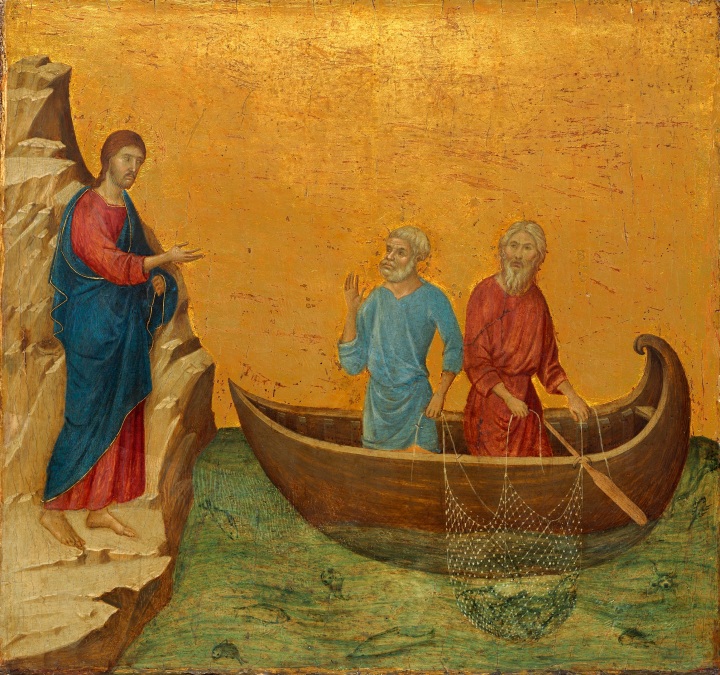
T'oros_Roslin_-_Joseph's_Dream_-_Walters_W53917R_-_Detail_A.jpg