Showing posts with label Forgiveness. Show all posts

Saturday, 9 January 2021

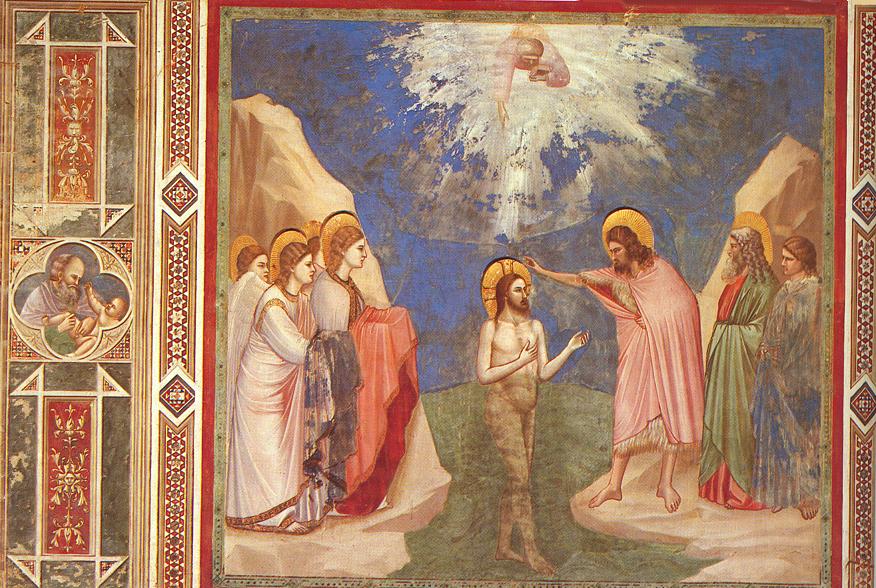
Baptism of Christ

The Baptism of Christ by John the Baptist in the River Jordan at the start of His public ministry is one of the events found in all four Gospels (the others are the Feeding of the Five Thousand, and the account of the Lord’s Passion, Death, and Resurrection, from Palm Sunday to Easter Day). Each gospel contains accounts of the beginning and end of Jesus’ public ministry, as well as a miraculous feeding. If we take a moment to consider both what baptism is, and what it is for, we may come to understand why all four  gospel writers included it in their account of the life and teachings of Jesus. 

Baptism is symbolic washing with water for the forgiveness of sins. If Jesus was baptized does that mean that He sinned? The answer is, No. So, given the fact that Jesus committed no sins, did He need to be baptised by John? Again, the answer is. No. You may begin to wonder what is going on here? Why would Jesus begins His Public ministry in Galilee with a redundant action? If Jesus does not need to be baptised, what is the point of it? What is Jesus doing and why is it important for us?

Unlike all human beings, who commit sin, and become estranged from their relationship with God, Jesus is God become man. He is perfect, sinless, and united with God the Father, and the Holy Spirit, a Trinity of love. There is no need to restore the relationship, because it is one of perfect love. Mark’s account of the Baptism is prefaced by the words of John the Baptist:

“After me comes he who is mightier than I, the strap of whose sandals I am not worthy to stoop down and untie. I have baptized you with water, but he will baptize you with the Holy Spirit.” (Mk 1:7-8)

John the Baptist is linking Christ’s baptism with the redemption of humanity in His death. The very beginning of Jesus’ public ministry points to the Cross, where salvation and freedom will be offered to all who turn to Christ. John baptises with water, but he looks forward to Jesus, who will baptise with the Holy Spirit. This is the baptism of the Church, to save and redeem humanity, by sharing in Christ’s Death and Resurrection.

Once Jesus has been baptised by John, extraordinary things happen:

And when he came up out of the water, immediately he saw the heavens being torn open and the Spirit descending on him like a dove. And a voice came from heaven, “You are my beloved Son; with you I am well pleased.” (Mk 1:10-11)

At the moment of Jesus’ baptism we hear God the Father, and see God the Son and God the Holy Spirit. The fulness of God is manifest to humanity in the Trinity. We can see and hear God’s saving work. Jesus does not need to be baptised, but does so for three reasons. Firstly to demonstrate His humility, and obedience to the will of the Father; secondly to sanctify the waters of baptism, and finally to act as an example for us to follow. Thus, God sends the Holy Spirit to demonstrate the bond of love between the Father and the Son. The Father speaks to demonstrate that Jesus is the Son of God. He is beloved of the Father, and His obedience and humility is pleasing in the sight of God. Jesus shows us the way back to the Father. By our own obedience and humility, by our repentance, and turning away from the ways of sin and the world, we return to the God who loves us. This is the message of the church: that God’s grace is available to us, to everybody, even though we haven’t worked for or earned it, even though we have done nothing to deserve it, God’s love and mercy is there for us. In Baptism we receive adoption, and become part of the family of God. Through Baptism we are born again, of water and the Spirit, we are ‘in Christ’, clothed with Him.

The unnecessary nature of the act of Jesus’ Baptism discloses something profound about the nature of God and His love for us. God gives us more than we ask for, because it is in God’s nature to be generous in a way which astounds us. There is something reckless, extravagant, utterly over the top, about the love of God, which should prompt us to love and care for others in a similar way.

John’s baptism of water prepares the way for the baptism of the Holy Spirit in Christ, through which we enter the Church. It shows us a new way of living. Life in the Spirit, life with God, has a profound effect on us, who we are and what we do. It opens up the possibility of living in a new way, a way of love, which mirrors the generosity shown to us by God. This way of life shows us in the Church what it is to be truly alive and how to live in a new way. It points to another act of God’s extravagant love: when Christ dies on the Cross, to take away our sin, to carry our burden, which separates us from God and each other. Our wounds are healed, the relationship is restored so that we can live the life of the Kingdom of God here and now: living out that self-giving, reckless, extravagant love and forgiveness in our own lives, and in the world around us.

Back in our first reading this morning the prophet Isaiah looks forward to the coming of the Messiah with a proclamation of extravagant generosity:

“Come, everyone who thirsts, come to the waters” (Isa 55:1)

This invitation is also the invitation of the Church, for people to enter it by baptism and share in the unsearchable riches of Christ. Today we remember that salvation is offered to the world through baptism. We give thanks for the rebirth of our own baptism, and hope to share it with others. Baptism reminds us of the hope which we have in Jesus Christ, hope of new life, and eternal life with Him. Whatever is happening in the world, or in our own lives we can trust in who God is, and what He has done for us. In this trust we can live out our faith so that the world may be transformed and believe and give glory to God the Father, God the Son, and God the Holy Spirit, to whom be ascribed, as is most right and just, all might, majesty, glory, dominion, and power, now and forever. Amen. 
Saturday, 5 September 2020

Twenty Third Sunday of Year A

The emergency services were not well-developed in the Ancient World. However, cities did have a night watch who functioned as a combination of a police force and fire brigade. It is to such an office that God appoints the prophet Ezekiel in this morning’s first reading. He is to be a night watchman, someone who is vigilant against fire and crime, someone concerned with safety and people’s well-being. Prophets exist to speak warnings to God’s people, to show them where they are going wrong and to show them how to get back on the right path. The role of a prophet is to call sinners to repent from their evil ways. Through the prophet God calls His people back to Him. Though people are, then as now, wayward they are given a chance to repent, to return to the ways of human flourishing. The choice is a stark one: life or death. It is important, and a lot depends upon the choices we make. This is why the central proclamation of the Church is to call God’s people to repentance: to turn away from sin, and to turn back to God. 

This week’s second reading from Paul’s Letter to the Romans continues the Apostle’s advice on how Christians should live out their faith in their lives. Living a Christian life  is a difficult thing to do, and for two thousand years Christians have struggled to do it well. As followers of Christ we are called to love God and to love one another. Paul quotes from the Ten Commandments to make the point that the basis for the moral code found in the Mosaic Law is Love. If you love someone then you will not do such things to them. To love is to will the good of another, to make the right choice, one which leads to human flourishing.

Having shown the Church how to live, Paul widens his focus, to reinforce something we heard last week: 

Do not be conformed to this world, but be transformed by the renewal of your mind, that by testing you may discern what is the will of God, what is good and acceptable and perfect. (Romans 12:2)

Paul can see the wider significance of what he is encouraging people to do. The Church knows that Jesus will come to judge the world, so Paul is encouraging Christians to live moral lives. The first Christians were surrounded by a decadent and morally corrupt society, justas we are today, and have been for two thousand years. Human nature is surprisingly consistent. We, however, are called to live differently. In our baptism, we put on Christ, and we were clothed with Him, sharing His Death, but we were also raised to new life in Him. We pray for the strength to live that new life, here and now! This is how we should prepare to meet our Redeemer, when He comes again.

How do we deal with problems as a church? This is an important and difficult question. This morning’s Gospel shows us how, in a number of clear simple steps. First we should approach the person in private. If they listen, and presumably admit their mistake and ask for forgiveness, or try to put things right, then that is an end to the matter. They are reconciled, and the matter is forgiven and forgotten. If this does not work, Paul instructs us to take one or two people, so that there are witnesses, and if this does not work, it becomes a matter for the church as a whole. If the person at fault still refuses to listen, they are excluded, not as a punishment, but so that they may have another opportunity to think things over, to admit that they are wrong, and to seek forgiveness and reconciliation. The point is not to cast people out, but to try and keep them in, and give them all possible opportunities to repent and be reconciled. In worldly terms this provision is generous. The church, which Christ founded, is meant to do things differently, as Jesus says:

The thief comes only to steal and kill and destroy. I came that they may have life and have it abundantly. (Jn 10:10)

God wants us all to have life in all its fulness, which includes healing and reconciliation. The world, however, often sees things in terms of punishment and retribution, whereas the church views things in terms of restoration. Our God is a God of justice and mercy. This is why Jesus goes to the Cross willingly, to bear our sins, and to heal our wounds. We cannot sort out the problem of our sin and woundedness on our own; if we could we would not need a Saviour. 

This is why Jesus reiterates His teaching about sin:

Truly, I say to you, whatever you bind on earth shall be bound in heaven, and whatever you loose on earth shall be loosed in heaven. (Mt 18: 18) 

This is a reality because of all that God has done for us in Christ. The Church exists to continue the redemptive work of God within the world. Through God’s forgiveness we can be truly reconciled and the healing, which can become a reality in our lives. Jesus says in the words which follow:

Again I say to you, if two of you agree on earth about anything they ask, it will be done for them by my Father in heaven. (Mt 18:19)

Through God’s reconciliation we can make requests in prayer, and those requests will be answered. In addition, as a Christian community we can be encouraged by Christ’s presence in our midst:

For where two or three are gathered in my name, there am I among them. (Mt 18:20)

Christ is among us, here and now! And we receive His Sacramental Presence in the Eucharist, His Very Flesh and Blood, so that He may transform us; so that we may have a foretaste of the Heavenly Banquet and be built up and strengthened in love, both here and now. We have the medicine for which our souls cry out. This is the healing which Christ accomplishes on the Cross, He longs to pour out His Love on us, so that we can know true freedom, true joy, and true love, in Him. So let us come to Him and let His Grace transform our lives, so that we, and all creation, may give glory to God the Father, God the Son, and God the Holy Spirit, to who whom be ascribed as is most right and just, all might, majesty, glory, dominion and power, now and forever. Amen. 

Saturday, 14 December 2019

Advent III – He that will come

The prophet Isaiah provides our first readings during Advent this year, and he is particular strong on the idea that the Messiah will come to deliver Israel. As Christians we use the period of Advent to reflect upon the fact that Christ is coming, He is coming as a baby born in Bethlehem, He is coming to us here today in the Eucharist, and He is coming with vengeance to judge the world. Should we be afraid? On the contrary, as the prophet says, ‘Strengthen the weak hands, and make firm the feeble knees. Say to those who have an anxious heart,“Be strong; fear not! Behold, your God will come with vengeance, with the recompense of God. He will come and save you’ (Isa 35:3-4 ESV). 

Isaiah has a vision where the desert, a dry wilderness is carpeted with flowers, a sign of new life, of hope. This is the flourishing which the Messiah will bring, ‘the glory of the Lord, the majesty of our God’ (Isa 35:2 ESV). As Christ Himself says ‘I came that they may have life and have it abundantly’ (Jn 10:10 ESV) This is good news, a reason to rejoice and be glad, and to mark this the Church instead of penitential purple wears rose today, to mark the joyful character of this day, and to remind us that Christ is coming. As Isaiah says, ‘the ransomed of the Lord shall return and come to Zion with singing; everlasting joy shall be upon their heads; they shall obtain gladness and joy, and sorrow and sighing shall flee away’ (Isa 35:10 ESV).

The time is both now, and not yet. As St James writes, ‘You also, be patient. Establish your hearts, for the coming of the Lord is at hand’ (Jas 5:8 ESV). Patience is a hard thing to master. We are naturally impatient, we don’t want to wait, but we have to. The question is how we wait: in joyful expectation, preparing ourselves for what is to come? 

John the Baptist has been waiting for the Messiah, and while he leapt in his mother’s womb at the Visitation, in this morning’s Gospel he appears to be having doubts. He is expecting a Messiah of judgement, and he is isn’t sure what is going on. John has been imprisoned for criticising Herod’s marriage to his brother’s wife. He is hoping for a messiah to sweep away an unjust and corrupt regime, hence his doubts about Jesus, who doesn’t seem to be a political messiah. Jesus tells John’s disciples, ‘Go and tell John what you hear and see:  the blind receive their sight and the lame walk, lepers are cleansed and the deaf hear, and the dead are raised up, and the poor have good news preached to them’ (Mt 11:4-5 ESV). 

The vision of a messianic future envisaged by Isaiah in this morning’s first reading has become a reality: prophecy has been fulfilled, God keeps his promises. The Kingdom of God is a place of healing, and Christ is the great physician, who has come to heal our souls. Jesus is the one who is to come, He has come, and will come again. The establishment of God’s kingdom can look strange in human terms: going to those on the margins, the sick, the poor, and the oppressed and marginalised is not a grand gesture. That is the point! The greatest grand gesture Jesus will make will be in handing Himself over to be crucified and die the death of a common criminal. This is how the messiah will reign as the true King of Israel. 

It defies human expectations, which is the point: God’s ways are not our ways, nor His thoughts ours. That’s the core message of this morning’s Gospel, if we expect God’s rule to look like human kingship, then we will be disappointed. God has something else in store, something far more wonderful than we could ever imagine, and at its heart is the transformation of humanity by love. God heals His people, because God is a God of love. God loves us not because we are loveable, we are sinners, who don’t deserve to be loved, and cannot earn that love. But rather than what we are, God loves us for WHO we are, His sons and daughters, created in His image. 

This is grace: loving sinful humanity so that we may be transformed by love. Hence the focus on healing, something which only God can do, to heal our souls with His love. This is the cause of our joy, what the prophet Isaiah hoped for has been fulfilled, and continues to be fulfilled. The Church exists to carry on God’s healing in the world, to take humanity, and heal it with God’s love. This is what we are about to celebrate in the Eucharist where we thank God for loving us, and prepare to experience that healing love, so that it may transform us. We do so with reverence, because we are not simply consuming human food and drink, but the very Body and Blood of Christ, given for us, to heal us. The greatest medicine our souls could ever wish for. Soon we ‘shall see the glory of the Lord, the majesty of our God’ (Isa 35:2 ESV) God’s glory and majesty is to die on a Cross for us, and to feed us with Himself. Come to the banquet my brothers and sisters, and experience the love of God, and let it heal and transform you, so that you and all creation may sing the praises of God the Father, God the Son, and God the Holy Spirit, to whom be ascribed as is most right and just all might, majesty, glory, dominion, and power, now and forever. Amen.

Raphael_-_Madonna_in_the_Meadow_-_Google_Art_Project.jpg

Advent III – He that will come

The prophet Isaiah provides our first readings during Advent this year, and he is particular strong on the idea that the Messiah will come to deliver Israel. As Christians we use the period of Advent to reflect upon the fact that Christ is coming, He is coming as a baby born in Bethlehem, He is coming to us here today in the Eucharist, and He is coming with vengeance to judge the world. Should we be afraid? On the contrary, as the prophet says, ‘Strengthen the weak hands, and make firm the feeble knees. Say to those who have an anxious heart,“Be strong; fear not! Behold, your God will come with vengeance, with the recompense of God. He will come and save you’ (Isa 35:3-4 ESV). 

Isaiah has a vision where the desert, a dry wilderness is carpeted with flowers, a sign of new life, of hope. This is the flourishing which the Messiah will bring, ‘the glory of the Lord, the majesty of our God’ (Isa 35:2 ESV). As Christ Himself says ‘I came that they may have life and have it abundantly’ (Jn 10:10 ESV) This is good news, a reason to rejoice and be glad, and to mark this the Church instead of penitential purple wears rose today, to mark the joyful character of this day, and to remind us that Christ is coming. As Isaiah says, ‘the ransomed of the Lord shall return and come to Zion with singing; everlasting joy shall be upon their heads; they shall obtain gladness and joy, and sorrow and sighing shall flee away’ (Isa 35:10 ESV).

The time is both now, and not yet. As St James writes, ‘You also, be patient. Establish your hearts, for the coming of the Lord is at hand’ (Jas 5:8 ESV). Patience is a hard thing to master. We are naturally impatient, we don’t want to wait, but we have to. The question is how we wait: in joyful expectation, preparing ourselves for what is to come? 

John the Baptist has been waiting for the Messiah, and while he leapt in his mother’s womb at the Visitation, in this morning’s Gospel he appears to be having doubts. He is expecting a Messiah of judgement, and he is isn’t sure what is going on. John has been imprisoned for criticising Herod’s marriage to his brother’s wife. He is hoping for a messiah to sweep away an unjust and corrupt regime, hence his doubts about Jesus, who doesn’t seem to be a political messiah. Jesus tells John’s disciples, ‘Go and tell John what you hear and see:  the blind receive their sight and the lame walk, lepers are cleansed and the deaf hear, and the dead are raised up, and the poor have good news preached to them’ (Mt 11:4-5 ESV). 

The vision of a messianic future envisaged by Isaiah in this morning’s first reading has become a reality: prophecy has been fulfilled, God keeps his promises. The Kingdom of God is a place of healing, and Christ is the great physician, who has come to heal our souls. Jesus is the one who is to come, He has come, and will come again. The establishment of God’s kingdom can look strange in human terms: going to those on the margins, the sick, the poor, and the oppressed and marginalised is not a grand gesture. That is the point! The greatest grand gesture Jesus will make will be in handing Himself over to be crucified and die the death of a common criminal. This is how the messiah will reign as the true King of Israel. 

It defies human expectations, which is the point: God’s ways are not our ways, nor His thoughts ours. That’s the core message of this morning’s Gospel, if we expect God’s rule to look like human kingship, then we will be disappointed. God has something else in store, something far more wonderful than we could ever imagine, and at its heart is the transformation of humanity by love. God heals His people, because God is a God of love. God loves us not because we are loveable, we are sinners, who don’t deserve to be loved, and cannot earn that love. But rather than what we are, God loves us for WHO we are, His sons and daughters, created in His image. 

This is grace: loving sinful humanity so that we may be transformed by love. Hence the focus on healing, something which only God can do, to heal our souls with His love. This is the cause of our joy, what the prophet Isaiah hoped for has been fulfilled, and continues to be fulfilled. The Church exists to carry on God’s healing in the world, to take humanity, and heal it with God’s love. This is what we are about to celebrate in the Eucharist where we thank God for loving us, and prepare to experience that healing love, so that it may transform us. We do so with reverence, because we are not simply consuming human food and drink, but the very Body and Blood of Christ, given for us, to heal us. The greatest medicine our souls could ever wish for. Soon we ‘shall see the glory of the Lord, the majesty of our God’ (Isa 35:2 ESV) God’s glory and majesty is to die on a Cross for us, and to feed us with Himself. Come to the banquet my brothers and sisters, and experience the love of God, and let it heal and transform you, so that you and all creation may sing the praises of God the Father, God the Son, and God the Holy Spirit, to whom be ascribed as is most right and just all might, majesty, glory, dominion, and power, now and forever. Amen.
Raphael_-_Madonna_in_the_Meadow_-_Google_Art_Project.jpg

Sunday, 15 September 2019

Homily for Trinity XIII

It’s very easy to be judgemental, and to write people off when they do something wrong, or something with which we do not agree. It is particularly easy when emotions run high, and we feel rather than think. Emotion clouds our judgement, and we give way to anger. This is never a good thing to do. 

In our first reading this morning from the Book of Exodus we hear that the people of Israel have fashioned for themselves a golden calf, an idol, a false God, whom they worship. They are a stiff-necked people: stubborn and obstinate, who will not listen to God, or do what leads to their flourishing. They deserve to be destroyed, and yet Moses prays for them to God, to be merciful, and to remember His covenant with His people. In this we see God’s grace and loving-kindness at work. It reminds us that false gods are not a good thing, and if we follow them, then we are not following God, honouring Him, or living in a way which will lead to our flourishing. 

In our second reading from St Paul’s First Letter to Timothy we see that Paul has gone from being a blasphemer, a persecutor, and an insolent opponent, to something else. He has become a champion for the Christian Faith, that ‘Christ Jesus came into the world to save sinners, of whom I am the chief’. His words are ours too. Like Paul we have received God’s mercy. We don’t deserve it, just as the Israelites didn’t. That’s the point, we don’t earn forgiveness, God in his love and mercy forgives us, so that we might become something other than we are. This is the wonderful truth at the heart of the Gospel.

It is something which the scribes and pharisees in the Gospel cannot understand. Our Lord hangs around with tax collectors and sinners. These are people who collect taxes for the Romans. They were corrupt, because they had to bribe officials to get the job, and were expected to skim some extra off the top to settle their debts, and provide for themselves. Jesus goes out of His way to spend time with people who were despised, collaborators with a foreign power. The religious authorities, by contrast, are judgemental and superior. Jesus eats with people who are beyond the pale, defying social conventions, and looking beyond them to see people who need God’s love and mercy.

To illustrate His point Christ tells two parables. In the first, the Parable of the Lost Sheep, a man leaves the ninety-nine sheep to go after one which was lost. The point is that there is more joy in heaven over one sinner that repents than over ninety-nine righteous persons who need no repentance. The scribes and pharisees think that they are righteous, but are not. The sinners and tax-collectors know that they are not righteous, but by being close to Jesus, in their humility, repentance is possible. It’s a key to the Christian life, turning away from sin, and turning back to God. It is less of an event and more of a process, something which we keep doing, throughout our lives. It’s easy to fall back into sin, but God does not abandon us. He keeps going after the lost sheep. This is good news: we are not written off. But we have to keep our end up. We have to believe in God, and trust Him, and repent, turn away from our sin, and turn back to God. 

The scribes and the pharisees think that everything is alright between themselves and God. They keep the letter of the Law, but are far away from its spirit. The sinners and tax-collectors know that things aren’t right, which is why they are drawn to Jesus. But Jesus doesn’t wait for them to change before deeming them worthy of Him, instead he receives them and eats with them. God in Christ comes alongside us, seeking the lost, because God LOVES us. As St Paul says, ‘Christ Jesus came into the world to save sinners’. To save us from sin, to save us from something which we could not save ourselves from. 

How does He do this? On the Cross, where Christ demonstrates God’s love for us, dying the death of a common criminal. It shouldn’t make sense. It is scandalous. But such are the lengths God will go to for love of us. Through God’s love we are reconciled and forgiven. As a sign of this Christ comes to eat with us here, this morning. He gives himself, His Body and Blood for us, and He feeds us with them, so that we might have life in Him. We can touch and taste the reality of God’s love. 

It’s an excuse for a party, as Christ says in the Gospel, ‘Rejoice with me, for I have found my sheep that was lost’. God is not like the grumbling scribes and pharisees, being judgemental. He rejoices to welcome sinners back into the fold. He is merciful, and we have received that mercy. So let us rejoice that God has sought us out, and brought us back and restored us. As we celebrate the feast of the Kingdom of God, here today, may we be encouraged, and filled with God’s love and mercy, so that He may transform our lives. Strengthened by His Body and Blood may we live lives of faith and encourage others to do so, so that all people may give praise to God the Father, God the Son, and God the Holy Spirit, to who whom be ascribed as is most right and just, all might, majesty, glory, dominion, and power, now and forever. AMEN.

_DSC1396

Saturday, 27 April 2019

Easter II [Acts 5:27-32, Revelation 1:4-8, Jn 20:19-31]

In this morning’s first reading Saint Peter and the apostles are told by the authorities not to preach in the name of Jesus. Naturally, it is impossible for them to do this; they simply have to tell the world about Him and His Resurrection. They do this so that the gospel may be proclaimed: the gospel of repentance and forgiveness of sins through Christ. To be a Christian is to turn away from the ways of sin, the ways of the world — we are obedient to God, we hear what he is said in Christ and we obey him. The Church, then, must always be on its guard lest it ceases to be obedient to God and turns instead to the ways of the world, the ways of humanity. As St Paul says in his Letter to the Romans ‘be not conformed to this world’. It is a difficult thing to do. It is hard. It takes strength of character and confidence, and it will not be popular. But just as the apostles rejoiced that they were counted worthy to suffer dishonour for the name, and did not cease teaching and preaching Jesus Christ, so the Church is always called to do the same: to risk persecution, and to speak the uncomfortable truth which the world does not want to hear. This is our calling. 

When the disciples are sat in a locked room, afraid of persecution Christ comes among them and says, ‘Tangnefedd i chwi’ ‘Peace be with you’. Christ comes to give them peace. He gives them a peace which the world cannot give, because it is not of this world. The peace Christ which comes to give us is the peace won on the Cross, which has reconciled God and humanity. This wonderful relationship leads to the disciples being sent, as Christ was, to proclaim the Good News of the Kingdom, and of new life in Christ. Christ empowers His Apostles with the Holy Spirit, to forgive sins, and carry on Christ’s work of reconciliation. The church exists to do just this, to proclaim and reconcile, to carry on Christ’s work in the world in the power of the Holy Spirit.

All of us can, I think, understand Thomas’ frustration at not being there. It isn’t that he doubts, he wants to believe, and to experience the reality of his Risen Lord, and not to be left out. It’s a very human reaction. So when Jesus is with them again on Sunday, He greets them with Peace, and offers his hands and side to Thomas. He gives Thomas what he wants, proof that it is really Jesus, that he has truly risen from the dead. When faced with the reality of the Risen Jesus, Thomas can only say, ‘My Lord and My God’. Thomas confesses that Jesus is Lord and God, the sole supreme authority, above anything of this world. He worships God in Christ. We do the same, and we are blessed because we have not seen and yet believe. We believe because of the witness of Thomas, and others, down through the centuries, who have proclaimed the Good News of Jesus Christ, even at great personal cost. As St Peter and the apostles said, ‘We must obey God rather than men’ (Acts 5:29 ESV) Christians around the world follow their lead, and to this day face imprisonment, torture, and death, for their belief in Christ. They do so gladly, because of who Christ is, and what He has done. We may not face suicide bombers in our churches, thank God. But we are no less resolved to bear witness to Christ. We may be ignored by the world around us, but we carry on bearing witness to the love and reconciliation which Christ brings, and which nothing else can. We continue, ‘so that you may believe that Jesus is the Christ, the Son of God, and that by believing you may have life in his name’ (John 20:31 ESV) Christ comes to bring us life, in His Incarnation, in His Life and Preaching, and in His Death and Resurrection. He gives us His Life, through our Baptism, and through the Eucharist. We are united with Christ, and transformed by Him, to live His life in the world, filled with His Holy Spirit. This is good news, which we long to share with others, so that they may come to know Christ, and experience His Love. The Church exists to deal with the mess we make as human beings, through what Jesus has done for us, in the power of His Holy Spirit. The Church is to be a community of reconciliation, where we are forgiven and we, in turn, forgive. It is to be a place where we are freed from sin, its power and its effects.

The disciples go from being scared and stuck in an upper room to missionaries, evangelists, spreading the Good News around the world, regardless of the cost, even of sacrificing their own lives to bear witness to the fact that Jesus Christ is the Son of God, that he died for our sins, and that he rose again, on this day for us, that God loves us and tells us to love Him and to love one another. It is a simple and effective message which people still want to hear — we need to tell it to them, in our thoughts, our words and our actions.

The heart of our faith and the Gospel is forgiveness — no matter how many times we mess things up, we are forgiven. It is this reckless generosity of spirit which people find hard to believe that they too can be forgiven, by a loving God, and by their fellow Christians. That we can, despite our manifold shortcomings be a people of love, and forgiveness, and reconciliation. That God’s Grace will in the end not abolish our nature, but perfect it, that being fed by Christ, with Christ: so that we too may become what He is. That faced with the sad emptiness of the world, and its selfishness, its greed, we can be filled with joy, and life, and hope. That like the first apostles we too can spread the Gospel: that the world may believe.

So let us be filled with the joy of the Resurrection this Easter, let us share that joy with others, may it fill our lives and those of whom we meet with the joy and love of God, who has triumphed and who offers us all new life in Him, that all that we do, all that we are, all that we say or think may give glory to God the Father, God the Son, and God the Holy Spirit, to whom be ascribed as is most right and just, all might, majesty, dominion and power, now and forever.

7ec0d-the_incredulity_of_saint_thomas-caravaggio_1601-2

Sunday, 24 March 2019

Lent III Year C

Procrastination is a very human failing. All of us, myself included, would much rather put something off — especially if it is unpleasant. It’s understandable but it is also dangerous. Our time is limited, and we have a choice to make. Despite people’s outward reluctance to commit to organised religion nowadays, it is fair to say that there exists a great spiritual thirst both outside the church in the world around us and in the church itself. 

We are like people in the desert, not just in this period of 40 days of Lent, but throughout our lives. The modern world is deeply consumerist: shopping centres replace cathedrals and yet we are still thirsty, thirsty for the living water, thirsty that our needs may be satisfied. We all of us realise, deep down, that commercialism cannot save us: that what we buy doesn’t really nourish or satisfy us. There can be no commercial exchange with God. We cannot buy our way into heaven, or earn it through good deeds. We simply have to receive God’s gifts, that’s what grace is, and why God lavishes it on us. We are not worthy of them, and that’s the point. God satisfies our deepest needs and desires out of love for us, so that enfolded in his love we might become more lovely, filled with God’s love and grace. Only if we are watered by God can we truly bear fruit, only if we are born again by water and the spirit in baptism can we have any hope. This is what the season of Lent is for: it is a time to prepare for baptism — to share in our Lord’s death and His new life. We do this as individuals and indeed as an institution, so that the church may be born again, renewed with living water, so that it may be poured out over all the world to satisfy the thirst which commercialism cannot.

In our second reading St Paul writes the church in Corinth to warn them to keep vigilant: the church can never be complacent. For us Lent is to be a time when we learn not to desire evil: we have to turn away from sexual immorality and idolatry, sins which separate us from God. In the last few generations the laissez-faire attitude in the world around us has not empowered people, it is not made them happier. It has just given us a world where people worship false gods: Reason, Consumerism, Fulfilment, Money and Power. The ways of the world will always leave humanity empty. It’s why the Gospels show Jesus living a radically different life, a life in all its fullness, which he offers to people: to turn their lives around, losing their lives to find true life in him. He suffers and dies for love of us, to heal us, and restore us, so that we may share in his life of love, nourished by his body and blood, strengthened by his word and sacraments, and to share this free gift of the world around us.

The message of the Gospel is that time is short, we’re in danger, just like the men murdered by Herod or those eighteen people killed by the tower. What can we do? The answer is simple, repent, turn away from sin, and believe in God. We need to take advantage of the grace which is offered us in Christ, to turn back to God, and to live lives of faith which bear fruit in good works. The good news is that we’re not just condemned, which is what we deserve, we are given another chance. God is merciful, God loves us, God forgives our sins, and longs to see humanity united with Him in Heaven. 

The gospel acts as a warning to us: that we are in danger if we continue to sin. We are, however, not simply condemned but we are offered another chance to repent, to turn back to God. The gardener gives a fig tree another chance. This is grace: the free gift of God, not something which we have earned. Only through God’s grace can we hope to bear fruit. The gardener, who created humanity in Paradise, who will offer himself as both priest and victim upon the tree of life, to bleed and die for love of us, this gardener will meet Mary Magdalene by the empty tomb on Easter Day, so that we and all humanity may share Christ’s risen life.

God wants us to love Him, and to flourish, to have a lively faith, filled with His love, and sharing it with others. It really is that simple. We are called as Christians to repent, and to keep on repenting, turning away from sin, and turning back to God. We are forgiven, and we are loved. That’s what the Cross demonstrates: God’s love and forgiveness. It doesn’t need to be repeated because it stands for all time, and fundamentally changes our relationship with God and each other. Ours is a faith rooted in love, freely given for the life of the world. 

So let us turn away from the ways of the world, its emptiness, its false promises, its immorality, the ways of emptiness and death. Instead let us be nourished by the living water, which satisfies our deepest thirst, which makes us turn our lives around. Let us live in him, who loves us, who heals us and who restores us. The world may not understand this, it may be scandalised by it, it will laugh at us and mock us, in the same way that it mocked our Lord on the way to Calvary and upon the Cross. Let us share in His sufferings, knowing that we are loved by Him who died for love of us. Let us live as a witness, to share in his work of drawing all humanity to him: so that all people may come to the living water and find new life in God the Father, God the Son, and God the Holy Spirit, to whom be ascribed as is most right and just, all might, majesty, glory dominion and power, now and forever. 

331_b

Saturday, 16 February 2019

Sixth Sunday of Year C (Lk 6:17-26)

The world around us has many clever and subtle ways of going after false gods. One of the most prevalent in our modern world is consumerism. Feeling a bit down? Shopping will cheer you up! You don’t even have to leave the comfort of your own home, just click a button and what you want will be sent to you. But it is a transitory pleasure, it doesn’t last. As Christians we know that our source of true happiness and joy is to be found in God alone. This is something which our readings this morning make very clear.

The prophet Jeremiah shows the difference between trusting in humanity, and trusting in God. Where we put our trust matters, because it shapes who and what we are. Against a model which stresses human self-sufficiency, we see that reliance upon God leads to human flourishing, having life in all its fulness.

Our death is something which we all need to face. Each and every one of us will die, it is inescapable. But because of who Christ is, and what He has done, we do not need to be afraid. The heart of our faith is that Christ died for us, to take away our sins, and was raised from the dead, to give us the hope of eternal life in Him. If it is not true, then the church is a sham, we’ve been fed lies for two thousand years. It would be the greatest deception of humanity ever, we would be truly pitiable. But it is true, and Christ’s Death and Resurrection have in fact changed everything. We have the hope that those who are in Christ share in His Death and Resurrection through their baptism. For us life is changed and not ended, and we have the hope of being united with God in Heaven, which we prepare for here on earth.

This is what lies behind the account in Luke’s Gospel. People come from all over the place, from far and wide, to be healed by Jesus. This is what God is all about, the healing of humanity, taking away our fears, our troubles, and giving us the peace ‘which passeth all understanding’. God’s love is made manifest in the healing miracles of Jesus Christ because it represents life in all its fulness. We are loved, healed and reconciled by God, so that we can live in a new way — living the life of the Kingdom, the life of Heaven, here and now.

To be poor in the world’s eyes is to lack money, possessions, power, and influence. All these worldly things don’t matter in the grand scheme of things. We have God, and are filled with his love, and that’s what really matters. God satisfies our hunger, or as St Augustine put it, ‘You have made us for yourself, and our hearts are restless until they find their rest in You.’ (Confessions 1.1.8) We have the source of everlasting Joy in God. But being a Christian won’t make us popular in the eyes of the world, quite the opposite. We will be seen as strange, dismissed as hypocrites, because we don’t buy into the emptiness of the world around us. 

At its heart Christianity looks dangerous and suspect to the world around us, and so it should. We are not conformed to the ways of the world, but rather to the will of God. We don’t just go along with things, because that’s what everyone does, instead we follow a higher authority. We cannot be bought off with baubles and trinkets, with wealth or power, things of this world, because we acknowledge something, someone greater, namely God. We live as God wants us to live, acknowledging Him before all things. There’s something strange and different about us, because we are not like other people. 

It’s not easy being like this, in fact it’s difficult, very difficult, and it’s why we, as Christians need to support each other in living out our faith together, as a community of faith. Christians face persecution around the world, people are forbidden to convert to Christianity, they are not free to meet and worship, and risk beatings torture, imprisonment, and even death for doing so. It’s real and it is happening around the world as we speak. 

Here in this country we are more likely to face indifference, someone might say, ‘Why do you believe in all that claptrap? Christians are just a bunch of hypocrites’. Our faith is not nonsense, but rather profound, meaningful, and wonderful. We do, however, need to live it out in our lives. It needs to make a difference to who and what we are, so that others might see the truth of the Gospel lived out in our lives. What we do here in church prepares and nourishes us to love our neighbour. We hear God’s word, and are nourished by it. We pray together for the Church and the World, and those in need. 

Above all, we are nourished by Christ, with Christ, with His Body and Blood, so that He may transform us more and more into His likeness. The Eucharist makes the Church, it is the source and summit of our life together. Through it we are united with each other and with Christ in this, the sacred banquet of the Kingdom of God. This is the medicine for which our souls cry out, so that they may be healed by Christ and prepared to live out our faith in Christ’s Death and Resurrection in the world, putting our trust in God, so that He might be at work in and through us, sharing His love with a world which longs for it. 

So let us prepare to rely upon God, filled with His Joy and Love, sharing it with others so that they may come to believe and give glory to God the Father, God the Son, and God the Holy Spirit, to whom be ascribed as is most right and just, all might, majesty, glory dominion and power, now and forever. Amen. 

5481471361948_XXL

Saturday, 9 February 2019

Fifth Sunday of Year C (Luke 5:1-11)

Much of the church nowadays is anxious about where we are and where we are going. It isn’t that surprising: we live in an uncertain and anxious world. Our response as Christians is to trust in God, who says through the words of his prophet Jeremiah, ‘For I know the plans I have for you, declares the Lord, plans for welfare and not for evil, to give you a future and a hope. Then you will call upon me and come and pray to me, and I will hear you. You will seek me and find me, when you seek me with all your heart.’ (Jer 29:1-13). God has plans for us, plans for good and not evil, he has a plan for you, and for me. Indeed each of us as we enter the church through our baptism can find that God has something in store for us. Each of us is called by God to be a Christian, and to live out our faith in our lives. Each of us is an individual, unique, made in the image of God, and our callings are likewise unique. It can be a scary business answering that call. I know, I spent over twenty years running away from it, not feeling good enough for what God wanted me to do. It’s ok. It turns out that I’m in good company as our readings this morning make clear. 

In this morning’s first reading the prophet Isaiah has an experience of God’s presence in the Temple in Jerusalem. He does not describe his emotional state, other than what he says speaks of human unworthiness in the divine presence. When he is confronted by the majesty of God, the singing of angels, the smoke of incense, all he can say is ‘Woe is me. For I am lost; for I am a man of unclean lips’ Isaiah is aware of his human sinfulness and the gulf between himself and God. Yet his guilt is taken away, and his sin atoned for — the prophet who will tell of the Messiah, who will save humanity, is prepared for this by God, he is set apart. When God asks ‘Whom shall I send, who will go for me?’ Isaiah can respond ‘Here I am, send me’ It’s quite a journey in a few verses, and that’s the point. God doesn’t call those who are equipped, He equips those whom He calls.

Likewise St Paul, ‘the least of the apostles, unworthy to be called an apostle because [he] persecuted the church of God’ is living proof of the redemptive power of God’s love at work in the world. He preaches Christ crucified and resurrected, to show us that Christ died for us, and that we can have new life in him. God can (and does) take and use surprising people to show us that we are loved. That is the wonder of the Gospel, the Good News of Jesus Christ. No-one is beyond its reach, or of God’s forgiveness and loving mercy. 

In the Gospel, Jesus begins by using a fisherman’s boat, so that the large crowd at the lakeside can see and hear him, it’s simple, honest, and what’s there. When he has finished teaching Jesus tells Simon Peter to ‘Put out into the deep and let down your nets for a catch’. Peter cannot see the point — they’ve not caught anything in the entire night, he’s tired, he just doesn’t see the point. 

And yet he is obedient, he does what Jesus asks him — and they catch so many fish that their boats almost sink under the weight of them, a catch which points forward to another miraculous catch of fish after Jesus’ resurrection (in Jn 21:1–11), it is a sign of the Church: a miraculous number of people given new life in Christ. Peter is obedient, he listens to what God says and obeys, and wonderful things happen.

Peter’s response to the miracle is telling: he falls at Jesus’ knees and says, ‘Depart from me, for I am a sinful man, O Lord’. It is an authentic human response to the presence and generosity of God – and one which I recognise. Peter recognises his own unworthiness and his complete reliance upon God. Peter is not worthy of his calling, none of us are and that’s the point, but because Peter knows he isn’t that’s how God can be at work, in and through his humility and reliance upon God, not himself. The next thing Jesus says to him is ‘Do not be afraid’ – in Christ we do not need to be afraid of anything, if we trust in him, and let his love be at work in us, if we trust God.

Once they reach the land the disciples leave everything and follow him, they display metanoia: they let God change their heart, their mind and their life. This is the response of a sinner to the love of God. Now it can be all too easy to see such passages as we have this morning as solely of interest to those of a calling to the priesthood. That’s understandable, but it’s also deeply wrong. The message in our readings applies to each and every one of us, here, and all over the world. As Christians we are all to kneel in the place of Peter, to recognise our reliance upon and trust in God, and be prepared to be ‘fishers of men’. 

The calling of the disciples is the calling of the entire baptised people of God: a calling not to be afraid, but to respond to the God who loves us and saves us, a calling to live out in our lives by word and deed the saving truths of God, so God can use us for His glory and the spreading of His Kingdom, so that others may come to know His Love, Mercy, and Forgiveness. It’s what we’ve signed up for, to profess the faith of Christ Crucified, to share it with others.

This treasure has been entrusted to us, so that we can share it with others, so that the world may believe. So that it may believe and give glory to God the Father, God the Son, and God the Holy Spirit, to whom be ascribed as is most right and just, all might, majesty, glory dominion and power, now and forever. Amen

miraculous_catch_of_fish_-_sant27apollinare_nuovo_-_ravenna_2016