Showing posts with label Conversion. Show all posts

Sunday, 26 January 2020

3rd Sunday of Year A

There are divisions in the Church. Sadly, there have been divisions since the earliest days of Christianity, as is made clear by the opening of St Paul’s First Letter to the Corinthians. But just because something has gone on for a long time doesn’t make it right. Quite the opposite! For the last seven days Christians around the world have been praying for unity, to heal the divisions which so mar the Body of Christ, the Church. And while it is good to focus our prayers on unity for a week, I would venture to suggest that the unity of Christians is something which we should all be praying for all the time. It is shocking that the tribalism which St Paul condemns in the first century, is still alive and well today. People are still defining themselves as one sort of Christian as opposed to another, or by the place where they worship. Our culpability in this is something for which we need to repent. We need to turn away from division, and to turn back to the God of love, who longs to heal our wounds and divisions; fostering unity is following the will of God. 

This morning’s Gospel begins with the news that John the Baptist has been arrested. His criticism of the immorality of the ruling family had upset the powers that be. Calling out Herod Antipas for divorcing his wife, and then breaking Jewish law by marrying his brother Philip’s wife, seems the right thing to do. We expect our rulers to set an example. It’s only right and proper. The church continues this prophetic vocation, calling out what is evil and wrong. This may, and will, indeed make people uncomfortable: That’s the point! No one likes having their wrongdoing pointed out, I know I don’t! But unless someone does, then we’re unlikely to change our ways. 

In the Gospel, Jesus has just been in the desert for forty days, praying, fasting, being tempted by the Devil. He begins his public ministry by leaving Nazareth, the town where He grew up, and walking to Capernaum by the shore of the Sea of Galilee. It is a day’s journey. This is an important place for Jesus to start His public ministry, because it fulfils a prophecy in Isaiah, which St Matthew quotes, ‘The land of Zebulun and the land of Naphtali, the way of the sea, beyond the Jordan, Galilee of the Gentiles— the people dwelling in darkness have seen a great light, and for those dwelling in the region and shadow of death, on them a light has dawned.’ (Mt 4:15-16 ESV) This part of Israel is where people were first taken off into captivity by the Assyrians, seven hundred years before. So Our Lord’s restoration of Israel starts in the place where the Northern Kingdom first began to fall apart. 

Strikingly, Jesus begins His proclamation of the Good news of the Kingdom by repeating the exact words of His Cousin, John the Baptist: ‘Repent, for the kingdom of heaven is at hand’. Their message is the same: turn away from your sins and turn back to God, turn back to the God who loves you, and who longs to heal you. These are words of hope for the future, for restoration. This is a message which we all long to hear. 

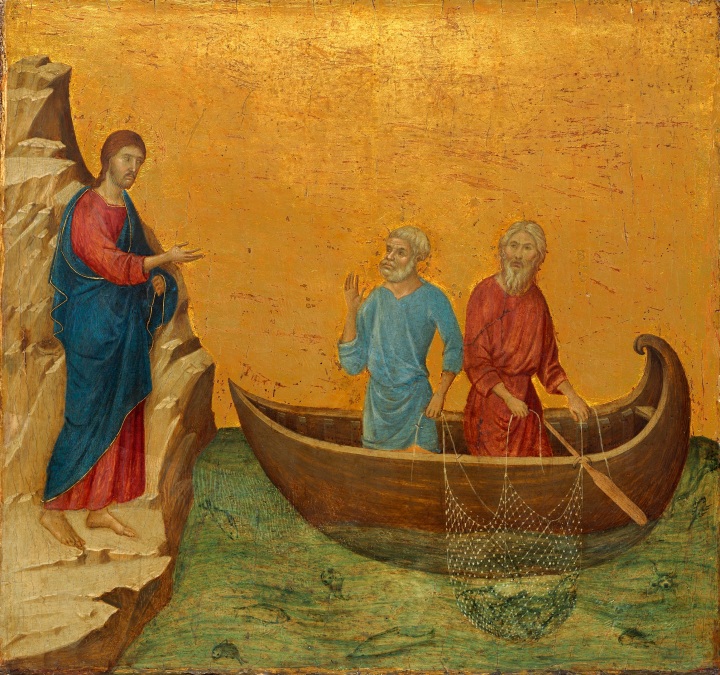
When Jesus sees two fishermen, Simon Peter and his brother, Andrew casting their nets,  and invites them to ‘Follow me, and I will make you fishers of men.’ It is quite a simple and straightforward invitation. On hearing Jesus’ words they drop everything and follow Him. Immediately! They don’t stop to put their affairs in order, or to say goodbye. A little later, James and John do the same, leaving Zebedee, their father, behind in the boat. Nothing is more important than following Jesus, but these early disciples show us that following God has a cost. It transforms our lives, totally, but not without cost. 

So what does Jesus do with this band of disciples? He takes them into synagogues, where He teaches and interprets the Jewish Scriptures, the Old Testament. Jesus proclaims the Good News of the Kingdom, that we are loved by God. He demonstrates this love in practice by healing the sick. God’s kingdom is a place where wounds are healed, where people are restored to wholeness, in mind, body and soul. There is a cost to following God, but here we see the reward of the Kingdom. Each and every one of us needs that healing and wholeness, which only God can provide. The Church continues to proclaim repentance from sin, belief in the Kingdom of God, and participates in the healing power of God. 

These things begin with us, here, today. We hear the Kingdom proclaimed, we confess our faith together, we pray for the Church and the World, and we join in the banquet of the Kingdom. The source and summit of the Christian life is the Eucharist, where Christ feeds and heals us with His Body and Blood. God’s love is a reality, with the power to transform us and our world, if we have the humility to let God be at work in our lives. He does not force Himself upon us like a tyrant, but rather gives us the free will to choose to turn to Him. 

God also wills that the Church be united, as Jesus prays in Gethsemane, ‘I do not pray for these only, but also for those who believe in me through their word, that they may all be one; even as thou, Father, art in me, and I in thee, that they also may be in us, so that the world may believe that thou hast sent me.’ (Jn 17:20-21 RSVCE) May we pray and work so that Our Lord’s will is a reality and that the world may believe and give glory to God the Father, God the Son, and God the Holy Spirit, to whom be ascribed as is most right and just, all might, majesty, glory, dominion, and power, now, and forever. Amen.
Duccio_di_Buoninsegna_036.jpg

3rd Sunday of Year A

There are divisions in the Church. Sadly, there have been divisions since the earliest days of Christianity, as is made clear by the opening of St Paul’s First Letter to the Corinthians. But just because something has gone on for a long time doesn’t make it right. Quite the opposite! For the last seven days Christians around the world have been praying for unity, to heal the divisions which so mar the Body of Christ, the Church. And while it is good to focus our prayers on unity for a week, I would venture to suggest that the unity of Christians is something which we should all be praying for all the time. It is shocking that the tribalism which St Paul condemns in the first century, is still alive and well today. People are still defining themselves as one sort of Christian as opposed to another, or by the place where they worship. Our culpability in this is something for which we need to repent. We need to turn away from division, and to turn back to the God of love, who longs to heal our wounds and divisions; fostering unity is following the will of God. 

This morning’s Gospel begins with the news that John the Baptist has been arrested. His criticism of the immorality of the ruling family had upset the powers that be. Calling out Herod Antipas for divorcing his wife, and then breaking Jewish law by marrying his brother Philip’s wife, seems the right thing to do. We expect our rulers to set an example. It’s only right and proper. The church continues this prophetic vocation, calling out what is evil and wrong. This may, and will, indeed make people uncomfortable: That’s the point! No one likes having their wrongdoing pointed out, I know I don’t! But unless someone does, then we’re unlikely to change our ways. 

In the Gospel, Jesus has just been in the desert for forty days, praying, fasting, being tempted by the Devil. He begins his public ministry by leaving Nazareth, the town where He grew up, and walking to Capernaum by the shore of the Sea of Galilee. It is a day’s journey. This is an important place for Jesus to start His public ministry, because it fulfils a prophecy in Isaiah, which St Matthew quotes, ‘The land of Zebulun and the land of Naphtali, the way of the sea, beyond the Jordan, Galilee of the Gentiles— the people dwelling in darkness have seen a great light, and for those dwelling in the region and shadow of death, on them a light has dawned.’ (Mt 4:15-16 ESV) This part of Israel is where people were first taken off into captivity by the Assyrians, seven hundred years before. So Our Lord’s restoration of Israel starts in the place where the Northern Kingdom first began to fall apart. 

Strikingly, Jesus begins His proclamation of the Good news of the Kingdom by repeating the exact words of His Cousin, John the Baptist: ‘Repent, for the kingdom of heaven is at hand’. Their message is the same: turn away from your sins and turn back to God, turn back to the God who loves you, and who longs to heal you. These are words of hope for the future, for restoration. This is a message which we all long to hear. 

When Jesus sees two fishermen, Simon Peter and his brother, Andrew casting their nets,  and invites them to ‘Follow me, and I will make you fishers of men.’ It is quite a simple and straightforward invitation. On hearing Jesus’ words they drop everything and follow Him. Immediately! They don’t stop to put their affairs in order, or to say goodbye. A little later, James and John do the same, leaving Zebedee, their father, behind in the boat. Nothing is more important than following Jesus, but these early disciples show us that following God has a cost. It transforms our lives, totally, but not without cost. 

So what does Jesus do with this band of disciples? He takes them into synagogues, where He teaches and interprets the Jewish Scriptures, the Old Testament. Jesus proclaims the Good News of the Kingdom, that we are loved by God. He demonstrates this love in practice by healing the sick. God’s kingdom is a place where wounds are healed, where people are restored to wholeness, in mind, body and soul. There is a cost to following God, but here we see the reward of the Kingdom. Each and every one of us needs that healing and wholeness, which only God can provide. The Church continues to proclaim repentance from sin, belief in the Kingdom of God, and participates in the healing power of God. 

These things begin with us, here, today. We hear the Kingdom proclaimed, we confess our faith together, we pray for the Church and the World, and we join in the banquet of the Kingdom. The source and summit of the Christian life is the Eucharist, where Christ feeds and heals us with His Body and Blood. God’s love is a reality, with the power to transform us and our world, if we have the humility to let God be at work in our lives. He does not force Himself upon us like a tyrant, but rather gives us the free will to choose to turn to Him. 

God also wills that the Church be united, as Jesus prays in Gethsemane, ‘I do not pray for these only, but also for those who believe in me through their word, that they may all be one; even as thou, Father, art in me, and I in thee, that they also may be in us, so that the world may believe that thou hast sent me.’ (Jn 17:20-21 RSVCE) May we pray and work so that Our Lord’s will is a reality and that the world may believe and give glory to God the Father, God the Son, and God the Holy Spirit, to whom be ascribed as is most right and just, all might, majesty, glory, dominion, and power, now, and forever. Amen.
Duccio_di_Buoninsegna_036.jpg

Saturday, 7 December 2019

Advent II Yr A – REPENT

John the Baptist appears in this morning’s Gospel in stark un-compromising fashion. His message is simple, ‘Repent, for the Kingdom of God is at hand’ (Mt 3:2 ESV). It is a clear message, but to understand it takes some work. To repent means to change ones mind: to turn away from sin, and turn back to God. We are called to think differently, and as a result of this to act differently, to follow Jesus, and thereby to change the world, by co-operating with God to make the Kingdom a lived reality here and now, and to share in it forever. To repent is to turn away from sin, which separates us from God, and each other. Sin makes us selfish, self-absorbed, concerned with pleasure, wealth, power. It’s all about ME, how I feel, what I want. The proclamation of the Kingdom of God tells us that another way is possible, by the grace of God. It sounds exciting, doesn’t it? Freeing, liberating: living for others rather than ourselves. At its heart the Kingdom is a place of generosity and real love, life in all its fullness. The Church exists to proclaim this same message, and to say to the world: Another way is possible.

It is not surprising that in those times people came out into the desert to hear John. He was charismatic, his message was a refreshing antidote to the Religious Establishment of his day. People come, confess their sins, and are baptised, they are washed clean, to serve God, and to love Him. They also come because in John the people of Israel see prophecy fulfilled, and a new Elijah is in their midst. One who points to the Messiah, and has done ever since he leapt in his mother Elizabeth’s womb at the Visitation. Before John was even born he proclaimed that Jesus was the Christ, the Messiah, the One who would save Israel from their sins. We see this Messianic kingdom hoped for in the vision of Isaiah in this morning’s first reading. The branch which comes forth from the stem of Jesse is the Blessed Virgin Mary, who filled with God’s Holy Spirit, conceived and bore Our Saviour, the true King of all that is, or has been, or will be. He will be on the side of the poor and the meek, people who are left behind, and ignored because they are not rich or powerful. It’s a radical vision, which reminds us that we still have some way to go in order to put it into practice in the world around us. Isaiah’s vision of Messianic peace looks impossible, but it signifies a world-changing peace, which alters how things are, how we behave. For with, and through God another way is possible. It is not simple, or easy, but it is possible, if we rely upon God to help us. As St Paul says to the Christians in Rome, ‘May the God of endurance and encouragement grant you to live in such harmony with one another, in accord with Christ Jesus, that together you may with one voice glorify the God and Father of our Lord Jesus Christ. Therefore welcome one another as Christ has welcomed you, for the glory of God.’ (Romans 15:5-7 ESV) and again ‘May the God of hope fill you with all joy and peace in believing, so that by the power of the Holy Spirit you may abound in hope’ (Romans 15:13 ESV). We receive the Holy Spirit in our Baptism and Confirmation to strengthen us to live out our faith in our lives.

Hope can feel in pretty short supply when we look at the world around us, and if we look to humanity we will be disappointed. Our hope comes from God, our hope is God, God with us, whose Birth we are preparing to celebrate at Christmas. Advent is a time of preparation, when we prepare for Christ to come, both as a baby in Bethlehem, and as our saviour and our Judge. As the son of Jesse, and the son of David, Jesus is Israel’s true king, who rules over all. Isaiah has hope in the peace the Messiah will bring. Injustice and affliction, the fruit of sin is dealt with on the Cross, where He ‘shall stand as a signal for the peoples’ (Isa 11:10 ESV). Christ comes to die, out of love for humanity. In Him God can make things put right, and restore Creation, so that the entire Universe may praise the God who created it. 

Our Saviour is also our judge. ‘His winnowing fork is in his hand, and he will clear his threshing floor and gather his wheat into the barn, but the chaff he will burn with unquenchable fire.’ (Matt 3:12 ESV) It’s real, and it should make us stop and think for a moment. Are we living the way God wants us to? If we are not then we need to repent, say sorry, and live the way God wants us to live. This is how we flourish as people. John the Baptist calls us to make a spiritual u- turn, to turn our life around, to turn away from what separates us from God, our sins. He calls us to the waters of baptism, so that we can be healed and restored by God, filled with his grace, and prepared to receive the Holy Spirit: “I baptize you with water for repentance, but he who is coming after me is mightier than I, whose sandals I am not worthy to carry. He will baptize you with the Holy Spirit and fire” (Mt 3:11). The problem with the Pharisees and Sadducees who come to John is that they do not show the repentance necessary, they haven’t made the u-turn, they don’t have the humility to recognise there sinfulness, and the need to be washed in the waters of baptism. They are confident that they are children of Abraham; they don’t have the right attitude for God to be at work in their lives.

As well as seeing Jesus as our Saviour, John the Baptist sees Jesus as Our Judge, he points to the second coming of the Lord when, as St John of the Cross puts it, ‘we will be judged by love alone’.  It is love that matters – in Christ we see what love means it is costly, self-giving and profound. As we are filled with His Spirit, nourished by Word and Sacrament, we need to live out this love in our lives. This is how we prepare to meet him as we prepare to celebrate His Birth and look forward to his Second Coming. So let us be prepared, let us live out God’s love in our lives, let us turn away from everything which separates us from God and each other, let us live out that costly, self-giving love in our lives, as this is what God wants us to do. It is through doing this that the world around us can see what our faith means in practice, how it affects our lives, and why they could and should follow Him, and sing the praises of God the Father, God the Son, and God the Holy Spirit, to whom be ascribed as is most right and just all might, majesty, glory, dominion, and power, now and forever. Amen.  

n-6480-00-000022-hd.jpg

Advent II Yr A – REPENT

John the Baptist appears in this morning’s Gospel in stark un-compromising fashion. His message is simple, ‘Repent, for the Kingdom of God is at hand’ (Mt 3:2 ESV). It is a clear message, but to understand it takes some work. To repent means to change ones mind: to turn away from sin, and turn back to God. We are called to think differently, and as a result of this to act differently, to follow Jesus, and thereby to change the world, by co-operating with God to make the Kingdom a lived reality here and now, and to share in it forever. To repent is to turn away from sin, which separates us from God, and each other. Sin makes us selfish, self-absorbed, concerned with pleasure, wealth, power. It’s all about ME, how I feel, what I want. The proclamation of the Kingdom of God tells us that another way is possible, by the grace of God. It sounds exciting, doesn’t it? Freeing, liberating: living for others rather than ourselves. At its heart the Kingdom is a place of generosity and real love, life in all its fullness. The Church exists to proclaim this same message, and to say to the world: Another way is possible.

It is not surprising that in those times people came out into the desert to hear John. He was charismatic, his message was a refreshing antidote to the Religious Establishment of his day. People come, confess their sins, and are baptised, they are washed clean, to serve God, and to love Him. They also come because in John the people of Israel see prophecy fulfilled, and a new Elijah is in their midst. One who points to the Messiah, and has done ever since he leapt in his mother Elizabeth’s womb at the Visitation. Before John was even born he proclaimed that Jesus was the Christ, the Messiah, the One who would save Israel from their sins. We see this Messianic kingdom hoped for in the vision of Isaiah in this morning’s first reading. The branch which comes forth from the stem of Jesse is the Blessed Virgin Mary, who filled with God’s Holy Spirit, conceived and bore Our Saviour, the true King of all that is, or has been, or will be. He will be on the side of the poor and the meek, people who are left behind, and ignored because they are not rich or powerful. It’s a radical vision, which reminds us that we still have some way to go in order to put it into practice in the world around us. Isaiah’s vision of Messianic peace looks impossible, but it signifies a world-changing peace, which alters how things are, how we behave. For with, and through God another way is possible. It is not simple, or easy, but it is possible, if we rely upon God to help us. As St Paul says to the Christians in Rome, ‘May the God of endurance and encouragement grant you to live in such harmony with one another, in accord with Christ Jesus, that together you may with one voice glorify the God and Father of our Lord Jesus Christ. Therefore welcome one another as Christ has welcomed you, for the glory of God.’ (Romans 15:5-7 ESV) and again ‘May the God of hope fill you with all joy and peace in believing, so that by the power of the Holy Spirit you may abound in hope’ (Romans 15:13 ESV). We receive the Holy Spirit in our Baptism and Confirmation to strengthen us to live out our faith in our lives.

Hope can feel in pretty short supply when we look at the world around us, and if we look to humanity we will be disappointed. Our hope comes from God, our hope is God, God with us, whose Birth we are preparing to celebrate at Christmas. Advent is a time of preparation, when we prepare for Christ to come, both as a baby in Bethlehem, and as our saviour and our Judge. As the son of Jesse, and the son of David, Jesus is Israel’s true king, who rules over all. Isaiah has hope in the peace the Messiah will bring. Injustice and affliction, the fruit of sin is dealt with on the Cross, where He ‘shall stand as a signal for the peoples’ (Isa 11:10 ESV). Christ comes to die, out of love for humanity. In Him God can make things put right, and restore Creation, so that the entire Universe may praise the God who created it. 

Our Saviour is also our judge. ‘His winnowing fork is in his hand, and he will clear his threshing floor and gather his wheat into the barn, but the chaff he will burn with unquenchable fire.’ (Matt 3:12 ESV) It’s real, and it should make us stop and think for a moment. Are we living the way God wants us to? If we are not then we need to repent, say sorry, and live the way God wants us to live. This is how we flourish as people. John the Baptist calls us to make a spiritual u- turn, to turn our life around, to turn away from what separates us from God, our sins. He calls us to the waters of baptism, so that we can be healed and restored by God, filled with his grace, and prepared to receive the Holy Spirit: “I baptize you with water for repentance, but he who is coming after me is mightier than I, whose sandals I am not worthy to carry. He will baptize you with the Holy Spirit and fire” (Mt 3:11). The problem with the Pharisees and Sadducees who come to John is that they do not show the repentance necessary, they haven’t made the u-turn, they don’t have the humility to recognise there sinfulness, and the need to be washed in the waters of baptism. They are confident that they are children of Abraham; they don’t have the right attitude for God to be at work in their lives.

As well as seeing Jesus as our Saviour, John the Baptist sees Jesus as Our Judge, he points to the second coming of the Lord when, as St John of the Cross puts it, ‘we will be judged by love alone’.  It is love that matters – in Christ we see what love means it is costly, self-giving and profound. As we are filled with His Spirit, nourished by Word and Sacrament, we need to live out this love in our lives. This is how we prepare to meet him as we prepare to celebrate His Birth and look forward to his Second Coming. So let us be prepared, let us live out God’s love in our lives, let us turn away from everything which separates us from God and each other, let us live out that costly, self-giving love in our lives, as this is what God wants us to do. It is through doing this that the world around us can see what our faith means in practice, how it affects our lives, and why they could and should follow Him, and sing the praises of God the Father, God the Son, and God the Holy Spirit, to whom be ascribed as is most right and just all might, majesty, glory, dominion, and power, now and forever. Amen.  

n-6480-00-000022-hd.jpg

Friday, 31 May 2019

The Sunday after Ascension (Jn 17:20-26)

The Sunday after the Ascension, the Seventh Sunday of Easter, is one of those strange in-between times, not quite Pentecost yet. So we wait with the Apostles for the outpouring of the Holy Spirit. We wait, and we pray fervently that God will pour His Spirit into our hearts, and our lives, to fill us with His Love. 

In the Gospel this morning we are in the middle of Jesus’ High Priestly Prayer, which is the summit of His teaching just before His arrest and Passion. It is a moment of profound intimacy where Christ prays to God the Father. He prays not only for His disciples, but for those who will believe in Him through their word. That’s you, and me, and countless Christians down through the ages. Just before Christ’s arrest and Passion He prays for us. Such generosity and love should amaze us. Christ prays that we should be one, that there should be unity in the church. Sadly throughout its history this has not been the case, and it should shock us to the core. Unity is Christ’s will for His Church. It puts our petty human divisions into perspective. They’re bad and wrong; they’re not the will of God. It’s serious, and it matters, and we shouldn’t be making it worse, we should be growing together in love. We should do this because it is Christ’s will, we listen to Him, and do what He tells us. That isn’t the only reason, however. Christ prays that the Church may be one, ‘so that the world may believe that you have sent me.’ (17:21 ESV) In other words the truth of our witness and proclamation of the Gospel is contingent upon our unity. If we’re divided people won’t believe us. Which is the right or the proper bit? How can you tell? It isn’t always easy. 

Christ gives us His glory, which is His Passion and Death. To follow Christ leads to a Cross, and onward to new life. But if we want to follow Christ then we cannot ignore pain and suffering. We’ve signed up for it. All of us have, in our baptism, when we received the water of life without price. We have to bear witness to Christ regardless of the cost. People may well think we are fools for believing what we do. The idea that Christians are simple-minded, or deluded, or weak, has been around for a long time. A religion for women, slaves, and children, said the pagan Celsus around AD 180 (cf. Orig. contra Celsum 344) It’s a silly idea, but plenty of people still believe it, even today. We can convince them otherwise by means of rational argument, but also by the example of our lives, as authentic faith is attractive, real, and convincing. 

Christ speaks to us, and teaches us so that our joy may be complete in Him, filled with His love, and the Holy Spirit. The world’s reaction to this is a negative one: because what we are, what we stand for, and how we live as Christians is to be opposed to what the world around us stands for: selfishness, greed, which it makes into false gods, as though material wealth, or power, or status could save us – such things are transient and fleeting. The world offers us a short-cut, an easy road. Whereas if we are following Christ, then we are walking the way of his Passion, we are walking the Way of the Cross, dying daily to sin, and letting God’s grace be at work in and through us. It is not easy, it is difficult, most of us are unable to manage, we will fail, and we need the love and support of the Christian community to help us, even the first Christians, those who had been with Jesus, needed each other’s help and support, so they can continue what Jesus started.

We need to be together, to meet together to pray for our needs and those of the world, and to be nourished by the word of God, the Bible, and the Sacrament of Our Lord’s Body and Blood, not because they’re something nice to do on a Sunday morning: an add-on, an optional extra that we can opt into and out of as we feel like, but because as Christians they are crucial to who and what we are, if we are to remain in the love of God then we have to live this way. Only then can we offer the world an alternative to the ways of selfishness and sin. It will hate us for doing this, it will despise us and persecute us, it will call us hypocrites when we fail to live up to the example of Jesus; but as Christians who live in the love of God we forgive each other our trespasses, so that we can live out that same radical love and forgiveness which sees Jesus die upon the Cross for love of us and all the world, this is love which can transform the world. It is a message of such love, such forgiveness that the world cannot or does not want to understand it. We may not understand it, but we know that it can be experienced, and we are living testimony to its power. It turns our lives around and sets us free to live for God and to proclaim his saving truth in our words and actions, calling the world to repentance, to turn to Christ, and to be renewed in and through Him. In his power, with His Truth, filled with His Love we can transform the world, one soul at a time.

So as we wait with the Apostles for the gift of the Holy Spirit let us pray that Christ may come, and send His Holy Spirit, that God may be at work in us, building us up, and giving us strength to live his life and to proclaim his truth, to offer the world that which it most earnestly desires, a peace, a joy, a freedom which passes human understanding, and the gift of eternal life in Christ. Let us proclaim it so that all the world may come to know and love God the Father, God the Son, and God the Holy Spirit, to whom be ascribed as is most right and just all might, majesty, glory, dominion, and power, now and forever.

dsc_0038.jpg

The Sunday after Ascension (Jn 17:20-26)

The Sunday after the Ascension, the Seventh Sunday of Easter, is one of those strange in-between times, not quite Pentecost yet. So we wait with the Apostles for the outpouring of the Holy Spirit. We wait, and we pray fervently that God will pour His Spirit into our hearts, and our lives, to fill us with His Love. 

In the Gospel this morning we are in the middle of Jesus’ High Priestly Prayer, which is the summit of His teaching just before His arrest and Passion. It is a moment of profound intimacy where Christ prays to God the Father. He prays not only for His disciples, but for those who will believe in Him through their word. That’s you, and me, and countless Christians down through the ages. Just before Christ’s arrest and Passion He prays for us. Such generosity and love should amaze us. Christ prays that we should be one, that there should be unity in the church. Sadly throughout its history this has not been the case, and it should shock us to the core. Unity is Christ’s will for His Church. It puts our petty human divisions into perspective. They’re bad and wrong; they’re not the will of God. It’s serious, and it matters, and we shouldn’t be making it worse, we should be growing together in love. We should do this because it is Christ’s will, we listen to Him, and do what He tells us. That isn’t the only reason, however. Christ prays that the Church may be one, ‘so that the world may believe that you have sent me.’ (17:21 ESV) In other words the truth of our witness and proclamation of the Gospel is contingent upon our unity. If we’re divided people won’t believe us. Which is the right or the proper bit? How can you tell? It isn’t always easy. 

Christ gives us His glory, which is His Passion and Death. To follow Christ leads to a Cross, and onward to new life. But if we want to follow Christ then we cannot ignore pain and suffering. We’ve signed up for it. All of us have, in our baptism, when we received the water of life without price. We have to bear witness to Christ regardless of the cost. People may well think we are fools for believing what we do. The idea that Christians are simple-minded, or deluded, or weak, has been around for a long time. A religion for women, slaves, and children, said the pagan Celsus around AD 180 (cf. Orig. contra Celsum 344) It’s a silly idea, but plenty of people still believe it, even today. We can convince them otherwise by means of rational argument, but also by the example of our lives, as authentic faith is attractive, real, and convincing. 

Christ speaks to us, and teaches us so that our joy may be complete in Him, filled with His love, and the Holy Spirit. The world’s reaction to this is a negative one: because what we are, what we stand for, and how we live as Christians is to be opposed to what the world around us stands for: selfishness, greed, which it makes into false gods, as though material wealth, or power, or status could save us – such things are transient and fleeting. The world offers us a short-cut, an easy road. Whereas if we are following Christ, then we are walking the way of his Passion, we are walking the Way of the Cross, dying daily to sin, and letting God’s grace be at work in and through us. It is not easy, it is difficult, most of us are unable to manage, we will fail, and we need the love and support of the Christian community to help us, even the first Christians, those who had been with Jesus, needed each other’s help and support, so they can continue what Jesus started.

We need to be together, to meet together to pray for our needs and those of the world, and to be nourished by the word of God, the Bible, and the Sacrament of Our Lord’s Body and Blood, not because they’re something nice to do on a Sunday morning: an add-on, an optional extra that we can opt into and out of as we feel like, but because as Christians they are crucial to who and what we are, if we are to remain in the love of God then we have to live this way. Only then can we offer the world an alternative to the ways of selfishness and sin. It will hate us for doing this, it will despise us and persecute us, it will call us hypocrites when we fail to live up to the example of Jesus; but as Christians who live in the love of God we forgive each other our trespasses, so that we can live out that same radical love and forgiveness which sees Jesus die upon the Cross for love of us and all the world, this is love which can transform the world. It is a message of such love, such forgiveness that the world cannot or does not want to understand it. We may not understand it, but we know that it can be experienced, and we are living testimony to its power. It turns our lives around and sets us free to live for God and to proclaim his saving truth in our words and actions, calling the world to repentance, to turn to Christ, and to be renewed in and through Him. In his power, with His Truth, filled with His Love we can transform the world, one soul at a time.

So as we wait with the Apostles for the gift of the Holy Spirit let us pray that Christ may come, and send His Holy Spirit, that God may be at work in us, building us up, and giving us strength to live his life and to proclaim his truth, to offer the world that which it most earnestly desires, a peace, a joy, a freedom which passes human understanding, and the gift of eternal life in Christ. Let us proclaim it so that all the world may come to know and love God the Father, God the Son, and God the Holy Spirit, to whom be ascribed as is most right and just all might, majesty, glory, dominion, and power, now and forever.

dsc_0038.jpg

Sunday, 24 March 2019

Lent III Year C

Procrastination is a very human failing. All of us, myself included, would much rather put something off — especially if it is unpleasant. It’s understandable but it is also dangerous. Our time is limited, and we have a choice to make. Despite people’s outward reluctance to commit to organised religion nowadays, it is fair to say that there exists a great spiritual thirst both outside the church in the world around us and in the church itself. 

We are like people in the desert, not just in this period of 40 days of Lent, but throughout our lives. The modern world is deeply consumerist: shopping centres replace cathedrals and yet we are still thirsty, thirsty for the living water, thirsty that our needs may be satisfied. We all of us realise, deep down, that commercialism cannot save us: that what we buy doesn’t really nourish or satisfy us. There can be no commercial exchange with God. We cannot buy our way into heaven, or earn it through good deeds. We simply have to receive God’s gifts, that’s what grace is, and why God lavishes it on us. We are not worthy of them, and that’s the point. God satisfies our deepest needs and desires out of love for us, so that enfolded in his love we might become more lovely, filled with God’s love and grace. Only if we are watered by God can we truly bear fruit, only if we are born again by water and the spirit in baptism can we have any hope. This is what the season of Lent is for: it is a time to prepare for baptism — to share in our Lord’s death and His new life. We do this as individuals and indeed as an institution, so that the church may be born again, renewed with living water, so that it may be poured out over all the world to satisfy the thirst which commercialism cannot.

In our second reading St Paul writes the church in Corinth to warn them to keep vigilant: the church can never be complacent. For us Lent is to be a time when we learn not to desire evil: we have to turn away from sexual immorality and idolatry, sins which separate us from God. In the last few generations the laissez-faire attitude in the world around us has not empowered people, it is not made them happier. It has just given us a world where people worship false gods: Reason, Consumerism, Fulfilment, Money and Power. The ways of the world will always leave humanity empty. It’s why the Gospels show Jesus living a radically different life, a life in all its fullness, which he offers to people: to turn their lives around, losing their lives to find true life in him. He suffers and dies for love of us, to heal us, and restore us, so that we may share in his life of love, nourished by his body and blood, strengthened by his word and sacraments, and to share this free gift of the world around us.

The message of the Gospel is that time is short, we’re in danger, just like the men murdered by Herod or those eighteen people killed by the tower. What can we do? The answer is simple, repent, turn away from sin, and believe in God. We need to take advantage of the grace which is offered us in Christ, to turn back to God, and to live lives of faith which bear fruit in good works. The good news is that we’re not just condemned, which is what we deserve, we are given another chance. God is merciful, God loves us, God forgives our sins, and longs to see humanity united with Him in Heaven. 

The gospel acts as a warning to us: that we are in danger if we continue to sin. We are, however, not simply condemned but we are offered another chance to repent, to turn back to God. The gardener gives a fig tree another chance. This is grace: the free gift of God, not something which we have earned. Only through God’s grace can we hope to bear fruit. The gardener, who created humanity in Paradise, who will offer himself as both priest and victim upon the tree of life, to bleed and die for love of us, this gardener will meet Mary Magdalene by the empty tomb on Easter Day, so that we and all humanity may share Christ’s risen life.

God wants us to love Him, and to flourish, to have a lively faith, filled with His love, and sharing it with others. It really is that simple. We are called as Christians to repent, and to keep on repenting, turning away from sin, and turning back to God. We are forgiven, and we are loved. That’s what the Cross demonstrates: God’s love and forgiveness. It doesn’t need to be repeated because it stands for all time, and fundamentally changes our relationship with God and each other. Ours is a faith rooted in love, freely given for the life of the world. 

So let us turn away from the ways of the world, its emptiness, its false promises, its immorality, the ways of emptiness and death. Instead let us be nourished by the living water, which satisfies our deepest thirst, which makes us turn our lives around. Let us live in him, who loves us, who heals us and who restores us. The world may not understand this, it may be scandalised by it, it will laugh at us and mock us, in the same way that it mocked our Lord on the way to Calvary and upon the Cross. Let us share in His sufferings, knowing that we are loved by Him who died for love of us. Let us live as a witness, to share in his work of drawing all humanity to him: so that all people may come to the living water and find new life in God the Father, God the Son, and God the Holy Spirit, to whom be ascribed as is most right and just, all might, majesty, glory dominion and power, now and forever. 

331_b

Lent III Year C

Procrastination is a very human failing. All of us, myself included, would much rather put something off — especially if it is unpleasant. It’s understandable but it is also dangerous. Our time is limited, and we have a choice to make. Despite people’s outward reluctance to commit to organised religion nowadays, it is fair to say that there exists a great spiritual thirst both outside the church in the world around us and in the church itself. 

We are like people in the desert, not just in this period of 40 days of Lent, but throughout our lives. The modern world is deeply consumerist: shopping centres replace cathedrals and yet we are still thirsty, thirsty for the living water, thirsty that our needs may be satisfied. We all of us realise, deep down, that commercialism cannot save us: that what we buy doesn’t really nourish or satisfy us. There can be no commercial exchange with God. We cannot buy our way into heaven, or earn it through good deeds. We simply have to receive God’s gifts, that’s what grace is, and why God lavishes it on us. We are not worthy of them, and that’s the point. God satisfies our deepest needs and desires out of love for us, so that enfolded in his love we might become more lovely, filled with God’s love and grace. Only if we are watered by God can we truly bear fruit, only if we are born again by water and the spirit in baptism can we have any hope. This is what the season of Lent is for: it is a time to prepare for baptism — to share in our Lord’s death and His new life. We do this as individuals and indeed as an institution, so that the church may be born again, renewed with living water, so that it may be poured out over all the world to satisfy the thirst which commercialism cannot.

In our second reading St Paul writes the church in Corinth to warn them to keep vigilant: the church can never be complacent. For us Lent is to be a time when we learn not to desire evil: we have to turn away from sexual immorality and idolatry, sins which separate us from God. In the last few generations the laissez-faire attitude in the world around us has not empowered people, it is not made them happier. It has just given us a world where people worship false gods: Reason, Consumerism, Fulfilment, Money and Power. The ways of the world will always leave humanity empty. It’s why the Gospels show Jesus living a radically different life, a life in all its fullness, which he offers to people: to turn their lives around, losing their lives to find true life in him. He suffers and dies for love of us, to heal us, and restore us, so that we may share in his life of love, nourished by his body and blood, strengthened by his word and sacraments, and to share this free gift of the world around us.

The message of the Gospel is that time is short, we’re in danger, just like the men murdered by Herod or those eighteen people killed by the tower. What can we do? The answer is simple, repent, turn away from sin, and believe in God. We need to take advantage of the grace which is offered us in Christ, to turn back to God, and to live lives of faith which bear fruit in good works. The good news is that we’re not just condemned, which is what we deserve, we are given another chance. God is merciful, God loves us, God forgives our sins, and longs to see humanity united with Him in Heaven. 

The gospel acts as a warning to us: that we are in danger if we continue to sin. We are, however, not simply condemned but we are offered another chance to repent, to turn back to God. The gardener gives a fig tree another chance. This is grace: the free gift of God, not something which we have earned. Only through God’s grace can we hope to bear fruit. The gardener, who created humanity in Paradise, who will offer himself as both priest and victim upon the tree of life, to bleed and die for love of us, this gardener will meet Mary Magdalene by the empty tomb on Easter Day, so that we and all humanity may share Christ’s risen life.

God wants us to love Him, and to flourish, to have a lively faith, filled with His love, and sharing it with others. It really is that simple. We are called as Christians to repent, and to keep on repenting, turning away from sin, and turning back to God. We are forgiven, and we are loved. That’s what the Cross demonstrates: God’s love and forgiveness. It doesn’t need to be repeated because it stands for all time, and fundamentally changes our relationship with God and each other. Ours is a faith rooted in love, freely given for the life of the world. 

So let us turn away from the ways of the world, its emptiness, its false promises, its immorality, the ways of emptiness and death. Instead let us be nourished by the living water, which satisfies our deepest thirst, which makes us turn our lives around. Let us live in him, who loves us, who heals us and who restores us. The world may not understand this, it may be scandalised by it, it will laugh at us and mock us, in the same way that it mocked our Lord on the way to Calvary and upon the Cross. Let us share in His sufferings, knowing that we are loved by Him who died for love of us. Let us live as a witness, to share in his work of drawing all humanity to him: so that all people may come to the living water and find new life in God the Father, God the Son, and God the Holy Spirit, to whom be ascribed as is most right and just, all might, majesty, glory dominion and power, now and forever. 

331_b

Saturday, 9 February 2019

Fifth Sunday of Year C (Luke 5:1-11)

Much of the church nowadays is anxious about where we are and where we are going. It isn’t that surprising: we live in an uncertain and anxious world. Our response as Christians is to trust in God, who says through the words of his prophet Jeremiah, ‘For I know the plans I have for you, declares the Lord, plans for welfare and not for evil, to give you a future and a hope. Then you will call upon me and come and pray to me, and I will hear you. You will seek me and find me, when you seek me with all your heart.’ (Jer 29:1-13). God has plans for us, plans for good and not evil, he has a plan for you, and for me. Indeed each of us as we enter the church through our baptism can find that God has something in store for us. Each of us is called by God to be a Christian, and to live out our faith in our lives. Each of us is an individual, unique, made in the image of God, and our callings are likewise unique. It can be a scary business answering that call. I know, I spent over twenty years running away from it, not feeling good enough for what God wanted me to do. It’s ok. It turns out that I’m in good company as our readings this morning make clear. 

In this morning’s first reading the prophet Isaiah has an experience of God’s presence in the Temple in Jerusalem. He does not describe his emotional state, other than what he says speaks of human unworthiness in the divine presence. When he is confronted by the majesty of God, the singing of angels, the smoke of incense, all he can say is ‘Woe is me. For I am lost; for I am a man of unclean lips’ Isaiah is aware of his human sinfulness and the gulf between himself and God. Yet his guilt is taken away, and his sin atoned for — the prophet who will tell of the Messiah, who will save humanity, is prepared for this by God, he is set apart. When God asks ‘Whom shall I send, who will go for me?’ Isaiah can respond ‘Here I am, send me’ It’s quite a journey in a few verses, and that’s the point. God doesn’t call those who are equipped, He equips those whom He calls.

Likewise St Paul, ‘the least of the apostles, unworthy to be called an apostle because [he] persecuted the church of God’ is living proof of the redemptive power of God’s love at work in the world. He preaches Christ crucified and resurrected, to show us that Christ died for us, and that we can have new life in him. God can (and does) take and use surprising people to show us that we are loved. That is the wonder of the Gospel, the Good News of Jesus Christ. No-one is beyond its reach, or of God’s forgiveness and loving mercy. 

In the Gospel, Jesus begins by using a fisherman’s boat, so that the large crowd at the lakeside can see and hear him, it’s simple, honest, and what’s there. When he has finished teaching Jesus tells Simon Peter to ‘Put out into the deep and let down your nets for a catch’. Peter cannot see the point — they’ve not caught anything in the entire night, he’s tired, he just doesn’t see the point. 

And yet he is obedient, he does what Jesus asks him — and they catch so many fish that their boats almost sink under the weight of them, a catch which points forward to another miraculous catch of fish after Jesus’ resurrection (in Jn 21:1–11), it is a sign of the Church: a miraculous number of people given new life in Christ. Peter is obedient, he listens to what God says and obeys, and wonderful things happen.

Peter’s response to the miracle is telling: he falls at Jesus’ knees and says, ‘Depart from me, for I am a sinful man, O Lord’. It is an authentic human response to the presence and generosity of God – and one which I recognise. Peter recognises his own unworthiness and his complete reliance upon God. Peter is not worthy of his calling, none of us are and that’s the point, but because Peter knows he isn’t that’s how God can be at work, in and through his humility and reliance upon God, not himself. The next thing Jesus says to him is ‘Do not be afraid’ – in Christ we do not need to be afraid of anything, if we trust in him, and let his love be at work in us, if we trust God.

Once they reach the land the disciples leave everything and follow him, they display metanoia: they let God change their heart, their mind and their life. This is the response of a sinner to the love of God. Now it can be all too easy to see such passages as we have this morning as solely of interest to those of a calling to the priesthood. That’s understandable, but it’s also deeply wrong. The message in our readings applies to each and every one of us, here, and all over the world. As Christians we are all to kneel in the place of Peter, to recognise our reliance upon and trust in God, and be prepared to be ‘fishers of men’. 

The calling of the disciples is the calling of the entire baptised people of God: a calling not to be afraid, but to respond to the God who loves us and saves us, a calling to live out in our lives by word and deed the saving truths of God, so God can use us for His glory and the spreading of His Kingdom, so that others may come to know His Love, Mercy, and Forgiveness. It’s what we’ve signed up for, to profess the faith of Christ Crucified, to share it with others.

This treasure has been entrusted to us, so that we can share it with others, so that the world may believe. So that it may believe and give glory to God the Father, God the Son, and God the Holy Spirit, to whom be ascribed as is most right and just, all might, majesty, glory dominion and power, now and forever. Amen

miraculous_catch_of_fish_-_sant27apollinare_nuovo_-_ravenna_2016

Fifth Sunday of Year C (Luke 5:1-11)

Much of the church nowadays is anxious about where we are and where we are going. It isn’t that surprising: we live in an uncertain and anxious world. Our response as Christians is to trust in God, who says through the words of his prophet Jeremiah, ‘For I know the plans I have for you, declares the Lord, plans for welfare and not for evil, to give you a future and a hope. Then you will call upon me and come and pray to me, and I will hear you. You will seek me and find me, when you seek me with all your heart.’ (Jer 29:1-13). God has plans for us, plans for good and not evil, he has a plan for you, and for me. Indeed each of us as we enter the church through our baptism can find that God has something in store for us. Each of us is called by God to be a Christian, and to live out our faith in our lives. Each of us is an individual, unique, made in the image of God, and our callings are likewise unique. It can be a scary business answering that call. I know, I spent over twenty years running away from it, not feeling good enough for what God wanted me to do. It’s ok. It turns out that I’m in good company as our readings this morning make clear. 

In this morning’s first reading the prophet Isaiah has an experience of God’s presence in the Temple in Jerusalem. He does not describe his emotional state, other than what he says speaks of human unworthiness in the divine presence. When he is confronted by the majesty of God, the singing of angels, the smoke of incense, all he can say is ‘Woe is me. For I am lost; for I am a man of unclean lips’ Isaiah is aware of his human sinfulness and the gulf between himself and God. Yet his guilt is taken away, and his sin atoned for — the prophet who will tell of the Messiah, who will save humanity, is prepared for this by God, he is set apart. When God asks ‘Whom shall I send, who will go for me?’ Isaiah can respond ‘Here I am, send me’ It’s quite a journey in a few verses, and that’s the point. God doesn’t call those who are equipped, He equips those whom He calls.

Likewise St Paul, ‘the least of the apostles, unworthy to be called an apostle because [he] persecuted the church of God’ is living proof of the redemptive power of God’s love at work in the world. He preaches Christ crucified and resurrected, to show us that Christ died for us, and that we can have new life in him. God can (and does) take and use surprising people to show us that we are loved. That is the wonder of the Gospel, the Good News of Jesus Christ. No-one is beyond its reach, or of God’s forgiveness and loving mercy. 

In the Gospel, Jesus begins by using a fisherman’s boat, so that the large crowd at the lakeside can see and hear him, it’s simple, honest, and what’s there. When he has finished teaching Jesus tells Simon Peter to ‘Put out into the deep and let down your nets for a catch’. Peter cannot see the point — they’ve not caught anything in the entire night, he’s tired, he just doesn’t see the point. 

And yet he is obedient, he does what Jesus asks him — and they catch so many fish that their boats almost sink under the weight of them, a catch which points forward to another miraculous catch of fish after Jesus’ resurrection (in Jn 21:1–11), it is a sign of the Church: a miraculous number of people given new life in Christ. Peter is obedient, he listens to what God says and obeys, and wonderful things happen.

Peter’s response to the miracle is telling: he falls at Jesus’ knees and says, ‘Depart from me, for I am a sinful man, O Lord’. It is an authentic human response to the presence and generosity of God – and one which I recognise. Peter recognises his own unworthiness and his complete reliance upon God. Peter is not worthy of his calling, none of us are and that’s the point, but because Peter knows he isn’t that’s how God can be at work, in and through his humility and reliance upon God, not himself. The next thing Jesus says to him is ‘Do not be afraid’ – in Christ we do not need to be afraid of anything, if we trust in him, and let his love be at work in us, if we trust God.

Once they reach the land the disciples leave everything and follow him, they display metanoia: they let God change their heart, their mind and their life. This is the response of a sinner to the love of God. Now it can be all too easy to see such passages as we have this morning as solely of interest to those of a calling to the priesthood. That’s understandable, but it’s also deeply wrong. The message in our readings applies to each and every one of us, here, and all over the world. As Christians we are all to kneel in the place of Peter, to recognise our reliance upon and trust in God, and be prepared to be ‘fishers of men’. 

The calling of the disciples is the calling of the entire baptised people of God: a calling not to be afraid, but to respond to the God who loves us and saves us, a calling to live out in our lives by word and deed the saving truths of God, so God can use us for His glory and the spreading of His Kingdom, so that others may come to know His Love, Mercy, and Forgiveness. It’s what we’ve signed up for, to profess the faith of Christ Crucified, to share it with others.

This treasure has been entrusted to us, so that we can share it with others, so that the world may believe. So that it may believe and give glory to God the Father, God the Son, and God the Holy Spirit, to whom be ascribed as is most right and just, all might, majesty, glory dominion and power, now and forever. Amen

miraculous_catch_of_fish_-_sant27apollinare_nuovo_-_ravenna_2016

Saturday, 22 September 2018

25th Sunday of Year B Mark 9: 30-37

Christianity is apparently ‘a religion for the weak and feeble-minded, attractive to social undesirables, the silly, the mean, the stupid, women, and children.’ (cf. Celsus quoted in Origen Contra Celsum 3:44 & 3:59) You would be forgiven if thought these were the words of Richard Dawkins, or some other New Atheist critic of Christianity. They are in fact a paraphrase of the pagan philosopher Celsus, written around ad 175. This line of argument is something Christians have had to counter for over 1800 years.

It is not true, and it relies upon the idea that the weak are somehow worse than the strong. It’s familiar from the writings of Nietzsche and others. The culture around us despises the weak. You want to be strong. Strength is good. Sadly strength is fleeting: we are not born strong, nor do we die strong. Strength comes and goes. And none of us is as strong as we think we are, or might like to be. The simple fact is that we are weak, and that’s OK. Our human weakness is not something terrible, it is simply how we are, and reminds us that we are relational beings, we exist in relationship with others, and need to rely upon the help and support of others, and primarily God. 

Jesus begins the Gospel this morning by reiterating his teaching which we heard last week. He stresses the importance of His Death and Resurrection as the culmination of His earthly ministry. The disciples are bewildered and afraid. They cannot understand or appreciate what Jesus is saying to them. They love Jesus, and have seen Him do wonderful things: heal the sick, feed the hungry, and even walk on water. They have seen scripture fulfilled, but cannot yet understand where it is all pointing: to Jesus’ Death and Resurrection. Instead they fall back on that very human desire, to form a pecking order, to know who is the greatest of the disciples.

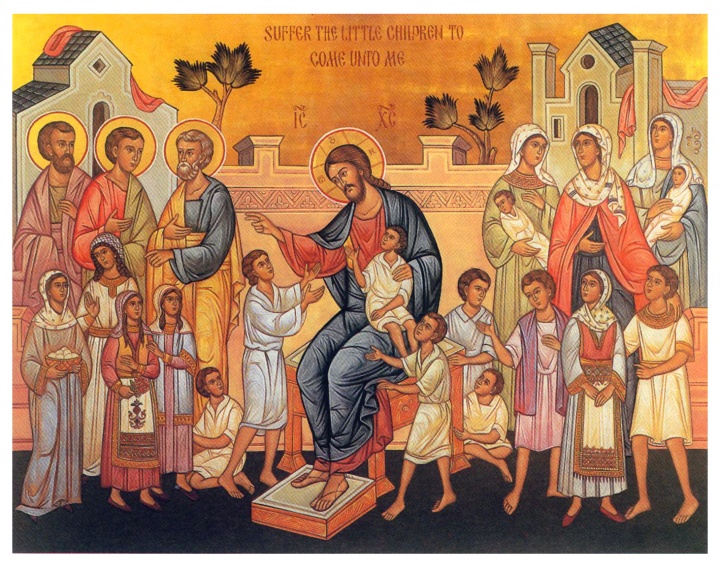
Rather than telling the disciples off for being childish, Jesus teaches them that, ‘If anyone would be first, he must be last of all and servant of all.’ (Mk 9 35 ESV) He then takes a child and says, ‘Whoever receives one such child in my name receives me, and whoever receives me, receives not me but him who sent me.’ (Mk 9 37 ESV) Children aren’t high up in the pecking order, they don’t know everything, and are dependant on their family. Jesus is proposing something of a revolution, turning human values on their head. The Incarnate Word of God will wash His disciples’ feet before the Last Supper. He embodies servant leadership, he doesn’t lord it over people. The ways of the Kingdom of God and this world are opposed to each other. True greatness will often look like weakness and servility in the world’s eyes. It doesn’t matter. What matters is living a life characterised by sacrificial self-giving love. 

As St Paul says in the opening Chapter of the First Letter to the Corinthians, God’s weakness is stronger than our strength. (1Cor 1:25) It is a paradox. This paradox is made apparent on the Cross, where God shows us that sacrificial love can change the world, and heal our wounded souls and restore broken humanity. It is part of the Mystery of the Cross, the mystery of God’s love. In a moment of weakness and powerlessness, where evil and sin appear to have triumphed, this is the supreme demonstration of LOVE, an act of such generosity which has the power to reconcile humanity. It is, with Christ’s Resurrection, the centre of our faith. 

The ways of the world can be found in the first reading this morning, from the Book of Wisdom, they point forward to Christ’s suffering and death. Christ is condemned to a ‘shameful death’ so that through it God might demonstrate His LOVE to the world.

Love can only be offered. It can be accepted or rejected, and it lies at the heart of any relationship. God gives Himself to us so that we might live in Him. He gives Himself today under the outward forms of bread and wine, so that might feast on His Body and Blood, and have life in Him. He offers himself to us, so that we might share in His Death and Risen Life. Love is vulnerable, and its vulnerability is most evident on the Cross, where Christ opens his arms to embrace the world in love.

Christ’s life on earth ends as it begins: He is naked and vulnerable. God’s weakness truly is stronger than human strength because it is the only thing which can truly change the world, heal our wounded souls, and restore broken humanity. Nothing else can. Without it we are condemned to the ways of selfishness and sin, which characterise so much of the world around us. The church is not immune as it is made up of frail, sinful human beings, just like you and me. We need God to be at work in our lives, to transform us more and more into His image. Recognising our own shortcomings is the first step in a process whereby God can be at work in our lives, transforming us more and more into His likeness. We need God’s grace to be at work in us, and recognising this is a sign of humility, that we know our need of God. This is not weakness, quite the opposite. 

We know that we have a problem, which we are unable to solve on our own. In His love and mercy, God sends His only Son to be born for us, to live and die for us, and rise again for us. He gives us His Body and Blood as a pledge and token of our future hope, to heal us and restore us, so that we might become what He is. In this we share in Christ’s suffering, as to follow Christ is to follow the Way of the Cross, a hard road, but one which leads to the joy of Easter, and New Life in Christ. We are transformed through LOVE and SUFFERING, a journey which starts with child-like trust in the God who LOVES us. It starts with humility, knowing our need of God, and trust in a God who loves us, and who can transform us. 

So my brothers and sisters, let us come to Him, trusting Him to be at work in our lives, filling us with His Love, sharing His suffering, pouring out His Grace upon us. Let us stay close to Him: nourished by His Word, the Bible, and the Sacraments, especially the Eucharist, where we receive a foretaste of the Heavenly Banquet, our food for the journey of faith, transforming us into His Divine likeness, strengthening us to live out our faith through acts of loving service, putting our faith into practice so that the world around us may repent of its foolish ways , and come to know and love God the Father, God the Son, and God the Holy Spirit, to whom be ascribed as is most right and just, all might, majesty, glory dominion, and power, now and forever. Amen. christ-children-02

Saturday, 18 August 2018

Twentieth Sunday of Yr B (Prov 9:1-6, Eph 5:15-20, Jn 6:51-58)

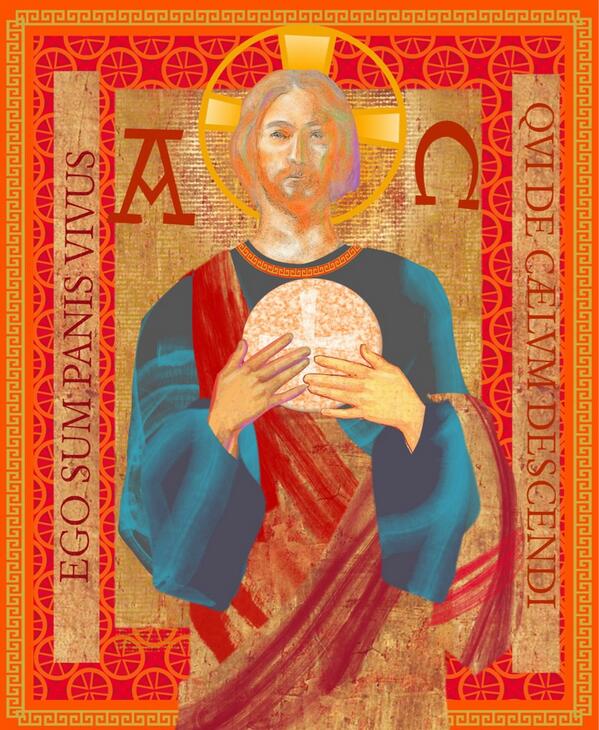
Over the past few weeks our readings from St John’s Gospel have focussed on Jesus’ teaching about the Bread of Life. After the Feeding of the Five Thousand Jesus teaches people at great length, beginning with His statement, ‘I am the bread of life’ (Jn 6:35) It is an extended meditation on what the Eucharist, the central and primary act of Christian worship, is. It is where we follow Jesus’ command to ‘to this in memory of Him’. At one level it is strange: the bread and wine do not look or taste any different after prayers have been said, but what we are eating and drinking IS different, because Jesus says that it is, because God is active in the world, and we have a relationship with Him. The way in which God acts is mysterious, we struggle to UNDERSTAND it, but we can EXPERIENCE it, through Holy Communion, where Christ feeds us with His Body and Blood. 

In our first reading this morning from the Book of Proverbs we see Wisdom. In the Christian tradition she is identified with Jesus Christ, the Word made Flesh. She is issuing an invitation: she has built a house, the Church. She has hewn seven pillars, the sacraments, the means of God’s grace to be active in our lives. The people of God are called to eat and drink, to live, and to walk in the way of insight, that is in following Jesus Christ. The New is prefigured in the Old. The Hebrew Scriptures point to, and find their fulfilment in Jesus Christ, who is the Wisdom of God, and the Word made Flesh. We are invited to His banquet, so let us come to be fed at the table of the Lord. 

Likewise St Paul advises the church in Ephesus not to behave in a worldly manner, but to put God at the centre of our lives. He ends by invoking the names of the three persons of the Godhead, Father, Son, and Holy Spirit, in a context of right worship, of praise of Almighty God, as that is what we as Christians are supposed to do: to love God and to serve him, through prayer and worship, through entering into the mystery of the Three in One. To be caught up in the outpouring of divine love, and to have a foretaste of it here on earth.

After feeding the Five Thousand in John’s Gospel, a sign of the generous nature of God’s love for humanity, Jesus embarks upon an extended discourse upon himself as the Bread of Life. John’s account of the Last Supper focuses on Christ washing the disciples’ feet, and their obeying Christ’s example and commands. There is no institution narrative, instead the Eucharistic teaching in John’s Gospel is centred around Jesus’ explanation in Chapter 6, so that a long time before Jesus’ suffering and death we can see what it is all about. It’s a process which starts with John the Baptist at the start of the Gospel, where he sees Jesus and says, ‘Behold the Lamb of God, who takes away the sin of the world’ (Jn 1:29) The Lamb points to Passover and the freedom of the people of God, freedom from sin and its effects.

Jesus begins the last section of his teaching with the bold claim that, ‘I am the living bread that came down from heaven. Whoever eats this bread will live for ever; and the bread that I will give for the life of the world is my flesh.’ These are some extraordinary claims to make, they would have sounded shocking to a first century Jew, and some two thousand years later they still sound shocking, and yet the offering of Christ’s body for the sins of the world as a sacrifice which is re-presented, made present again and offered to God the Father upon the altars of the church, is what the church is for, it is what we are for. It is why we come together to worship on the day when Christ rose from the dead, a sign of the new life we share in Christ, through baptism and the Eucharist.

It is done so that we may have life in us, and have it for eternity, so that we may share in the pledge of eternal life given to us in Christ, who will raise us up forever with Him. Such is the nature of God’s love for us: it is freely given, we do not earn it, we do not deserve it. It is something given to us, so that by it, and through it, we may become something greater, something better than we are.

Such is the power of God’s sacrificial love at work in our lives; such is the treasure which we have come here today to receive. If it were ordinary food then we would eat it, and it would become what we are, our flesh and blood; but instead we, who eat it, become what it is: the Body and Blood, Soul and Divinity of Our Lord and Saviour Jesus Christ. We share in His divine life, we are healed by His divine love, by his sacrifice the wounds of sin and division are healed so that humanity, made in the image of God might be ransomed, healed, restored, and forgiven by God, to live to his praise and glory.

God loves us. God dies for us, and rises again for us. As a sign, a pledge and a token of His love, He gives Himself to us in the Eucharist, so that we might come to share that divine life and love. The process of transformation which will end in Heaven is begun here and now, so that we can live the life of the Kingdom of God here and now, and transform the world around us into what God wants it to be. This is the revolution which God seeks to accomplish through us, through His Church, that fed by Christ and with Christ we transform the world around us, living lives of love and forgiveness which can and will change the world. 

Such wonderful news is truly worth pondering and considering in detail given its potential effects in our lives, so that bit by bit we are slowly and sure becoming more Christ-like, fed by Him, fed with Him, and encouraging others so to do so that the world may believe and give glory to God the Father, God the Son, and God the Holy Spirit, to whom be ascribed as is most right and just, all might, majesty, glory, dominion, and power, now and forever, Amen. 

blgsv4ncyaat655

Saturday, 14 July 2018

Fifteenth Sunday of Year B [Amos 7:7-15, Eph 1:3-14, Mk 6:14-29]

When the Church talks about calling, it often refers to the call of Isaiah, and Isaiah’s response, ‘Here am I! Send me.’ (Isa 6:8) and while it is good to respond to God’s call in our lives, I suspect that far more people, myself included, feel a lot more like the prophet Amos in this morning’s first reading: ‘I was no prophet, nor a prophet’s son, but I was a herdsman and a dresser of sycamore figs. But the Lord took me from following the flock, and the Lord said to me, “Go, prophesy to my people Israel.” Now therefore hear the word of the Lord.’ (Amos 7:14-16 ESV). Ours then is a not a God who calls the qualified, but who qualifies those called. We may well feel unworthy, or unable to carry out what God wants, and that is fine. God works through us, not because we are capable, but because we rely on Him. Amos tells the uncomfortable truth to the priest and to the king of Israel, and reminds them that their actions have consequences. The plumb line is true, it is a mark of the uprightness that God expects of Israel, the standard of the Law, the Torah. They have fallen short, and will be judged. This is what prophets do, they call people back to God, to walk in His ways. 

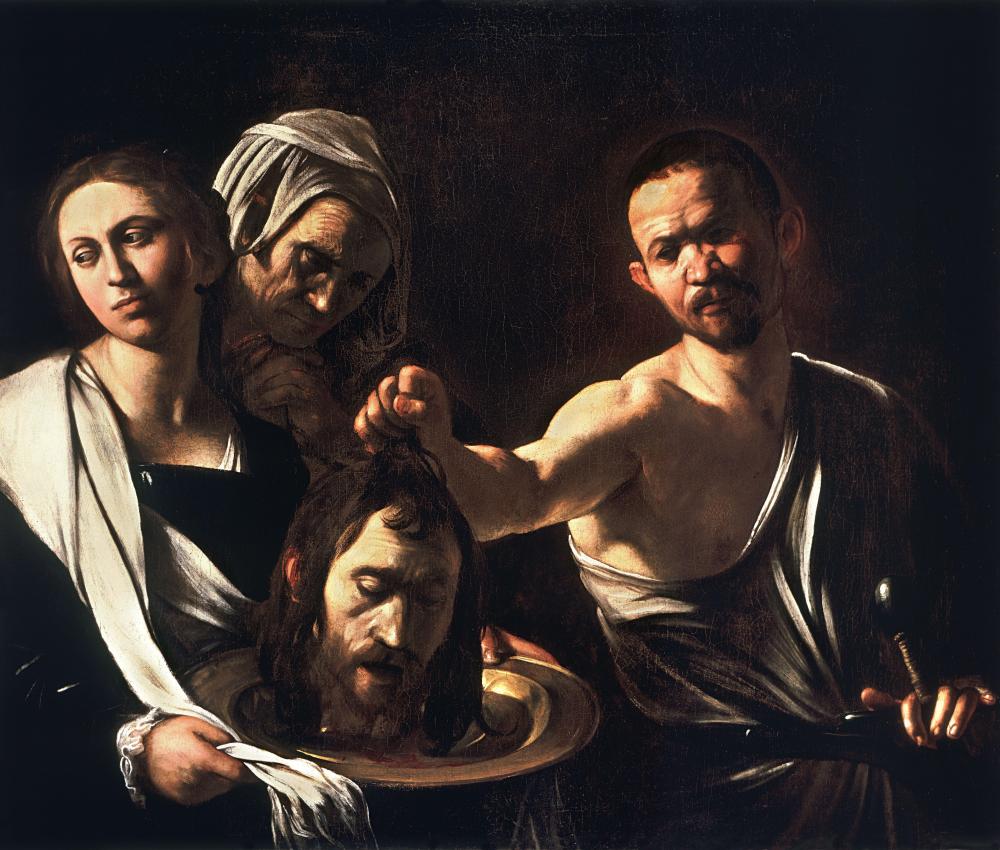
It is what John the Baptist has done to Herod Antipas in this morning’s Gospel: he has married his brother’s wife, Herodias, while his brother is still alive. Leviticus 18:16 prohibits this, so Herod has broken God’s moral law, he has sinned. John has preached a message of repentance, to turn away from sinful behaviour, and to turn back to God. It doesn’t make for easy listening, especially when we know that we have all fallen short of what God expects from us. While Herod wants to listen to John, he is WEAK, he doesn’t want to lose face and acquiesces to Salome’s demand. 

Rather like John the Baptist, each of us, through our baptism, is called to bear witness to our faith in our lives. This is what martyrdom is, bearing witness, regardless of the cost. We are called by God to be an example and to live out our faith in our lives. In our baptism we put on Christ, we are conformed to him, as priest, when we pray, as king, when we serve, and prophet, when we proclaim His Kingdom. Our prayer, service, and proclamation are the ways in which we live out our faith as something real in our lives, something which Paul’s Letter to the Ephesians reminds us that we do for the glory of God, whatever the cost. Few of us nowadays here in the UK are likely to bear witness to our faith at the cost of our life. Around the world plenty of Christians are, because they value Christ more than anything in this world, even life itself. Nothing is more important or valuable than Jesus Christ, the Word made flesh, who comes to us in His Word, the bible, and under the outward forms of bread and wine in the Eucharist, to feed us, and to transform us more and more into His likeness. 

When Jesus’ preaching comes to the ear of Herod he thinks that John has been raised from the dead. This anticipates and points forward to the Resurrection when Jesus will rise from the dead. Jesus and John are proclaiming the same message: Repent of your sins, and turn back to and believe in God. They both do marvellous things because they are both filled with the Holy Spirit. What they are, and what they do, is exactly what the church, you and me are called to, the same message, the same proclamation, the same miracles. If we trust in the God who loves us, then God can and will do wonderful things with and through us.

Herod doesn’t want to kill John, his conscience is pricked, he knows that he has done wrong. He is in a position where he does not want to risk losing face, in a culture where honour and shame are still motivating factors this is understandable, even if it doesn’t make it right. So Herod gives in to Salome’s wishes, and John pays the price of telling truth to power. Are we willing to do the same?

We do so as heralds of the Kingdom of God which is still becoming a reality in the world around us, it is a work in progress until Christ comes again and renews all things in Himself. In the meantime we can rest secure that we are a part of God’s plan for the world, a plan of LOVE, which sees Jesus die upon the Cross for our sins, and rise again to give us the hope of heaven. The redemption of the world in and through Jesus Christ is a reality, one which will become visible and present upon the altar this morning, where we obey His command to ‘Do this in memory of Him’ Christs’s sacrifice upon the cross is made present to us, so that we can share in His Risen Life, and the glory of Heaven here and now. We have a foretaste of heavenly glory to strengthen us on our journey of faith. We have hope for the future because of what God has done for us, and we have a pledge of it here this morning, in Christ’s Body and Blood. 

So how are we going to respond to the amazing generosity of God? Are we content to say, ‘Thank you very much!’ and carry on regardless as though none of this matters? Are we content for religion to be a matter of private devotion, rather than the core of our being, who we really are, the centre of our lives? Are we so conformed to the world that we act as though God is not important? If God can do such amazing things for us, can we not do more for God? It’s hard, we can all do better, and try harder; our lives are pressured, but that is why we are a Christian community. We do things together: we support each other, both in prayer and action, we cannot do it on our own, we can only do it TOGETHER, by the grace of God, working in and through us. It is His church, of which we are members, called to love and serve Him. God provides all that we could ever want or need with regard to faith, hope, and love. If we trust Him and rely upon Him alone then we can bear witness so that the world will come to believe in God the Father, God the Son, and God the Holy Spirit, to whom be ascribed as is most right and just all might, majesty, glory, dominion, and power, now and forever.

salome_with_the_head_of_john_the_baptist-caravaggio_28161029