Showing posts with label Word made Flesh. Show all posts

Wednesday, 25 December 2019

Christmas 2019

We have come here this morning because something wonderful happened two thousand years ago in Bethlehem. It is the single most important event in human history, summed up in St John’s memorable phrase, ‘And the Word became flesh and dwelt among us’ (Jn 1:14 ESV). The Word, through which God spoke all creation into being, the Son eternally begotten of the Father, who, through the power of the Holy Spirit, took flesh in the womb of His mother, the Blessed Virgin Mary, is born for us, and lives among us. The verb translated as ‘dwelt’ means to live in a tent, and thus to settle, which conveys something both temporary and permanent at the same time. This is the paradoxical quality of the Incarnation, which looks back to the Exodus when the people of Israel spent forty years in tents before they got to the Promised Land, and that God’s presence was with them, as then so now. God is with us, Emmanuel, He is with us now in the words of Holy Scripture and will be with us in the Eucharist.

Today is a day to be encouraged, and the message of Isaiah is one of joy. The birth of the Messiah, Jesus Christ, is good news, He comes to bring true peace to humanity. Our God reigns as a little baby, lying in a manger. Christ’s gift to us is peace and goodwill to all humanity. He can give us these gifts because He who is born for us today will die for us. The one wrapped in swaddling clothes will be wrapped in linen cloths in a tomb once He has died for us on the Cross. The beginning of His earthly life points to its end to remind us of the love of God for humanity. With joy the prophet can proclaim, ‘and all the ends of the earth shall see the salvation of our God.’ (Isa 52:10 ESV) Today salvation has indeed come to the whole world, for in His Birth and Death we are saved. 

The author of the Letter to the Hebrews understands that God speaks through his prophets, who look forward to the birth of the Son of God as the defining event, the turning point of human history. Prophets tell us both how things are and how they WILL BE, thus we have a vision of God’s future, we have the hope of glory in the one who is born today. We glimpse true glory in the vulnerability of the baby lying in the manger, dependant upon others for love, and food, and warmth. God’s glory confounds our expectations, and that’s the point. God’s ways are not our ways, nor his thoughts ours. In the same way that God saves us not because we ARE lovable, but so that we might become so. Humanity is saved in order to be transformed, and the Church exists to extend that transformation across space and time. 

Such is the mystery of God’s love, something so wonderful that we cannot fully understand it, but we can experience it, and through experiencing it, be transformed by it. As Austin Farrer wrote: 

‘God does not give us explanations; we do not comprehend the world, and we are not going to. It is and it remains for us a confused mystery of bright and dark. God does not give us explanations; he gives us a Son. Such is the spirit of the angel’s message to the shepherds: “Peace upon earth, good will to men … and this shall be the sign unto you: ye shall find a babe wrapped in swaddling clothes, and lying in a manger.” A Son is better than an explanation. The explanation of our death leaves us no less dead than we were; but a Son gives us a life, in which to live.’ [Austin Farrer Said or Sung pp. 27, 28]

As St John says, ‘ In him was life, and the life was the light of men.’ (Jn 1:4 ESV) Just as the star gives light to Bethlehem and guides the wise men on their way, so Christ gives light to a world filled with Darkness. Christ is the true light, and comes to give us true life in Him. ‘But to all who did receive him, who believed in his name, he gave the right to become children of God, who were born, not of blood nor of the will of the flesh nor of the will of man, but of God.’ (Jn 1:12-13 ESV) In the Church we are born again by water and the Holy Spirit, sharing in Christ’s Death and Resurrection, to have new life IN HIM. We are IN CHRIST, and are fed with HIS BODY AND BLOOD so that we may continue to be transformed by Him. Christ comes to give us life, new life, eternal life in Him, so that cleansed from our sins and transformed by the love of God we may live the life of the Kingdom, the life of heaven here and now. This is ‘glory as of the only Son from the Father, full of grace and truth.’ (Jn 1:14 ESV) given to humanity so that we may live as God intended us to. To us is offered through Christ the chance to return to Eden, to see Creation restored, and all things set right through Him. This is no pipe dream, but the reality of God’s love freely given to restore our fallen state. So let us live it and encourage others to so that all humanity may sing the praise of God the Father, God the Son, and God the Holy Spirit, to whom be ascribed as is most right and just all might, majesty, glory, dominion, and power, now and forever.

Christmas 2019

We have come here this morning because something wonderful happened two thousand years ago in Bethlehem. It is the single most important event in human history, summed up in St John’s memorable phrase, ‘And the Word became flesh and dwelt among us’ (Jn 1:14 ESV). The Word, through which God spoke all creation into being, the Son eternally begotten of the Father, who, through the power of the Holy Spirit, took flesh in the womb of His mother, the Blessed Virgin Mary, is born for us, and lives among us. The verb translated as ‘dwelt’ means to live in a tent, and thus to settle, which conveys something both temporary and permanent at the same time. This is the paradoxical quality of the Incarnation, which looks back to the Exodus when the people of Israel spent forty years in tents before they got to the Promised Land, and that God’s presence was with them, as then so now. God is with us, Emmanuel, He is with us now in the words of Holy Scripture and will be with us in the Eucharist.

Today is a day to be encouraged, and the message of Isaiah is one of joy. The birth of the Messiah, Jesus Christ, is good news, He comes to bring true peace to humanity. Our God reigns as a little baby, lying in a manger. Christ’s gift to us is peace and goodwill to all humanity. He can give us these gifts because He who is born for us today will die for us. The one wrapped in swaddling clothes will be wrapped in linen cloths in a tomb once He has died for us on the Cross. The beginning of His earthly life points to its end to remind us of the love of God for humanity. With joy the prophet can proclaim, ‘and all the ends of the earth shall see the salvation of our God.’ (Isa 52:10 ESV) Today salvation has indeed come to the whole world, for in His Birth and Death we are saved. 

The author of the Letter to the Hebrews understands that God speaks through his prophets, who look forward to the birth of the Son of God as the defining event, the turning point of human history. Prophets tell us both how things are and how they WILL BE, thus we have a vision of God’s future, we have the hope of glory in the one who is born today. We glimpse true glory in the vulnerability of the baby lying in the manger, dependant upon others for love, and food, and warmth. God’s glory confounds our expectations, and that’s the point. God’s ways are not our ways, nor his thoughts ours. In the same way that God saves us not because we ARE lovable, but so that we might become so. Humanity is saved in order to be transformed, and the Church exists to extend that transformation across space and time. 

Such is the mystery of God’s love, something so wonderful that we cannot fully understand it, but we can experience it, and through experiencing it, be transformed by it. As Austin Farrer wrote: 

‘God does not give us explanations; we do not comprehend the world, and we are not going to. It is and it remains for us a confused mystery of bright and dark. God does not give us explanations; he gives us a Son. Such is the spirit of the angel’s message to the shepherds: “Peace upon earth, good will to men … and this shall be the sign unto you: ye shall find a babe wrapped in swaddling clothes, and lying in a manger.” A Son is better than an explanation. The explanation of our death leaves us no less dead than we were; but a Son gives us a life, in which to live.’ [Austin Farrer Said or Sung pp. 27, 28]

As St John says, ‘ In him was life, and the life was the light of men.’ (Jn 1:4 ESV) Just as the star gives light to Bethlehem and guides the wise men on their way, so Christ gives light to a world filled with Darkness. Christ is the true light, and comes to give us true life in Him. ‘But to all who did receive him, who believed in his name, he gave the right to become children of God, who were born, not of blood nor of the will of the flesh nor of the will of man, but of God.’ (Jn 1:12-13 ESV) In the Church we are born again by water and the Holy Spirit, sharing in Christ’s Death and Resurrection, to have new life IN HIM. We are IN CHRIST, and are fed with HIS BODY AND BLOOD so that we may continue to be transformed by Him. Christ comes to give us life, new life, eternal life in Him, so that cleansed from our sins and transformed by the love of God we may live the life of the Kingdom, the life of heaven here and now. This is ‘glory as of the only Son from the Father, full of grace and truth.’ (Jn 1:14 ESV) given to humanity so that we may live as God intended us to. To us is offered through Christ the chance to return to Eden, to see Creation restored, and all things set right through Him. This is no pipe dream, but the reality of God’s love freely given to restore our fallen state. So let us live it and encourage others to so that all humanity may sing the praise of God the Father, God the Son, and God the Holy Spirit, to whom be ascribed as is most right and just all might, majesty, glory, dominion, and power, now and forever.

Saturday, 21 December 2019

Advent IV ‘He will save his people from their sins’

The story of salvation history, of humanity’s relationship with God can be characterised by one phrase: , ‘Paid ag ofni, Do not be afraid!’ Again and again God speaks to His people to tell them to be of good heart, to reassure and encourage them. This morning’s readings are a case in point. Joseph is afraid at the fact that his intended wife, Mary is with child. Rather than take her to court and divorce her publicly for infidelity, he intends to deal with the matter privately. Joseph is a just man, one who walks in the Law of the Lord. Joseph is someone close to God, so it is no surprise that God speaks to him in a dream. The angel is clear: the child that will be born is of the Holy Spirit, He will be the Son of God, and His name will be Jesus, because He will save His people from their sins. 

St Matthew clearly understands the Birth of Jesus as fulfilling the prophecy of Isaiah, which we heard as our first reading this morning. You ‘shall call his name Immanuel.’ (Isa 7:14 ESV) Jesus: God saves, Immanuel, God is with us. Names matter. What does is mean to say that God is with us? Is it an expression of solidarity? Or something more? In Jesus God is with us, and shares our human life, from birth to death. This is not some remote divine figure, but one intimately acquainted with all of human existence. This changes the dynamics of our relationship somewhat. God is not external, but someone who understands us, and loves us, whose entire existence is about communicating Divine Love and Reconciliation. This is all the Church has been about at its core for the past two thousand years, proclaiming the same message of hope and salvation.

He will save his people from their sins: the angel’s words to Joseph could not be clearer. Jesus is God’s rescue mission, to save humanity from their sins. It leads to the Cross, and so as we prepare to celebrate His Birth, we know that His life will end here, on Cross, where He who was without sin, became sin, experiencing all the alienation and estrangement which it produces. As we prepare the most joyous of feasts, we are mindful of the cost of God’s love. This is a love which will see the bonds of love which unite Father, Son, and Holy Spirit, ruptured, as the Son experiences death and desolation, so that we no longer have to. This is the Good News of the Kingdom of God, which the Church exists to proclaim and live out, to continue God’s work of love and reconciliation. 

Jesus will be born so that Scripture might be fulfilled, or as St Paul puts it in the beginning of his Letter to the Romans: ‘which he promised beforehand through his prophets in the holy Scriptures’ (Rom 1:2 ESV). The Church has always proclaimed this truth, because it is true. On the road to Emmaus, before He reveals Himself to them in the Eucharist,  Jesus explains the Hebrew Scriptures to them: ‘And beginning with Moses and all the Prophets, he interpreted to them in all the Scriptures the things concerning himself’ (Lk 24:27 ESV) The Church interprets Scripture as pointing to Jesus Christ because that is what Our Lord Himself does. We follow His example. It is how the Apostle Philip explains Scripture to the Ethiopian eunuch in Acts 8:35. Scripture, the Word of God, points to the Word made flesh who dwelt among us. He is its author, its focus, and the interpretative key, who unlocks its meaning. 

The final words Jesus says to His disciples before His Ascension are ‘And behold, I am with you always, to the end of the age.’ (Matt 28:20 ESV) The one who is God with us, as he departs this earth, promises to remain with us. And through His Holy Spirit, he does. He is with us in Scripture, and especially in the Eucharist, when we feast on His Body and Blood, given for us, so that we might have life in Him. God gives Himself for us, so that we might become what He is, so that we might share the Divine life of love forever. This is what salvation looks like, and tastes like. The act of love which we are preparing to celebrate in Our Lord’s Nativity should draw us to love God and our neighbour, to live out the love which becomes flesh in the womb of the Virgin Mary, which will become flesh and blood that we can touch and taste, here, this morning, to feed us, so that we might share His divine life. So let us imitate the mystery we celebrate, let us be filled with and transformed by the divine life of love, let us like Mary and Joseph wait on the Lord, and be transformed by him, to live out our faith in our lives so that the world might believe and sing the praise of God the Father, God the Son, and God the Holy Spirit, to whom be ascribed as is most right and just all might, majesty, glory, dominion, and power, now and forever. Amen.
T'oros_Roslin_-_Joseph's_Dream_-_Walters_W53917R_-_Detail_A.jpg

Advent IV ‘He will save his people from their sins’

The story of salvation history, of humanity’s relationship with God can be characterised by one phrase: , ‘Paid ag ofni, Do not be afraid!’ Again and again God speaks to His people to tell them to be of good heart, to reassure and encourage them. This morning’s readings are a case in point. Joseph is afraid at the fact that his intended wife, Mary is with child. Rather than take her to court and divorce her publicly for infidelity, he intends to deal with the matter privately. Joseph is a just man, one who walks in the Law of the Lord. Joseph is someone close to God, so it is no surprise that God speaks to him in a dream. The angel is clear: the child that will be born is of the Holy Spirit, He will be the Son of God, and His name will be Jesus, because He will save His people from their sins. 

St Matthew clearly understands the Birth of Jesus as fulfilling the prophecy of Isaiah, which we heard as our first reading this morning. You ‘shall call his name Immanuel.’ (Isa 7:14 ESV) Jesus: God saves, Immanuel, God is with us. Names matter. What does is mean to say that God is with us? Is it an expression of solidarity? Or something more? In Jesus God is with us, and shares our human life, from birth to death. This is not some remote divine figure, but one intimately acquainted with all of human existence. This changes the dynamics of our relationship somewhat. God is not external, but someone who understands us, and loves us, whose entire existence is about communicating Divine Love and Reconciliation. This is all the Church has been about at its core for the past two thousand years, proclaiming the same message of hope and salvation.

He will save his people from their sins: the angel’s words to Joseph could not be clearer. Jesus is God’s rescue mission, to save humanity from their sins. It leads to the Cross, and so as we prepare to celebrate His Birth, we know that His life will end here, on Cross, where He who was without sin, became sin, experiencing all the alienation and estrangement which it produces. As we prepare the most joyous of feasts, we are mindful of the cost of God’s love. This is a love which will see the bonds of love which unite Father, Son, and Holy Spirit, ruptured, as the Son experiences death and desolation, so that we no longer have to. This is the Good News of the Kingdom of God, which the Church exists to proclaim and live out, to continue God’s work of love and reconciliation. 

Jesus will be born so that Scripture might be fulfilled, or as St Paul puts it in the beginning of his Letter to the Romans: ‘which he promised beforehand through his prophets in the holy Scriptures’ (Rom 1:2 ESV). The Church has always proclaimed this truth, because it is true. On the road to Emmaus, before He reveals Himself to them in the Eucharist,  Jesus explains the Hebrew Scriptures to them: ‘And beginning with Moses and all the Prophets, he interpreted to them in all the Scriptures the things concerning himself’ (Lk 24:27 ESV) The Church interprets Scripture as pointing to Jesus Christ because that is what Our Lord Himself does. We follow His example. It is how the Apostle Philip explains Scripture to the Ethiopian eunuch in Acts 8:35. Scripture, the Word of God, points to the Word made flesh who dwelt among us. He is its author, its focus, and the interpretative key, who unlocks its meaning. 

The final words Jesus says to His disciples before His Ascension are ‘And behold, I am with you always, to the end of the age.’ (Matt 28:20 ESV) The one who is God with us, as he departs this earth, promises to remain with us. And through His Holy Spirit, he does. He is with us in Scripture, and especially in the Eucharist, when we feast on His Body and Blood, given for us, so that we might have life in Him. God gives Himself for us, so that we might become what He is, so that we might share the Divine life of love forever. This is what salvation looks like, and tastes like. The act of love which we are preparing to celebrate in Our Lord’s Nativity should draw us to love God and our neighbour, to live out the love which becomes flesh in the womb of the Virgin Mary, which will become flesh and blood that we can touch and taste, here, this morning, to feed us, so that we might share His divine life. So let us imitate the mystery we celebrate, let us be filled with and transformed by the divine life of love, let us like Mary and Joseph wait on the Lord, and be transformed by him, to live out our faith in our lives so that the world might believe and sing the praise of God the Father, God the Son, and God the Holy Spirit, to whom be ascribed as is most right and just all might, majesty, glory, dominion, and power, now and forever. Amen.

T'oros_Roslin_-_Joseph's_Dream_-_Walters_W53917R_-_Detail_A.jpg

Saturday, 30 November 2019

Advent I (Year A)

Just over one hundred and one years ago a war ended that was supposed to be ‘the war to end all wars’. Instead the last century has seen very little peace. We are lucky in Western Europe that we have experienced 70 years without conflict, but there have been wars elsewhere. Humanity is still plagued by warfare: the loss of life, the crimes committed, lives blighted. So when we hear the prophecy of Isaiah in this morning’s first reading it is truly joyful. Beating swords into ploughshares and turning spears into pruning hooks sounds wonderful indeed. Growing crops and tending vines provides us with food and drink. It is a sign of peace, joy, and prosperity. And at the time when Christ was born, and we are preparing to celebrate the yearly memorial of his birth at Christmas, this prophecy was fulfilled. There was peace in the Roman World when Christ was born, scripture was fulfilled. And we look forward to such peace coming again, and we work for it, together. The messianic age which we look forward to  shows us what truly following Christ looks like in practice. If we walk in the light of the Lord, we are freed from the darkness of sin and destruction, which threatens to overwhelm us. 

This same message is found in St Paul’s Letter to the Romans, our second reading this morning. It is an encouraging message, that another way is possible. Instead of sleep-walking towards damnation and destruction, we can be awake and ready to follow Christ. Every day is another day closer to Christ’s Second Coming. He will come again, as our Saviour and our Judge. We need to be ready, putting on the armour of light, putting on Christ, through our baptism, and living out the faith of our baptism in our lives. The capital of the Roman Empire was renowned for tolerating some pretty immoral behaviour. It was everywhere, all around the Christian community there. Were they tempted to join in? Of course! But St Paul advises them to resist the pleasures of the flesh, drunkenness, quarrelling, nastiness: all the sorts of things we can get up to if left to our own devices.

St Paul speaks to us, to encourage the church and its members, you and me, not to give into the culture of the world around us, but to stay close to Christ. It is easy in theory, but tricky in practice. It’s easier when you’re part of a community. We can help and support each other, in good times and bad. It’s why people join Slimming World or Weightwatchers. They’re trying to change their lifestyle and eating habits, and find the support of a group a great help. Never think that small groups do not have the power to change the world. We are living proof of it as Christians, and it is why we are HERE today: to support each other, to be built up in love together, to turn away from the ways of the world, and to follow Christ. 

We follow Christ and we are ready. We prepare for Christ to come among us. That’s what Advent means, Christ’s coming. We prepare for three comings: the first our annual commemoration of His birth in Bethlehem, at Christmas, where the Word became flesh and dwelt among us. The second coming of Christ will be at the end of time, when He will be our Saviour and our Judge. The third coming we prepare for is even nearer. It happens day by day, and week when Christ comes to us in the Eucharist, in His Body and Blood, under the outward forms of Bread and Wine, the Banquet of the Kingdom, anticipated by the ploughshares and pruning hooks of Isaiah, tools to help produce Bread and Wine, a prophecy which looks forward to the peace of the Messiah and a banquet of Bread and Wine. Food of the Kingdom, food for our journey of faith, to give us strength and new life in Christ. Christ comes to us in the Eucharist to give us strength and to transform us, into His likeness. This is the reality of God’s love for us, shown to us on the Cross, and in the Resurrection, a pledge, a sure sign of love, love we can touch and taste, love which transforms us.

We need it, and we need it together. It is why we gather together on the day when Christ rose from the dead to celebrate His triumph, and ask for His prayers. Because as St Matthew’s Gospel tells us, we need to be ready. We need to be ready because ‘the Son of Man is coming at an hour you do not expect.’ (Mt 24:44 ESV) It could be that between my writing these words and delivering them, Christ will come. Christ could come today, or in thousands of years’ time. It doesn’t matter when He comes. We need to be ready, prepared to meet Him, freed from sin, and living out our faith in our lives, having heeded the warnings to prepare ourselves. That’s why Advent is a penitential season, we are reminded of how we fall short, and try, with God’s grace, to amend our lives and follow Christ.

That is why in this morning’s Gospel reading Christ says, ‘For as were the days of Noah, so will be the coming of the Son of Man.’ (Mt 24:37 ESV). Before the flood in Genesis we se that humanity was corrupt and violent, and sinful. The point Christ is making is that this is how the world will be; Christians should not be like this, because we have put on Christ, we are walking in the light, supporting each other, as a community of faith, living out the love we have been shown in Christ. At a time we do not expect, Our Lord will return, so we need to be ready, so that whenever He comes Christ may find us ready, and prepared to meet him.  

We need to prepare our hearts, our souls, our minds, all of our life, we need to live and act, to think and speak like the people of God, fully alive in him, having turned away from the ways of the world, to live fully in him, we are to live this way, and invite others so to do, so that the Kingdom of God’s peace and love may truly be found here in earth, where humanity is truly valued, where violence, death, murder, and immorality are no more.

The time is short, the time is now, it really matters; we need to come to the Lord, learn his ways and walk in his paths, living decently, living vigilantly, preferring nothing to Christ, and inviting all the world to come to the fullness of life in Him. This is how we celebrate His coming at Christmas and as Our Saviour and Judge, by following him, fed by Him, restored and healed by Him, and sharing His church’s message with all the world, so that it too may believe and sing the praise of God the Father, God the Son, and God the Holy Spirit, to whom be ascribed as is most right and just all might, majesty, glory, dominion, and power, now and forever.
Last_Judgement_(Michelangelo).jpg

Advent I (Year A)

Just over one hundred and one years ago a war ended that was supposed to be ‘the war to end all wars’. Instead the last century has seen very little peace. We are lucky in Western Europe that we have experienced 70 years without conflict, but there have been wars elsewhere. Humanity is still plagued by warfare: the loss of life, the crimes committed, lives blighted. So when we hear the prophecy of Isaiah in this morning’s first reading it is truly joyful. Beating swords into ploughshares and turning spears into pruning hooks sounds wonderful indeed. Growing crops and tending vines provides us with food and drink. It is a sign of peace, joy, and prosperity. And at the time when Christ was born, and we are preparing to celebrate the yearly memorial of his birth at Christmas, this prophecy was fulfilled. There was peace in the Roman World when Christ was born, scripture was fulfilled. And we look forward to such peace coming again, and we work for it, together. The messianic age which we look forward to  shows us what truly following Christ looks like in practice. If we walk in the light of the Lord, we are freed from the darkness of sin and destruction, which threatens to overwhelm us. 

This same message is found in St Paul’s Letter to the Romans, our second reading this morning. It is an encouraging message, that another way is possible. Instead of sleep-walking towards damnation and destruction, we can be awake and ready to follow Christ. Every day is another day closer to Christ’s Second Coming. He will come again, as our Saviour and our Judge. We need to be ready, putting on the armour of light, putting on Christ, through our baptism, and living out the faith of our baptism in our lives. The capital of the Roman Empire was renowned for tolerating some pretty immoral behaviour. It was everywhere, all around the Christian community there. Were they tempted to join in? Of course! But St Paul advises them to resist the pleasures of the flesh, drunkenness, quarrelling, nastiness: all the sorts of things we can get up to if left to our own devices.

St Paul speaks to us, to encourage the church and its members, you and me, not to give into the culture of the world around us, but to stay close to Christ. It is easy in theory, but tricky in practice. It’s easier when you’re part of a community. We can help and support each other, in good times and bad. It’s why people join Slimming World or Weightwatchers. They’re trying to change their lifestyle and eating habits, and find the support of a group a great help. Never think that small groups do not have the power to change the world. We are living proof of it as Christians, and it is why we are HERE today: to support each other, to be built up in love together, to turn away from the ways of the world, and to follow Christ. 

We follow Christ and we are ready. We prepare for Christ to come among us. That’s what Advent means, Christ’s coming. We prepare for three comings: the first our annual commemoration of His birth in Bethlehem, at Christmas, where the Word became flesh and dwelt among us. The second coming of Christ will be at the end of time, when He will be our Saviour and our Judge. The third coming we prepare for is even nearer. It happens day by day, and week when Christ comes to us in the Eucharist, in His Body and Blood, under the outward forms of Bread and Wine, the Banquet of the Kingdom, anticipated by the ploughshares and pruning hooks of Isaiah, tools to help produce Bread and Wine, a prophecy which looks forward to the peace of the Messiah and a banquet of Bread and Wine. Food of the Kingdom, food for our journey of faith, to give us strength and new life in Christ. Christ comes to us in the Eucharist to give us strength and to transform us, into His likeness. This is the reality of God’s love for us, shown to us on the Cross, and in the Resurrection, a pledge, a sure sign of love, love we can touch and taste, love which transforms us.

We need it, and we need it together. It is why we gather together on the day when Christ rose from the dead to celebrate His triumph, and ask for His prayers. Because as St Matthew’s Gospel tells us, we need to be ready. We need to be ready because ‘the Son of Man is coming at an hour you do not expect.’ (Mt 24:44 ESV) It could be that between my writing these words and delivering them, Christ will come. Christ could come today, or in thousands of years’ time. It doesn’t matter when He comes. We need to be ready, prepared to meet Him, freed from sin, and living out our faith in our lives, having heeded the warnings to prepare ourselves. That’s why Advent is a penitential season, we are reminded of how we fall short, and try, with God’s grace, to amend our lives and follow Christ.

That is why in this morning’s Gospel reading Christ says, ‘For as were the days of Noah, so will be the coming of the Son of Man.’ (Mt 24:37 ESV). Before the flood in Genesis we se that humanity was corrupt and violent, and sinful. The point Christ is making is that this is how the world will be; Christians should not be like this, because we have put on Christ, we are walking in the light, supporting each other, as a community of faith, living out the love we have been shown in Christ. At a time we do not expect, Our Lord will return, so we need to be ready, so that whenever He comes Christ may find us ready, and prepared to meet him.  

We need to prepare our hearts, our souls, our minds, all of our life, we need to live and act, to think and speak like the people of God, fully alive in him, having turned away from the ways of the world, to live fully in him, we are to live this way, and invite others so to do, so that the Kingdom of God’s peace and love may truly be found here in earth, where humanity is truly valued, where violence, death, murder, and immorality are no more.

The time is short, the time is now, it really matters; we need to come to the Lord, learn his ways and walk in his paths, living decently, living vigilantly, preferring nothing to Christ, and inviting all the world to come to the fullness of life in Him. This is how we celebrate His coming at Christmas and as Our Saviour and Judge, by following him, fed by Him, restored and healed by Him, and sharing His church’s message with all the world, so that it too may believe and sing the praise of God the Father, God the Son, and God the Holy Spirit, to whom be ascribed as is most right and just all might, majesty, glory, dominion, and power, now and forever.

Last_Judgement_(Michelangelo).jpg

Sunday, 17 November 2019

Trinity XXII

As Christians are we simply satisfied with the world, with the way things are? No. Do we want things to be different? I hope so, yes. That’s good, as the prophet Malachi in our first reading this morning has a vision of the future, when the arrogant and evil doers will be like stubble in a furnace, ‘But for you who fear my name, the sun of righteousness shall rise with healing in its wings. You shall go out leaping like calves from the stall.’ (Malachi 4:2). This is a vision of a future where God is in control, and things will be put right, and at one level He already has. Christ is risen from the dead, the one who heals God’s people has risen. The time is both not yet, and now, a work in progress, and a reality. 

We have a part to play in it. We cannot just sit back and wait for God to sort everything out, we need to co-operate with God, and help to make the Kingdom a reality. Hence S. Paul’s advice to the Thessalonians, ‘As for you, brothers, do not grow weary in doing good’ (2Thess 3:13). We’ve been trying and failing for nearly two thousand years. That’s what a work in progress is. It isn’t easy, and no one can fail to notice that the world around us is often rather hostile to who we are, and what we stand for. It is not easy to be a Christian, nor has it ever been, for that matter. 

We will be hated by all people for Christ’s name’s sake (Lk 21:17). Hate is a strong word, but as we are directly opposed to many in this world, it is not surprising. With hatred comes persecution, and we only have to look to China, North Korea, the Middle East, India, and Pakistan, to see it. Christians are being killed for believing in God who loves us, who died to save from our sins. To follow Christ is to walk the way of the Cross, to risk imprisonment, torture and death, for the love of His name. But ‘there is salvation in no one else, for there is no other name under heaven given among men by which we must be saved’ (Acts 4:12). Only Jesus can save us, we cannot save ourselves. We are called to bear witness to Him. 

Jews in the first century AD loved the Temple, it was the centre of their world, it was where they could be close to God, it was where sacrifices happened which took away their sins. But less than forty years after Jesus spoke this prophecy a Roman Army destroyed it. But as Christians we know that Jesus Christ is the new Temple, the place to meet God, the place of sacrifice. Destroy it in three days, and I will raise it up. Christ speaks of His body, and that is us: we are the Body of Christ. Churches are not buildings, they are groups of people who love Jesus, and each other. Jesus speaks of false Christs, who will lead people astray, and warns ‘ do not go after them’ (Lk 21:8). It is a temptation, especially when times are hard, when there are war and natural disasters. 

But we know that Our Lord Jesus Christ is victorious, he is the true worship of God. In Him we can have confidence. He gives us Himself, His Body and Blood, to nourish us and to heal us, and give us strength to prepare us for the trials we will face. Here in Britain it is more likely to be indifference than anything else. Indifference speaks of a hardness of heart, being deaf to the Good News of the Kingdom. At its root is Sin, our separation from God by our following our will, and not God’s. We think we know better, and do what we want to do, rather than letting God work through us. The human condition hasn’t actually changed since the Garden of Eden. We continue to make the same mistakes over and over again. There is, however, a way out of this. God in Christ deals with the problem of our sin on the Cross, where He offers himself as a sacrificial victim to atone for all the sins of humanity. It’s what Christ was born for, as the angel says to Joseph, ‘She will bear a son, and you are to name him Jesus, for he will save his people from their sins.’ (Mt 1:21) The name Jesus (Hebrew Yeshua) means ‘God saves’ and He does. This is what we believe as Christians, where we put our trust, our hope, in a God who loves us and saves us, the same God who inspired the prophecies of Malachi, which look forward to Christ. 

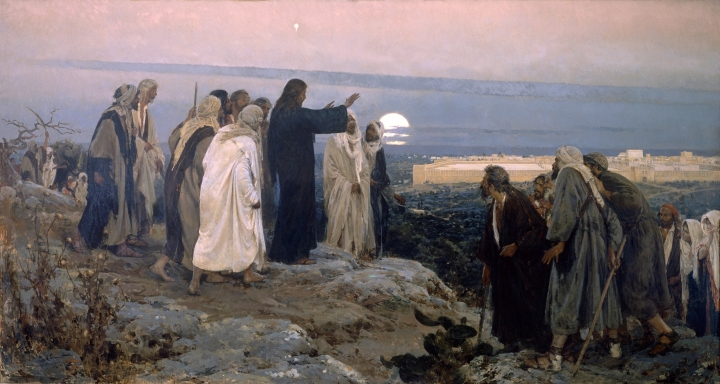
That same Christ who heals us and sustains us will be with us in our trials, and whereas our family and friends may prove false to us, we can have confidence that Christ will never let us down. He’s been through this. Through the gift of the Holy Spirit we are strengthened to bear witness to Him. For the same Christ who died for us, and rose again, who ascended into heaven, will come again to judge us and all the world. It sounds scary and intimidating, and at one level it is, and it should be. It matters; hence our urgency in proclaiming the Kingdom of God. But the one who will judge us, is the same one who died to set us free, the God who loves us, who heals us, and restores us. A God of love and mercy, risen with healing in his wings. Let us come to Him, be healed by Him, nourished with His Body and Blood and strengthened to proclaim Him in word and deed, so that the world may come to believe and sing the praises of God the Father, God the Son, and God the Holy Spirit, to whom be ascribed as is most right and just all might, majesty, glory, dominion, and power, now and forever. Amen.Enrique_Simonet_-_Flevit_super_illam_-_1892-1.jpg

Trinity XXII

As Christians are we simply satisfied with the world, with the way things are? No. Do we want things to be different? I hope so, yes. That’s good, as the prophet Malachi in our first reading this morning has a vision of the future, when the arrogant and evil doers will be like stubble in a furnace, ‘But for you who fear my name, the sun of righteousness shall rise with healing in its wings. You shall go out leaping like calves from the stall.’ (Malachi 4:2). This is a vision of a future where God is in control, and things will be put right, and at one level He already has. Christ is risen from the dead, the one who heals God’s people has risen. The time is both not yet, and now, a work in progress, and a reality. 

We have a part to play in it. We cannot just sit back and wait for God to sort everything out, we need to co-operate with God, and help to make the Kingdom a reality. Hence S. Paul’s advice to the Thessalonians, ‘As for you, brothers, do not grow weary in doing good’ (2Thess 3:13). We’ve been trying and failing for nearly two thousand years. That’s what a work in progress is. It isn’t easy, and no one can fail to notice that the world around us is often rather hostile to who we are, and what we stand for. It is not easy to be a Christian, nor has it ever been, for that matter. 

We will be hated by all people for Christ’s name’s sake (Lk 21:17). Hate is a strong word, but as we are directly opposed to many in this world, it is not surprising. With hatred comes persecution, and we only have to look to China, North Korea, the Middle East, India, and Pakistan, to see it. Christians are being killed for believing in God who loves us, who died to save from our sins. To follow Christ is to walk the way of the Cross, to risk imprisonment, torture and death, for the love of His name. But ‘there is salvation in no one else, for there is no other name under heaven given among men by which we must be saved’ (Acts 4:12). Only Jesus can save us, we cannot save ourselves. We are called to bear witness to Him. 

Jews in the first century AD loved the Temple, it was the centre of their world, it was where they could be close to God, it was where sacrifices happened which took away their sins. But less than forty years after Jesus spoke this prophecy a Roman Army destroyed it. But as Christians we know that Jesus Christ is the new Temple, the place to meet God, the place of sacrifice. Destroy it in three days, and I will raise it up. Christ speaks of His body, and that is us: we are the Body of Christ. Churches are not buildings, they are groups of people who love Jesus, and each other. Jesus speaks of false Christs, who will lead people astray, and warns ‘ do not go after them’ (Lk 21:8). It is a temptation, especially when times are hard, when there are war and natural disasters. 

But we know that Our Lord Jesus Christ is victorious, he is the true worship of God. In Him we can have confidence. He gives us Himself, His Body and Blood, to nourish us and to heal us, and give us strength to prepare us for the trials we will face. Here in Britain it is more likely to be indifference than anything else. Indifference speaks of a hardness of heart, being deaf to the Good News of the Kingdom. At its root is Sin, our separation from God by our following our will, and not God’s. We think we know better, and do what we want to do, rather than letting God work through us. The human condition hasn’t actually changed since the Garden of Eden. We continue to make the same mistakes over and over again. There is, however, a way out of this. God in Christ deals with the problem of our sin on the Cross, where He offers himself as a sacrificial victim to atone for all the sins of humanity. It’s what Christ was born for, as the angel says to Joseph, ‘She will bear a son, and you are to name him Jesus, for he will save his people from their sins.’ (Mt 1:21) The name Jesus (Hebrew Yeshua) means ‘God saves’ and He does. This is what we believe as Christians, where we put our trust, our hope, in a God who loves us and saves us, the same God who inspired the prophecies of Malachi, which look forward to Christ. 

That same Christ who heals us and sustains us will be with us in our trials, and whereas our family and friends may prove false to us, we can have confidence that Christ will never let us down. He’s been through this. Through the gift of the Holy Spirit we are strengthened to bear witness to Him. For the same Christ who died for us, and rose again, who ascended into heaven, will come again to judge us and all the world. It sounds scary and intimidating, and at one level it is, and it should be. It matters; hence our urgency in proclaiming the Kingdom of God. But the one who will judge us, is the same one who died to set us free, the God who loves us, who heals us, and restores us. A God of love and mercy, risen with healing in his wings. Let us come to Him, be healed by Him, nourished with His Body and Blood and strengthened to proclaim Him in word and deed, so that the world may come to believe and sing the praises of God the Father, God the Son, and God the Holy Spirit, to whom be ascribed as is most right and just all might, majesty, glory, dominion, and power, now and forever. Amen.Enrique_Simonet_-_Flevit_super_illam_-_1892-1.jpg
Sunday, 3 February 2019

Candlemas

Not all that long ago it was not uncommon to hear of the Churching of Women, sometimes called Thanksgiving after Childbirth, as it was after all a dangerous and risky business. We are perhaps now not quite so used to ideas of ritual purity inherent in the Thanksgiving for a Woman after Childbirth, or her re-admission into society after a period of confinement. But the Law of Moses required that forty days after giving birth the mother was purified in a mikvah, a ritual bath and that her son, as a first-born male was presented to the Lord. This week the Church celebrates the Presentation of Christ in the Temple, also known as the Purification of the Blessed Virgin Mary and commonly called Candlemas, from the ceremonies which saw the candles for the coming year blessed at this service, so that they may burn as lights which proclaim Christ, the true Light, the light to lighten the Gentiles. They are different titles, but one feast, which make us think about who and what Jesus Christ is, and what he does.

This feast then is the fulfilment of the prophecy spoken by Malachi, which also looks to our purification in and through the death of Christ and his atoning sacrifice of himself, which will be be re-presented here, made present so that we can share in it, so that we can be healed and restored by the very Body and Blood of Our Lord and Saviour Jesus Christ. As the Letter to the Hebrews puts it:

‘Therefore he had to become like his brothers and sisters in every respect, so that he might be a merciful and faithful high priest in the service of God, to make a sacrifice of atonement for the sins of the people. Because he himself was tested by what he suffered, he is able to help those who are being tested.’ 

It is hard to see how it could be any clearer. Just as Abraham was willing to sacrifice Isaac on Mt Moriah, so now God will gladly give His only Son, Jesus Christ, on the altar of the Cross, to restore our relationship with Him.

The Holy Family go to the Temple to give thanks to God and to comply with the Law, just as they had in circumcising their baby on the eighth day: and in so doing they demonstrate obedience, they listen to what God says and do it and as such they are a model for all Christian families to follow – we need to be like them, listening to what God tells us and doing it, regardless of the cost.

When the Holy Family go to the Temple they encounter Simeon, a man of faith and holiness. A man devoted to God, who is looking for the consolation of Israel. He knows that he will not die until he sees the Messiah, the Lord’s Anointed, and the Saviour of the World. As he takes the child Jesus in his arms he prays: ‘Lord, now lettest thou thy servant depart in peace : according to thy word. For mine eyes have seen : thy salvation, Which thou hast prepared : before the face of all people; To be a light to lighten the Gentiles : and to be the glory of thy people Israel.’

The promise made to him by God, revealed through the Holy Spirit, has been fulfilled in the six-week-old infant in his arms. Simeon can prepare to meet his God happy in the knowledge that Salvation has dawned in this little child. As Christ was made manifest to the Gentiles at Epiphany, so now His saving message is proclaimed, so that the world may know that its salvation has come in the person of Jesus Christ. Simeon speaks to Our Lord’s Mother of her Son’s future, and the pain she will endure at the foot of the Cross. Before he dies Simeon is looking to the Cross, the means by which our salvation is wrought, the Cross at which Mary will stand to see humanity freed from its sin through the love and mercy of God, through grace, the free gift of God in Christ. So as Candlemas concludes our celebration of Christmas, and the mystery of the Incarnation, so to it points to that which gives it its true meaning: the Death and Resurrection of Jesus Christ. The Feast prepares for the coming season of Lent by changing our focus and attention from Jesus’ birth to His death, for our sins, upon the Cross.

That is why we are here this morning, to be fed by Christ, to be fed with Christ, truly present in His Body and Blood, Soul and Divinity. A God whom we can touch and taste. A God who shares His Divine Life with us, so that we can be transformed by Him, built up as living stones as a temple to His Glory, and given a foretaste of Heaven here on Earth. This is our soul’s true food, the bread for the journey of faith, a re-presentation of the sacrifice which sets us free to live for Him, to live with Him, through Him and in Him.

The significance of what is happening is not just recognised by Simeon, but also by Anna, a holy woman, a woman of prayer, a woman who is close to God, she recognises what God is doing in Christ, and she proclaims it, so that God’s redemption of His people may be known. Let us be like her, and let all of our lives, everything which we say, or think, or do, proclaim the saving truth of God’s love to the world.

And finally the Holy Family go back to Nazareth, and Jesus begins to grow up, in the favour of God, obedient to God and His parents in the Gospel we see all of human life: birth, death, work, normality hallowed by the God who loves us, who gives His Son for us. God shares our human life, as He will share our death, to restore us, to heal us,

So let us burn, like the candles which God has blessed, let our faith be active to give light and warmth and hope to the world, so that it may feel that love and warmth, and come to believe and give glory to God the Father, God the Son, and God the Holy Spirit, to whom be ascribed as is most right and just all might, majesty, glory, dominion, and power, now and forever.
6567

Candlemas

Not all that long ago it was not uncommon to hear of the Churching of Women, sometimes called Thanksgiving after Childbirth, as it was after all a dangerous and risky business. We are perhaps now not quite so used to ideas of ritual purity inherent in the Thanksgiving for a Woman after Childbirth, or her re-admission into society after a period of confinement. But the Law of Moses required that forty days after giving birth the mother was purified in a mikvah, a ritual bath and that her son, as a first-born male was presented to the Lord. This week the Church celebrates the Presentation of Christ in the Temple, also known as the Purification of the Blessed Virgin Mary and commonly called Candlemas, from the ceremonies which saw the candles for the coming year blessed at this service, so that they may burn as lights which proclaim Christ, the true Light, the light to lighten the Gentiles. They are different titles, but one feast, which make us think about who and what Jesus Christ is, and what he does.

This feast then is the fulfilment of the prophecy spoken by Malachi, which also looks to our purification in and through the death of Christ and his atoning sacrifice of himself, which will be be re-presented here, made present so that we can share in it, so that we can be healed and restored by the very Body and Blood of Our Lord and Saviour Jesus Christ. As the Letter to the Hebrews puts it:

‘Therefore he had to become like his brothers and sisters in every respect, so that he might be a merciful and faithful high priest in the service of God, to make a sacrifice of atonement for the sins of the people. Because he himself was tested by what he suffered, he is able to help those who are being tested.’ 

It is hard to see how it could be any clearer. Just as Abraham was willing to sacrifice Isaac on Mt Moriah, so now God will gladly give His only Son, Jesus Christ, on the altar of the Cross, to restore our relationship with Him.

The Holy Family go to the Temple to give thanks to God and to comply with the Law, just as they had in circumcising their baby on the eighth day: and in so doing they demonstrate obedience, they listen to what God says and do it and as such they are a model for all Christian families to follow – we need to be like them, listening to what God tells us and doing it, regardless of the cost.

When the Holy Family go to the Temple they encounter Simeon, a man of faith and holiness. A man devoted to God, who is looking for the consolation of Israel. He knows that he will not die until he sees the Messiah, the Lord’s Anointed, and the Saviour of the World. As he takes the child Jesus in his arms he prays: ‘Lord, now lettest thou thy servant depart in peace : according to thy word. For mine eyes have seen : thy salvation, Which thou hast prepared : before the face of all people; To be a light to lighten the Gentiles : and to be the glory of thy people Israel.’

The promise made to him by God, revealed through the Holy Spirit, has been fulfilled in the six-week-old infant in his arms. Simeon can prepare to meet his God happy in the knowledge that Salvation has dawned in this little child. As Christ was made manifest to the Gentiles at Epiphany, so now His saving message is proclaimed, so that the world may know that its salvation has come in the person of Jesus Christ. Simeon speaks to Our Lord’s Mother of her Son’s future, and the pain she will endure at the foot of the Cross. Before he dies Simeon is looking to the Cross, the means by which our salvation is wrought, the Cross at which Mary will stand to see humanity freed from its sin through the love and mercy of God, through grace, the free gift of God in Christ. So as Candlemas concludes our celebration of Christmas, and the mystery of the Incarnation, so to it points to that which gives it its true meaning: the Death and Resurrection of Jesus Christ. The Feast prepares for the coming season of Lent by changing our focus and attention from Jesus’ birth to His death, for our sins, upon the Cross.

That is why we are here this morning, to be fed by Christ, to be fed with Christ, truly present in His Body and Blood, Soul and Divinity. A God whom we can touch and taste. A God who shares His Divine Life with us, so that we can be transformed by Him, built up as living stones as a temple to His Glory, and given a foretaste of Heaven here on Earth. This is our soul’s true food, the bread for the journey of faith, a re-presentation of the sacrifice which sets us free to live for Him, to live with Him, through Him and in Him.

The significance of what is happening is not just recognised by Simeon, but also by Anna, a holy woman, a woman of prayer, a woman who is close to God, she recognises what God is doing in Christ, and she proclaims it, so that God’s redemption of His people may be known. Let us be like her, and let all of our lives, everything which we say, or think, or do, proclaim the saving truth of God’s love to the world.

And finally the Holy Family go back to Nazareth, and Jesus begins to grow up, in the favour of God, obedient to God and His parents in the Gospel we see all of human life: birth, death, work, normality hallowed by the God who loves us, who gives His Son for us. God shares our human life, as He will share our death, to restore us, to heal us,

So let us burn, like the candles which God has blessed, let our faith be active to give light and warmth and hope to the world, so that it may feel that love and warmth, and come to believe and give glory to God the Father, God the Son, and God the Holy Spirit, to whom be ascribed as is most right and just all might, majesty, glory, dominion, and power, now and forever.

6567

Saturday, 5 January 2019

Epiphany 2019

There are lots of people nowadays who want to deny Jesus’ birth, or at least cast doubt upon it: where and when and why it was. They prefer to argue that Christians have just made it all up. Why? Because they feel threatened by it. They want to ignore Jesus, who and what he is, what he does, and the claims he makes. They are threatened because He is the King of Israel, the Universal King. He is our Saviour and our God. He brings life, and asks us to follow Him. He’s dangerous and revolutionary. Far better to tame Him, or ignore Him. But that won’t do!

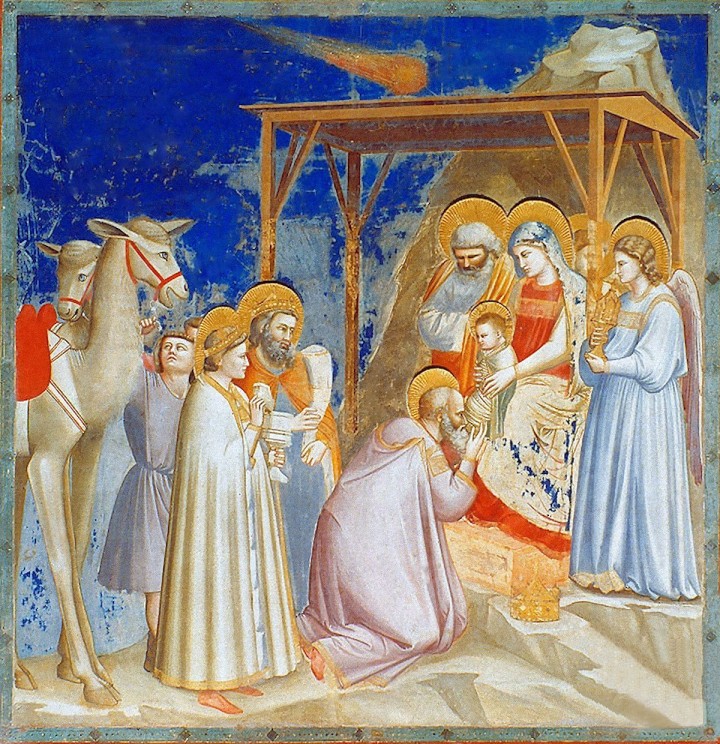
The opening words of Isaiah 61, ‘Arise, shine, for your light has come, and the glory of the Lord has risen upon you’ (Isa 61:1 ESV) foretells the star which leads the Wise Men to Jesus. It shines as a light in the darkness, and points to Him who is the light of the World, a light which the world cannot understand or overcome. He is the Light of the World, in Him our salvation has arisen, a light which can never be put out. The nations shall come to His light, Christ is made manifest to the gentiles, made clear, and obvious. Kings come to the brightness of His rising, and they bring gold, and frankincense, and myrrh. They come to honour Christ, who is priest, prophet, and King. They come to worship God made man; they come to pay their homage to the Saviour born among them. They come with camels and bringing gold and frankincense to worship their king and their God. They come to Bethlehem, and not to a royal palace, or a throne. This is what true kingship is, true love, that of God and not of humanity.

The wise men bring Jesus gifts: gold, frankincense, and myrrh. These are and always have been expensive, costly, and precious things. Gold, is a precious metal, which does not tarnish, which is pure. It is a gift for a King: its purity points to a life of perfect obedience, the pattern of how life should be lived. Incense, from Arabia, was offered to God in the Temple in Jerusalem, as the sweet-smelling smoke rose, it looked like our prayers rising to God. It is a sign of worship, a sign of honour, and how humanity should respond to God. Myrrh, often used in the ointment was part of embalming, it speaks of death. Even in Christ’s birth, and appearance to the Gentiles, we see Christ’s kingly power, and his obedience to the will of the Father. We see His role in worship as our great High Priest, which leads Him to Death and Burial

Everything points to the Cross, where Christ will shed his blood for love of us, where he will die to reconcile us to God. It is an act of pure, self-giving love, which we as Christians celebrate. It’s why we come to the Eucharist, to share in Christ’s body and blood, to be fed by him, with him, and to become what he is.

The Wise Men in the East saw a conjunction of the planets Jupiter, Saturn and Mars in the constellation Pisces, which was believed to represent the Jews , which coincided with a comet moving in the sky. So, on the basis of their observations they travelled hundred of miles to Israel, the land of the Jews, and go to the royal palace in Jerusalem, to find out what is going on. Creation announces, through the movement of the stars and planets that something wonderful is happening. 

The incarnation of the Son of God is the pivotal event in earth’s history: through it salvation has dawned, and humanity is offered freedom and new life in this little child. He is proclaimed to all the world as the King of the Jews and the Saviour of the World, the Messiah. Herod’s reaction was fear of being overthrown which leads him to murder the newborn children in Bethlehem in order to safeguard his position. The world’s reaction is more complex. Mostly it’s indifference, nowadays. At its root is pessimism for the future: things will just get worse. But in Christ a new hope has dawned. We have hope because Christ is born and made manifest to the world. When the Wise Men saw the star they rejoiced exceedingly with great joy, and they came, and they fell down, knelt and worshipped him, because he was God become man in the womb of a Virgin. Our salvation is made manifest to the world, the whole of creation rejoices that God is with us. It is a great reason for joy, and the joy of the Lord is our strength (cf. Nehemiah 8:10) 

So let us rejoice like the Wise Men, let us come like them to kneel before the Lord, born in our midst.  The Wise Men come and kneel and they worship and adore the Lord of creation and the Word of God Incarnate. The King of all is not in a Palace but in a simple house in Bethlehem, and He meets us here today under the outward forms of Bread and Wine, to heal us, to restore us, and to give us life in Him. Let us come before Him, offer Him the gifts of our life, and our love, and our service so that we may see His Kingdom grow.

As we celebrate the Epiphany we also look forward to Our Lord’s Baptism in the River Jordan and his first miracle at the Wedding at Cana. He who is without sin shows humanity how to be freed from sin and to have new life in Him. In turning water into wine we see that the kingdom of God is a place of generous love, a place of joy, and of life in all its fullness.

So let us be filled with joy and love, may we live lives of joy, and love, and service of God and one another, which proclaim in word and deed the love of God to the world, that it may believe: so that all creation may resound with the praise of God the Father, God the Son, and God the Holy Spirit, to whom be ascribed as is most right and just, all might, majesty, glory, dominion, and power, now and forever. Amen

01-giotto-di-bondone-the-adoration-of-the-magi-cappella-scrovegni-a-padova-padova-italy-13051.jpgAdoration_of_the_Magi_Tapestry.png

Monday, 24 December 2018

Christmas 2018

ฮ‘แฝฯ„แฝธฯ‚ ฮณแฝฐฯ แผฮฝฮทฮฝฮธฯฯŽฯ€ฮทฯƒฮตฮฝ, แผตฮฝฮฑ แผกฮผฮตแฟ–ฯ‚ ฮธฮตฮฟฯ€ฮฟฮนฮทฮธแฟถฮผฮตฮฝ·

Athanasius De Incarnatione Dei Verbi 54.3

‘He became human so that we might become divine’

Few of us here today have much experience of living under despotic regimes. We are fortunate indeed. A large part of humanity has not been so lucky, and even today there are plenty of people who are not able to come together as we do, to celebrate the wonderful news given by the angels to the shepherds outside Bethlehem. Peace on earth, and good will amongst men seem in fairly short supply. What can we do? We can pray, and we can worship Almighty God, who comes among us.

We have come here tonight to celebrate something which defies our understanding and expectations. The simple fact that the God who created all that is took flesh in the womb of the Virgin Mary and was born for us in Bethlehem as the Messiah, the Anointed of God, who would save us from our sins, should still feel strange and odd. It simply doesn’t make sense, nor indeed should it. In human terms, Mary should have been stoned to death for extra-marital infidelity, and some thirty three years later her son is executed as a blasphemer, a rabble-rouser, a trouble maker, in an awkward backwater of the Roman Empire, having gathered round himself a small group of misfits and undesirables appealing to the baser elements of society. There is nothing respectable here. And yet here we are, some two thousand years later, celebrating the birth of a child who changed human history and human nature, because we do not judge things solely by human standards. We come together so that we may ponder the mystery of God’s love for us, a God who heals our wounds, who restores broken humanity, who offers us a fresh start, who can see beyond our failures and shortcomings, and who becomes a human being so that humanity might become divine, so that we may share in the divine life of love, both here on earth and in heaven. The Word became flesh, and lived among us. These few words express what the Christian faith is all about, and how it can change the world.

If that isn’t a cause for celebration, I don’t know what is. We are so familiar with the story of Christmas that I wonder whether we, myself included, really take the time to ponder, and to marvel at the mystery which unfolded two thousand years ago in Bethlehem. God, who made all that is, comes among us, taking flesh in the womb of a young girl through the power of His Holy Spirit, so that in His Son we might see and experience God and His love for us. 

God comes among us not in power or splendour but as a weak, vulnerable child, depending on others for love, and food, and warmth. He is laid in an animal’s feeding trough, insulated from the cold hard stone by straw  — hardly a royal birth, and not what we would expect of God, and that’s the point. It is supposed to be surprising, and to shock us. So now God would be with his pilgrim people on earth – sharing all of human life, from birth to death, so that we might, through him, share the Divine Life of Love, that of God the Holy Trinity: a relational God who invites humanity to share that relationship, who offers it freely, and to all. The sheer exuberance of such an offer, is almost profligate: it is generous in a way which de๏ฌes our human expectation and our human understanding. 

Throughout his life all that Christ says and does shows us how much God loves us. The Word becomes flesh, and enters the world, he dwells among us, a wondrous mystery which provokes us to worship, to kneel with the shepherds and to adore the God who comes among us, who shares our human life so that we might share His divine life, not because we asked for it, not because we deserve it, we haven’t worked for it, or earned it, rather it is the free gift of a loving and merciful God, this then is the glory of God – being born in simple poverty, surrounded by outcasts, on the margins of society, to call humanity to a new way of being together, where the old order is cast aside, turning the world upside down and offering us the possibility of living in a radically different way, a way of peace and love and joy, not one of power. Heaven comes to earth, born in the womb of a Virgin, so that we might behold the glory of God in a new-born child. So that we might experience the love and truth of God.

The word is made flesh so that prophesy might be fulfilled, so that the hope of salvation might be dawn, so that a people who have languished long in darkness might behold the glory of God where heaven and earth meet, in a stable in Bethlehem, where men and angels may sing together ‘Alleluia, Glory be to God on high, and on earth peace to people of goodwill’ The worship of heaven is joined with earth on this most holy night, that in the quiet and stillness all the earth might be filled with the praises of Almighty God, who stoops to save humanity in the birth of His Son. 

The Son who lives and dies and rises again for us will be here tonight under the outward forms of bread and wine so that the heavenly banquet may nourish our souls. He gives Himself so that we might share His Divinity, so that God’s love can transform our human nature, having redeemed it in His Nativity. So let us come to sing his praises, and be nourished with His Body and Blood and experience here on earth the joy of Heaven and the closeness and the love of God, let it fill our souls with joy, and let us live lives which recognise the wondrous thing which happens tonight, that it may be a reality in our lives, that we may may proclaim in word and deed the reality of the Word made flesh, so that others may be drawn to kneel and worship like the shepherds, like the Holy Family of Mary and Joseph, and come to believe and give glory to God the Father, God the Son, and God the Holy Spirit, to whom be ascribed all might, majesty, glory, dominion and power, now and forever.

fullsizerender

Saturday, 25 August 2018

Twenty First Sunday of Year B [Jn 5:56-69]

Life can be complicated, it requires us to make choices, which have effects: they define what we become, who we are. Our actions have consequences. In this morning’s first reading from the Book of Joshua, the people of Israel have a choice to make: do they want to worship the God of Israel, or other gods. Joshua is clear: he and his household will serve the Lord. The people of Israel follow his example, they make a commitment to worship God, and Him alone. They make a promise to be faithful. They will, in time break it, at which point they are punished, though God is forgiving.

It is a question of commitment, which involves love and sacrifice — the two go hand in hand. It is what marriage is all about, and it also describes God’s relationship with us, and ours with God. It will see Jesus die on the Cross for us, to show us just how much God loves us, and wants to restore our relationship with Him, and each other. It is wonderful , but it isn’t something God forces us into: we are free to accept it, or to refuse it. It is a free gift. 

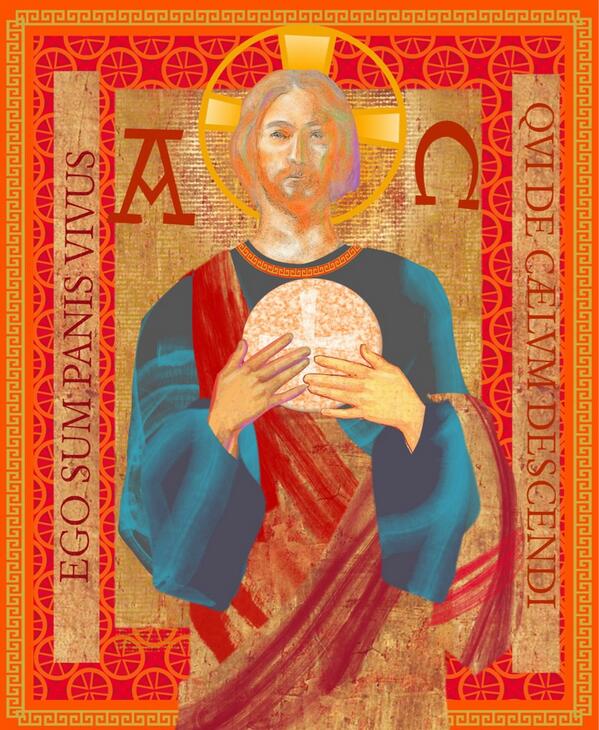
In the Gospel Jesus tells the worshippers that He is the living bread, and if they eat Him they will have eternal life. These are bold claims to make. They would have been quite extraordinary two thousand years ago, and they still are today. What Jesus is promising goes against everything which they know and understand about their faith. He calls them to do the unthinkable. At that time they caused people to stop following Jesus. They could not cope with the realism of the Eucharistic discourse in John Ch. 6.

Thus, is it hardly surprising that His disciples reply, ‘This teaching is difficult, who can accept it’. That is a normal reaction. But it is not one which Jesus will leave unchallenged. As he is the living bread which came down from Heaven so He will go back. After His death and Resurrection, He will ascend to the Father. Our being fed with the Lord’s Body and Blood is important, and what It is is clearly linked with who He is: God, born for us, who gives himself for us. It is linked to the proclamation of the Gospel, the Good News – the words are Spirit and Life – and God gives himself so that His Church may be nourished by Word and Sacrament.

It is sad to think that even then ‘many of his disciples turned back and no longer went about with him.’ Jesus had said something difficult, something troubling, something which turned the accepted order on it its head. People were unable or unwilling to accept what Jesus asked of them, and so He turns to his disciples and asks them if they want to go away too. Peter the leader of the disciples is the first one to reply, ‘Lord, to whom can we go? You have the words of eternal life. We have come to believe and know that you are the Holy One of God.’ (Jn 6:68-69 NRSV).

Here Peter is confessing that Jesus is the Christ, the Messiah, the Son of God. To be a Christian is to make the same confession as Peter, and to have the same hope of eternal life in and through Jesus Christ. 

The teaching is hard to accept, difficult to understand, but we can EXPERIENCE it, when we receive Holy Communion. For Peter, and for us, BELIEF precedes KNOWLEDGE. We believe and then we come to know.  And like St Peter we can say, ‘To whom can we go?’ Who else offers us this? No-one, other than Jesus Christ; He alone can save us. He alone can offer us the fullness of life. People often think that wealth or fame can make us happy, and this may be true for a while, but such pleasure is fleeting and transitory. It vanishes like a puff of smoke. Only in Jesus can we know true freedom, and everlasting life.

When we gather together as Christians on a Sunday morning we, like Saint Peter, publicly declare our faith in who Jesus is, and what He does. This may not seem a radical act to us. However in the Roman Empire people were expected to worship the emperor as a living God. The thought of burning incense in front of a picture of Queen Elizabeth II would strike us now as not only strange, but wrong, and idolatrous. We worship God, and God alone. And for doing so, countless Christians have been killed over the past two thousand years, and continue to be even today.

We come so that we may hear the words of eternal life, the Good News of Jesus Christ, and so that we may be fed by Him, and fed with Him, with the Body and Blood of Christ, so that we can live forever because of Him. We can have a foretaste of the Heavenly banquet of the Kingdom, here and now, we can be fed with Jesus so that we can be transformed more and more into His likeness and prepared, here and now, for eternal life with God, and that we start living that life here and now, so that our faith is not simply a personal or a private matter but one which affects who and what we are, and how we live our lives, so that our faith affects who and what we are, and what we do, so that the Eucharist is our bread for the journey of faith, so that strengthened by Christ and with Christ, we may live lives which proclaim the Good News of the Kingdom. This is how are supposed to live together as a Christian community, living in love, fed with love itself, here in the Eucharist, where we thank God for His love of us. As children of God, loved by God, we are to imitate him, we are to live after the pattern of Christ, who offered himself, who was a sacrifice who has restored our relationship with God. 

Jesus has come to give us hope through the Eucharist, and the promise of eternal life in and through Him. He does this to show us that God LOVES us, to the extent that he died for love of us. He gives Himself so that we might live in and through Him. Let us be filled with that love, and share it with others so that all may have life in and through Christ. Amen.

blgsv4ncyaat655

Saturday, 24 February 2018

Lent II Year B

In Mark’s Gospel, just before the passage we have heard Jesus asks his disciples, ‘Who do people say that I am?’ After he hears the answers Jesus asks, ‘But who do YOU say that I am?’ (Mk 8:29) Peter answers that He is the Messiah, and Jesus told them sternly not to tell anyone about this.

He asks the same question of each and every one of us this morning, ‘Who do you say that I am?’ It is worth taking a few moments to consider just what our answer would be. A very nice man? An inspiring teacher? Yes, all those things, and more; as Christians we can only echo the words of St Thomas after the Resurrection and simply say, ‘My Lord and My God!’

That’s who and what He is, and nothing less. True God, and True Man, who comes among us to proclaim that God’s Kingdom is near, and that we need to repent. We need to turn away from sin, and turn back to God, a God who loves us, and who sent His Only-Begotten Son to show us just who much He loves us.

Jesus teaches that the He must undergo great suffering, like the servant in the prophecy of Isaiah, be rejected by the Jewish  religious authorities, be killed and after three days rise again. It is quite a lot to take in. Peter, who only a few moments earlier has acknowledged Jesus as the Messiah, the Lord’s Anointed, just can’t take this. It isn’t part of the plan. It isn’t supposed to happen. Peter cannot bear the thought of Jesus suffering and dying, he loves Him. Peter just cannot understand that it needs to happen, that it is Who and What Jesus is.

Fundamentally, ours is a God who makes promises, and keeps them. He makes a promise to Abraham, and keeps it. God makes promises because He loves us. We don’t deserve to be loved because we sin, we alienate ourselves from God, and each other. But because God loves each and every one of us, then Jesus goes to die upon the Cross to demonstrate this love to the world.

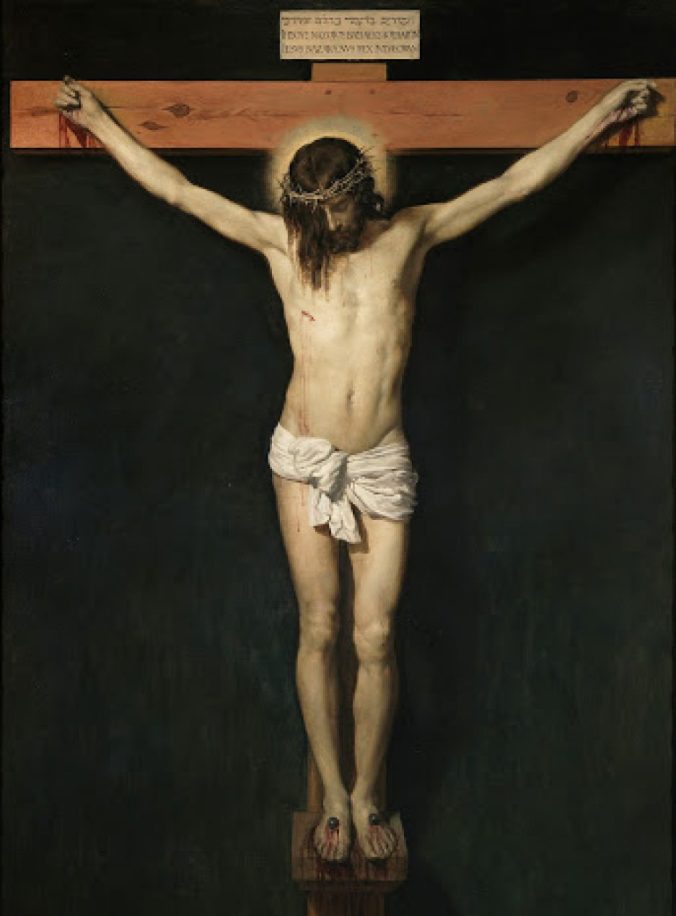
Jesus says to us, that we have to deny ourselves, take up our cross, and follow Him. It sounds pretty straightforward, doesn’t it! But like many things Jesus says it is fine in theory, but in practice it is a lot harder. For two thousand years we’ve been struggling with it, and that’s the point. It isn’t easy, I wish I could say that it was, but quite frankly it isn’t. I know that I struggle, that I’m not a good Christian, that I need to trust God more, but also I know that I am not alone in this, there are several billion Christians alive today, and countless billions through the last hundred thousand successive Sundays who have felt just like this. Rather like Peter, I don’t want Jesus to die for me, I don’t deserve to be saved, such are my many sins, that I should be cast away from God’s presence for all eternity. And yet, Jesus died for me, to save me, and for each and every one of you.

God loves us: frail, weak, sinful humanity. He gives us this time of Lent to prepare to celebrate Jesus’ Passion, Death, and Resurrection. He gives us a chance to enter the desert of repentance, and, with renewed vigour, to follow Him. It really is good news. And we need to lose our lives for Christ’s sake: living out our faith in all that we say, or think or do — to follow Him, whose service is perfect freedom. We live, not for ourselves, but for the God who loves us, who died for us.

So now the Cross is our only hope — the sacrifice of God for humanity, not something we can give God, but something he gives us — a free gift of infinite value. God gives it to us and to all the world for one simple reason — love, for love of us — weak, poor, sinful humanity, so that we might be more lovely, more like Him. God sends His Son into the world not to condemn it, but so that the world might be saved through Him — an unselfish act of generosity, of grace, so that we might be saved from sin and death, from ourselves, so that we can share new life in Him.

It is that same sacrifice which we see here this morning at the altar, which we can taste and touch, which we can eat and drink, so that our lives and our souls can be transformed more and more into God’s likeness. It is something which we treat with the uttermost reverence because it is God, given for us, because it can transform us to live as children of the Holy Spirit, freed from the shackles of this world, free to live for Him, to live as He wants us to, His new creation, of water and the Spirit. This is what the Church has done on a hundred thousand successive Sundays, in memory of Him, to make the holy people of God. To make us holy: so that everything which we say, or think, or do, may be for His praise and glory, living out the faith which we believe in our hearts, as a sign to the world that the ways of selfishness and sin are as nothing compared with the generous love of God.

So great is this gift, that we prepare to celebrate it with this solemn season of prayer, and fasting, and abstinence, to focus our minds and our lives on the God who loves us and who saves us. We prepare our hearts and minds and lives to celebrate the mystery of our redemption, so that our lives may reflect His glory, so that we may live for Him, fed by Him, fed with Him, with our lives and souls transformed by Him. We are transformed so that we can transform the world so that it may live for Him, living life in all its fullness: living for others, living as God wants us to live. Living the selfless love which saves us and all the world, living out our faith, and encouraging others so to do, can and will conform us to Christ, so that we may be like Him, and become ever more like Him, prepared for eternal life with Him, so that we may sing the praises of God the Father, God the Son, and God the Holy Spirit, to whom be ascribed, as is most right and just, all might, majesty, glory, dominion, and power, now and forever.

cropped-velazquezcrucifxion.jpg