Saturday, 30 November 2019

Advent I (Year A)

Just over one hundred and one years ago a war ended that was supposed to be ‘the war to end all wars’. Instead the last century has seen very little peace. We are lucky in Western Europe that we have experienced 70 years without conflict, but there have been wars elsewhere. Humanity is still plagued by warfare: the loss of life, the crimes committed, lives blighted. So when we hear the prophecy of Isaiah in this morning’s first reading it is truly joyful. Beating swords into ploughshares and turning spears into pruning hooks sounds wonderful indeed. Growing crops and tending vines provides us with food and drink. It is a sign of peace, joy, and prosperity. And at the time when Christ was born, and we are preparing to celebrate the yearly memorial of his birth at Christmas, this prophecy was fulfilled. There was peace in the Roman World when Christ was born, scripture was fulfilled. And we look forward to such peace coming again, and we work for it, together. The messianic age which we look forward to  shows us what truly following Christ looks like in practice. If we walk in the light of the Lord, we are freed from the darkness of sin and destruction, which threatens to overwhelm us. 

This same message is found in St Paul’s Letter to the Romans, our second reading this morning. It is an encouraging message, that another way is possible. Instead of sleep-walking towards damnation and destruction, we can be awake and ready to follow Christ. Every day is another day closer to Christ’s Second Coming. He will come again, as our Saviour and our Judge. We need to be ready, putting on the armour of light, putting on Christ, through our baptism, and living out the faith of our baptism in our lives. The capital of the Roman Empire was renowned for tolerating some pretty immoral behaviour. It was everywhere, all around the Christian community there. Were they tempted to join in? Of course! But St Paul advises them to resist the pleasures of the flesh, drunkenness, quarrelling, nastiness: all the sorts of things we can get up to if left to our own devices.

St Paul speaks to us, to encourage the church and its members, you and me, not to give into the culture of the world around us, but to stay close to Christ. It is easy in theory, but tricky in practice. It’s easier when you’re part of a community. We can help and support each other, in good times and bad. It’s why people join Slimming World or Weightwatchers. They’re trying to change their lifestyle and eating habits, and find the support of a group a great help. Never think that small groups do not have the power to change the world. We are living proof of it as Christians, and it is why we are HERE today: to support each other, to be built up in love together, to turn away from the ways of the world, and to follow Christ. 

We follow Christ and we are ready. We prepare for Christ to come among us. That’s what Advent means, Christ’s coming. We prepare for three comings: the first our annual commemoration of His birth in Bethlehem, at Christmas, where the Word became flesh and dwelt among us. The second coming of Christ will be at the end of time, when He will be our Saviour and our Judge. The third coming we prepare for is even nearer. It happens day by day, and week when Christ comes to us in the Eucharist, in His Body and Blood, under the outward forms of Bread and Wine, the Banquet of the Kingdom, anticipated by the ploughshares and pruning hooks of Isaiah, tools to help produce Bread and Wine, a prophecy which looks forward to the peace of the Messiah and a banquet of Bread and Wine. Food of the Kingdom, food for our journey of faith, to give us strength and new life in Christ. Christ comes to us in the Eucharist to give us strength and to transform us, into His likeness. This is the reality of God’s love for us, shown to us on the Cross, and in the Resurrection, a pledge, a sure sign of love, love we can touch and taste, love which transforms us.

We need it, and we need it together. It is why we gather together on the day when Christ rose from the dead to celebrate His triumph, and ask for His prayers. Because as St Matthew’s Gospel tells us, we need to be ready. We need to be ready because ‘the Son of Man is coming at an hour you do not expect.’ (Mt 24:44 ESV) It could be that between my writing these words and delivering them, Christ will come. Christ could come today, or in thousands of years’ time. It doesn’t matter when He comes. We need to be ready, prepared to meet Him, freed from sin, and living out our faith in our lives, having heeded the warnings to prepare ourselves. That’s why Advent is a penitential season, we are reminded of how we fall short, and try, with God’s grace, to amend our lives and follow Christ.

That is why in this morning’s Gospel reading Christ says, ‘For as were the days of Noah, so will be the coming of the Son of Man.’ (Mt 24:37 ESV). Before the flood in Genesis we se that humanity was corrupt and violent, and sinful. The point Christ is making is that this is how the world will be; Christians should not be like this, because we have put on Christ, we are walking in the light, supporting each other, as a community of faith, living out the love we have been shown in Christ. At a time we do not expect, Our Lord will return, so we need to be ready, so that whenever He comes Christ may find us ready, and prepared to meet him.  

We need to prepare our hearts, our souls, our minds, all of our life, we need to live and act, to think and speak like the people of God, fully alive in him, having turned away from the ways of the world, to live fully in him, we are to live this way, and invite others so to do, so that the Kingdom of God’s peace and love may truly be found here in earth, where humanity is truly valued, where violence, death, murder, and immorality are no more.

The time is short, the time is now, it really matters; we need to come to the Lord, learn his ways and walk in his paths, living decently, living vigilantly, preferring nothing to Christ, and inviting all the world to come to the fullness of life in Him. This is how we celebrate His coming at Christmas and as Our Saviour and Judge, by following him, fed by Him, restored and healed by Him, and sharing His church’s message with all the world, so that it too may believe and sing the praise of God the Father, God the Son, and God the Holy Spirit, to whom be ascribed as is most right and just all might, majesty, glory, dominion, and power, now and forever.

Last_Judgement_(Michelangelo).jpg

Advent I (Year A)

Just over one hundred and one years ago a war ended that was supposed to be ‘the war to end all wars’. Instead the last century has seen very little peace. We are lucky in Western Europe that we have experienced 70 years without conflict, but there have been wars elsewhere. Humanity is still plagued by warfare: the loss of life, the crimes committed, lives blighted. So when we hear the prophecy of Isaiah in this morning’s first reading it is truly joyful. Beating swords into ploughshares and turning spears into pruning hooks sounds wonderful indeed. Growing crops and tending vines provides us with food and drink. It is a sign of peace, joy, and prosperity. And at the time when Christ was born, and we are preparing to celebrate the yearly memorial of his birth at Christmas, this prophecy was fulfilled. There was peace in the Roman World when Christ was born, scripture was fulfilled. And we look forward to such peace coming again, and we work for it, together. The messianic age which we look forward to  shows us what truly following Christ looks like in practice. If we walk in the light of the Lord, we are freed from the darkness of sin and destruction, which threatens to overwhelm us. 

This same message is found in St Paul’s Letter to the Romans, our second reading this morning. It is an encouraging message, that another way is possible. Instead of sleep-walking towards damnation and destruction, we can be awake and ready to follow Christ. Every day is another day closer to Christ’s Second Coming. He will come again, as our Saviour and our Judge. We need to be ready, putting on the armour of light, putting on Christ, through our baptism, and living out the faith of our baptism in our lives. The capital of the Roman Empire was renowned for tolerating some pretty immoral behaviour. It was everywhere, all around the Christian community there. Were they tempted to join in? Of course! But St Paul advises them to resist the pleasures of the flesh, drunkenness, quarrelling, nastiness: all the sorts of things we can get up to if left to our own devices.

St Paul speaks to us, to encourage the church and its members, you and me, not to give into the culture of the world around us, but to stay close to Christ. It is easy in theory, but tricky in practice. It’s easier when you’re part of a community. We can help and support each other, in good times and bad. It’s why people join Slimming World or Weightwatchers. They’re trying to change their lifestyle and eating habits, and find the support of a group a great help. Never think that small groups do not have the power to change the world. We are living proof of it as Christians, and it is why we are HERE today: to support each other, to be built up in love together, to turn away from the ways of the world, and to follow Christ. 

We follow Christ and we are ready. We prepare for Christ to come among us. That’s what Advent means, Christ’s coming. We prepare for three comings: the first our annual commemoration of His birth in Bethlehem, at Christmas, where the Word became flesh and dwelt among us. The second coming of Christ will be at the end of time, when He will be our Saviour and our Judge. The third coming we prepare for is even nearer. It happens day by day, and week when Christ comes to us in the Eucharist, in His Body and Blood, under the outward forms of Bread and Wine, the Banquet of the Kingdom, anticipated by the ploughshares and pruning hooks of Isaiah, tools to help produce Bread and Wine, a prophecy which looks forward to the peace of the Messiah and a banquet of Bread and Wine. Food of the Kingdom, food for our journey of faith, to give us strength and new life in Christ. Christ comes to us in the Eucharist to give us strength and to transform us, into His likeness. This is the reality of God’s love for us, shown to us on the Cross, and in the Resurrection, a pledge, a sure sign of love, love we can touch and taste, love which transforms us.

We need it, and we need it together. It is why we gather together on the day when Christ rose from the dead to celebrate His triumph, and ask for His prayers. Because as St Matthew’s Gospel tells us, we need to be ready. We need to be ready because ‘the Son of Man is coming at an hour you do not expect.’ (Mt 24:44 ESV) It could be that between my writing these words and delivering them, Christ will come. Christ could come today, or in thousands of years’ time. It doesn’t matter when He comes. We need to be ready, prepared to meet Him, freed from sin, and living out our faith in our lives, having heeded the warnings to prepare ourselves. That’s why Advent is a penitential season, we are reminded of how we fall short, and try, with God’s grace, to amend our lives and follow Christ.

That is why in this morning’s Gospel reading Christ says, ‘For as were the days of Noah, so will be the coming of the Son of Man.’ (Mt 24:37 ESV). Before the flood in Genesis we se that humanity was corrupt and violent, and sinful. The point Christ is making is that this is how the world will be; Christians should not be like this, because we have put on Christ, we are walking in the light, supporting each other, as a community of faith, living out the love we have been shown in Christ. At a time we do not expect, Our Lord will return, so we need to be ready, so that whenever He comes Christ may find us ready, and prepared to meet him.  

We need to prepare our hearts, our souls, our minds, all of our life, we need to live and act, to think and speak like the people of God, fully alive in him, having turned away from the ways of the world, to live fully in him, we are to live this way, and invite others so to do, so that the Kingdom of God’s peace and love may truly be found here in earth, where humanity is truly valued, where violence, death, murder, and immorality are no more.

The time is short, the time is now, it really matters; we need to come to the Lord, learn his ways and walk in his paths, living decently, living vigilantly, preferring nothing to Christ, and inviting all the world to come to the fullness of life in Him. This is how we celebrate His coming at Christmas and as Our Saviour and Judge, by following him, fed by Him, restored and healed by Him, and sharing His church’s message with all the world, so that it too may believe and sing the praise of God the Father, God the Son, and God the Holy Spirit, to whom be ascribed as is most right and just all might, majesty, glory, dominion, and power, now and forever.
Last_Judgement_(Michelangelo).jpg

Sunday, 17 November 2019

Trinity XXII

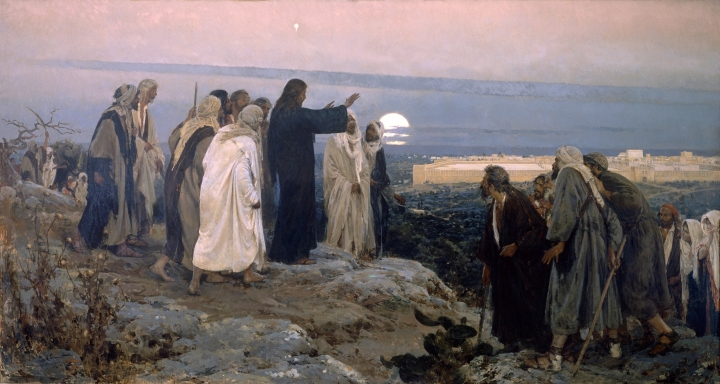
As Christians are we simply satisfied with the world, with the way things are? No. Do we want things to be different? I hope so, yes. That’s good, as the prophet Malachi in our first reading this morning has a vision of the future, when the arrogant and evil doers will be like stubble in a furnace, ‘But for you who fear my name, the sun of righteousness shall rise with healing in its wings. You shall go out leaping like calves from the stall.’ (Malachi 4:2). This is a vision of a future where God is in control, and things will be put right, and at one level He already has. Christ is risen from the dead, the one who heals God’s people has risen. The time is both not yet, and now, a work in progress, and a reality. 

We have a part to play in it. We cannot just sit back and wait for God to sort everything out, we need to co-operate with God, and help to make the Kingdom a reality. Hence S. Paul’s advice to the Thessalonians, ‘As for you, brothers, do not grow weary in doing good’ (2Thess 3:13). We’ve been trying and failing for nearly two thousand years. That’s what a work in progress is. It isn’t easy, and no one can fail to notice that the world around us is often rather hostile to who we are, and what we stand for. It is not easy to be a Christian, nor has it ever been, for that matter. 

We will be hated by all people for Christ’s name’s sake (Lk 21:17). Hate is a strong word, but as we are directly opposed to many in this world, it is not surprising. With hatred comes persecution, and we only have to look to China, North Korea, the Middle East, India, and Pakistan, to see it. Christians are being killed for believing in God who loves us, who died to save from our sins. To follow Christ is to walk the way of the Cross, to risk imprisonment, torture and death, for the love of His name. But ‘there is salvation in no one else, for there is no other name under heaven given among men by which we must be saved’ (Acts 4:12). Only Jesus can save us, we cannot save ourselves. We are called to bear witness to Him. 

Jews in the first century AD loved the Temple, it was the centre of their world, it was where they could be close to God, it was where sacrifices happened which took away their sins. But less than forty years after Jesus spoke this prophecy a Roman Army destroyed it. But as Christians we know that Jesus Christ is the new Temple, the place to meet God, the place of sacrifice. Destroy it in three days, and I will raise it up. Christ speaks of His body, and that is us: we are the Body of Christ. Churches are not buildings, they are groups of people who love Jesus, and each other. Jesus speaks of false Christs, who will lead people astray, and warns ‘ do not go after them’ (Lk 21:8). It is a temptation, especially when times are hard, when there are war and natural disasters. 

But we know that Our Lord Jesus Christ is victorious, he is the true worship of God. In Him we can have confidence. He gives us Himself, His Body and Blood, to nourish us and to heal us, and give us strength to prepare us for the trials we will face. Here in Britain it is more likely to be indifference than anything else. Indifference speaks of a hardness of heart, being deaf to the Good News of the Kingdom. At its root is Sin, our separation from God by our following our will, and not God’s. We think we know better, and do what we want to do, rather than letting God work through us. The human condition hasn’t actually changed since the Garden of Eden. We continue to make the same mistakes over and over again. There is, however, a way out of this. God in Christ deals with the problem of our sin on the Cross, where He offers himself as a sacrificial victim to atone for all the sins of humanity. It’s what Christ was born for, as the angel says to Joseph, ‘She will bear a son, and you are to name him Jesus, for he will save his people from their sins.’ (Mt 1:21) The name Jesus (Hebrew Yeshua) means ‘God saves’ and He does. This is what we believe as Christians, where we put our trust, our hope, in a God who loves us and saves us, the same God who inspired the prophecies of Malachi, which look forward to Christ. 

That same Christ who heals us and sustains us will be with us in our trials, and whereas our family and friends may prove false to us, we can have confidence that Christ will never let us down. He’s been through this. Through the gift of the Holy Spirit we are strengthened to bear witness to Him. For the same Christ who died for us, and rose again, who ascended into heaven, will come again to judge us and all the world. It sounds scary and intimidating, and at one level it is, and it should be. It matters; hence our urgency in proclaiming the Kingdom of God. But the one who will judge us, is the same one who died to set us free, the God who loves us, who heals us, and restores us. A God of love and mercy, risen with healing in his wings. Let us come to Him, be healed by Him, nourished with His Body and Blood and strengthened to proclaim Him in word and deed, so that the world may come to believe and sing the praises of God the Father, God the Son, and God the Holy Spirit, to whom be ascribed as is most right and just all might, majesty, glory, dominion, and power, now and forever. Amen.Enrique_Simonet_-_Flevit_super_illam_-_1892-1.jpg
Trinity XXII

As Christians are we simply satisfied with the world, with the way things are? No. Do we want things to be different? I hope so, yes. That’s good, as the prophet Malachi in our first reading this morning has a vision of the future, when the arrogant and evil doers will be like stubble in a furnace, ‘But for you who fear my name, the sun of righteousness shall rise with healing in its wings. You shall go out leaping like calves from the stall.’ (Malachi 4:2). This is a vision of a future where God is in control, and things will be put right, and at one level He already has. Christ is risen from the dead, the one who heals God’s people has risen. The time is both not yet, and now, a work in progress, and a reality. 

We have a part to play in it. We cannot just sit back and wait for God to sort everything out, we need to co-operate with God, and help to make the Kingdom a reality. Hence S. Paul’s advice to the Thessalonians, ‘As for you, brothers, do not grow weary in doing good’ (2Thess 3:13). We’ve been trying and failing for nearly two thousand years. That’s what a work in progress is. It isn’t easy, and no one can fail to notice that the world around us is often rather hostile to who we are, and what we stand for. It is not easy to be a Christian, nor has it ever been, for that matter. 

We will be hated by all people for Christ’s name’s sake (Lk 21:17). Hate is a strong word, but as we are directly opposed to many in this world, it is not surprising. With hatred comes persecution, and we only have to look to China, North Korea, the Middle East, India, and Pakistan, to see it. Christians are being killed for believing in God who loves us, who died to save from our sins. To follow Christ is to walk the way of the Cross, to risk imprisonment, torture and death, for the love of His name. But ‘there is salvation in no one else, for there is no other name under heaven given among men by which we must be saved’ (Acts 4:12). Only Jesus can save us, we cannot save ourselves. We are called to bear witness to Him. 

Jews in the first century AD loved the Temple, it was the centre of their world, it was where they could be close to God, it was where sacrifices happened which took away their sins. But less than forty years after Jesus spoke this prophecy a Roman Army destroyed it. But as Christians we know that Jesus Christ is the new Temple, the place to meet God, the place of sacrifice. Destroy it in three days, and I will raise it up. Christ speaks of His body, and that is us: we are the Body of Christ. Churches are not buildings, they are groups of people who love Jesus, and each other. Jesus speaks of false Christs, who will lead people astray, and warns ‘ do not go after them’ (Lk 21:8). It is a temptation, especially when times are hard, when there are war and natural disasters. 

But we know that Our Lord Jesus Christ is victorious, he is the true worship of God. In Him we can have confidence. He gives us Himself, His Body and Blood, to nourish us and to heal us, and give us strength to prepare us for the trials we will face. Here in Britain it is more likely to be indifference than anything else. Indifference speaks of a hardness of heart, being deaf to the Good News of the Kingdom. At its root is Sin, our separation from God by our following our will, and not God’s. We think we know better, and do what we want to do, rather than letting God work through us. The human condition hasn’t actually changed since the Garden of Eden. We continue to make the same mistakes over and over again. There is, however, a way out of this. God in Christ deals with the problem of our sin on the Cross, where He offers himself as a sacrificial victim to atone for all the sins of humanity. It’s what Christ was born for, as the angel says to Joseph, ‘She will bear a son, and you are to name him Jesus, for he will save his people from their sins.’ (Mt 1:21) The name Jesus (Hebrew Yeshua) means ‘God saves’ and He does. This is what we believe as Christians, where we put our trust, our hope, in a God who loves us and saves us, the same God who inspired the prophecies of Malachi, which look forward to Christ. 

That same Christ who heals us and sustains us will be with us in our trials, and whereas our family and friends may prove false to us, we can have confidence that Christ will never let us down. He’s been through this. Through the gift of the Holy Spirit we are strengthened to bear witness to Him. For the same Christ who died for us, and rose again, who ascended into heaven, will come again to judge us and all the world. It sounds scary and intimidating, and at one level it is, and it should be. It matters; hence our urgency in proclaiming the Kingdom of God. But the one who will judge us, is the same one who died to set us free, the God who loves us, who heals us, and restores us. A God of love and mercy, risen with healing in his wings. Let us come to Him, be healed by Him, nourished with His Body and Blood and strengthened to proclaim Him in word and deed, so that the world may come to believe and sing the praises of God the Father, God the Son, and God the Holy Spirit, to whom be ascribed as is most right and just all might, majesty, glory, dominion, and power, now and forever. Amen.Enrique_Simonet_-_Flevit_super_illam_-_1892-1.jpg
Sunday, 10 November 2019

Remembrance 2019

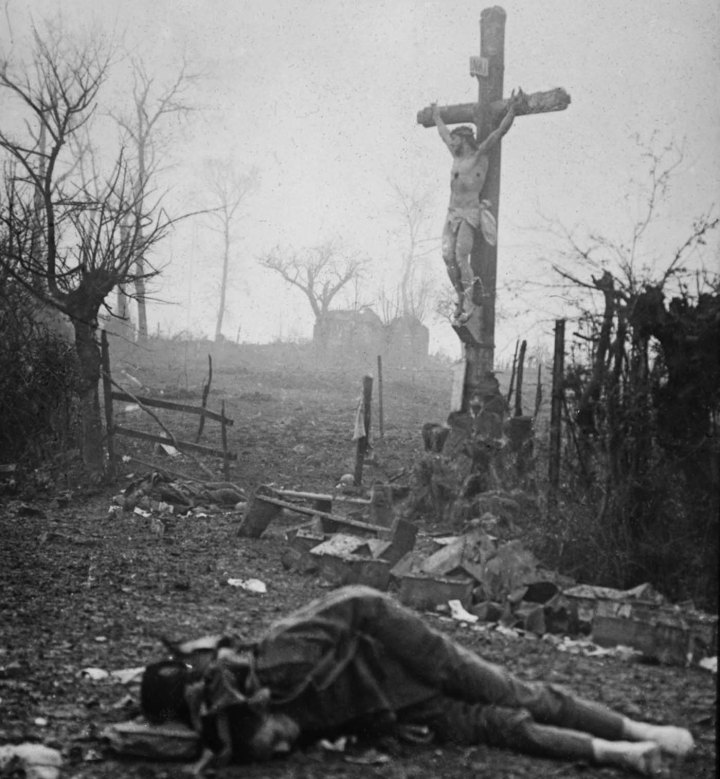
We are gathered here on this special day to do a number of things together. First and foremost we give thanks for the safe deliverance of these islands from the World Wars of the previous century. These were wars on a scale never before seen. The first was supposed to be the ‘war to end all wars’, yet within twenty years a greater conflict began which brought even more death and suffering to millions across the world. Hardly a day has gone by in the past century when there has not been a conflict somewhere in our world. 

It is now one hundred years since we first marked the anniversary of the Armistice by stopping in silence for two minutes, and praying: in remembrance of all those who gave their lives for our country, and for all who suffer as a result of war. For one hundred years we have engaged in a public act of remembrance. 

In 1919 the Prime Minister, David Lloyd George, commissioned a cenotaph (which means empty tomb) to stand in Whitehall, London, as a focus for an act of remembrance, when most of the war dead lay buried overseas. The original wood and plaster structure, designed by Sir Edward Lutyens, was only intended to stand for one week, but it proved so popular that a permanent one was created in Portland Stone ready for the 1920 Armistice Day.

Since 1919, the Cenotaph has become the central focus for national commemoration especially during the National Service of Remembrance held on Remembrance Sunday, the Sunday nearest to 11th November. Its meaning has developed and the Cenotaph now memorialises those who have given their lives in all conflicts since the First World War.

Throughout the country, local memorials were erected to remember the dead of the First and then the Second World War. Like the Cenotaph in London, these became the focus for local Remembrance ceremonies and we keep this tradition here in Maenclochog today, starting our Remembrance Service outside at our Village War Memorial. 

Our act of remembrance is not simply to recall a past event, or to bring the dead to mind, but something more. By remembering today, the sacrifice of countless men and women, we continue to show our thanks for the peace and prosperity which we now enjoy. 

We give thanks for to all those who have served, and continue to serve this country, both at home and abroad, and for the continuing work of the Royal British Legion in supporting veterans and their families. As a country we have asked much of our sons and daughters, and we continue so to do. ‘Cariad mwy na hwn nid oes gan neb; sef, bod i un roi ei einioes dros ei gyfeillion.’ ‘Greater love has no one than this, that someone lay down his life for his friends’ (Jn 15:13). They died that we might live. 

Their sacrifice calls to mind another sacrifice, made on a hill outside Jerusalem, ‘ble bu farw ein Harglwydd Iesu Grist drosom ni’. We remember this sacrifice too, as Jesus died for us. It is the heart of the Christian Faith, and the greatest demonstration possible of the saving power of love.

Love is at the heart of remembrance. Our human love comes from God, the source of all love. This love has the power to heal wounds, to comfort grief and loss. One hundred years on from the end of the First World War, the world still needs healing. This is beyond our capabilities as human beings. We need God’s help. Our God loves us, and longs to heal our wounds. He gave His Son to die for us, on the Cross, a painful death at the hands of enemy soldiers. Three days later, Jesus rose from the dead. His tomb was empty, and just as with the empty Cenotaph in London we are reminded that death is not the end. The Christian belief in the Resurrection of the dead and the life to come gives us all hope.

On the first Remembrance Day, one hundred years ago, two minutes silence was introduced. At 11 o’clock, as well as remembering the fallen, we take time to pray for peace. There are two words for peace in Welsh, ‘heddwch’, and ‘tangnefedd’. The first, ‘heddwch’ means an end to hostilities, the Armistice ceasefire which we celebrate today. But ‘tangnefedd’, the other kind of peace, is something far deeper and richer. It is the peace of God, the shalom of the Hebrew Old Testament. This is the gift of God, a feeling of wholeness, which brings about healing. So when Jesus says, ‘Blessed are the peacemakers, for they shall be called sons of God.’ ‘Gwyn eu byd y tangnefeddwyr: canys hwy a elwir yn blant i Dduw’ (Mt 5:9) He is envisaging something both radical and world-changing: something which heals, which forgives, and which loves. Today we commit ourselves to making peace a reality: here and now — in our community, in our families, in our relationships, in what we are, in what we say, and in what we do. We can never be too busy to do this. When we take the path of peace we honour the memory of those who gave their lives so that we might live. 

So let us therefore commit ourselves to help create the peace which Christ came to bring, for the glory of God, and the good of all human kind. Our Lord Jesus Christ has shown us another way to live — the way of love and gentleness. In memory of what Christ did here on earth, and continues to do, we can experience the peace of the Kingdom of God, where wounds are healed and divisions are reconciled. Today we give our thanks for those who sacrificed themselves for us, and we honour their memory by treasuring the peace won at so great a cost. 

Almighty God, hear our prayers and thanksgivings for all whom we remember this day. In the name of the Father, and of the Son, and of the Holy Spirit, Amen. 

Walter Kleinfeldt’s album showing the aftermath of a skirmish during the Battle of Somme, 1916 (7).jpg

Remembrance 2019

We are gathered here on this special day to do a number of things together. First and foremost we give thanks for the safe deliverance of these islands from the World Wars of the previous century. These were wars on a scale never before seen. The first was supposed to be the ‘war to end all wars’, yet within twenty years a greater conflict began which brought even more death and suffering to millions across the world. Hardly a day has gone by in the past century when there has not been a conflict somewhere in our world. 

It is now one hundred years since we first marked the anniversary of the Armistice by stopping in silence for two minutes, and praying: in remembrance of all those who gave their lives for our country, and for all who suffer as a result of war. For one hundred years we have engaged in a public act of remembrance. 

In 1919 the Prime Minister, David Lloyd George, commissioned a cenotaph (which means empty tomb) to stand in Whitehall, London, as a focus for an act of remembrance, when most of the war dead lay buried overseas. The original wood and plaster structure, designed by Sir Edward Lutyens, was only intended to stand for one week, but it proved so popular that a permanent one was created in Portland Stone ready for the 1920 Armistice Day.

Since 1919, the Cenotaph has become the central focus for national commemoration especially during the National Service of Remembrance held on Remembrance Sunday, the Sunday nearest to 11th November. Its meaning has developed and the Cenotaph now memorialises those who have given their lives in all conflicts since the First World War.

Throughout the country, local memorials were erected to remember the dead of the First and then the Second World War. Like the Cenotaph in London, these became the focus for local Remembrance ceremonies and we keep this tradition here in Maenclochog today, starting our Remembrance Service outside at our Village War Memorial. 

Our act of remembrance is not simply to recall a past event, or to bring the dead to mind, but something more. By remembering today, the sacrifice of countless men and women, we continue to show our thanks for the peace and prosperity which we now enjoy. 

We give thanks for to all those who have served, and continue to serve this country, both at home and abroad, and for the continuing work of the Royal British Legion in supporting veterans and their families. As a country we have asked much of our sons and daughters, and we continue so to do. ‘Cariad mwy na hwn nid oes gan neb; sef, bod i un roi ei einioes dros ei gyfeillion.’ ‘Greater love has no one than this, that someone lay down his life for his friends’ (Jn 15:13). They died that we might live. 

Their sacrifice calls to mind another sacrifice, made on a hill outside Jerusalem, ‘ble bu farw ein Harglwydd Iesu Grist drosom ni’. We remember this sacrifice too, as Jesus died for us. It is the heart of the Christian Faith, and the greatest demonstration possible of the saving power of love.

Love is at the heart of remembrance. Our human love comes from God, the source of all love. This love has the power to heal wounds, to comfort grief and loss. One hundred years on from the end of the First World War, the world still needs healing. This is beyond our capabilities as human beings. We need God’s help. Our God loves us, and longs to heal our wounds. He gave His Son to die for us, on the Cross, a painful death at the hands of enemy soldiers. Three days later, Jesus rose from the dead. His tomb was empty, and just as with the empty Cenotaph in London we are reminded that death is not the end. The Christian belief in the Resurrection of the dead and the life to come gives us all hope.

On the first Remembrance Day, one hundred years ago, two minutes silence was introduced. At 11 o’clock, as well as remembering the fallen, we take time to pray for peace. There are two words for peace in Welsh, ‘heddwch’, and ‘tangnefedd’. The first, ‘heddwch’ means an end to hostilities, the Armistice ceasefire which we celebrate today. But ‘tangnefedd’, the other kind of peace, is something far deeper and richer. It is the peace of God, the shalom of the Hebrew Old Testament. This is the gift of God, a feeling of wholeness, which brings about healing. So when Jesus says, ‘Blessed are the peacemakers, for they shall be called sons of God.’ ‘Gwyn eu byd y tangnefeddwyr: canys hwy a elwir yn blant i Dduw’ (Mt 5:9) He is envisaging something both radical and world-changing: something which heals, which forgives, and which loves. Today we commit ourselves to making peace a reality: here and now — in our community, in our families, in our relationships, in what we are, in what we say, and in what we do. We can never be too busy to do this. When we take the path of peace we honour the memory of those who gave their lives so that we might live. 

So let us therefore commit ourselves to help create the peace which Christ came to bring, for the glory of God, and the good of all human kind. Our Lord Jesus Christ has shown us another way to live — the way of love and gentleness. In memory of what Christ did here on earth, and continues to do, we can experience the peace of the Kingdom of God, where wounds are healed and divisions are reconciled. Today we give our thanks for those who sacrificed themselves for us, and we honour their memory by treasuring the peace won at so great a cost. 

Almighty God, hear our prayers and thanksgivings for all whom we remember this day. In the name of the Father, and of the Son, and of the Holy Spirit, Amen. 

Walter Kleinfeldt’s album showing the aftermath of a skirmish during the Battle of Somme, 1916 (7).jpg

Sunday, 3 November 2019

Trinity XX

Last week the Gospel presented us with two people, a Pharisee and a tax-collector: one was a religious expert, a pillar of society, the other someone hated and despised. And yet, on the inside they were completely different – one was self-righteous, arrogant and full of himself, the other knew his need of God’s love and mercy. They show us what not to be and what we should be, and this week we see another one.

Zacchaeus is a chief tax collector; he is someone who was hated, who has got rich by over-charging people. He starts off just being curious – he wants to see what all the fuss is about, he wants to see Jesus. He can’t see over the crowds so he climbs up a sycamore tree. When Jesus sees him, he tells him to come down quickly as Our Lord has to stay at his house today. He hurries down and welcomes Jesus with joy, he’s glad to see Him, to welcome Jesus into his house.

The crowd are a bit miffed – they say, ‘Ooh … look at Him, what’s he going to that man’s house for?’ They just can’t see beyond outward appearances, they judge him – they just see a sinner, they don’t see someone who wants to see Jesus and love Him. The simple presence of Jesus has a transformative effect on Zacchaeus, he gives away half of his property to the poor and promises to repay those whom he has defrauded and to give them compensation. The Son of Man has come to seek out and save the lost – to show people that there is another way. This is the love of God in action – this is what happens on the Cross – God shows us the transforming power of His love, love shown to the un-loveable, so that they might become lovely.

It is an idea which can be found in scripture – this morning’s first reading shows us that God is loving and merciful, and that God’s love and mercy can have an effect on our lives, if we trust in Him, if we invite Him in, so that his transforming love can be at work in our lives, and ‘may make you worthy of his calling and may fulfil every resolve for good and every work of faith by his power, so that the name of our Lord Jesus may be glorified in you, and you in him, according to the grace of our God and the Lord Jesus Christ.’ (1Thess 1:11–12) It is through God’s grace, an undeserved gift, that people like Zacchaeus can be transformed, transformed by God and for God, and what was true for him is true for us, here, today.

That is why, as Christians, we pray, why we come to Mass each and every week to be fed by word and sacrament, so that God’s grace and transforming love may be at work in us, transforming our nature, making us more like Him. Everything that we say or think or do in our lives needs to be an outworking of our faith, so that our exterior life and our interior life are in harmony with each other – so that our lives, like St Paul’s, may proclaim the Gospel. This is what we are called to, and how we are to live. Unless we start from the point where we know our need of God and rely upon him, where we too make that space where God can be at work in us, in our souls and our lives, we are doomed.

Is this the kind of life we really want to lead? Is this really the path of human flourishing? Or are we called to something better, something greater, something more lovely? So let us put our trust in the God who loves us and who saves us, let us know our need of him and his transforming grace to fill our lives and transform all of his creation so that the world  may believe and be transformed to sing the praise of God the Father, God the Son, and God the Holy Spirit, to whom be ascribed as is most right and just all might, majesty, glory, dominion, and power, now and forever.
Trinity XX

Last week the Gospel presented us with two people, a Pharisee and a tax-collector: one was a religious expert, a pillar of society, the other someone hated and despised. And yet, on the inside they were completely different – one was self-righteous, arrogant and full of himself, the other knew his need of God’s love and mercy. They show us what not to be and what we should be, and this week we see another one.

Zacchaeus is a chief tax collector; he is someone who was hated, who has got rich by over-charging people. He starts off just being curious – he wants to see what all the fuss is about, he wants to see Jesus. He can’t see over the crowds so he climbs up a sycamore tree. When Jesus sees him, he tells him to come down quickly as Our Lord has to stay at his house today. He hurries down and welcomes Jesus with joy, he’s glad to see Him, to welcome Jesus into his house.

The crowd are a bit miffed – they say, ‘Ooh … look at Him, what’s he going to that man’s house for?’ They just can’t see beyond outward appearances, they judge him – they just see a sinner, they don’t see someone who wants to see Jesus and love Him. The simple presence of Jesus has a transformative effect on Zacchaeus, he gives away half of his property to the poor and promises to repay those whom he has defrauded and to give them compensation. The Son of Man has come to seek out and save the lost – to show people that there is another way. This is the love of God in action – this is what happens on the Cross – God shows us the transforming power of His love, love shown to the un-loveable, so that they might become lovely.

It is an idea which can be found in scripture – this morning’s first reading shows us that God is loving and merciful, and that God’s love and mercy can have an effect on our lives, if we trust in Him, if we invite Him in, so that his transforming love can be at work in our lives, and ‘may make you worthy of his calling and may fulfil every resolve for good and every work of faith by his power, so that the name of our Lord Jesus may be glorified in you, and you in him, according to the grace of our God and the Lord Jesus Christ.’ (1Thess 1:11–12) It is through God’s grace, an undeserved gift, that people like Zacchaeus can be transformed, transformed by God and for God, and what was true for him is true for us, here, today.

That is why, as Christians, we pray, why we come to Mass each and every week to be fed by word and sacrament, so that God’s grace and transforming love may be at work in us, transforming our nature, making us more like Him. Everything that we say or think or do in our lives needs to be an outworking of our faith, so that our exterior life and our interior life are in harmony with each other – so that our lives, like St Paul’s, may proclaim the Gospel. This is what we are called to, and how we are to live. Unless we start from the point where we know our need of God and rely upon him, where we too make that space where God can be at work in us, in our souls and our lives, we are doomed.

Is this the kind of life we really want to lead? Is this really the path of human flourishing? Or are we called to something better, something greater, something more lovely? So let us put our trust in the God who loves us and who saves us, let us know our need of him and his transforming grace to fill our lives and transform all of his creation so that the world  may believe and be transformed to sing the praise of God the Father, God the Son, and God the Holy Spirit, to whom be ascribed as is most right and just all might, majesty, glory, dominion, and power, now and forever.

Saturday, 19 October 2019

Trinity 18

What’s the point of it all? It’s a question people ask, and thankfully the church has an answer. Humanity exists to love God and serve him in this life, and to enjoy Him in the next. We are made for worship. Nothing else matters: work, family, friends. They’re not bad in themselves, but compared to our relationship with God, they are secondary. Worshipping God is a way of saying that God is the most important thing in our lives. We love God more than our family, our friends, even ourselves. It’s radical and counter-cultural, because it says that our immortal soul matters more than wealth, or power, or prestige. What we are doing is the most important thing we can ever do. It’s what we are made for. To worship God.

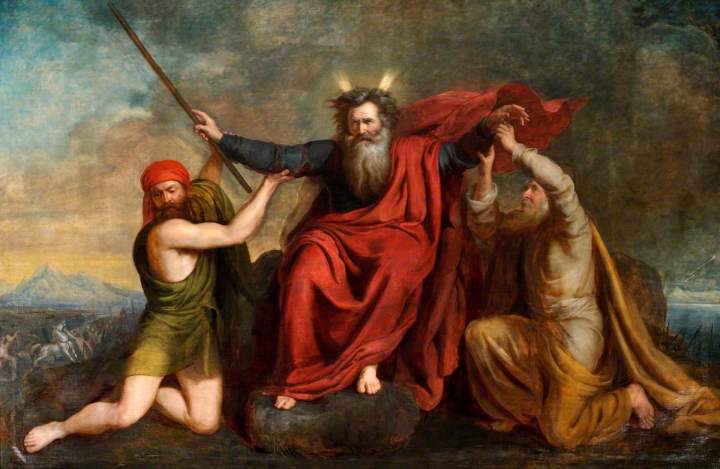
In the first reading this morning from Exodus we see what prayer can achieve. Our life is a battle, just like that fought between Israel and the Amalekites. And we can conquer in spiritual matters by keeping our arms raised in prayer, and helping others by supporting them. The church is a community where we help each other, where we bear each other’s burdens. We pray for ourselves and others, and we are prayed for, so that all around the world, every moment of every day, we are surrounded and upheld by Christians praying for us, not to change God’s mind, but to change us.

It is something which Paul’s Second Letter to Timothy shows us is something we need to learn, to believe, and to continue doing. Prayer isn’t grand, it’s a bit of a slog, it takes a lifetime. It has to be taught, it is what preaching is for. Teaching the faith, and telling people who Jesus is (the Son of God, born of the Virgin Mary) and what He does (preaches repentance, the forgiveness of sins, dies on the Cross, and rises again). It is easy to pervert this into a message which makes few demands upon us, that says, “yes, you’re all fine, you don’t need to do anything”. Christianity makes demands of us. We have to do certain things, which we might prefer not to do, and not do things we might rather like to do. We all need to reminded about this regularly, to help us stay on track. This also helps us to pray well together. 

In this morning’s Gospel Jesus teaches us ‘to pray and not lose heart’ (Lk 18:1) It is important advice. Especially when times are difficult. He teaches us with a parable. There is an unjust judge. He’s corrupt, and he’s fed up, so he gives in, for a quiet life, with the result that the widow receives what is right. God can indeed use many things The point is that the widow is persistent: she keeps on, so that he has to listen to her in the end. So likewise Christian prayer should be unceasing. The widow’s prayers turn wickedness and injustice into mercy and justice. Likewise our prayers do not change God, but instead they change us. That’s the point of prayer not to change God’s mind, but to change us, into what God wants us to be. Persistent prayer can, and will change us. It is how saints are made: through prayer. It takes WORK, but it is wonderful, and worth it. 

The parable reminds us that God hears prayer. He may not always answer it in a way we might like. Sometimes God says no, or not yet, which we might not want to hear. It teaches us patience and wisdom, and even if we suffer, we grow through it. Our growth in holiness can be painful and difficult. In the first reading from Exodus, Moses is clearly tired, he has to be held up by Aaron and Hur. In Paul’s letter to Timothy, he is not advising something popular, but something unpopular, that people will not want to hear. 

The Gospel ends with the question (v. 8): ‘Nevertheless, when the Son of Man comes, will he find faith on earth?’ It’s an important question. If we look at statistics, then people in this country are becoming less religious. Fewer people have faith. There are many reasons for this, and this is not the place to explore them. Solutions are likewise not simple, or straightforward. We can do many things, but we need to make sure that our own faith is strong and attractive, and be prepared to bear witness to it, regardless of the cost. Our faith can only be attractive when it is REAL. This is what will encourage people to follow our example, and come to know and love Jesus Christ. Only in this way can real living faith be transferred so then when Christ comes, as He surely will, He will find faith on earth. So let us trust Christ, knowing that His promises are true, that He feeds us with His Body and Blood in the Eucharist to give us life in Him. Let us love the one who loves us, who gave His life for us, to take away our sins, to heal us and restore us. And healed and restored by Him, let us bear witness to Him, so that the world may come to believe and give glory to God the Father, God the Son, and God the Holy Spirit, to whom be ascribed as is most right and just all might, majesty, glory, dominion, and power, now and forever. Amen.

NWM_AU_OP2.jpg

Trinity 18

What’s the point of it all? It’s a question people ask, and thankfully the church has an answer. Humanity exists to love God and serve him in this life, and to enjoy Him in the next. We are made for worship. Nothing else matters: work, family, friends. They’re not bad in themselves, but compared to our relationship with God, they are secondary. Worshipping God is a way of saying that God is the most important thing in our lives. We love God more than our family, our friends, even ourselves. It’s radical and counter-cultural, because it says that our immortal soul matters more than wealth, or power, or prestige. What we are doing is the most important thing we can ever do. It’s what we are made for. To worship God.

In the first reading this morning from Exodus we see what prayer can achieve. Our life is a battle, just like that fought between Israel and the Amalekites. And we can conquer in spiritual matters by keeping our arms raised in prayer, and helping others by supporting them. The church is a community where we help each other, where we bear each other’s burdens. We pray for ourselves and others, and we are prayed for, so that all around the world, every moment of every day, we are surrounded and upheld by Christians praying for us, not to change God’s mind, but to change us.

It is something which Paul’s Second Letter to Timothy shows us is something we need to learn, to believe, and to continue doing. Prayer isn’t grand, it’s a bit of a slog, it takes a lifetime. It has to be taught, it is what preaching is for. Teaching the faith, and telling people who Jesus is (the Son of God, born of the Virgin Mary) and what He does (preaches repentance, the forgiveness of sins, dies on the Cross, and rises again). It is easy to pervert this into a message which makes few demands upon us, that says, “yes, you’re all fine, you don’t need to do anything”. Christianity makes demands of us. We have to do certain things, which we might prefer not to do, and not do things we might rather like to do. We all need to reminded about this regularly, to help us stay on track. This also helps us to pray well together. 

In this morning’s Gospel Jesus teaches us ‘to pray and not lose heart’ (Lk 18:1) It is important advice. Especially when times are difficult. He teaches us with a parable. There is an unjust judge. He’s corrupt, and he’s fed up, so he gives in, for a quiet life, with the result that the widow receives what is right. God can indeed use many things The point is that the widow is persistent: she keeps on, so that he has to listen to her in the end. So likewise Christian prayer should be unceasing. The widow’s prayers turn wickedness and injustice into mercy and justice. Likewise our prayers do not change God, but instead they change us. That’s the point of prayer not to change God’s mind, but to change us, into what God wants us to be. Persistent prayer can, and will change us. It is how saints are made: through prayer. It takes WORK, but it is wonderful, and worth it. 

The parable reminds us that God hears prayer. He may not always answer it in a way we might like. Sometimes God says no, or not yet, which we might not want to hear. It teaches us patience and wisdom, and even if we suffer, we grow through it. Our growth in holiness can be painful and difficult. In the first reading from Exodus, Moses is clearly tired, he has to be held up by Aaron and Hur. In Paul’s letter to Timothy, he is not advising something popular, but something unpopular, that people will not want to hear. 

The Gospel ends with the question (v. 8): ‘Nevertheless, when the Son of Man comes, will he find faith on earth?’ It’s an important question. If we look at statistics, then people in this country are becoming less religious. Fewer people have faith. There are many reasons for this, and this is not the place to explore them. Solutions are likewise not simple, or straightforward. We can do many things, but we need to make sure that our own faith is strong and attractive, and be prepared to bear witness to it, regardless of the cost. Our faith can only be attractive when it is REAL. This is what will encourage people to follow our example, and come to know and love Jesus Christ. Only in this way can real living faith be transferred so then when Christ comes, as He surely will, He will find faith on earth. So let us trust Christ, knowing that His promises are true, that He feeds us with His Body and Blood in the Eucharist to give us life in Him. Let us love the one who loves us, who gave His life for us, to take away our sins, to heal us and restore us. And healed and restored by Him, let us bear witness to Him, so that the world may come to believe and give glory to God the Father, God the Son, and God the Holy Spirit, to whom be ascribed as is most right and just all might, majesty, glory, dominion, and power, now and forever. Amen.

NWM_AU_OP2.jpg

Monday, 14 October 2019

A thought from S. Teresa of Avila

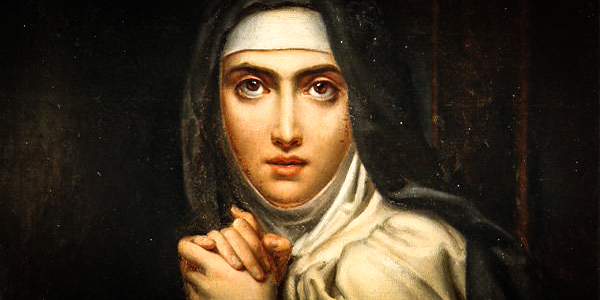
Beware, daughters, of a certain kind of humility suggested by the devil which is accompanied by great anxiety about the gravity of our sins.

He disturbs souls in many ways by this means, until at last he stops them from receiving Holy Communion and from private prayer by doubts as to whether they are in a fit state for it, and such thoughts as: ‘Am I worthy of it? Am I in a good disposition?I am unfit to live in a religious community. ‘

Thus Christians are hindered from prayer, and when they communicate, the time during which they ought to be obtaining graces is spent in wondering whether they are well prepared or no.

Everything such a person says seems to her on the verge of evil, and all her actions appear fruitless, however good they are in themselves. She becomes discouraged and unable to do any good, for what is right in others she fancies is wrong in herself.

When you are in this state, turn your mind so far as you can from your misery and fix it on the mercy of God, his love for us, and all that He suffered for our sake.

The Way of Perfection 39:1, 3

web3-saint-theresa-avila-public-domain.jpg

A thought from S. Teresa of Avila

Beware, daughters, of a certain kind of humility suggested by the devil which is accompanied by great anxiety about the gravity of our sins.

He disturbs souls in many ways by this means, until at last he stops them from receiving Holy Communion and from private prayer by doubts as to whether they are in a fit state for it, and such thoughts as: ‘Am I worthy of it? Am I in a good disposition?I am unfit to live in a religious community. ‘

Thus Christians are hindered from prayer, and when they communicate, the time during which they ought to be obtaining graces is spent in wondering whether they are well prepared or no.

Everything such a person says seems to her on the verge of evil, and all her actions appear fruitless, however good they are in themselves. She becomes discouraged and unable to do any good, for what is right in others she fancies is wrong in herself.

When you are in this state, turn your mind so far as you can from your misery and fix it on the mercy of God, his love for us, and all that He suffered for our sake.

The Way of Perfection 39:1, 3

web3-saint-theresa-avila-public-domain.jpg

Saturday, 12 October 2019

Homily for Trinity XVII

It can be very easy to look around the church and find bickering and quarrelling. People argue, they argue about words, and what they mean. It is an easy thing to do, and especially in matters of faith, where emotion runs deep. It matters. But it isn’t just a modern problem. It runs through the history of the church, and goes right back to our epistle this morning. From the earliest days of the church people have argued, and we need to be mindful of Paul’s words to Timothy: ‘Remind them of these things, and charge them before God not to quarrel about words, which does no good, but only ruins the hearers’ (IITim2:14). Paul writes these words from a prison cell. He is about to be tried for preaching the Good News of Jesus Christ, risen from the dead. He encourages Timothy to be steadfast in the face of persecution, to endure. What really matters is ‘rightly handling the word of truth’ (v.15) not selling people short, or telling them that everything is going to be ok, and you don’t have to do anything. It isn’t. To be a Christian is to face persecution, especially from those who twist Scripture to suit their own ends, not to warn people where they are going wrong, but instead to lull them into a false sense of security, which leads to destruction. 

So what do we do? Firstly we don’t panic. All is not lost. To follow Christ is to risk being uncomfortable. It is to be in places where one would rather not be, but to trust God, and to live generously. In our first reading this morning from the Second Book of Kings we see Naaman, the commander of the Syrian army. He has been afflicted with leprosy, and he hears that there is a prophet in Samaria who can cure him. He writes to the King of Israel, to ask for the prophet to heal him. The King of Israel thinks that it is a trick, an excuse for the Syrians to start a war against Israel. The prophet Elisha reassures the king, and asks for Naaman to be sent to him. Elisha tells Naaman to wash seven times in the River Jordan. Naaman can’t believe his ears. He’s angry. This isn’t what healing is all about, it is far too simple, too easy. The point isn’t about having to do something difficult, but letting God do something wonderful. But eventually Naaman listens, and is obedient, and is healed. He goes back to Elisha to say that ‘Behold, I know that there is no God in all the earth but in Israel’(v.17) Naaman is grateful, and comes to believe in God. The mention of washing in the Jordan reminds us of Baptism, how we were washed clean from sin, and given new life in Christ Jesus, sharing His Death and Resurrection, a sign of God’s generous love towards us. 

In this morning’s Gospel Jesus is in border country. He’s somewhere uncomfortable, heading towards Jerusalem, towards His Passion and Death. Ten lepers see Him, and cry, ‘Jesus, Master, have mercy on us’. Jesus tells them to go and show themselves to a priest, to prove that they are now clean, no longer outcasts. Jesus complies with the law of Moses in Leviticus. The law commands them to sacrifice in order to be healed. Christ heals them, so that God might be glorified.

One of them returns to say, ‘Thank you’. The leper thanks God, and falls at Jesus’ feet. He shows gratitude. We wouldn’t want to live in a world where no-one said, ‘Thank you’. It would be rude. People would be selfish. They would expect things. Thanksgiving is the heart of prayer, it’s why we celebrate Harvest in Autumn. We thank each other, but most importantly we thank God for what He has done for us. Thanksgiving goes hand in hand with faith, what we believe, where we put our trust. 

As Christians we thank God for many things, but first and foremost for what He has done in His Son, Jesus Christ, who died for us. It’s why we celebrate the Eucharist, because Jesus told us to, and so that we might be fed with His Body and Blood. Not because we have earned it, not because we deserve it, but so that we, like the lepers in Gospel, might be healed by Jesus. It is medicine for our sick souls, not a gold star or a prize for the righteous. Christ gives himself for us not because we are worthy, but so that we might BECOME worthy through Him. Salvation is God’s work not ours, as Naaman and the lepers show us. God in Christ saves us and heals us. He dies for us, and rises again so that we might share His Risen life. This is true generosity. And we can receive God’s healing love here and now. We can prepare to be transformed into His likeness, by His body and Blood, which cures not only lepers, but our sin-sick souls. So let us be thankful to God, for all that he has done for us, giving us His Son, to bring about healing, to show mercy, to strengthen our faith. And may we follow Christ, and walk His Way of the Cross, enduring whatever sufferings come our way, with the assurance of faith. May we know that Christ will never abandon us. His words are true. His promise is faithful: ‘if we endure, we will also reign with Him …. if we are faithless, He remains faithful — for he cannot deny himself’ (IITim 2: 12-13) Let us follow where Christ has gone before, confident in His promises, nourished with His Body and Blood, from the shadows and images of this world, into the light of His Truth, who is the Truth, the Way, and the Life. Let us proclaim that truth to the world so that it may come to believe and give glory to God the Father, God the Son, and God the Holy Spirit, to whom be ascribed as is most right and just all might, majesty, glory, dominion, and power, now and forever. Amen.

il_fullxfull.1265097072_sh64.jpg

Homily for Trinity XVII

It can be very easy to look around the church and find bickering and quarrelling. People argue, they argue about words, and what they mean. It is an easy thing to do, and especially in matters of faith, where emotion runs deep. It matters. But it isn’t just a modern problem. It runs through the history of the church, and goes right back to our epistle this morning. From the earliest days of the church people have argued, and we need to be mindful of Paul’s words to Timothy: ‘Remind them of these things, and charge them before God not to quarrel about words, which does no good, but only ruins the hearers’ (IITim2:14). Paul writes these words from a prison cell. He is about to be tried for preaching the Good News of Jesus Christ, risen from the dead. He encourages Timothy to be steadfast in the face of persecution, to endure. What really matters is ‘rightly handling the word of truth’ (v.15) not selling people short, or telling them that everything is going to be ok, and you don’t have to do anything. It isn’t. To be a Christian is to face persecution, especially from those who twist Scripture to suit their own ends, not to warn people where they are going wrong, but instead to lull them into a false sense of security, which leads to destruction. 

So what do we do? Firstly we don’t panic. All is not lost. To follow Christ is to risk being uncomfortable. It is to be in places where one would rather not be, but to trust God, and to live generously. In our first reading this morning from the Second Book of Kings we see Naaman, the commander of the Syrian army. He has been afflicted with leprosy, and he hears that there is a prophet in Samaria who can cure him. He writes to the King of Israel, to ask for the prophet to heal him. The King of Israel thinks that it is a trick, an excuse for the Syrians to start a war against Israel. The prophet Elisha reassures the king, and asks for Naaman to be sent to him. Elisha tells Naaman to wash seven times in the River Jordan. Naaman can’t believe his ears. He’s angry. This isn’t what healing is all about, it is far too simple, too easy. The point isn’t about having to do something difficult, but letting God do something wonderful. But eventually Naaman listens, and is obedient, and is healed. He goes back to Elisha to say that ‘Behold, I know that there is no God in all the earth but in Israel’(v.17) Naaman is grateful, and comes to believe in God. The mention of washing in the Jordan reminds us of Baptism, how we were washed clean from sin, and given new life in Christ Jesus, sharing His Death and Resurrection, a sign of God’s generous love towards us. 

In this morning’s Gospel Jesus is in border country. He’s somewhere uncomfortable, heading towards Jerusalem, towards His Passion and Death. Ten lepers see Him, and cry, ‘Jesus, Master, have mercy on us’. Jesus tells them to go and show themselves to a priest, to prove that they are now clean, no longer outcasts. Jesus complies with the law of Moses in Leviticus. The law commands them to sacrifice in order to be healed. Christ heals them, so that God might be glorified.

One of them returns to say, ‘Thank you’. The leper thanks God, and falls at Jesus’ feet. He shows gratitude. We wouldn’t want to live in a world where no-one said, ‘Thank you’. It would be rude. People would be selfish. They would expect things. Thanksgiving is the heart of prayer, it’s why we celebrate Harvest in Autumn. We thank each other, but most importantly we thank God for what He has done for us. Thanksgiving goes hand in hand with faith, what we believe, where we put our trust. 

As Christians we thank God for many things, but first and foremost for what He has done in His Son, Jesus Christ, who died for us. It’s why we celebrate the Eucharist, because Jesus told us to, and so that we might be fed with His Body and Blood. Not because we have earned it, not because we deserve it, but so that we, like the lepers in Gospel, might be healed by Jesus. It is medicine for our sick souls, not a gold star or a prize for the righteous. Christ gives himself for us not because we are worthy, but so that we might BECOME worthy through Him. Salvation is God’s work not ours, as Naaman and the lepers show us. God in Christ saves us and heals us. He dies for us, and rises again so that we might share His Risen life. This is true generosity. And we can receive God’s healing love here and now. We can prepare to be transformed into His likeness, by His body and Blood, which cures not only lepers, but our sin-sick souls. So let us be thankful to God, for all that he has done for us, giving us His Son, to bring about healing, to show mercy, to strengthen our faith. And may we follow Christ, and walk His Way of the Cross, enduring whatever sufferings come our way, with the assurance of faith. May we know that Christ will never abandon us. His words are true. His promise is faithful: ‘if we endure, we will also reign with Him …. if we are faithless, He remains faithful — for he cannot deny himself’ (IITim 2: 12-13) Let us follow where Christ has gone before, confident in His promises, nourished with His Body and Blood, from the shadows and images of this world, into the light of His Truth, who is the Truth, the Way, and the Life. Let us proclaim that truth to the world so that it may come to believe and give glory to God the Father, God the Son, and God the Holy Spirit, to whom be ascribed as is most right and just all might, majesty, glory, dominion, and power, now and forever. Amen.

il_fullxfull.1265097072_sh64.jpg

Sunday, 6 October 2019

Homily for Trinity XVI

Being a Christian can be hard and difficult at times. It can be very easy to feel as though we are experiencing something of the vision of the prophet Habakkuk in this morning’s first reading. The best advice comes from St Augustine, who said the following words to his people over sixteen hundred years ago: ‘“You all say, ‘The times are troubled, the times are hard, the times are wretched.’ Live good lives and you will change the times. By living good lives you will change the times and have nothing to grumble about.”’ (Sermo 311.8). It can be easy to see bad things happening, but not realise is ours to be the change we want to see. For ‘the righteous shall live by his faith’ (Hab 2:4). If we want to live in a word filled with love, kindness and generosity, then it is up to us to do something about it. 

In Luke’s Gospel this morning the apostles ask for the Lord to increase their faith. He does this firstly after His Resurrection, and secondly with the gift of the Holy Spirit at Pentecost. Likewise our growth in faith is a gradual process: it takes time, a lifetime in fact. It happens by the grace of God. We may long for something instant, but God’s ways are not our ways. Faith is like a mustard seed, it starts small, but in time can grow into something large. How does it happen? The parable which Jesus tells gives us the answer: through service. Not the most glamorous of answers, certainly, and that’s the point. All we can say is, ‘We are unworthy servants; we have only done what was our duty.’ (Lk 17:10). We are not worthy: God makes us worthy, through His Son, who dies for us and fils us with His love. The work of the Gospel is at one level up to us, the Body of Christ, His Church. We have to live our faith out in our lives (as fine words butter no parsnips). Christianity is a way of life, a way mocked and scorned by the world around us, written off as irrelevant, and yet close to the God who loves us and saves us.

We should not be afraid as God has given us ‘a spirit not of fear but of power and love and self-control.’ (2Tim1: 7) Self-control is not exactly the most glamorous of things, but it is crucial if we want to grow in faith. Through it we grow in virtue by the grace of God. It goes hand in hand with the service envisaged by the Gospel passage this morning. We imitate the example of the saints, we ‘follow the pattern of the sound words that you have heard from me, in the faith and love that are in Christ Jesus. By the Holy Spirit who dwells within us, guard the good deposit entrusted to you.’ (2Tim 1:13-14) By imitation of virtuous examples our characters are formed. We become what we imitate, and most of all we imitate Christ, who gave himself for us, and who comes to us this morning under the outward forms of bread and wine to feed us with Himself, so that we might become what He is. So that we might be transformed, more and more into His likeness, to live out our faith in the world, and share our faith with others so that they might come to believe and sing the praise of God the Father, God the Son, and God the Holy Spirit, to whom be ascribed as is most right and just, all might, majesty, glory, dominion, and power, now and forever.

img_0270

Homily for Trinity XVI

Being a Christian can be hard and difficult at times. It can be very easy to feel as though we are experiencing something of the vision of the prophet Habakkuk in this morning’s first reading. The best advice comes from St Augustine, who said the following words to his people over sixteen hundred years ago: ‘“You all say, ‘The times are troubled, the times are hard, the times are wretched.’ Live good lives and you will change the times. By living good lives you will change the times and have nothing to grumble about.”’ (Sermo 311.8). It can be easy to see bad things happening, but not realise is ours to be the change we want to see. For ‘the righteous shall live by his faith’ (Hab 2:4). If we want to live in a word filled with love, kindness and generosity, then it is up to us to do something about it. 

In Luke’s Gospel this morning the apostles ask for the Lord to increase their faith. He does this firstly after His Resurrection, and secondly with the gift of the Holy Spirit at Pentecost. Likewise our growth in faith is a gradual process: it takes time, a lifetime in fact. It happens by the grace of God. We may long for something instant, but God’s ways are not our ways. Faith is like a mustard seed, it starts small, but in time can grow into something large. How does it happen? The parable which Jesus tells gives us the answer: through service. Not the most glamorous of answers, certainly, and that’s the point. All we can say is, ‘We are unworthy servants; we have only done what was our duty.’ (Lk 17:10). We are not worthy: God makes us worthy, through His Son, who dies for us and fils us with His love. The work of the Gospel is at one level up to us, the Body of Christ, His Church. We have to live our faith out in our lives (as fine words butter no parsnips). Christianity is a way of life, a way mocked and scorned by the world around us, written off as irrelevant, and yet close to the God who loves us and saves us.

We should not be afraid as God has given us ‘a spirit not of fear but of power and love and self-control.’ (2Tim1: 7) Self-control is not exactly the most glamorous of things, but it is crucial if we want to grow in faith. Through it we grow in virtue by the grace of God. It goes hand in hand with the service envisaged by the Gospel passage this morning. We imitate the example of the saints, we ‘follow the pattern of the sound words that you have heard from me, in the faith and love that are in Christ Jesus. By the Holy Spirit who dwells within us, guard the good deposit entrusted to you.’ (2Tim 1:13-14) By imitation of virtuous examples our characters are formed. We become what we imitate, and most of all we imitate Christ, who gave himself for us, and who comes to us this morning under the outward forms of bread and wine to feed us with Himself, so that we might become what He is. So that we might be transformed, more and more into His likeness, to live out our faith in the world, and share our faith with others so that they might come to believe and sing the praise of God the Father, God the Son, and God the Holy Spirit, to whom be ascribed as is most right and just, all might, majesty, glory, dominion, and power, now and forever.

img_0270