Saturday, 25 August 2018

Twenty First Sunday of Year B [Jn 5:56-69]

Life can be complicated, it requires us to make choices, which have effects: they define what we become, who we are. Our actions have consequences. In this morning’s first reading from the Book of Joshua, the people of Israel have a choice to make: do they want to worship the God of Israel, or other gods. Joshua is clear: he and his household will serve the Lord. The people of Israel follow his example, they make a commitment to worship God, and Him alone. They make a promise to be faithful. They will, in time break it, at which point they are punished, though God is forgiving.

It is a question of commitment, which involves love and sacrifice — the two go hand in hand. It is what marriage is all about, and it also describes God’s relationship with us, and ours with God. It will see Jesus die on the Cross for us, to show us just how much God loves us, and wants to restore our relationship with Him, and each other. It is wonderful , but it isn’t something God forces us into: we are free to accept it, or to refuse it. It is a free gift. 

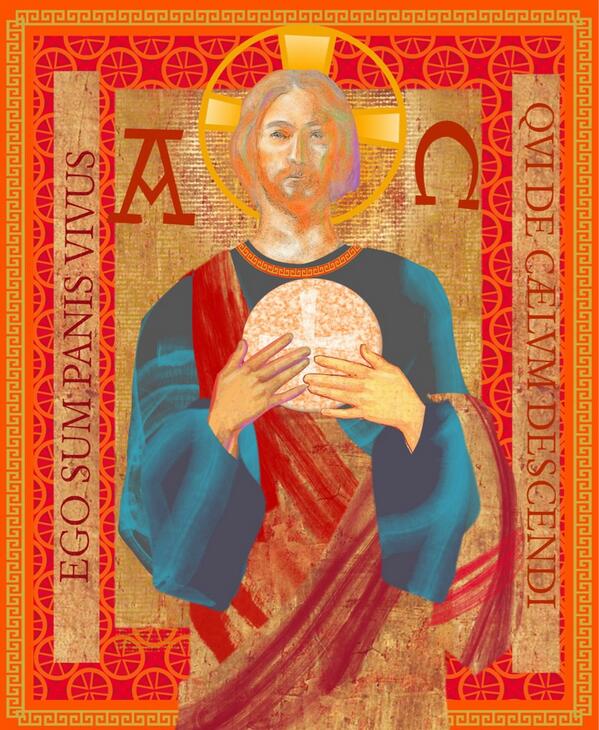
In the Gospel Jesus tells the worshippers that He is the living bread, and if they eat Him they will have eternal life. These are bold claims to make. They would have been quite extraordinary two thousand years ago, and they still are today. What Jesus is promising goes against everything which they know and understand about their faith. He calls them to do the unthinkable. At that time they caused people to stop following Jesus. They could not cope with the realism of the Eucharistic discourse in John Ch. 6.

Thus, is it hardly surprising that His disciples reply, ‘This teaching is difficult, who can accept it’. That is a normal reaction. But it is not one which Jesus will leave unchallenged. As he is the living bread which came down from Heaven so He will go back. After His death and Resurrection, He will ascend to the Father. Our being fed with the Lord’s Body and Blood is important, and what It is is clearly linked with who He is: God, born for us, who gives himself for us. It is linked to the proclamation of the Gospel, the Good News – the words are Spirit and Life – and God gives himself so that His Church may be nourished by Word and Sacrament.

It is sad to think that even then ‘many of his disciples turned back and no longer went about with him.’ Jesus had said something difficult, something troubling, something which turned the accepted order on it its head. People were unable or unwilling to accept what Jesus asked of them, and so He turns to his disciples and asks them if they want to go away too. Peter the leader of the disciples is the first one to reply, ‘Lord, to whom can we go? You have the words of eternal life. We have come to believe and know that you are the Holy One of God.’ (Jn 6:68-69 NRSV).

Here Peter is confessing that Jesus is the Christ, the Messiah, the Son of God. To be a Christian is to make the same confession as Peter, and to have the same hope of eternal life in and through Jesus Christ. 

The teaching is hard to accept, difficult to understand, but we can EXPERIENCE it, when we receive Holy Communion. For Peter, and for us, BELIEF precedes KNOWLEDGE. We believe and then we come to know.  And like St Peter we can say, ‘To whom can we go?’ Who else offers us this? No-one, other than Jesus Christ; He alone can save us. He alone can offer us the fullness of life. People often think that wealth or fame can make us happy, and this may be true for a while, but such pleasure is fleeting and transitory. It vanishes like a puff of smoke. Only in Jesus can we know true freedom, and everlasting life.

When we gather together as Christians on a Sunday morning we, like Saint Peter, publicly declare our faith in who Jesus is, and what He does. This may not seem a radical act to us. However in the Roman Empire people were expected to worship the emperor as a living God. The thought of burning incense in front of a picture of Queen Elizabeth II would strike us now as not only strange, but wrong, and idolatrous. We worship God, and God alone. And for doing so, countless Christians have been killed over the past two thousand years, and continue to be even today.

We come so that we may hear the words of eternal life, the Good News of Jesus Christ, and so that we may be fed by Him, and fed with Him, with the Body and Blood of Christ, so that we can live forever because of Him. We can have a foretaste of the Heavenly banquet of the Kingdom, here and now, we can be fed with Jesus so that we can be transformed more and more into His likeness and prepared, here and now, for eternal life with God, and that we start living that life here and now, so that our faith is not simply a personal or a private matter but one which affects who and what we are, and how we live our lives, so that our faith affects who and what we are, and what we do, so that the Eucharist is our bread for the journey of faith, so that strengthened by Christ and with Christ, we may live lives which proclaim the Good News of the Kingdom. This is how are supposed to live together as a Christian community, living in love, fed with love itself, here in the Eucharist, where we thank God for His love of us. As children of God, loved by God, we are to imitate him, we are to live after the pattern of Christ, who offered himself, who was a sacrifice who has restored our relationship with God. 

Jesus has come to give us hope through the Eucharist, and the promise of eternal life in and through Him. He does this to show us that God LOVES us, to the extent that he died for love of us. He gives Himself so that we might live in and through Him. Let us be filled with that love, and share it with others so that all may have life in and through Christ. Amen.

blgsv4ncyaat655

Saturday, 18 August 2018

Twentieth Sunday of Yr B (Prov 9:1-6, Eph 5:15-20, Jn 6:51-58)

Over the past few weeks our readings from St John’s Gospel have focussed on Jesus’ teaching about the Bread of Life. After the Feeding of the Five Thousand Jesus teaches people at great length, beginning with His statement, ‘I am the bread of life’ (Jn 6:35) It is an extended meditation on what the Eucharist, the central and primary act of Christian worship, is. It is where we follow Jesus’ command to ‘to this in memory of Him’. At one level it is strange: the bread and wine do not look or taste any different after prayers have been said, but what we are eating and drinking IS different, because Jesus says that it is, because God is active in the world, and we have a relationship with Him. The way in which God acts is mysterious, we struggle to UNDERSTAND it, but we can EXPERIENCE it, through Holy Communion, where Christ feeds us with His Body and Blood. 

In our first reading this morning from the Book of Proverbs we see Wisdom. In the Christian tradition she is identified with Jesus Christ, the Word made Flesh. She is issuing an invitation: she has built a house, the Church. She has hewn seven pillars, the sacraments, the means of God’s grace to be active in our lives. The people of God are called to eat and drink, to live, and to walk in the way of insight, that is in following Jesus Christ. The New is prefigured in the Old. The Hebrew Scriptures point to, and find their fulfilment in Jesus Christ, who is the Wisdom of God, and the Word made Flesh. We are invited to His banquet, so let us come to be fed at the table of the Lord. 

Likewise St Paul advises the church in Ephesus not to behave in a worldly manner, but to put God at the centre of our lives. He ends by invoking the names of the three persons of the Godhead, Father, Son, and Holy Spirit, in a context of right worship, of praise of Almighty God, as that is what we as Christians are supposed to do: to love God and to serve him, through prayer and worship, through entering into the mystery of the Three in One. To be caught up in the outpouring of divine love, and to have a foretaste of it here on earth.

After feeding the Five Thousand in John’s Gospel, a sign of the generous nature of God’s love for humanity, Jesus embarks upon an extended discourse upon himself as the Bread of Life. John’s account of the Last Supper focuses on Christ washing the disciples’ feet, and their obeying Christ’s example and commands. There is no institution narrative, instead the Eucharistic teaching in John’s Gospel is centred around Jesus’ explanation in Chapter 6, so that a long time before Jesus’ suffering and death we can see what it is all about. It’s a process which starts with John the Baptist at the start of the Gospel, where he sees Jesus and says, ‘Behold the Lamb of God, who takes away the sin of the world’ (Jn 1:29) The Lamb points to Passover and the freedom of the people of God, freedom from sin and its effects.

Jesus begins the last section of his teaching with the bold claim that, ‘I am the living bread that came down from heaven. Whoever eats this bread will live for ever; and the bread that I will give for the life of the world is my flesh.’ These are some extraordinary claims to make, they would have sounded shocking to a first century Jew, and some two thousand years later they still sound shocking, and yet the offering of Christ’s body for the sins of the world as a sacrifice which is re-presented, made present again and offered to God the Father upon the altars of the church, is what the church is for, it is what we are for. It is why we come together to worship on the day when Christ rose from the dead, a sign of the new life we share in Christ, through baptism and the Eucharist.

It is done so that we may have life in us, and have it for eternity, so that we may share in the pledge of eternal life given to us in Christ, who will raise us up forever with Him. Such is the nature of God’s love for us: it is freely given, we do not earn it, we do not deserve it. It is something given to us, so that by it, and through it, we may become something greater, something better than we are.

Such is the power of God’s sacrificial love at work in our lives; such is the treasure which we have come here today to receive. If it were ordinary food then we would eat it, and it would become what we are, our flesh and blood; but instead we, who eat it, become what it is: the Body and Blood, Soul and Divinity of Our Lord and Saviour Jesus Christ. We share in His divine life, we are healed by His divine love, by his sacrifice the wounds of sin and division are healed so that humanity, made in the image of God might be ransomed, healed, restored, and forgiven by God, to live to his praise and glory.

God loves us. God dies for us, and rises again for us. As a sign, a pledge and a token of His love, He gives Himself to us in the Eucharist, so that we might come to share that divine life and love. The process of transformation which will end in Heaven is begun here and now, so that we can live the life of the Kingdom of God here and now, and transform the world around us into what God wants it to be. This is the revolution which God seeks to accomplish through us, through His Church, that fed by Christ and with Christ we transform the world around us, living lives of love and forgiveness which can and will change the world. 

Such wonderful news is truly worth pondering and considering in detail given its potential effects in our lives, so that bit by bit we are slowly and sure becoming more Christ-like, fed by Him, fed with Him, and encouraging others so to do so that the world may believe and give glory to God the Father, God the Son, and God the Holy Spirit, to whom be ascribed as is most right and just, all might, majesty, glory, dominion, and power, now and forever, Amen. 

blgsv4ncyaat655

Saturday, 11 August 2018

Nineteenth Sunday of Year B (1Kgs 19:4-8, Eph 4:2-5:2, Jn 6:35 & 41-51)

If you were going on a long journey one of the things you would take with you would be food and drink to refresh you as you travel. Without it we would be hungry and thirsty, we would struggle, and eventually we would die. In our first reading this morning the prophet Elijah is fleeing for his life as the evil queen Jezebel wants to kill him. He’s desperate and afraid, but God feeds him with bread from heaven so that he might have strength for the journey. It prefigures the Eucharist, the reason why we are here today, to be fed by God. We can have the strength for our journey of faith, and the hope of eternal life. We need the Bread of Heaven, the Body of Christ, to nourish us on our journey of faith. 

Jesus is the Bread of Heaven who alone can satisfy us. When we sing the Hymn ‘Guide me O thou great Redeemer’ and we say the words ‘Bread of Heaven, feed me till I want no more’ it is plea for the Eucharist, which alone can satisfy our every need. The Jews in this morning’s Gospel are not happy to hear Jesus describing Himself as the Bread which came down from Heaven. They cannot understand that he is the Bread of Life, they only see Him in human terms. He is not just a man, he is God, who was born among us, who preaches the Good News of the Kingdom of God and who dies and rises again for us. 

He offers people eternal life: ‘And I will raise him up on the last day’ (Jn 6:44), ‘Truly, truly, I say to you, whoever believes has eternal life’ (Jn 6:47) Through our participation in Baptism and the Eucharist we share in Jesus’ Death and Resurrection, and we have a pledge of eternal life in and through Him. ‘Myfi yw’r bara bywiol, yr hwn a ddaeth i waered o’r nef. Os bwyty neb o’r bara hwn, efe a fydd byw yn dragywydd. A’r bara a roddaf fi, yw fy nghnawd i, yr hwn a roddaf fi dros fywyd y byd..’ (Jn 6:51). Jesus is the living bread and if we eat Him then we will live forever. We need the Eucharist. It isn’t an occasional treat or a reward for good behaviour, like some heavenly lollipop. It is necessary and vital, we cannot truly live without it. It is what the Church is for, to feed the people of Christ with Christ. ‘And the bread that I will give for the life of the world is my flesh.’ (Jn 6:51) Jesus dies on the Cross at Calvary for us. He gives his body to suffer and die for us, for YOU and ME, to save us and heal us. We don’t deserve it, we cannot earn it. It is the free gift of God, an act of radical generosity, so that we might be radical and generous in return. Jesus institutes the Eucharist on the night before He dies so that the Church might DO THIS in memory of Him, so that he might be ever present with us, to fill us with His love. Sacraments such as Baptism and the Eucharist are outward and visible signs of inward spiritual grace. They point us to a God who is generous, who wants us to have life in Him. 

So does this mean that we can just carry on regardless? BY NO MEANS! Christ gives us life, so that we may live in Him. As S. Paul says in his letter to the Ephesians, ‘Therefore be imitators of God, as beloved children. And walk in love, as Christ loved us and gave himself up for us, a fragrant offering and sacrifice to God.’ (Eph 5:1-2) There is something quite extraordinary and radical about this. It isn’t how most people in the world around us live. Christians are supposed to different, to live different lives in a different way, because we follow Jesus, and live like Him. We operate according to different rules and standards, those of Christ, and not of the world around us. 

All of us here this morning are Christians: we have responded to the call to follow Christ, to imitate Him, and His way of life. We practise forgiveness, whereas the world around us is judgemental and unkind — it writes people off. God never does that. We are all sinners, in need of God’s mercy, and that is why Jesus died for us, to heal us and restore us, so that we can be like Him. We will fail in this endeavour, every single day, because our own strength is not enough. We have to rely upon the God who loves and forgives us, who gives His Son to die so that we might live. So we live in a way which is different from the world around us: we are loving and forgiving, because we have been shown love and forgiveness. It is in experiencing God’s self-giving love that the world can find true meaning. Life in Christ is what true life means. Fed by him, strengthened by him, to imitate him and live out lives of self-giving love. It is hard and challenging, we need to do it together, so that we can support each other as we try and fail, and keep trying, together. The Christian life is not a glamorous thing, it doesn’t have the razzmatazz of a television show, it isn’t about celebrity or fame, or wealth, or power. It is about a slow gentle trudge, day by day, trying to be more like Jesus. It doesn’t sound very exciting, does it? 

The world around us can come up with far more enticing options, which might be fun for a while. But, eventually, we will see them for what they are — vain, empty, and silly. They offer nothing of value or worth. No, being a Christian isn’t glamorous, it won’t make you rich or famous, but it can save your soul and change the world. We want the world to become more Christ-like, where people are loving, forgiving, and compassionate. Where the hungry are fed, where people are comforted, and instead of being selfish, people become more selfless. It is a work in progress — we have been trying and failing for two thousand years, but we keep trying, knowing that God’s love and mercy are inexhaustible. Not glamorous, but worthwhile. Amen. 

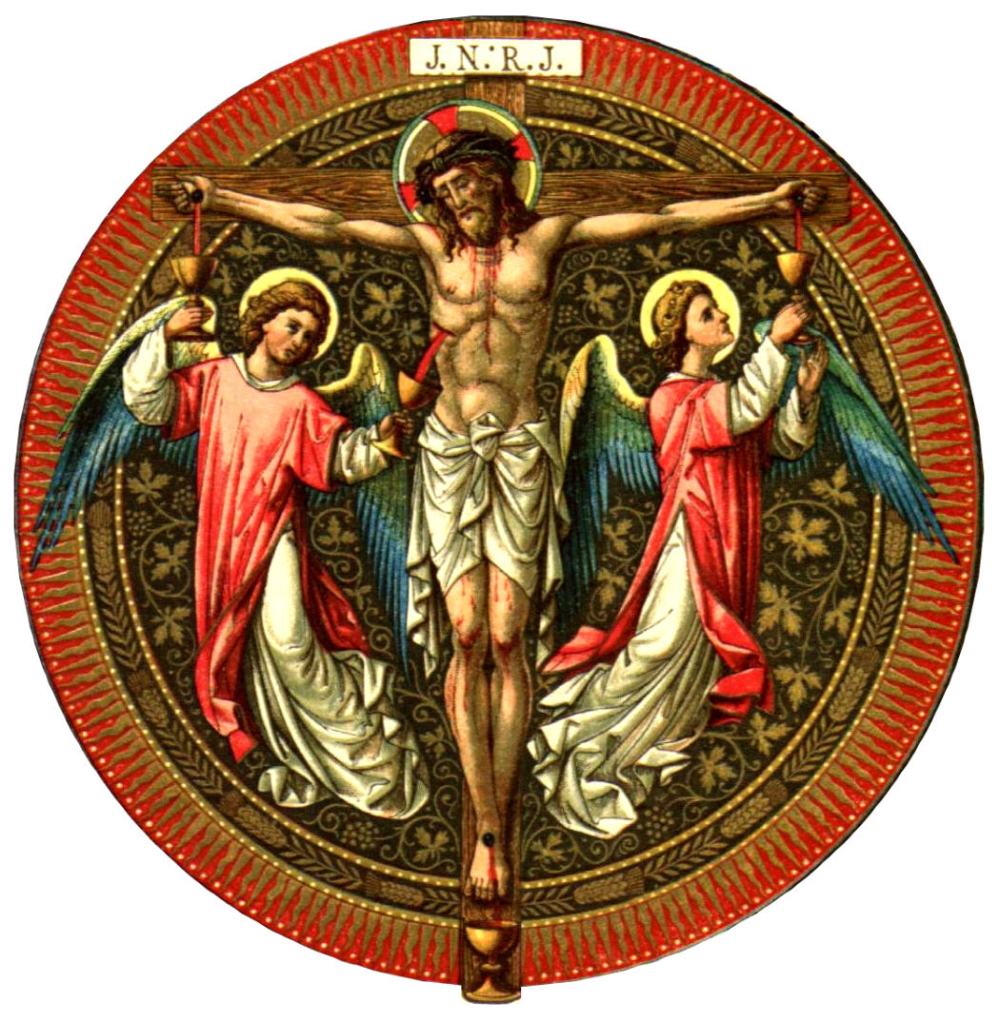
crucifixion-precious-blood

Friday, 10 August 2018

Henri Nouwen on Ministry

“More and more, the desire grows in me simply to walk around, greet people, enter their homes, sit on their doorsteps, play ball, throw water, and be known as someone who wants to live with them. It is a privilege to have the time to practice this simple ministry of presence. Still, it is not as simple as it seems. My own desire to be useful, to do something significant, or to be part of some impressive project is so strong that soon my time is taken up by meetings, conferences, study groups, and workshops that prevent me from walking the streets. It is difficult not to have plans, not to organize people around an urgent cause, and not to feel that you are working directly for social progress. But I wonder more and more if the first thing shouldn’t be to know people by name, to eat and drink with them, to listen to their stories and tell your own, and to let them know with words, handshakes, and hugs that you do not simply like them, but truly love them.”

¡Gracias! pp 147-148

Sunday, 29 July 2018

17th Sunday of Year B [2Kings 4:42-44, Eph 3:14-21, John 6:1-21]

When I was 17, I went to Rome on a study trip, during the last week of July and the first week of August, a bit like the weather has been here for the past few weeks, it was 28℃ (82℉) when we landed at 10pm. When we arrived at  our accommodation a friend of mine went to the bathroom to wash his face and brush his teeth before going to bed. He got a terrible shock. When he turned on the tap marked ‘C’ and out came boiling hot water. C in Italian stands for Caldo or Hot. He needed to turn on the tap maked ‘F’ for Fredo, or Cold. But he was so used to cold water coming out of a tap marked ‘C’ that he misread the signs.

This mistake is easily made, especially since we are so used to seeing the letter ‘C’ on cold taps back home. It shows us how things can go wrong when we misread the signs. In today’s Gospel we have several examples of people misreading signs. First, we have the Apostle Philip. He is asked by Jesus where they can buy bread for the crowd to eat. He replies that 200 denarii would only buy them a mouthful each. Six months wages just for a mouthful! So Philip says that there is no way that the people can be fed. He cannot believe that such a thing is possible.

The Apostle Andrew fares a bit better. He shows Jesus a boy with two fish and five barley loaves, the bread of the poor. But he cannot see the point and asks ‘what is that between so many?’ The disciples give the wrong answers to Jesus’ questions, because they cannot read the signs.

The crowd are also a bit of a mixed bag. They have followed Jesus because they are impressed by his wondrous healing of the sick. Once they have miraculously been fed, they recognise the sign as a declaration of Jesus’ identity, but they misinterpret it. They are about to take Jesus by force and make him king. But this is not what Jesus’ kingship is about, he isn’t a political ruler. His kingship is not of this world. All have expectations which are met, but not necessarily in the way they were expecting. Our God is a God of Surprises.

The context of the Gospel story is important. It was just before the Passover, the festival commemorating Israel’s journey from slavery in Egypt, across the Red Sea towards the Promised Land. It is a festival of Hope and Freedom, of Liberation, of a God who will feed them with manna from heaven.

It is also the same time that Jesus will celebrate the Last Supper with his disciples, instituting the Eucharist, which Christians have faithfully celebrated ever since and which is the reason why WE are here today. The blessing, breaking and sharing of bread is a serious matter. A time for remembering and looking forward.

The fact that it is a serious matter explains why Jesus will devote so much time and effort to teaching the people about this in the Gospel passages we will read over the next few weeks. It matters because the Eucharist is how we encounter Jesus and how we are fed by him. 

In the Gospel, it is Jesus who takes the initiative. He recognises that people are hungry, and that they need to be fed. He is a good shepherd who looks after his flock. So He takes the basic foodstuff, bread, to show us how God works with simple things. These may be, like the barley loaves, poor, the kind that the world despises and looks down its nose at. But for God, nothing or indeed nobody, is scorned or cast aside. Ours then is a God who takes what is available and uses it. Jesus takes what he is given and thanks God for it, in recognition that all that we have, our lives and all of creation, is a gift, for which we should thank God.

It is through prayer and blessing that bread can be broken and distributed and provide sustenance, on a scale and in a way that defies our expectation and understanding. Not only are a huge number of people fed, but as a sign of the super-abundance of God’s love and mercy, there is more left over at the end than there was to begin with. Thus, in giving thanks to God and sharing his love, the kingdom of God, of which the bread is a sign, grows, when it is shared. It satisfies people’s deepest needs. The more you share it, the more there is.

Jesus takes, blesses, breaks and distributes bread to demonstrate what the Kingdom of God and the message of the Gospel is. This looks forward to the Institution of the Eucharist, just before Passover. It points to that great Passover, when the world is freed from the slavery of sin, washed in the Red Sea that flows from Calvary, and given the Law of love of God and neighbour.

This miraculous feeding by the shore of the Sea of Galilee will happen here today, when we, the people of God, united in love and faith offer ourselves and like the little boy, give the bread that we have, so that it may be taken, blessed, broken and given so that we may be partakers in the mystical supper of the Kingdom of God. We eat the Body of Christ not as ordinary food — that it may become what we are — but that WE may become what HE is. THIS is our bread for the journey of faith. THIS is the sign and token of God’s love. THIS is the means by which we too may enjoy forever the closer presence of God.

So then, as the five thousand received and were satisfied, let US prepare to eat that same bread, the body of Christ, which satisfies our every need and fills us with a foretaste of the Kingdom of God the Father, God the Son, and God the Holy Spirit, to whom be ascribed as is most right and just, all might, majesty, glory dominion, and power, now, and for ever. Amen.

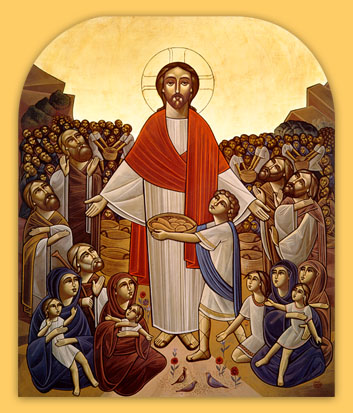
christ_feeding_the_multitude

Sunday, 22 July 2018

16th Sunday of Yr B (Jer 23:1-6, Eph 2:11-22, Mk 6:30-34, 53-56)

Some monks came to see Abba Poemen and said, ‘Abba, we have noticed some of the brothers falling asleep during the early morning service, should we wake them up so that they may pray more devotedly?’ He said, ‘Well I, for my part, when I notice a brother falling asleep lay his head in my lap so that he may sleep more soundly’

It is perhaps not surprising that amongst the men and women who lived in the Egyptian desert, and who developed the monastic tradition one of the most inspiring is a man whose name means ‘Shepherd’ in Greek. His name is indicative of the way he is. His care and gentleness towards his brothers is an example of how to be a Christian: gentle, non-judgmental, forgiving, and loving. It shows us that to be Christian is to be Christ-like, gentle and loving.

Living as we do here, out in the countryside, surrounded by fields, I suspect that the imagery in this morning’s readings is not completely lost on us. We are used to sheep and the shepherds who look after them. The care and devotion which a Shepherd should devote to his flock is a sign of God’s love and care for us, and to those of us who have been given any sort of pastoral responsibility in the church it serves as a reminder of who and what we are supposed to be: its cost, and the responsibility we share for the care of Christ’s flock, the burden and the joy. It is frightening to think how little our own strength and skill is compared to the task — we have to rely upon God, and his strength and not our own. 

In this morning’s first reading, we see what happens when it goes wrong (there’s advice for bishops here). The Kings of Israel are supposed to be shepherds, to care for and protect their flock. But they are not true shepherds as they exercise power selfishly, which destroys and drives away the sheep. The rulers seek power for its own sake, to make themselves feel grand and important, they become cruel and selfish. The rulers don’t care for the well-being of the people, who have scattered, gone wandering off, as the mood takes them. It’s all gone horribly wrong; and yet God, the true shepherd of our souls, does not leave his people comfortless. He promises to give them a good Shepherd, and points towards his son, the Good Shepherd, who will lay down his life for his sheep. The prophet Jeremiah looks forward to a future when there is a Messiah, a Good Shepherd, who is Christ, the Righteous Branch of David, who lays down his life for his sheep. This is care, this is self-giving love. This is how to rule, and care for the people of God, not in the exercising of arbitrary power. 

In St Paul’s letter to the Ephesians we see the work of the Good Shepherd and its fruits. He gives us life through his death. Through him the flock is united. Sin, that which divides, that which keeps us apart from God and each other, has been overcome by Jesus. He restores our relationship to one another and to God the Father, by laying down his life, by giving himself for us upon the cross and here in the Eucharist, where we the people of God are fed by God, are fed with God, to be built up into a holy nation, to become more like him, to have a hope of heaven, and of eternal peace and joy with him. In conquering the world and sin, Christ shows us that there is nothing God cannot do or indeed will not do for love of us. All divisions, all human sinfulness can be reconciled through Him who was sinless, who gave himself to be tortured and killed that we might be free and live forever. Paul sees the church in architectural terms: we have foundations in the teachings of the church, in the words of prophets which point to Jesus, and in teaching which comes from Jesus, through his apostles. We need to pay attention to this, as abandoning such things and preferring something modern and worldly causes this carefully constructed edifice to fall down. Buildings need foundations, and strong ones too. 

In this morning’s Gospel we see a picture of what good shepherds are like. Jesus and the apostles have been teaching the people, it’s a wonderful thing but it does take its toll. Jesus tells his disciples that it is time to have a rest, to spend some time alone, in prayer and refreshment. The people are so many; their needs are so great that the apostles have not had time to even eat. It is a recognisable picture, and it shows us how great was the people’s need for God, for God’s teaching, for his love and reconciliation. Jesus does not simply send the people away. Instead while the apostles are resting he takes pity on them because they are like sheep without a Shepherd. Jesus, who is the good Shepherd, will lay down his life for his sheep, to heal them and restore them. 

His people are hungry and in need of healing. So they will be healed by God, fed by God, and fed with God. God offers himself as food for his people and continues to do so. He will feed us here today, feed us with his body and blood, with his word, so that we may be healed and fed, so that we may be nourished, so that we may be strengthened to live our lives, that we may live lives which follow him, and that we may have the peace which passes all understanding. 

It’s a wonderful gift, which comes at a tremendous cost, which shows us how loving and generous God is towards us His people. Our response should be gratitude that we are fed in this way, that we have been reconciled to God through him. We should live lives fashioned after his example, lives which show his love and his truth to the world, lives which proclaim his victory, lives which will attract people to come inside the sheep-fold, to have new life in Jesus, to be with Jesus, to be fed by him, to be fed with him. 

It’s a difficult thing to do, to live this life, to follow His example But with God’s help, and by helping each other to do it together, we can, and thereby give glory to God the Father, God the Son, and God the Holy Spirit, to whom be ascribed as is most right and just, all might, majesty, glory dominion, and power, now and forever.

06f84c08-66cf-4481-baf0-09d3f1849f7e

Saturday, 14 July 2018

Fifteenth Sunday of Year B [Amos 7:7-15, Eph 1:3-14, Mk 6:14-29]

When the Church talks about calling, it often refers to the call of Isaiah, and Isaiah’s response, ‘Here am I! Send me.’ (Isa 6:8) and while it is good to respond to God’s call in our lives, I suspect that far more people, myself included, feel a lot more like the prophet Amos in this morning’s first reading: ‘I was no prophet, nor a prophet’s son, but I was a herdsman and a dresser of sycamore figs. But the Lord took me from following the flock, and the Lord said to me, “Go, prophesy to my people Israel.” Now therefore hear the word of the Lord.’ (Amos 7:14-16 ESV). Ours then is a not a God who calls the qualified, but who qualifies those called. We may well feel unworthy, or unable to carry out what God wants, and that is fine. God works through us, not because we are capable, but because we rely on Him. Amos tells the uncomfortable truth to the priest and to the king of Israel, and reminds them that their actions have consequences. The plumb line is true, it is a mark of the uprightness that God expects of Israel, the standard of the Law, the Torah. They have fallen short, and will be judged. This is what prophets do, they call people back to God, to walk in His ways. 

It is what John the Baptist has done to Herod Antipas in this morning’s Gospel: he has married his brother’s wife, Herodias, while his brother is still alive. Leviticus 18:16 prohibits this, so Herod has broken God’s moral law, he has sinned. John has preached a message of repentance, to turn away from sinful behaviour, and to turn back to God. It doesn’t make for easy listening, especially when we know that we have all fallen short of what God expects from us. While Herod wants to listen to John, he is WEAK, he doesn’t want to lose face and acquiesces to Salome’s demand. 

Rather like John the Baptist, each of us, through our baptism, is called to bear witness to our faith in our lives. This is what martyrdom is, bearing witness, regardless of the cost. We are called by God to be an example and to live out our faith in our lives. In our baptism we put on Christ, we are conformed to him, as priest, when we pray, as king, when we serve, and prophet, when we proclaim His Kingdom. Our prayer, service, and proclamation are the ways in which we live out our faith as something real in our lives, something which Paul’s Letter to the Ephesians reminds us that we do for the glory of God, whatever the cost. Few of us nowadays here in the UK are likely to bear witness to our faith at the cost of our life. Around the world plenty of Christians are, because they value Christ more than anything in this world, even life itself. Nothing is more important or valuable than Jesus Christ, the Word made flesh, who comes to us in His Word, the bible, and under the outward forms of bread and wine in the Eucharist, to feed us, and to transform us more and more into His likeness. 

When Jesus’ preaching comes to the ear of Herod he thinks that John has been raised from the dead. This anticipates and points forward to the Resurrection when Jesus will rise from the dead. Jesus and John are proclaiming the same message: Repent of your sins, and turn back to and believe in God. They both do marvellous things because they are both filled with the Holy Spirit. What they are, and what they do, is exactly what the church, you and me are called to, the same message, the same proclamation, the same miracles. If we trust in the God who loves us, then God can and will do wonderful things with and through us.

Herod doesn’t want to kill John, his conscience is pricked, he knows that he has done wrong. He is in a position where he does not want to risk losing face, in a culture where honour and shame are still motivating factors this is understandable, even if it doesn’t make it right. So Herod gives in to Salome’s wishes, and John pays the price of telling truth to power. Are we willing to do the same?

We do so as heralds of the Kingdom of God which is still becoming a reality in the world around us, it is a work in progress until Christ comes again and renews all things in Himself. In the meantime we can rest secure that we are a part of God’s plan for the world, a plan of LOVE, which sees Jesus die upon the Cross for our sins, and rise again to give us the hope of heaven. The redemption of the world in and through Jesus Christ is a reality, one which will become visible and present upon the altar this morning, where we obey His command to ‘Do this in memory of Him’ Christs’s sacrifice upon the cross is made present to us, so that we can share in His Risen Life, and the glory of Heaven here and now. We have a foretaste of heavenly glory to strengthen us on our journey of faith. We have hope for the future because of what God has done for us, and we have a pledge of it here this morning, in Christ’s Body and Blood. 

So how are we going to respond to the amazing generosity of God? Are we content to say, ‘Thank you very much!’ and carry on regardless as though none of this matters? Are we content for religion to be a matter of private devotion, rather than the core of our being, who we really are, the centre of our lives? Are we so conformed to the world that we act as though God is not important? If God can do such amazing things for us, can we not do more for God? It’s hard, we can all do better, and try harder; our lives are pressured, but that is why we are a Christian community. We do things together: we support each other, both in prayer and action, we cannot do it on our own, we can only do it TOGETHER, by the grace of God, working in and through us. It is His church, of which we are members, called to love and serve Him. God provides all that we could ever want or need with regard to faith, hope, and love. If we trust Him and rely upon Him alone then we can bear witness so that the world will come to believe in God the Father, God the Son, and God the Holy Spirit, to whom be ascribed as is most right and just all might, majesty, glory, dominion, and power, now and forever.

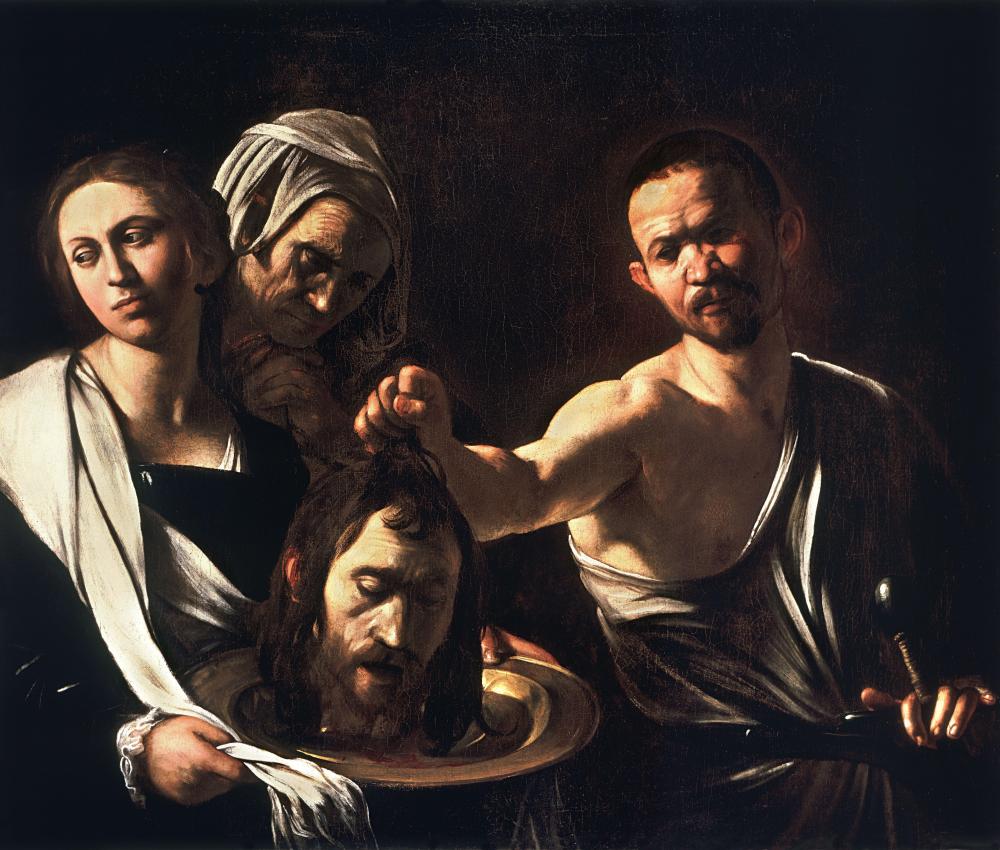
salome_with_the_head_of_john_the_baptist-caravaggio_28161029

Wednesday, 11 July 2018

The Prologue to the Rule of Our Holy Father St Benedict

Listen, O my son, to the precepts of thy master, and incline the ear of thy heart, and cheerfully receive and faithfully execute the admonitions of thy loving Father, that by the toil of obedience thou mayest return to Him from whom by the sloth of disobedience thou hast gone away.

To thee, therefore, my speech is now directed, who, giving up thine own will, takest up the strong and most excellent arms of obedience, to do battle for Christ the Lord, the true King.

In the first place, beg of Him by most earnest prayer, that He perfect whatever good thou dost begin, in order that He who hath been pleased to count us in the number of His children, need never be grieved at our evil deeds. For we ought at all times so to serve Him with the good things which He hath given us, that He may not, like an angry father, disinherit his children, nor, like a dread lord, enraged at our evil deeds, hand us over to everlasting punishment as most wicked servants, who would not follow Him to glory.

Let us then rise at length, since the Scripture arouseth us, saying: “It is now the hour for us to rise from sleep” (Rom 13:11); and having opened our eyes to the deifying light, let us hear with awestruck ears what the divine voice, crying out daily, doth admonish us, saying: “Today, if you shall hear his voice, harden not your hearts” (Ps 94[95]:8). And again: “He that hath ears to hear let him hear what the Spirit saith to the churches” (Rev 2:7). And what doth He say?—”Come, children, hearken unto me, I will teach you the fear of the Lord” (Ps 33[34]:12). “Run whilst you have the light of life, that the darkness of death overtake you not” (Jn 12:35).

And the Lord seeking His workman in the multitude of the people, to whom He proclaimeth these words, saith again: “Who is the man that desireth life and loveth to see good days” (Ps 33[34]:13)? If hearing this thou answerest, “I am he,” God saith to thee: “If thou wilt have true and everlasting life, keep thy tongue from evil, and thy lips from speaking guile; turn away from evil and do good; seek after peace and pursue it” (Ps 33[34]:14-15). And when you shall have done these things, my eyes shall be upon you, and my ears unto your prayers. And before you shall call upon me I will say: “Behold, I am here” (Is 58:9).

What, dearest brethren, can be sweeter to us than this voice of the Lord inviting us? See, in His loving kindness, the Lord showeth us the way of life. Therefore, having our loins girt with faith and the performance of good works, let us walk His ways under the guidance of the Gospel, that we may be found worthy of seeing Him who hath called us to His kingdom (cf 1 Thes 2:12).

If we desire to dwell in the tabernacle of His kingdom, we cannot reach it in any way, unless we run thither by good works. But let us ask the Lord with the Prophet, saying to Him: “Lord, who shall dwell in Thy tabernacle, or who shall rest in Thy holy hill” (Ps 14[15]:1)?

After this question, brethren, let us listen to the Lord answering and showing us the way to this tabernacle, saying: “He that walketh without blemish and worketh justice; he that speaketh truth in his heart; who hath not used deceit in his tongue, nor hath done evil to his neighbor, nor hath taken up a reproach against his neighbor” (Ps 14[15]:2-3), who hath brought to naught the foul demon tempting him, casting him out of his heart with his temptation, and hath taken his evil thoughts whilst they were yet weak and hath dashed them against Christ (cf Ps 14[15]:4; Ps 136[137]:9); who fearing the Lord are not puffed up by their goodness of life, but holding that the actual good which is in them cannot be done by themselves, but by the Lord, they praise the Lord working in them (cf Ps 14[15]:4), saying with the Prophet: “Not to us, O Lord, not to us; by to Thy name give glory” (Ps 113[115:1]:9). Thus also the Apostle Paul hath not taken to himself any credit for his preaching, saying: “By the grace of God, I am what I am” (1 Cor 15:10). And again he saith: “He that glorieth, let him glory in the Lord” (2 Cor 10:17).

Hence, the Lord also saith in the Gospel: “He that heareth these my words and doeth them, shall be likened to a wise man who built his house upon a rock; the floods came, the winds blew, and they beat upon that house, and it fell not, for it was founded on a rock” (Mt 7:24-25). The Lord fulfilling these words waiteth for us from day to day, that we respond to His holy admonitions by our works. Therefore, our days are lengthened to a truce for the amendment of the misdeeds of our present life; as the Apostle saith: “Knowest thou not that the patience of God leadeth thee to penance” (Rom 2:4)? For the good Lord saith: “I will not the death of the sinner, but that he be converted and live” (Ezek 33:11).

Now, brethren, that we have asked the Lord who it is that shall dwell in His tabernacle, we have heard the conditions for dwelling there; and if we fulfil the duties of tenants, we shall be heirs of the kingdom of heaven. Our hearts and our bodies must, therefore, be ready to do battle under the biddings of holy obedience; and let us ask the Lord that He supply by the help of His grace what is impossible to us by nature. And if, flying from the pains of hell, we desire to reach life everlasting, then, while there is yet time, and we are still in the flesh, and are able during the present life to fulfil all these things, we must make haste to do now what will profit us forever.

We are, therefore, about to found a school of the Lord’s service, in which we hope to introduce nothing harsh or burdensome. But even if, to correct vices or to preserve charity, sound reason dictateth anything that turneth out somewhat stringent, do not at once fly in dismay from the way of salvation, the beginning of which cannot but be narrow. But as we advance in the religious life and faith, we shall run the way of God’s commandments with expanded hearts and unspeakable sweetness of love; so that never departing from His guidance and persevering in the monastery in His doctrine till death, we may by patience share in the sufferings of Christ, and be found worthy to be coheirs with Him of His kingdom.

Obsculta, o fili, praecepta magistri, et inclina aurem cordis tui, et admonitionem pii patris libenter excipe et efficaciter comple, [2] ut ad eum per oboedientiae laborem redeas, a quo per inoboedientiae desidiam recesseras. [3] Ad te ergo nunc mihi sermo dirigitur, quisquis abrenuntians propriis voluntatibus, Domino Christo vero regi militaturus, oboedientiae fortissima atque praeclara arma sumis.

[4] In primis, ut quicquid agendum inchoas bonum, ab eo perfici instantissima oratione deposcas, [5] ut qui nos iam in filiorum dignatus est numero computare non debet aliquando de malis actibus nostris contristari. [6] Ita enim ei omni tempore de bonis suis in nobis parendum est ut non solum iratus pater suos non aliquando filios exheredet, [7] sed nec, ut metuendus dominus irritatus a malis nostris, ut nequissimos servos perpetuam tradat ad poenam qui eum sequi noluerint ad gloriam.

[8] Exsurgamus ergo tandem aliquando excitante nos scriptura ac dicente: Hora est iam nos de somno surgere, [9] et apertis oculis nostris ad deificum lumen, attonitis auribus audiamus divina cotidie clamans quid nos admonet vox dicens: [10] Hodie si vocem eius audieritis, nolite obdurare corda vestra. [11] Et iterum: Qui habet aures audiendi audiat quid spiritus dicat ecclesiis. [12] Et quid dicit? Venite, filii, audite me; timorem Domini docebo vos [13] Currite dum lumen vitae habetis, ne tenebrae mortis vos comprehendant.

[14] Et quaerens Dominus in multitudine populi cui haec clamat operarium suum, iterum dicit: [15] Quis est homo qui vult vitam et cupit videre dies bonos? [16] Quod si tu audiens respondeas: Ego, dicit tibi Deus: [17] Si vis habere veram et perpetuam vitam, prohibe linguam tuam a malo et labia tua ne loquantur dolum; deverte a malo et fac bonum, inquire pacem et sequere eam. [18] Et cum haec feceritis, oculi mei super vos et aures meas ad preces vestras, et antequam me invocetis dicam vobis: Ecce adsum. [19] Quid dulcius nobis ab hac voce Domini invitantis nos, fratres carissimi? [20] Ecce pietate sua demonstrat nobis Dominus viam vitae.

[21] Succinctis ergo fide vel observantia bonorum actuum lumbis nostris, per ducatum evangelii pergamus itinera eius, ut mereamur eum qui nos vocavit in regnum suum videre.

[22] In cuius regni tabernaculo si volumus habitare, nisi illuc bonis actibus curritur, minime pervenitur. [23] Sed interrogemus cum propheta Dominum dicentes ei: Domine, quis habitabit in tabernaculo tuo, aut quis requiescet in monte sancto tuo? [24] Post hanc interrogationem, fratres, audiamus Dominum respondentem et ostendentem nobis viam ipsius tabernaculi, [25] dicens: Qui ingreditur sine macula et operatur iustitiam; [26] qui loquitur veritatem in corde suo, qui non egit dolum in lingua sua; [27] qui non fecit proximo suo malum, qui opprobrium non accepit adversus proximum suum; [28] qui malignum diabolum aliqua suadentem sibi, cum ipsa suasione sua a conspectibus cordis sui respuens, deduxit ad nihilum, et parvulos cogitatos eius tenuit et allisit ad Christum; [29] qui, timentes Dominum, de bona observantia sua non se reddunt elatos, sed ipsa in se bona non a se posse sed a Domino fieri existimantes, [30] operantem in se Dominum magnificant, illud cum propheta dicentes: Non nobis, Domine, non nobis, sed nomini tuo da gloriam; [31] sicut nec Paulus apostolus de praedicatione sua sibi aliquid imputavit, dicens: Gratia Dei sum id quod sum; [32] et iterum ipse dicit: Qui gloriatur, in Domino glorietur. [33] Unde et Dominus in evangelio ait: Qui audit verba mea haec et facit ea, similabo eum viro sapienti qui aedificavit domum suam super petram; [34] venerunt flumina, flaverunt venti, et impegerunt in domum illam, et non cecidit, quia fundata erat super petram.

[35] Haec complens Dominus exspectat nos cotidie his suis sanctis monitis factis nos respondere debere. [36] Ideo nobis propter emendationem malorum huius vitae dies ad indutias relaxantur, [37] dicente Apostolo: An nescis quia patientia Dei ad paenitentiam te adducit? [38] Nam pius Dominus dicit: Nolo mortem peccatoris, sed convertatur et vivat.

[39] Cum ergo interrogassemus Dominum, fratres, de habitatore tabernaculi eius, audivimus habitandi praeceptum, sed si compleamus habitatoris officium. [40] Ergo praeparanda sunt corda nostra et corpora sanctae praeceptorum oboedientiae militanda, [41] et quod minus habet in nos natura possibile, rogemus Dominum ut gratiae suae iubeat nobis adiutorium ministrare. [42] Et si, fugientes gehennae poenas, ad vitam volumus pervenire perpetuam, [43] dum adhuc vacat et in hoc corpore sumus et haec omnia per hanc lucis vitam vacat implere, [44] currendum et agendum est modo quod in perpetuo nobis expediat.

[45] Constituenda est ergo nobis dominici schola servitii. [46] In qua institutione nihil asperum, nihil grave, nos constituturos speramus; [47] sed et si quid paululum restrictius, dictante aequitatis ratione, propter emendationem vitiorum vel conservationem caritatis processerit, [48] non ilico pavore perterritus refugias viam salutis quae non est nisi angusto initio incipienda. [49] Processu vero conversationis et fidei, dilatato corde inenarrabili dilectionis dulcedine curritur via mandatorum Dei, [50] ut ab ipsius numquam magisterio discedentes, in eius doctrinam usque ad mortem in monasterio perseverantes, passionibus Christi per patientiam participemur, ut et regno eius mereamur esse consortes. Amen.


Saturday, 7 July 2018

14th Sunday of Yr B Ezek 2:1-5, 2Cor 12:2-10, Mk 6:1-13

Appearances can be deceptive, things are not always what they seem. Much of what we do in church is much more than it seems, what can seem simple and straightforward is, in fact, much more complex. The simple pouring of water in Baptism, or the taking of Bread and Wine in the Eucharist, seem simple enough, and yet through them God is at work in our world, doing wonderful things, pouring out His Grace and His Love on us, to make us Holy. 

Our first reading this morning reminds us that it is not always comfortable or easy listening to a prophet — we have to hear uncomfortable truth. Prophets call us to repent from sin and turn back to God a call which lies at the heart of Christian Baptism It is identical with the message preached by John the Baptist, and Jesus, and the church exists to proclaim the same message, and to call people to be Holy, to live like saints here and now, and encourage others so to do.

In this morning’s epistle we hear the words of the Risen Lord Jesus to Paul, ‘My grace is sufficient for you, for my power is made perfect in weakness.’ (2Cor 12:9 ESV) They are wonderful words of encouragement, because first and foremost they remind us that it’s not about WE can do, but about what God can do in and through us. This is possibly the most important lesson we can learn as a Christian — we cannot earn our way to heaven, God does that for us, through His Son Jesus Christ, who dies on the Cross to give us life in and through Him. What greater demonstration could there be of weakness than in dying the death of a common criminal. God shows the world that power can paradoxically be demonstrated in abject weakness. As Christians we celebrate something shameful in the eyes of the world, because it is in fact the demonstration of God’s LOVE for us. 

God enters the world in the Incarnation as a weak baby, utterly dependant upon the Holy Family, Mary and Joseph, and dies rejected, and abandoned, a laughing stock, a complete failure in the eyes of the world, and yet it sets us free, it gives us life through His death, power made perfect in weakness. God does wonderful things through Paul, who was once an enemy of the church, no-one is beyond the reach of God’s love and he can do wonderful things through us, if we let Him.

The Christian life starts with Baptism, which is how we enter the church and we are filled with the grace of God, and prepared for the life of faith. It is the start of a process which should lead to heaven: by growing in faith, and being fed by Christ, with Christ, in Word and Sacrament; through prayer, and good works, where faith is lived out in our lives.It sounds simple enough, but it is actually difficult, it requires the love and support of a family, and that wider family we call the church, so that we can all support each other in living the Christian life together. 

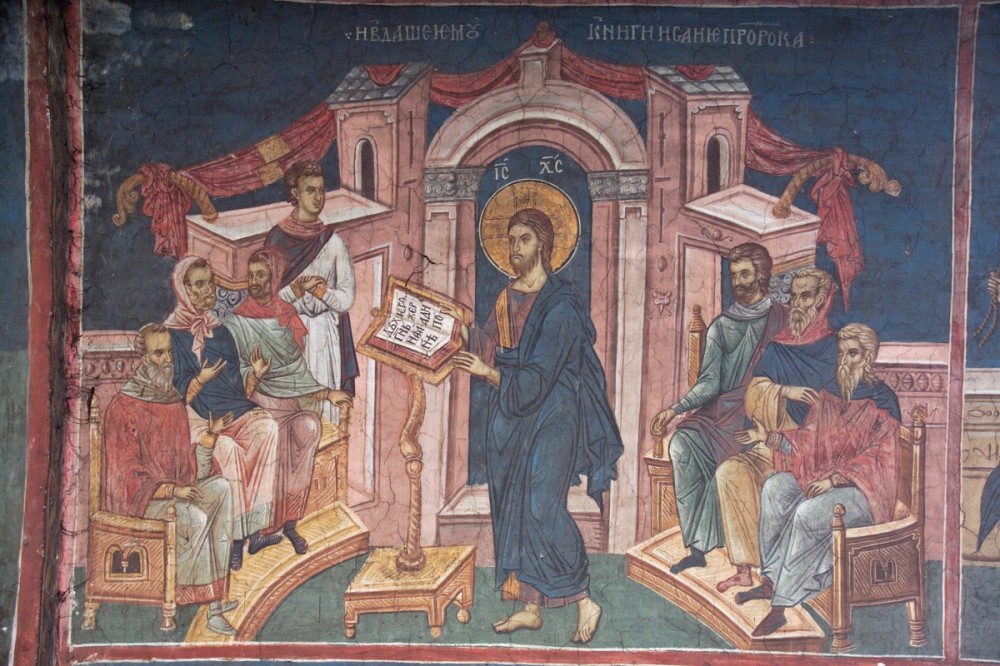
In this morning’s gospel people misread Jesus, they fail to recognize who or what he is, they are amazed and in doubting Jesus they doubt God to be at work in the world. We need to believe that God can and will be at work, in and through us. They can only see Jesus in terms of the members of his earthly family. It’s understandable, I can remember going back to the church where I grew up to preach and celebrate for their patronal festival, I was worried how people who had known me all my life would react, would they see a small boy in shorts and spectacles. I needn’t have worried, they saw a priest and were thrilled to see me at the altar. Therein lies the difference, the people of Nazareth see Jesus and can only think, ‘carpenter’s son’. They cannot recognize the Messiah in their midst. 

We need to know who and what Jesus is. The world around us rejects Jesus, rather like the people of Nazareth, or fail to accept him as true God and true man. They doubt who he was, what he did, and what he said. But we are different, we are here because we do not. We can tell people about him, but unless they WANT to believe then they won’t, no amount of forcing will make them. If, however, they see Christians living out their faith in an attractive way, then all things are possible. 

Jesus sends the disciples out in pairs, not alone: their ministry is rooted in co-operation, working together to build up the Kingdom of God. The twelve travel light, and are utterly dependant upon God and the charity and goodwill of others. It looks radical, and it is. They proclaim the need for repentance, turn away from sin and the ways of the world, and to turn back to God. They display the healing of the Kingdom: ours is a God who longs to heal our wounds, to restore us, and offer us a radical alternative to the ways of the world. The church is a revolutionary organisation, which seeks to change the world one soul at a time, so that humanity is transformed more and more into the likeness of the God who loves them, into the likeness of Jesus Christ, who lived among us and died for us, through the power of the Holy Spirit. It may sound crazy, but that is what we have been doing for nearly two thousand years, and will carry on doing until Jesus comes again. We continue to offer new life in Christ through baptism, and to feed God’s people with the Body and Blood of Christ, so that they may have life in and through Christ, nourished by Christ and fed with Christ, to be transformed more and more into His likeness so that they and all creation may give glory to God the Father, God the Son, and God the Holy Spirit, to whom be ascribed as is most right and just all might, majesty, glory, dominion, and power, now and forever.

christ-preaching-in-the-synagogue-at-nazareth-14th-c-fresco-visoki-decani-monastery-kosovo

Saturday, 30 June 2018

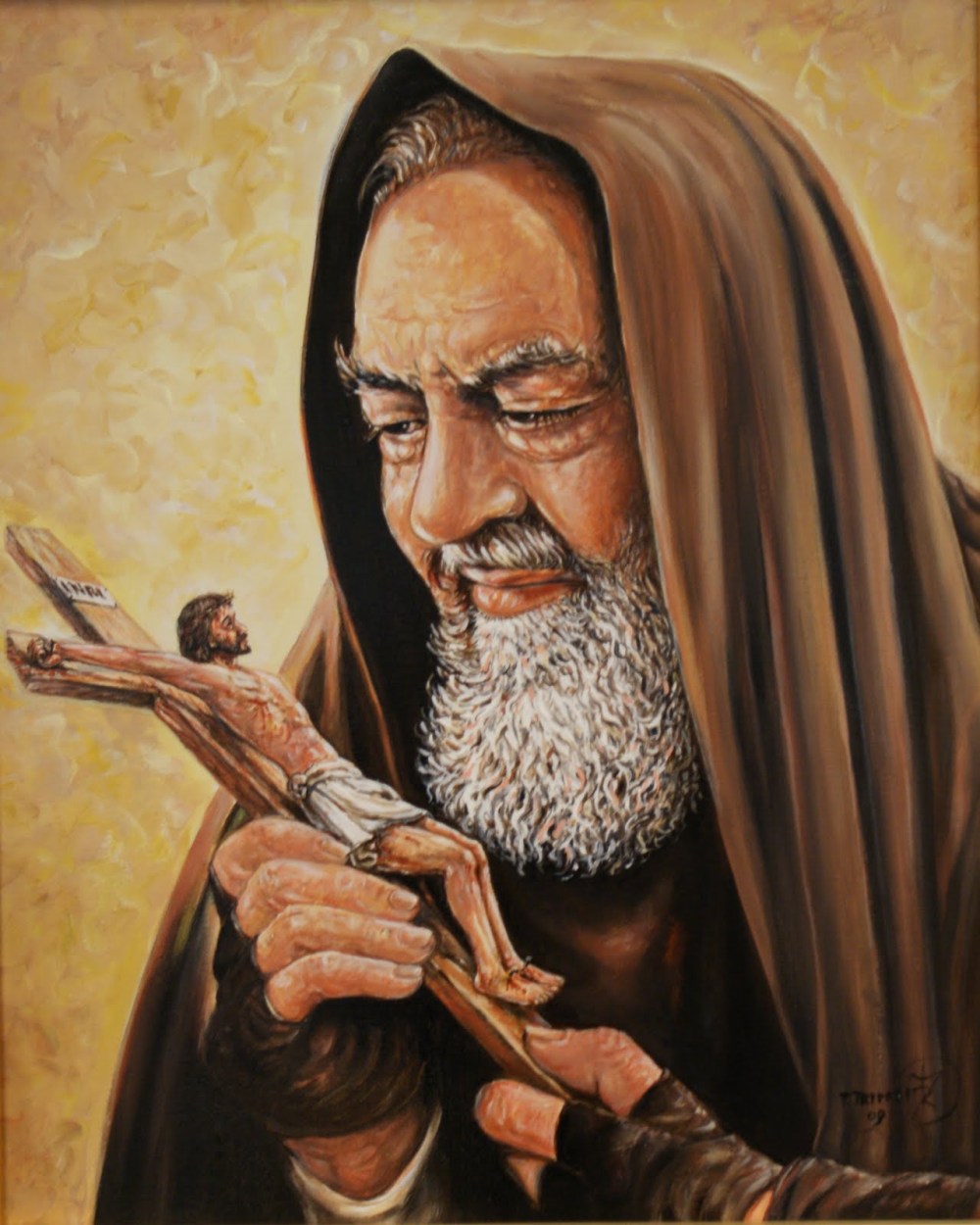
A Prayer of Padre Pio (after receiving Communion)

Stay with me, Lord, for it is necessary to have you present so that I do not forget you. You know how easily I abandon you.
Stay with me, Lord, because I am weak, and I need your strength, so that I may not fall so often.
Stay with me, Lord, for you are my life, and without you, I am without fervour.
Stay with me, Lord, for you are my light, and without you, I am in darkness.
Stay with me, Lord, to show me your will.
Stay with me, Lord, so that I hear your voice and follow you.
Stay with me, Lord, for I desire to love you very much, and always be in your company.
Stay with me, Lord, if you wish me to be faithful to you.
Stay with me, Lord, for as poor as my soul is, I want it to be a place of consolation for you, a nest of love. Amen.

S. Pio of Pietrelcina

padrepio-3


Saturday, 23 June 2018

The Nativity of St John the Baptist

Prophets have a difficult job to do: they tell people uncomfortable truths. People don’t like hearing such things: it makes them feel uncomfortable. Being told that you need to repent from your sinful ways and return to the Lord your God isn’t exactly going to make you popular. People prefer to feel comfortable, nice and warm and fuzzy, God loves you, everything is fine, no need to worry! It isn’t surprising that prophets are often ignored, mistreated and killed. They tell people not what they want to hear, but what they NEED to hear. 

This morning’s reading from the prophet Isaiah looks forward to a Messianic future — it points to Jesus, who He is and what He does, and that is exactly what John the Baptist, His cousin will do. He will be the Voice crying in the wilderness, who will prepare the way of the Lord who by his preaching of the Kingdom, and calling people to repent and be baptised ushers in the public ministry of Jesus, who will tend his flock like a shepherd, because He is the Good Shepherd. 

John is not interested in glory, or riches, or drawing attention to himself. All he wants to do is to point to Jesus, the Messiah. He speaks to a Jewish world which has a corrupt religious establishment, which is so bound up with following the Letter of the Law of Moses, that it has forgotten about the Spirit, that needs to come back to God, and repent of its sinful and foolish ways, which has made following the teaching of rabbis an idol in itself. He will bear witness to the truth, even at the risk of his own life: he will be killed to satisfy the whim of corrupt and sinful rulers. He has a vocation, to call people back to God, to point out where people are going wrong, and show them the right path.  Not only is he a prophet, but also the fulfilment of prophecy: In Malachi 4:4:5-6 we find the following, ‘“Behold, I will send you Elijah the prophet before the great and awesome day of the Lord comes. And he will turn the hearts of fathers to their children and the hearts of children to their fathers, lest I come and strike the land with a decree of utter destruction.”

John comes from a priestly family, his father Zechariah is a temple priest, his mother Elizabeth, the Blessed Virgin Mary’s cousin, also comes from a priestly family. They’ve tried to have children for years, and finally their prayers have been answered. When Elizabeth meets Mary, the child in her womb leaps for joy. Even before John is born he announces  that God is with us, he is a prophet from his conception. His father cannot believe that they’re going to have a baby, and when the Archangel Gabriel tells him, he fails to trust God, and is struck dumb as a result. But in this morning’s Gospel Elizabeth announces that her son’s name is John, meaning ‘God is gracious’ not Zechariah, after his father. “‘What then will this child be?’ For the hand of the Lord was with him” (Lk 1:66 ESV). He will be the last of the prophets, the forerunner, the one who points to Christ, who baptises Him, and who through his proclamation of Baptism and Repentance helps to bring about the movement which Jesus started, which we now call the Church. He recognises that Jesus is the Lamb of God, pointing to His Death, for our sins. 

He is the only saint — with the exception of the Virgin Mary — whose birth the liturgy celebrates and it does so because it is closely connected with the mystery of the Incarnation of the Son of God. In fact, from the time when he was in his mother’s womb John was the precursor of Jesus: the Angel announced to Mary his miraculous conception as a sign that “nothing is impossible to God” (Lk 1:37), six months before the great miracle that brings us salvation, God’s union with man brought about by the Holy Spirit.

(Pope Benedict XVI Angelus 24.vi.12 http://w2.vatican.va/content/benedict-xvi/en/angelus/2012/documents/hf_ben-xvi_ang_20120624.html)

John recognises Jesus, that in Him, through the power of the Holy Spirit, God has become human, like us. It is this wonderful mystery which lies at the heart of our faith as Christians. 

John the Baptist was the forerunner, the ‘voice’ sent to proclaim the Incarnate Word. Thus, commemorating his birth actually means celebrating Christ, the fulfilment of the promises of all the prophets, among whom the greatest was the Baptist, called to ‘prepare the way’ for the Messiah (cf. Mt 11: 9-10)

(Pope Benedict XVI  Angelus 24.vi.07 http://w2.vatican.va/content/benedict-xvi/en/angelus/2007/documents/hf_ben-xvi_ang_20070624.html)

We honour John because he points to Jesus, because he proclaims Him, Jesus the Messiah, the fulfilment of all prophecy, the Word made flesh, and the Lamb of God, who dies that we might live. He points the way for us to follow as Christians, so that we can be close to Jesus in Word and Sacrament, and so that we might proclaim Him in our lives. We need to have the same level of commitment as John, and the same depth of love for God. 

That is how we live out our faith in our lives, and that is how we can become saints:

Perhaps the chief mark of sanctity is an utter simplicity in the face of the divine will, and of divine promises. Such was the attitude of Christ himself.

We think of seriousness as something which needs to be forced, or put on. Whereas to genuine faith, seriousness is just naked simplicity; it is non-hypocrisy, non-evasiveness, non-sophistication, in the face of the normal environment of the believing soul, which is the ever-present will of God. To be serious, you have only to open your eyes; a man driving on a mountain road does not relax attention to the hairpin bends, and a Christian finding his way in the will of God does not lose sight of the way-marks.

Sanctity is never out of date; and sanctity is nothing but entire simplicity towards God.  

 Austin Farrer, The Brink of Mystery, London 1976: 153-4

So let us be inspired by the example of St John the Baptist, and love and follow God with simplicity, and encourage others so to do, so that all the world may give glory to God the Father, God the Son, and God the Holy Spirit, to whom be ascribed as is most right and just all might, majesty, glory, dominion, and power, now and forever.

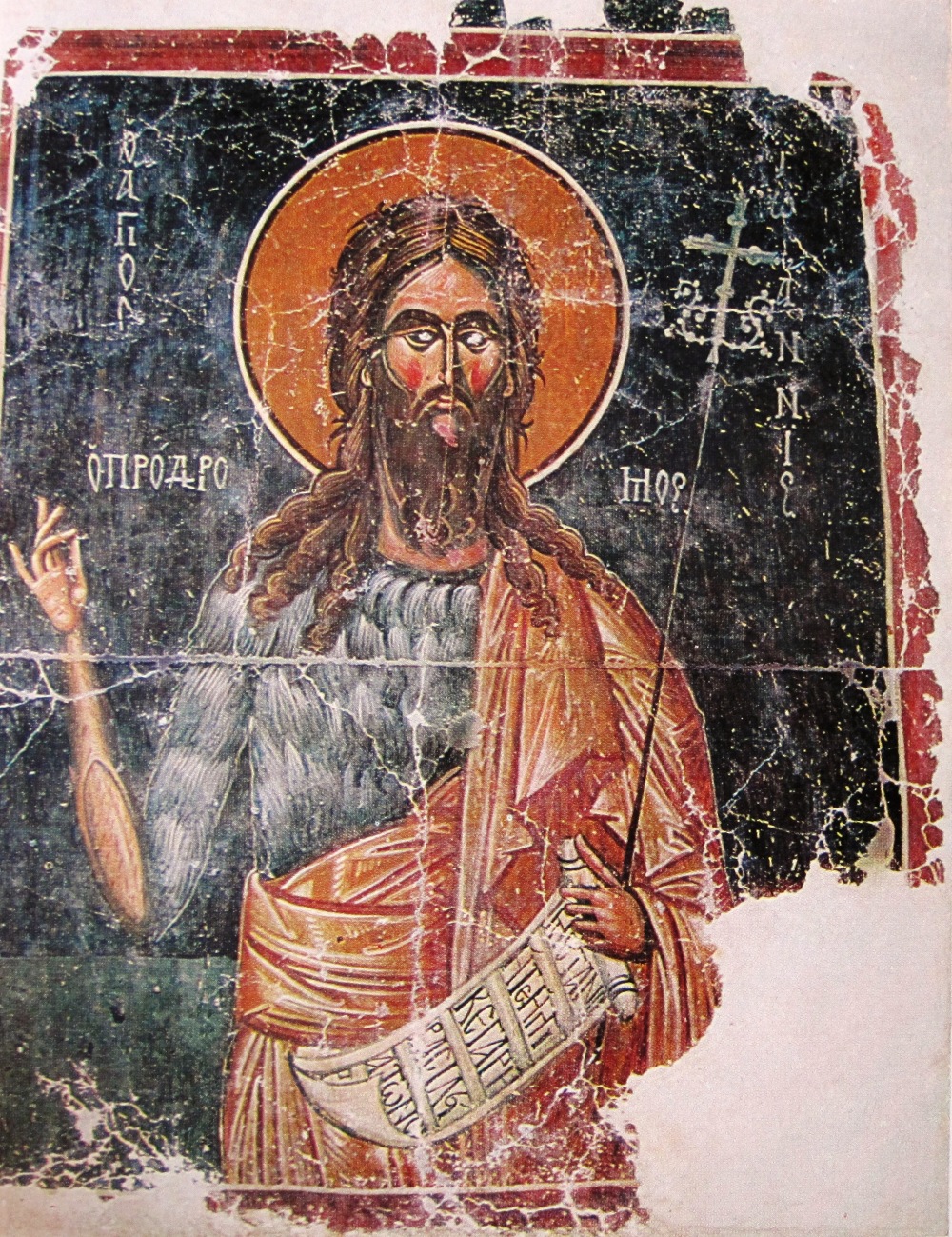
icon_of_john_the_baptist_28georgia2c_15th_century29

Saturday, 16 June 2018

Eleventh Sunday of Year B

While I like gardening, I don’t do enough of it in practice, I’m sometimes forgetful, and not fond of weeding. There is, however, something wonderful about taking seeds or cuttings and placing them in compost and watching them grow. It never ceases to give me a thrill. Once they have grown you end up with something that you can eat, smell, look at, or even sell: it is a source of joy, of nourishment of body and soul. It is an image used by the prophet Ezekiel this morning to look forward to a future where God’s people are sheltered, it looks to a Messianic future, to one fulfilled by the church, as the Lord plants the twig on the lofty mountain of Calvary. The Cross is our only hope, it is the Tree of Life, through which we have life, and all people can rest secure. Ezekiel’s image is used by Jesus in the parable of the Mustard Seed to show people how his prophecy is being brought about in and through Jesus, the Messiah. This is the promised Kingdom of God, becoming a reality in and through Christ. 

We in the West live in an age of anxiety, where we are all worried: what are we doing? Are we doing the right thing? Could we or should we do something different, something more? The Church is in a mess, numbers are falling, what are we going to do about it? Perhaps rather than worrying, we might pause for a second to consider that people have noticed a downward trend in Christian belief and practice over the last two hundred years. It is not something new, but it is complex and long-standing, and cannot be easily reversed. But it is God’s church, and God calls us to be faithful, and to trust in Him.

In the parable of the Kingdom with which this morning’s Gospel (Mk 4:26-34) starts, the one who scatters the seed does not know how things grow, and for all their sleeping and rising they cannot influence matters, they just have to sit back and let something mysterious and wonderful happen. That is how God works.

The church founded by Our Lord and Saviour Jesus Christ and entrusted to his apostles began as a small affair, just a few people in a backwater of the Roman Empire, written off as deluded followers of another charismatic prophet. It isn’t an auspicious start; it isn’t what a management consultant would tell you to do. But a small group of people had their lives turned around by God, and told people about it, and risked everything, including their own lives to do so. The Church has now grown to point where there are several billion Christians on earth. Here in the West the picture may currently look rather bleak, but the global picture is far more encouraging, people are coming to know Christ, to love Him, and serve Him. And even if we have been going through some bad harvests over here, the trick is to keep scattering the seed as they will grow in a way which can defy our expectations. It is after all God’s Church not ours. 

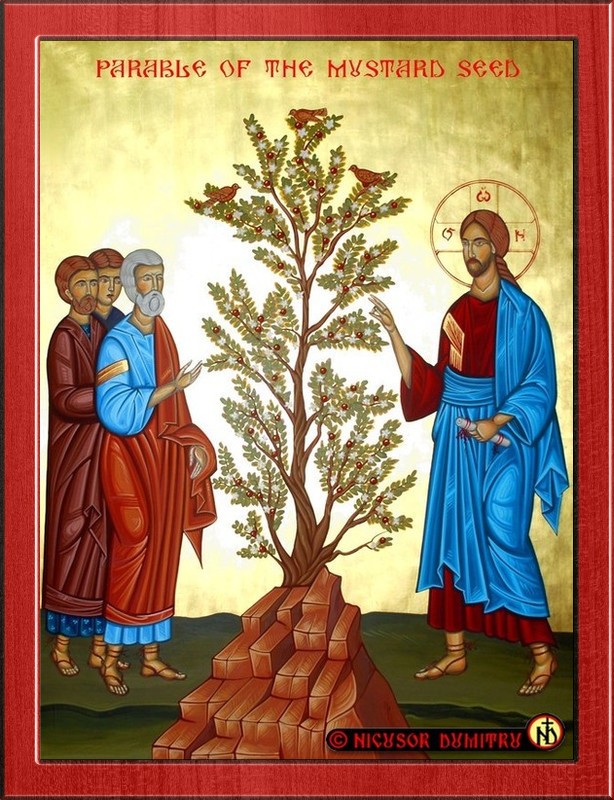
Jesus compares the Kingdom of God to a mustard seed, a small thing, only two millimetres in diameter, and yet in the Mediterranean climate it could grow into a bush as large as 3’ x 12’. It has a small beginning, but there is the possibility of remarkable growth, and the image of birds nesting in its shade signals divine blessings (cf. Judg 9:8-15, Ps 91:1-2, Ezek 17:22-24) Jesus is taking the imagery of Ezekiel and showing how it will be brought to fulfilment in and through the Church. Such is the generous nature of God, that we have somewhere where we can we can be safe, and where we can grow in faith. Such is Divine Providence that God gives us the Church as means of grace, so that humanity may be saved. Through the saving death of His Son on the Cross, we can be assured of salvation in and through Him, a sacrifice which will be made present here this morning in the Eucharist, where Christ feeds us, His people, with His Body and Blood, to nourish and strengthen us.

Thus we can, like the Apostle Paul in his Second Letter to the Corinthians, always be confident:we can put our trust in God, as we know that we cannot be disappointed. On the Cross, God’s victory is complete, so we please God by following his commandments: loving Him and loving our neighbour, motivated by the love of Christ, shown to us most fully when he suffers and dies for us, to heal us and restore us, to bear the burden of our sins: ‘he died for all, so that those who live might no longer live for themselves, but for him who died and was raised for them.’ (2Cor 5:15 ESV) 

And so in the Church we live for Christ — our thoughts, words, and actions proclaim the saving truth of God’s love for humanity. If we seek God’s forgiveness and the forgiveness of others, and are forgiving ourselves then we can be built up in love. If we are devout in prayer, nourished by the word of God, and by the Sacrament of his Body and Blood we are built up in love, our souls are nourished and we can grow into the full stature of Christ. So let us come to Him, and be fed by Him, healed and restored by Him, living in love and encouraging others so to do, for the glory of God and the building up of His Kingdom.

If we are faithful, if we keep scattering seed in our thoughts, our words, and our actions, then wonderful things will happen. We have to trust God to be at work in people’s lives, and be there for them when they do respond. If we can be as welcoming as the Mustard Tree then we will have ensured that people have a place where they can come to know Jesus, and grow in love and faith. The trick is not to lose heart, but to trust in the God who loves us, who gave His Son to die for love of us. If we are confident of who Christ is, and what He has done for us, then as people filled with the love of God, we will carry on the Church’s mission of proclaiming the Good News of the Kingdom of God, and people will come to know and trust that love which changes everything, and give glory to God the Father, God the Son, and God the Holy Spirit, to whom be ascribed as is most right and just all might, majesty, glory, dominion, and power, now and forever.
parable_of_the_mustard_seed

Wednesday, 13 June 2018

A thought from Thomas Merton

The basic and most fundamental problem of the spiritual life is the acceptance of our hidden and dark self, with which we tend to identify all the evil that is in us. We must learn by discernment to separate the evil growth of our actions from the good ground of the soul. And we must prepare that ground so that a new life can grow up from it within us, beyond our knowledge and our conscious control. The sacred attitude is then one of reverence, awe, and silence before the mystery that begins to take place within us when we become aware of our innermost self. In silence, hope, expectation, and unknowing, the man of faith abandons himself to the divine will: not as to an arbitrary and magic power whose decrees must be spelt out from cryptic cyphers, but as to the stream of reality and of life itself. The sacred attitude is then one of deep and fundamental respect for the real in whatever new form it may present itself. The secular attitude is one of gross disrespect for reality, upon which the worldly mind seeks only to force its own crude patterns. The secular man is the slave of his own prejudices, preconceptions and limitations. The man of faith is ideally free from prejudice and plastic in his uninhibited response to each new movement of the stream of life. I say ‘ideally’ in order to exclude those whose faith is not pure but is also another form of prejudice enthroned in the exterior man — a preconceived opinion rather than a living responsiveness to the logos of each new situation. For there exists a kind of ‘hard’ and rigid religious faith that is not really alive or spiritual, but resides entirely in the exterior self and is the product of conventionalism and systematic prejudice.

Cistercian Quarterly Review 18 (1983): 215-6

Saturday, 2 June 2018

The Ninth Sunday of Year B

Those of us, myself included, have a great responsibility, as members of a religious authority. Often in the Gospels we see Jesus and the Pharisees on opposing sides. Jesus is critical of them, especially when they get the wrong end of the stick, following the letter of the religious law, while not considering its spirit. It reminds us that we need to consider not only what we do, but also why we do it. 

I have something of a confession to make this morning: I am greatly saddened by the fact that Sunday has become a day much like any other, with shops being open, people made to work, and various social activities happening, which have rather spoiled the character of the day. Please don’t misunderstand me, I’m not a strict Sabbatarian by any means, but for a variety of reasons both religious and non-religious, I have to say that they idea of having a day free from work and worldly concerns, is a good thing. In fact it is more than that, it is a Divine Command. God tells us to do this for OUR OWN GOOD. The command in Deuteronomy is not simply to abstain from work, but to rest in a way made holy by God, so that we may worship Him, and enjoy His rest. It has a purpose, which is the worship of Almighty God. It is what humanity is for. 

In Mark’s Gospel this morning we see the dangers of a prescriptive legal approach — the Pharisees follow the letter of the law, but have forgotten the Spirit — the reason why things are encouraged or forbidden. The sabbath exists for rest, and to Glorify God. Quibbling over a mouthful of food is petty, and small minded. The sabbath was made for us, for rest is good, and one should not work without rest. It is cruel and inhuman. It reminds us too that we need to make space for God in our lives, that the worship of God is important. We gather as Christians on the Lord’s Day, the first day of the week to celebrate Jesus’ death and Resurrection, by means of the Eucharist, where we do what Jesus commanded us to do, until He comes again. For one hundred thousand successive Sundays we have gathered to do this, because it matters, it is important: we are fed with the Bread of Angels, with the Very Body and Blood of Christ, so that we may be healed and given a foretaste of Heaven. 

Jesus heals a man with a withered hand to proclaim that that the Kingdom of God is a place of healing, and reconciliation. That is why Jesus comes among us to proclaim the Good News. The Church then is not just a cozy club for religious people but exists also for the benefit of non-members. We exist to carry on that same proclamation, ‘to give the light of the knowledge of the glory of God in the face of Jesus Christ.’ (2 Cor 4:6 ESV) It is a hard job, harder than ever, as people are far less willing to listen, and we are not always terribly confident 

But we have this treasure in jars of clay, to show that the surpassing power belongs to God and not to us. We are afflicted in every way, but not crushed; perplexed, but not driven to despair; persecuted, but not forsaken; struck down, but not destroyed; always carrying in the body the death of Jesus, so that the life of Jesus may also be manifested in our bodies. For we who live are always being given over to death for Jesus’ sake, so that the life of Jesus also may be manifested in our mortal flesh. So death is at work in us, but life in you. 

(2Cor 4:7-12ESV)

All around the world, even in strict repressive regimes like China, North Korea, and Saudi Arabia, Christ is being proclaimed — people come to know Him, to love Him, and to trust Him. We have to ask ourselves the question, ‘Does our faith matter enough to us that we are willing to die for it, if necessary?’ ‘See how these Christians love one another, and how they are ready to die for one another’ (Tertullian, Apology, 39).That’s the level of commitment we need. It is after all a serious matter – people’s souls are at stake here! Jesus didn’t come so that people could blithely ignore Him. He upset people, who then wanted to kill Him. The Church exists to proclaim the same message, that Jesus died for love of us, to save us from Hell, from our sins, and rose again, and promises eternal life with the Holy Trinity. 

We have a pledge of it here, this morning in the Eucharist — Christ’s VERY SELF, His Body, and Blood are given to us, to feed us, and heal our withered souls. It is the supreme demonstration of God’s love for us, a re-presentation of the sacrifice of Calvary — we eat and drink the same flesh and blood which was wounded for our transgressions, which died to save us. This is how much God loves us, and longs to heal our wounds, and restore our relationship with Him, and with each other. It affects who and what we are, as St Paul says, ‘always carrying in the body the death of Jesus, so that the life of Jesus may also be manifested in our bodies.’ (2Cor 4:10 ESV) Christ’s Body and Blood are eaten and drunk, so that they may transform us, so that we may come to share in the Divine Life and Love which saves us. As St Augustine says, ‘Be what you see and receive what you are’ (Sermon 272). It affects what we are and what we do, and we want to share it with others, that they may come to know Jesus, and experience His healing love. It has been the Church’s raison d’être since the beginning: in the Acts of the Apostles we find, ‘And they devoted themselves to the apostles’ teaching and the fellowship, to the breaking of bread and the prayers’ (Acts 2:42 ESV). Prayer, the Eucharist, and the teaching of the Church are central to our lives as Christians, because they help us to grow in faith, and love, together, as the church. They’re not optional extras that we can dip in and out of when they’re convenient for us, they are absolutely central to who and what we are as Christians. We cannot be Christians without them. It is that simple. It is why we keep Sunday as a special day, so that we can come together and do what the Church has always done, so that we may have life and have it in all its fullness. 

Which of us can say that we don’t need Christ’s healing in our lives? I know that I do, the truth is that we all do. If we are close to Him in prayer, if we listen to Him, if we have the humility which says, ‘I need God’s help’ then we can be open to the transforming power of His Love. Here this morning, in the Eucharist, at the Altar, Christ will give Himself for us, His Body and His Blood, so that we can feed on Him, be fed by Him, and be fed with Him, so that our souls can be healed. What greater medicine could there be for us, than God’s very self? What gift more precious or more wonderful? Our soul’s true food. We eat Christ’s Body and drink His Blood so that we might share His Divine life, that we might be given a foretaste of Heaven here on earth.

Come Lord Jesus, come and heal us, and feed us with Your Body and Blood, fill us with your life and love, so that we may share it with others, so that they too may come to believe and give glory to God the Father, God the Son, and God the Holy Spirit, to whom be ascribed as is most right and just all might, majesty, glory, dominion, and power, now and forever.

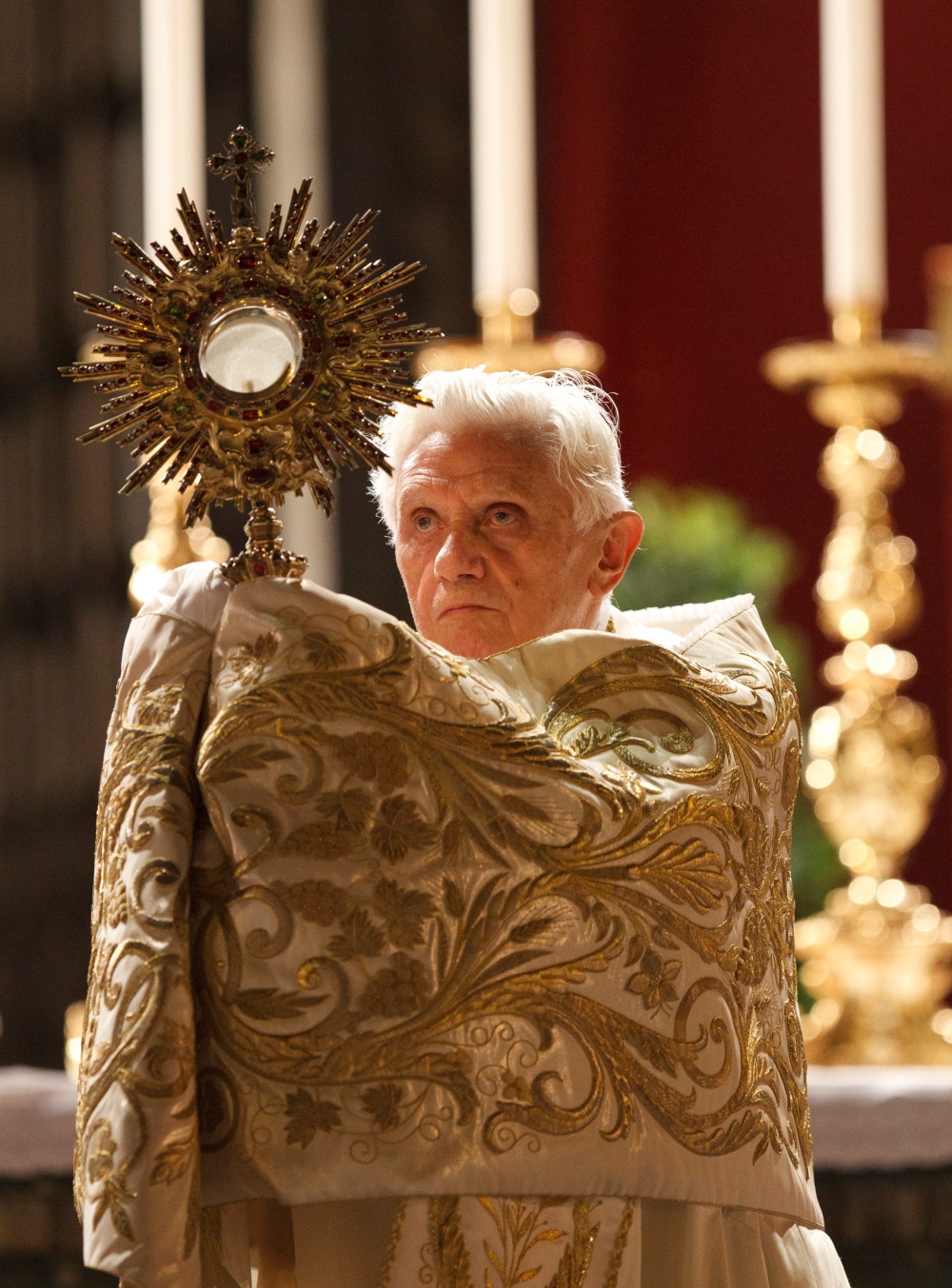
POPE LEADS BENEDICTION AFTER CORPUS CHRISTI PROCESSION IN ROME


Thursday, 31 May 2018

Augustine Sermon 272: on the Nature of the Sacrament of the Eucharist

What you see on God’s altar, you’ve already observed during the night that has now ended. But you’ve heard nothing about just what it might be, or what it might mean, or what great thing it might be said to symbolize. For what you see is simply bread and a cup – this is the information your eyes report. But your faith demands far subtler insight: the bread is Christ’s body, the cup is Christ’s blood. Faith can grasp the fundamentals quickly, succinctly, yet it hungers for a fuller account of the matter. As the prophet says, “Unless you believe, you will not understand.” [Is. 7.9; Septuagint] So you can say to me, “You urged us to believe; now explain, so we can understand.” Inside each of you, thoughts like these are rising: “Our Lord Jesus Christ, we know the source of his flesh; he took it from the virgin Mary. Like any infant, he was nursed and nourished; he grew; became a youngster; suffered persecution from his own people. To the wood he was nailed; on the wood he died; from the wood, his body was taken down and buried. On the third day (as he willed) he rose; he ascended bodily into heaven whence he will come to judge the living and the dead. There he dwells even now, seated at God’s right. So how can bread be his body? And what about the cup? How can it (or what it contains) be his blood?” My friends, these realities are called sacraments because in them one thing is seen, while another is grasped. What is seen is a mere physical likeness; what is grasped bears spiritual fruit. So now, if you want to understand the body of Christ, listen to the Apostle Paul speaking to the faithful: “You are the body of Christ, member for member.” [1 Cor. 12.27] If you, therefore, are Christ’s body and members, it is your own mystery that is placed on the Lord’s table! It is your own mystery that you are receiving! You are saying “Amen” to what you are: your response is a personal signature, affirming your faith. When you hear “The body of Christ”, you reply “Amen.” Be a member of Christ’s body, then, so that your “Amen” may ring true! But what role does the bread play? We have no theory of our own to propose here; listen, instead, to what Paul says about this sacrament: “The bread is one, and we, though many, are one body.” [1 Cor. 10.17] Understand and rejoice: unity, truth, faithfulness, love. “One bread,” he says. What is this one bread? Is it not the “one body,” formed from many? Remember: bread doesn’t come from a single grain, but from many. When you received exorcism, you were “ground.” When you were baptized, you were “leavened.” When you received the fire of the Holy Spirit, you were “baked.” Be what you see; receive what you are. This is what Paul is saying about the bread. So too, what we are to understand about the cup is similar and requires little explanation. In the visible object of bread, many grains are gathered into one just as the faithful (so Scripture says) form “a single heart and mind in God” [Acts 4.32]. And thus it is with the wine. Remember, friends, how wine is made. Individual grapes hang together in a bunch, but the juice from them all is mingled to become a single brew. This is the image chosen by Christ our Lord to show how, at his own table, the mystery of our unity and peace is solemnly consecrated. All who fail to keep the bond of peace after entering this mystery receive not a sacrament that benefits them, but an indictment that condemns them. So let us give God our sincere and deepest gratitude, and, as far as human weakness will permit, let us turn to the Lord with pure hearts. With all our strength, let us seek God’s singular mercy, for then the Divine Goodness will surely hear our prayers. God’s power will drive the Evil One from our acts and thoughts; it will deepen our faith, govern our minds, grant us holy thoughts, and lead us, finally, to share the divine happiness through God’s own son Jesus Christ. Amen!